Other gloves
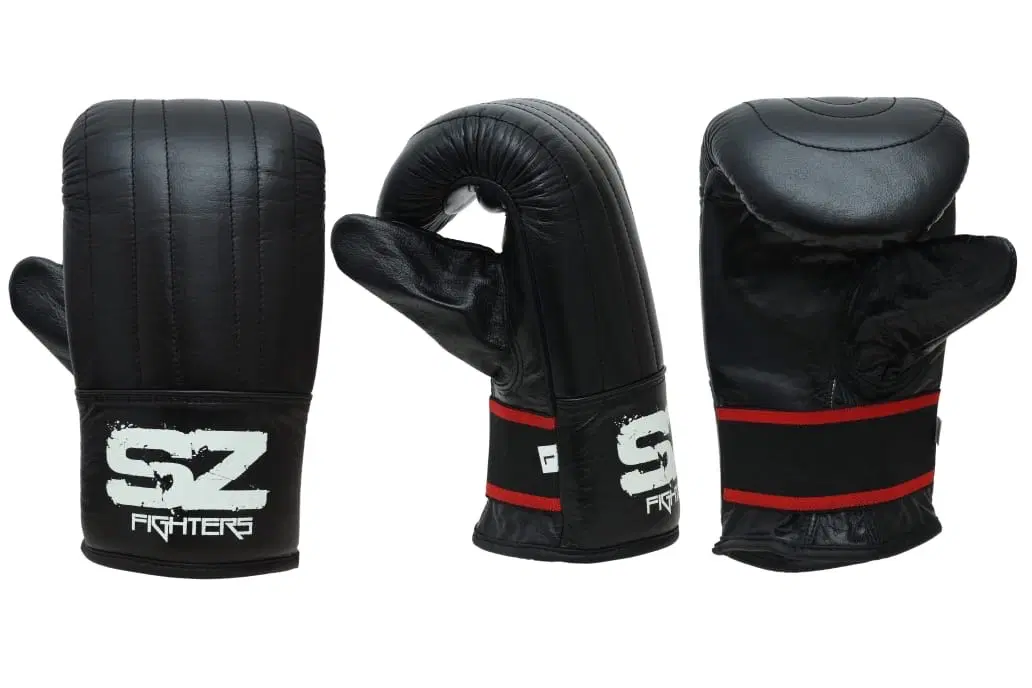
- SZ Fighters – Уредни ръкавици изкуствена кожа – 11.89 €
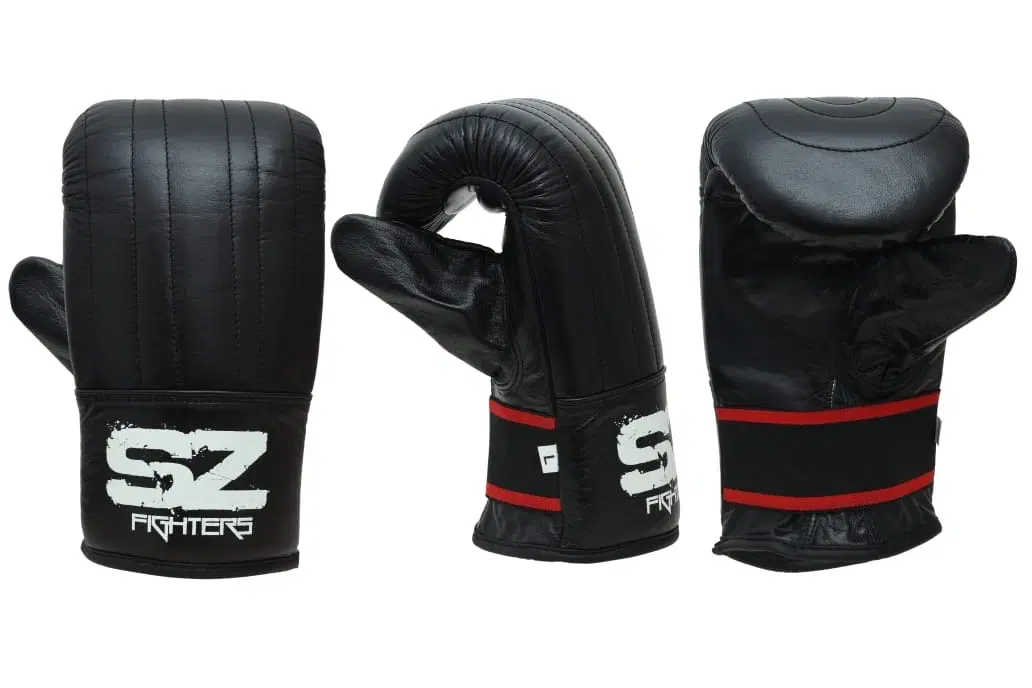 SZ Fighters – Уредни ръкавици естествена кожа – 17.12 €
Over 30% of combat sports injuries are related to the hands and wrists, highlighting the critical role of proper protective equipment. While boxing gloves, MMA gloves, and bag gloves are well-known, the "Other Gloves" category encompasses specialized models designed for specific needs and disciplines. These gloves offer unique advantages not found in standard options, providing optimal protection, grip, and comfort.
For example, grappling gloves often feature open fingers and reinforced palm areas, made from synthetic leather or neoprene, to provide maximum grip and flexibility during holds. They typically weigh between 4 and 6 ounces. Weightlifting gloves, used by many fighters for strength training, offer palm padding to prevent calluses and improve grip when lifting barbells or dumbbells. Their design often includes Velcro closures for wrist stability. In contrast, focus mitt and pad work gloves are lighter, typically 8-10 ounces, and have thinner padding to allow the trainer to feel the impact and react quickly. Materials range from natural leather for durability to breathable synthetic fabrics for comfort during intense workouts.
How to choose
- Material: Natural leather offers unmatched durability and comfort but is more expensive. Synthetic materials like PU leather or microfiber are more affordable and often offer good value for money. Neoprene is suitable for waterproofing and flexibility.
- Size and fit: Gloves should fit snugly but without restricting finger and wrist movement. Measure your palm circumference for a more accurate size determination (e.g., S: 7-8 inches, M: 8-9 inches, L: 9-10 inches).
- Padding type: For grappling, minimal padding is important for feel. For pad work, thinner padding is preferred. For strength training, palm padding is key.
- Closure: Velcro closure is the most common and offers easy adjustment. Some models have elastic cuffs for quicker donning.
- Specific needs: If you train Brazilian Jiu-Jitsu, look for gloves with open fingers and good grip. For dumbbell training, choose gloves with reinforced palms.
Common mistakes
- Choosing the wrong size: Gloves that are too large will slip, and those that are too small will restrict circulation and movement.
- Neglecting the material: Cheap synthetic gloves may not withstand intensive use and may not provide adequate protection.
- Using universal gloves for all activities: Strength training gloves are not suitable for sparring, and vice versa. Each activity requires a specific design.
- Lack of maintenance: Improper storage and cleaning can shorten the life of gloves and lead to bacterial growth. It is recommended to air them out after each use and clean them according to the manufacturer's instructions.
- Buying solely based on price: Investing in quality gloves is an investment in health and performance. As stated in the American Academy of Orthopaedic Surgeons' textbook of sports medicine, adequate protection is injury prevention.
FAQ
What exactly is in the 'Other Gloves & Grips' category?
Here you'll find accessories like lifting straps, wrist wraps, and grip pads that aren't full gloves. They're for people seeking targeted support—like a stronger grip for deadlifts or better wrist stability during presses—without covering the entire palm.
How do I use wrist wraps correctly?
Unroll the wrap and place the thumb loop over your thumb to hold it in place. Start wrapping the band firmly around your wrist, ensuring it's snug enough for stability but not so tight that it cuts off circulation. Once you reach the desired tension, secure it with the velcro.
What are the main benefits of using lifting straps?
Lifting straps help you lift heavier weight on pulling exercises like deadlifts and rows. They essentially 'lock' your hands to the bar, so your grip strength isn't the limiting factor. This allows you to properly overload the target muscles, like your back and legs.
If I use these accessories all the time, won't my grip get weaker?
There's a risk of that if you rely on them constantly. A smart strategy is to use them only for your heaviest top sets. For your warm-ups and lighter sets, train without them. This ensures you continue to build your natural grip strength while using the tools to push past your limits when it matters most.