Jump ropes
A jump rope is a fundamental tool for improving cardio endurance and coordination, crucial for any fighter. Its effectiveness lies in its simplicity and ability to activate multiple muscle groups simultaneously. In our selection of 7 products, you will find ropes made from various materials, each with its own advantages.
For speed and intense interval training, jump ropes with PVC or steel cables, often with bearings for smooth rotation, are ideal. They provide high speed and are suitable for boxing and MMA training, where quick footwork is essential. For greater durability and a weighted feel that helps develop shoulder and forearm strength, ropes with weighted handles or a thicker rope are an excellent choice.
When choosing, it's important to match the length of the rope to the athlete's height – stand on the middle of the rope, and the handles should reach your armpits. For intense workouts and sparring preparation, investing in a rope with adjustable length and durable materials is recommended to withstand the rigors of daily use.
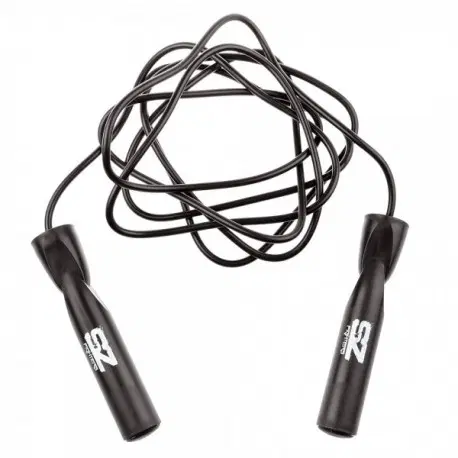
- SZ Sport – Въже за скачане с пластмасови дръжки – 4.24 €
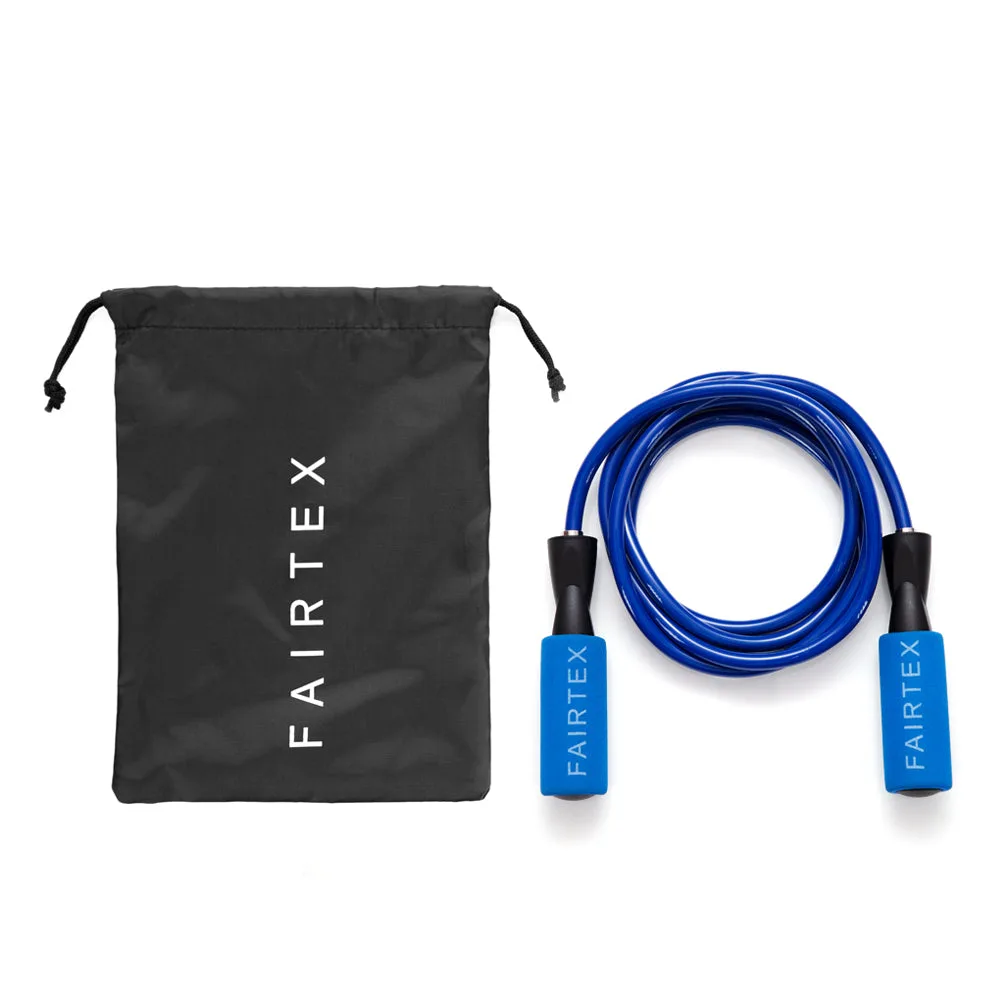 Fairtex Ball Bearing Skipping Rope ROPE3 — Blue – 15.99 €
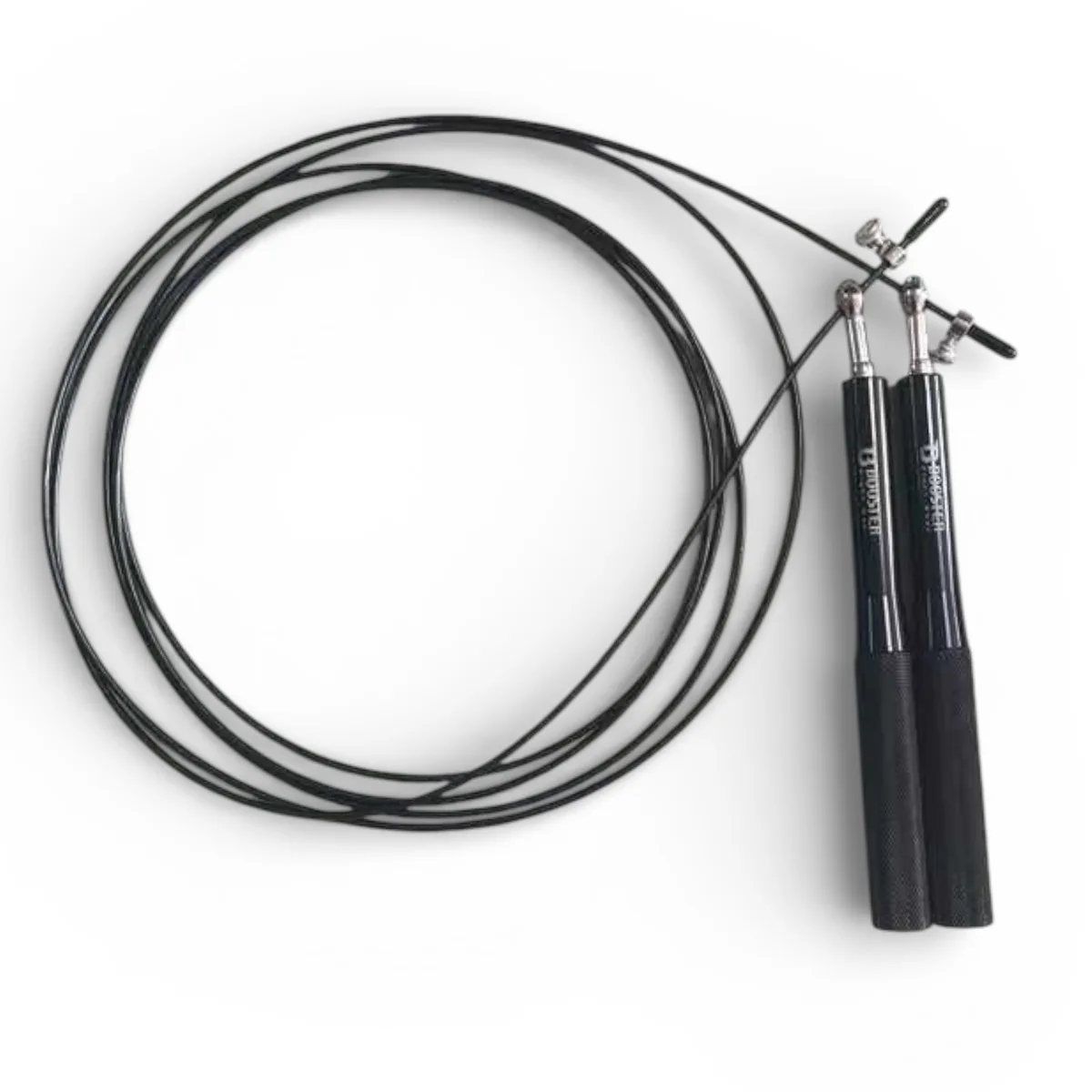 Booster BFG Conquest pro Speed rope – 19.79 €
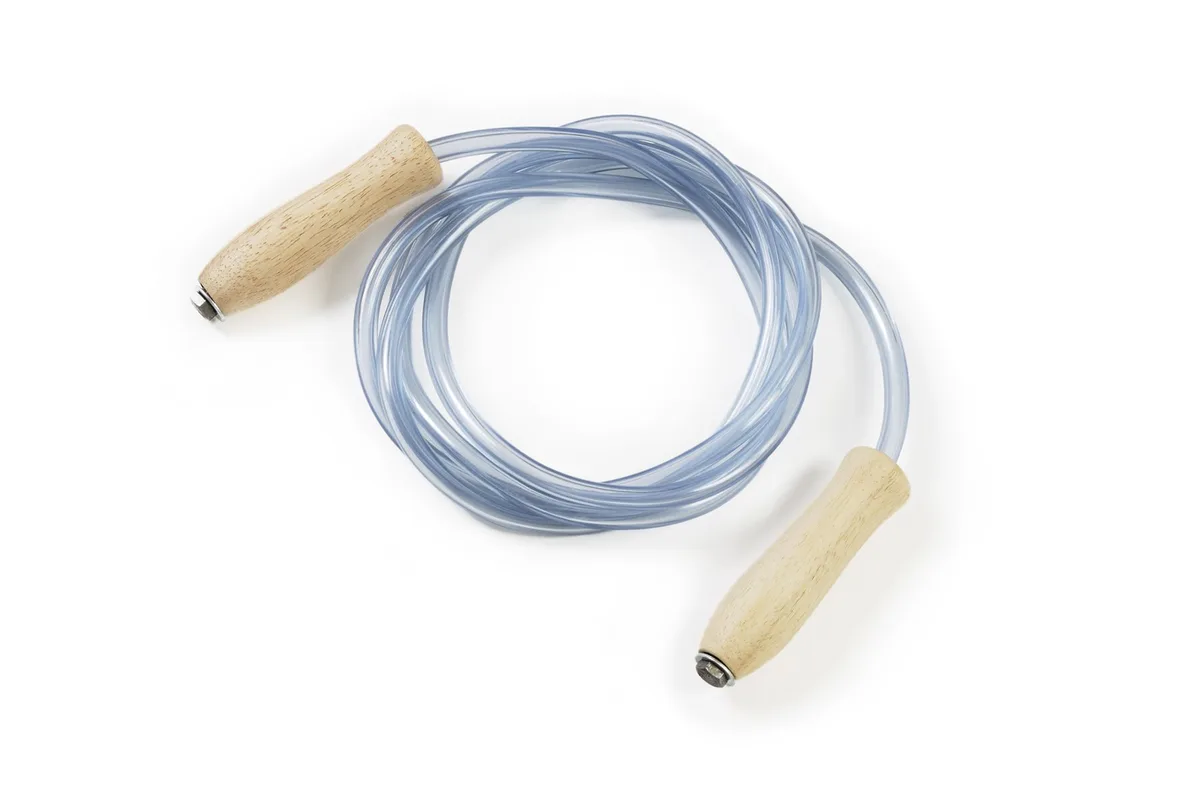 TOPKING SKIPPING ROPE WOODEN HANDLE
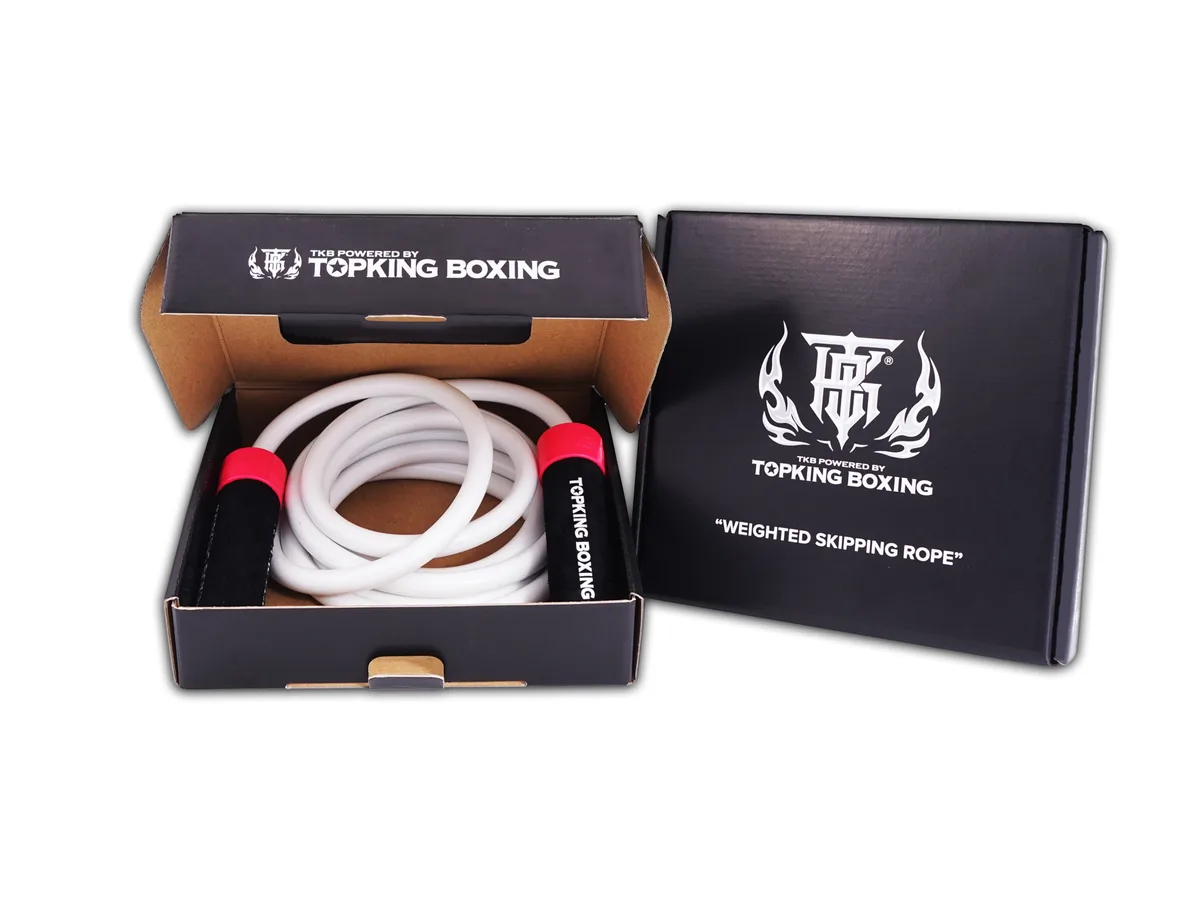 TOPKING SKIPPING ROPE PLASTIC HANDLE WITH STEEL WEIGHT
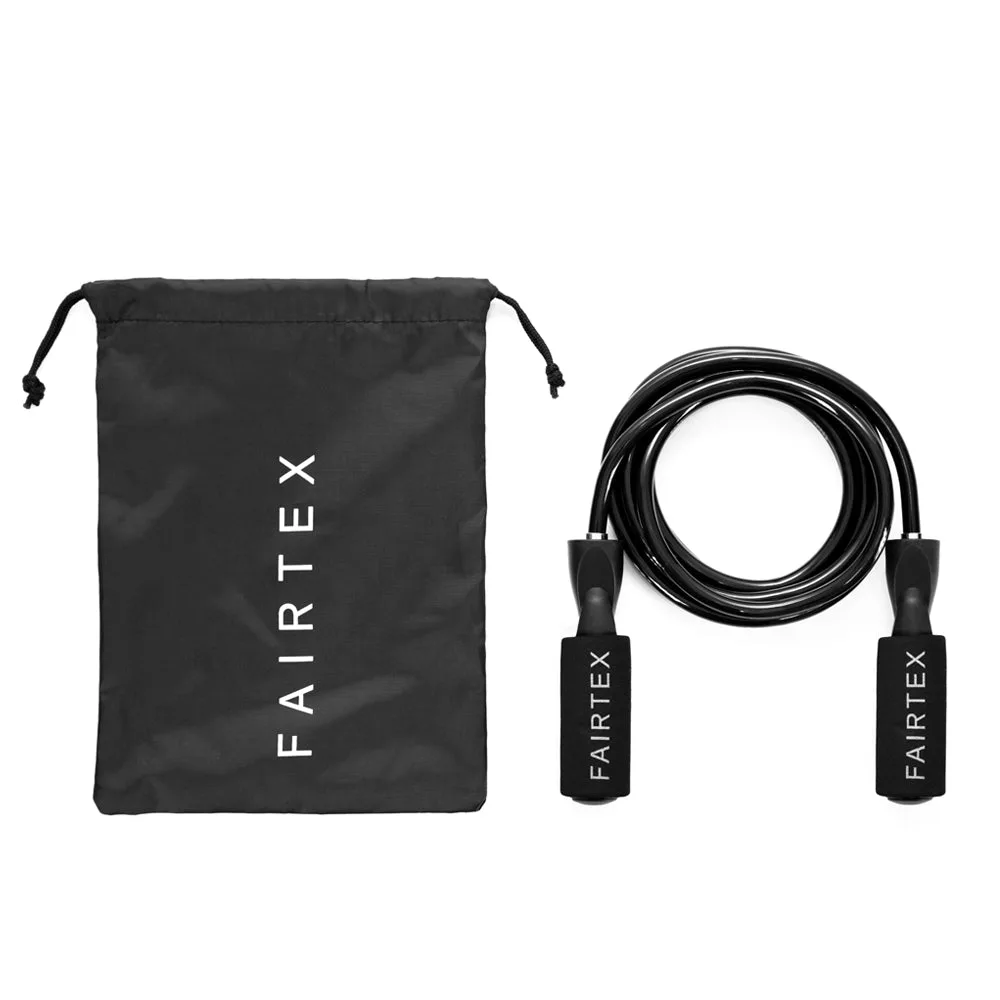 Fairtex Ball Bearing Skipping Rope ROPE3 — Black – 15.99 €
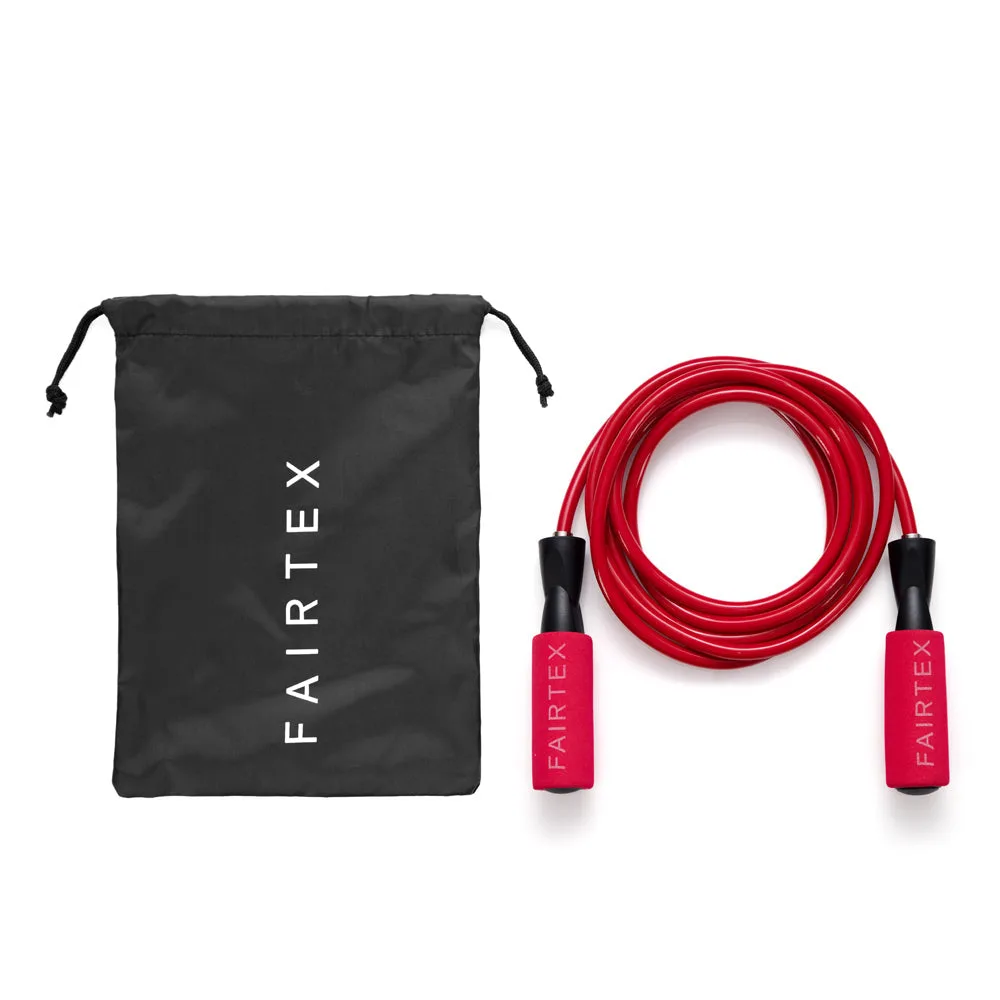 Fairtex Ball Bearing Skipping Rope ROPE3 — Red – 15.99 €
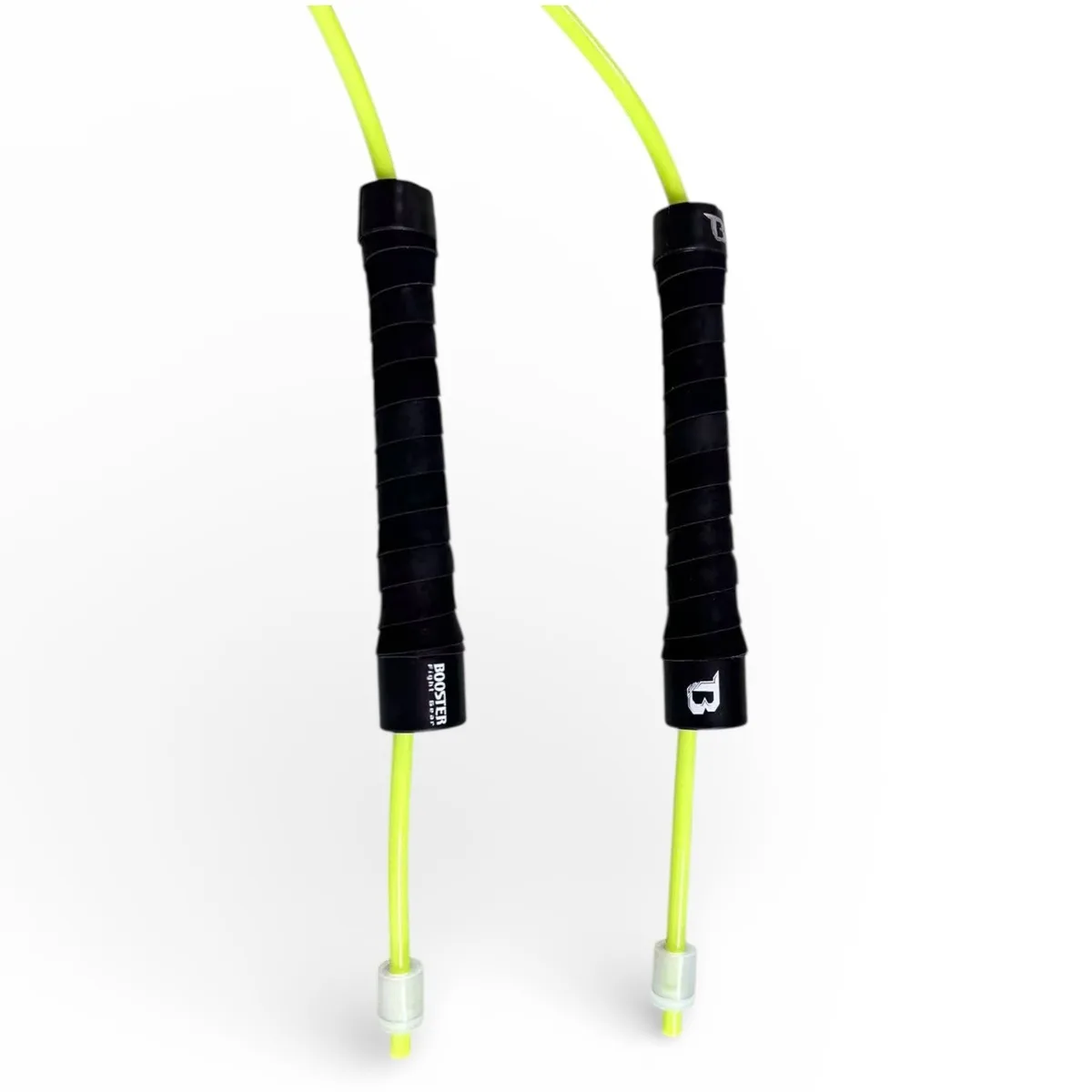 Booster BFG Rapid Strike Speed Rope – 19.79 €
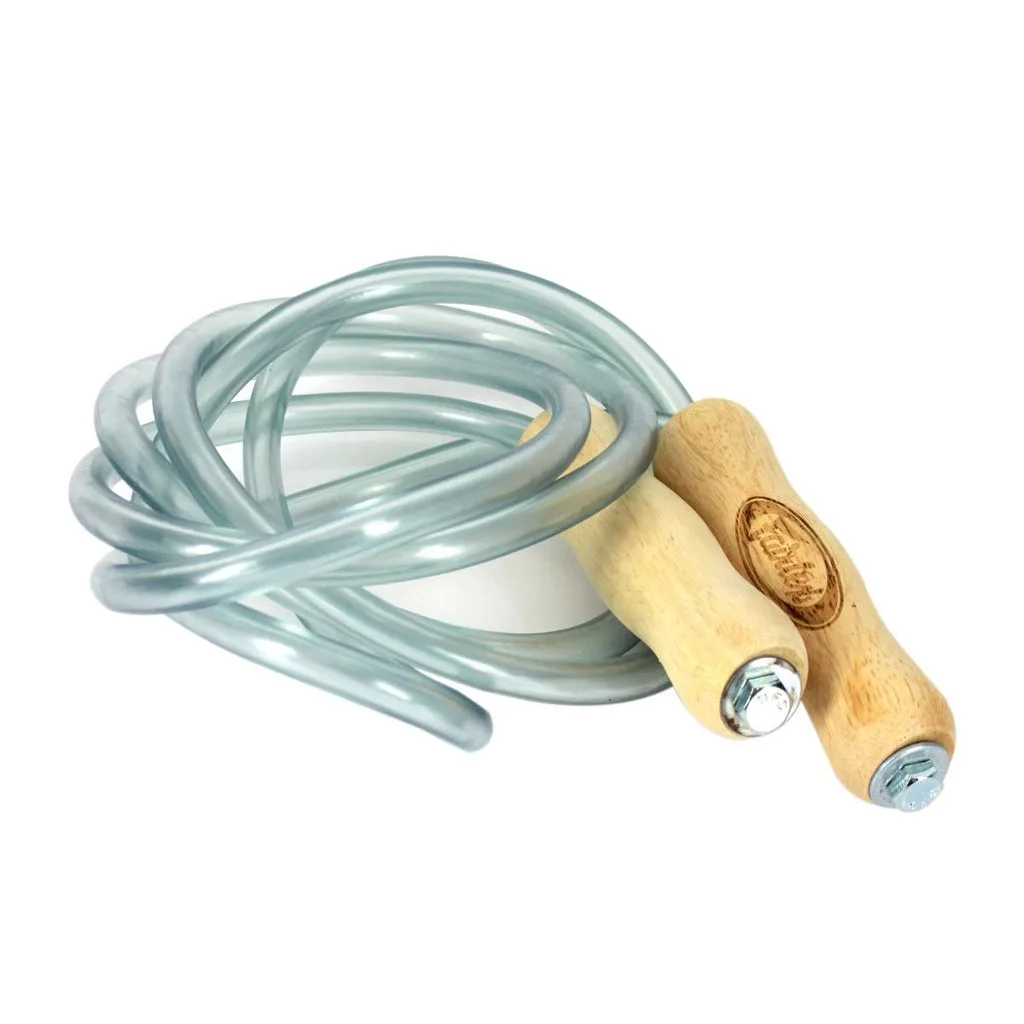 Muay Thai Heavy Skipping Rope – 8.94 €
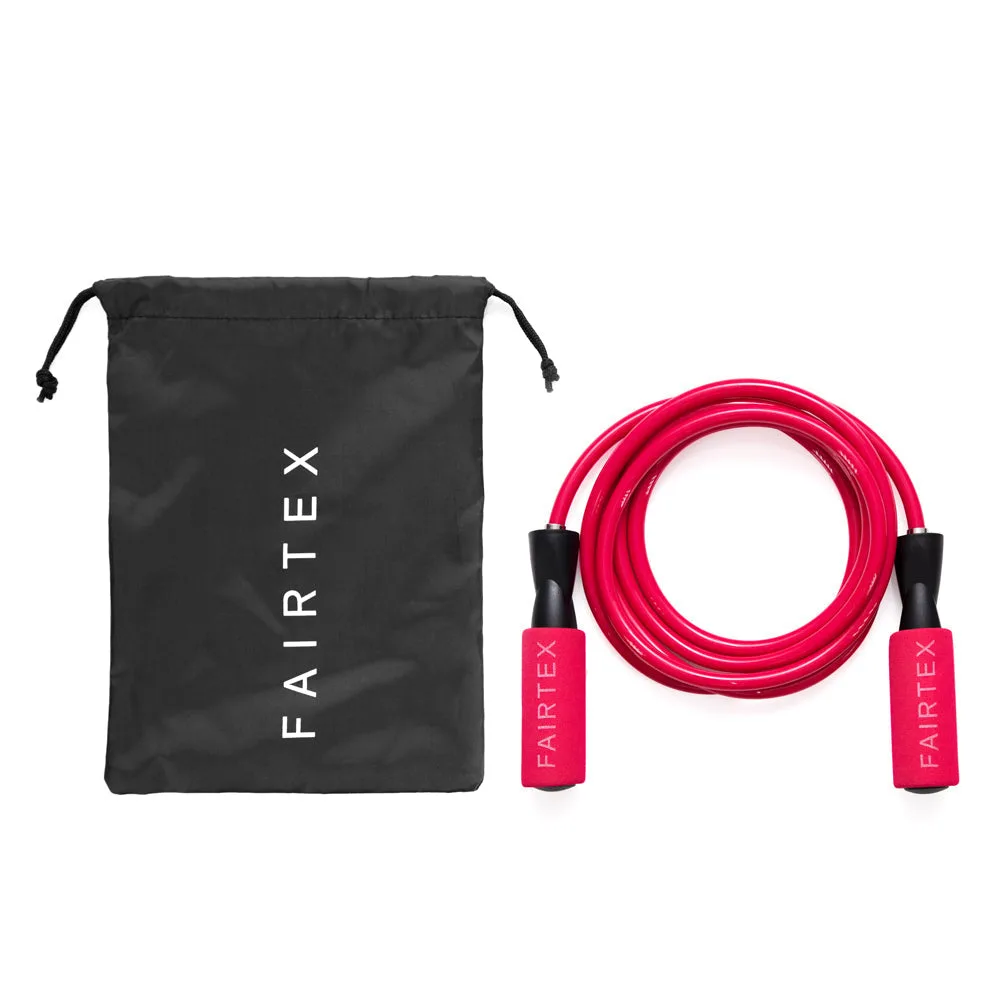 Fairtex Ball Bearing Skipping Rope ROPE3 — Pink – 15.99 €
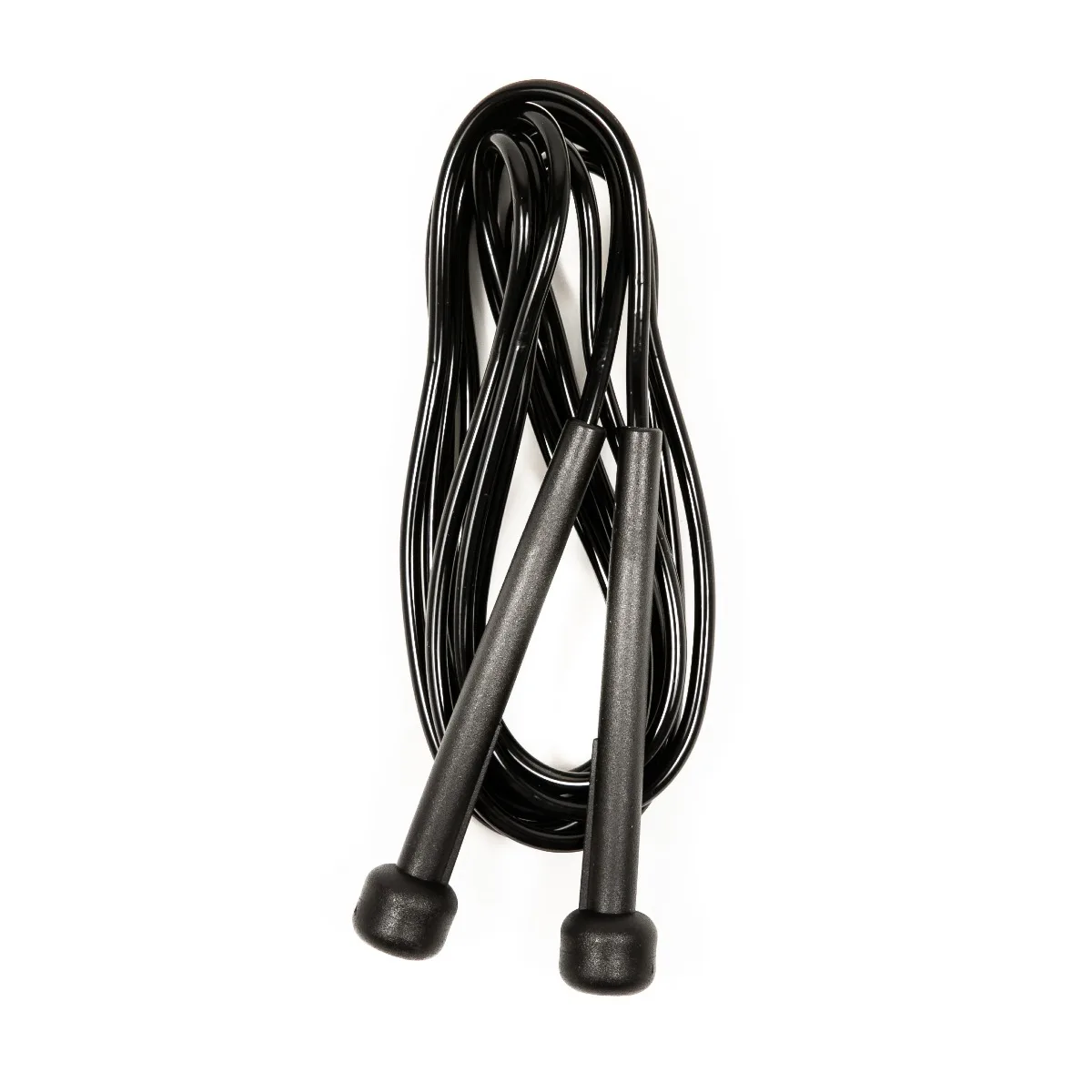 Booster P2 – 7.63 €
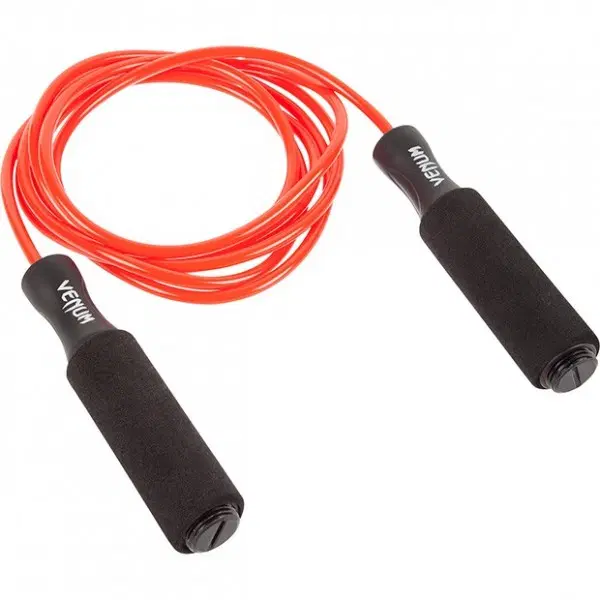 Въже за Скачане - Venum Competitor Weighted Jump Rope – 29.65 €
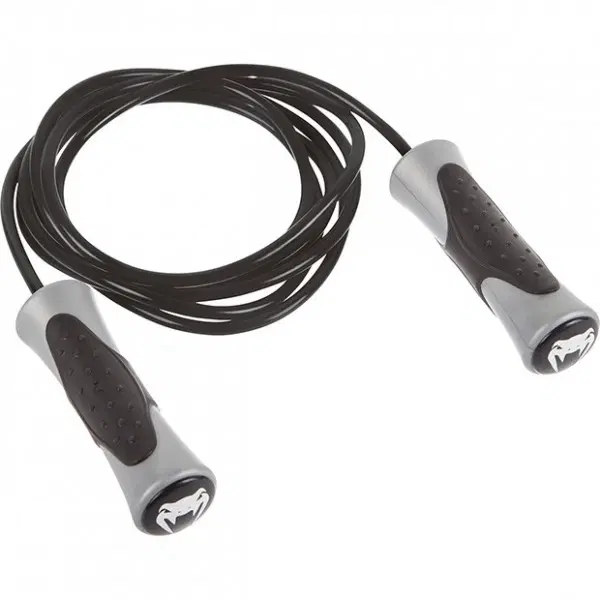 Въже за Скачане - Venum "Challenger" Speed Jump Rope – 15.00 €
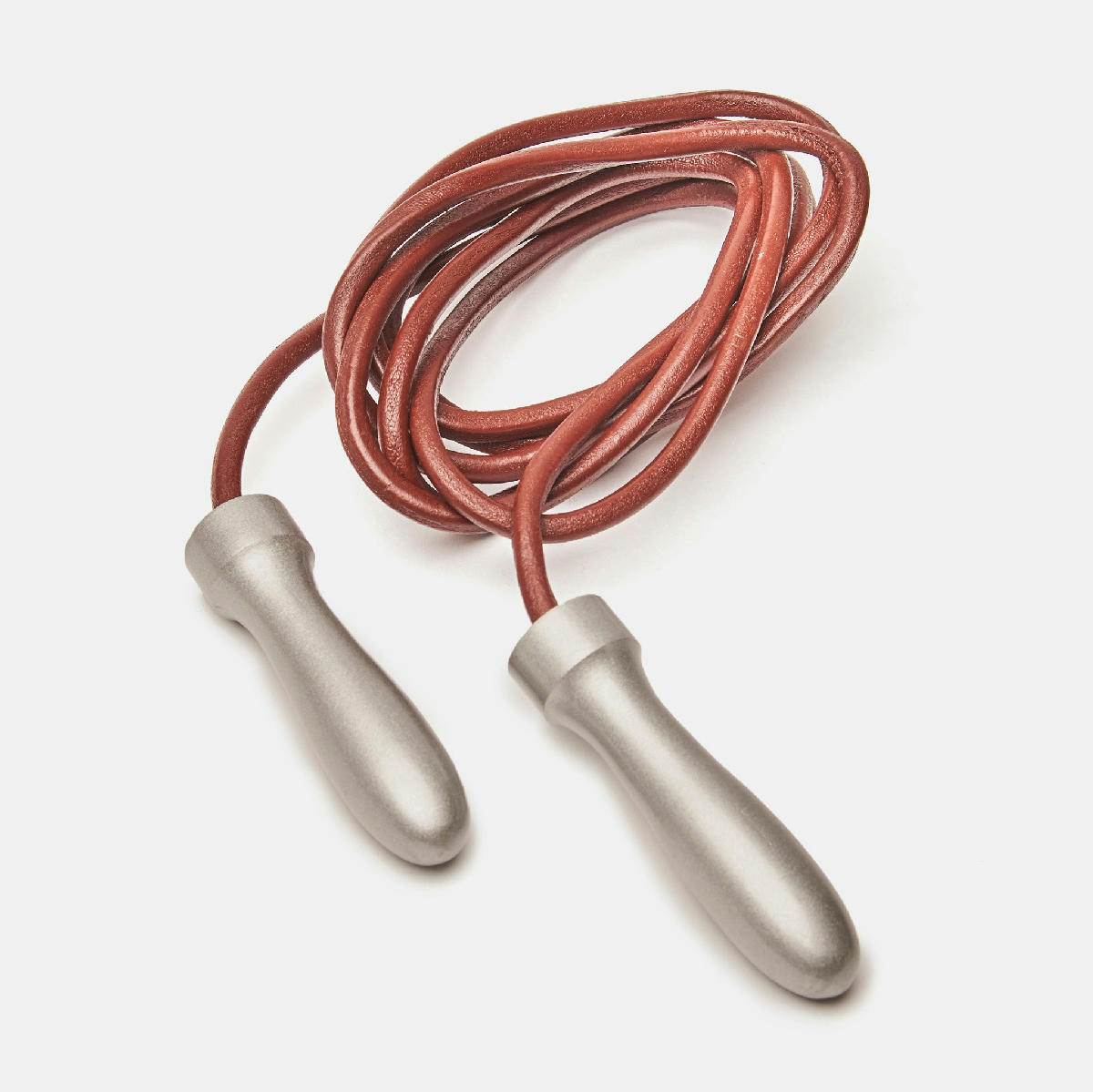 Leone 1947 Pro Jump Rope - Brown – 25.95 €
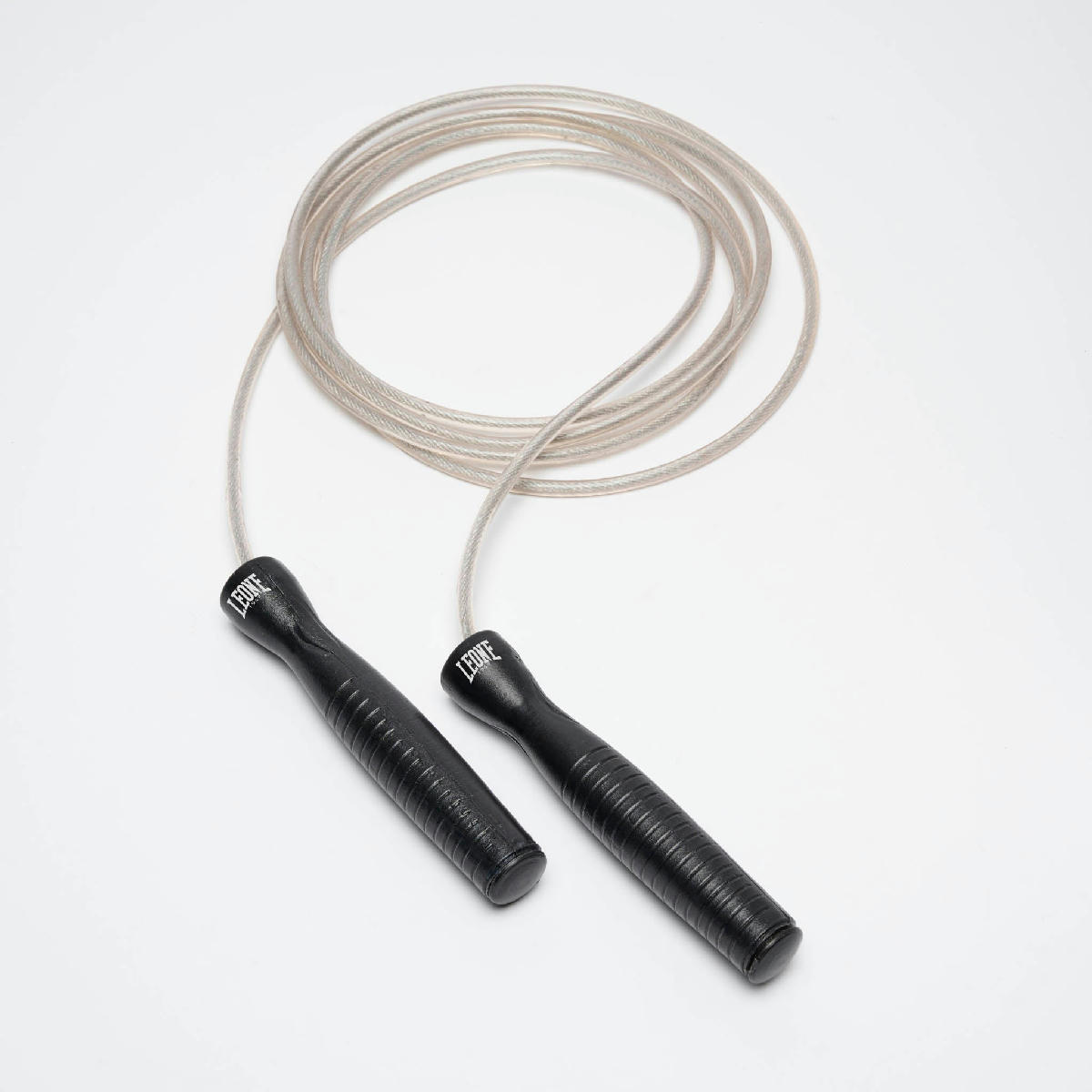 Leone 1947 Jump Rope - Clear – 18.51 €
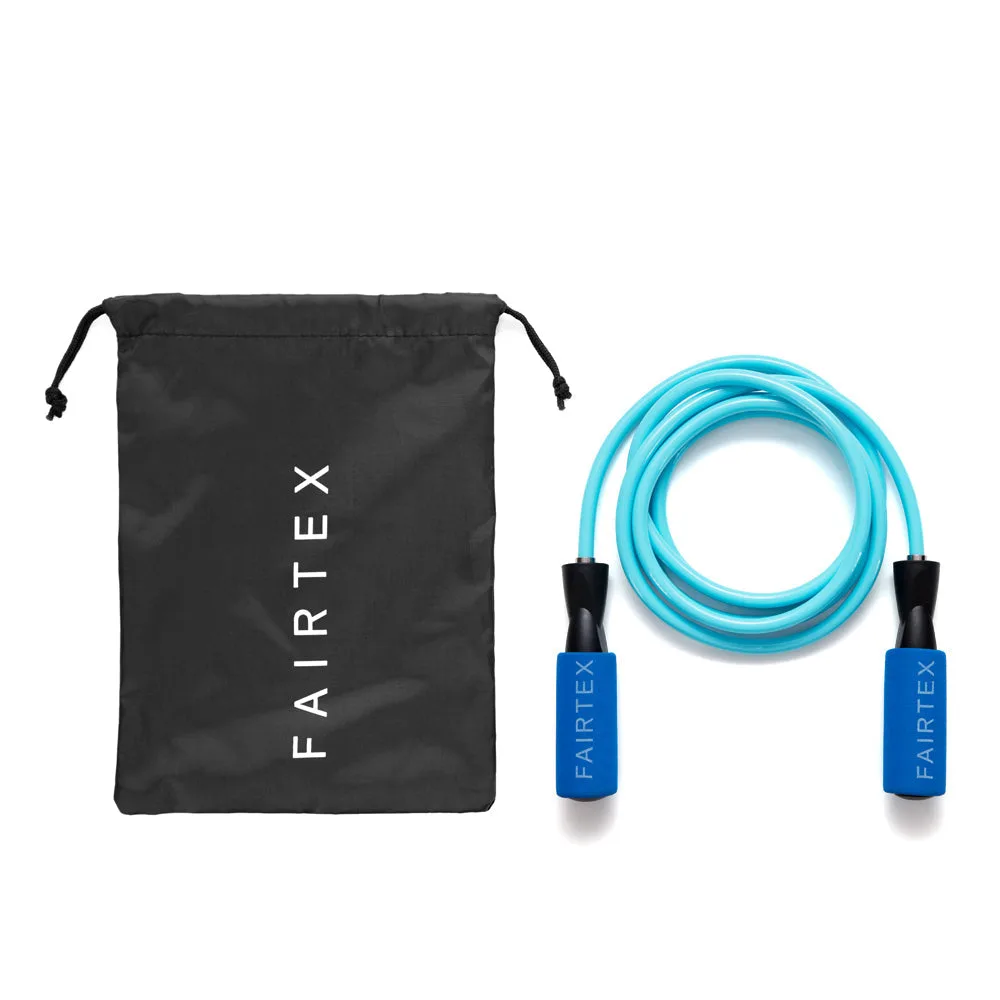 Fairtex Ball Bearing Skipping Rope ROPE3 — Light Blue – 15.99 €
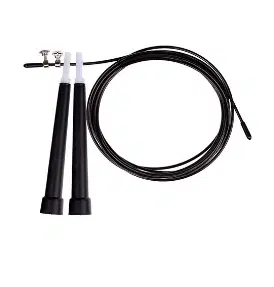 SZ Sport – Speed rope – 6.59 €
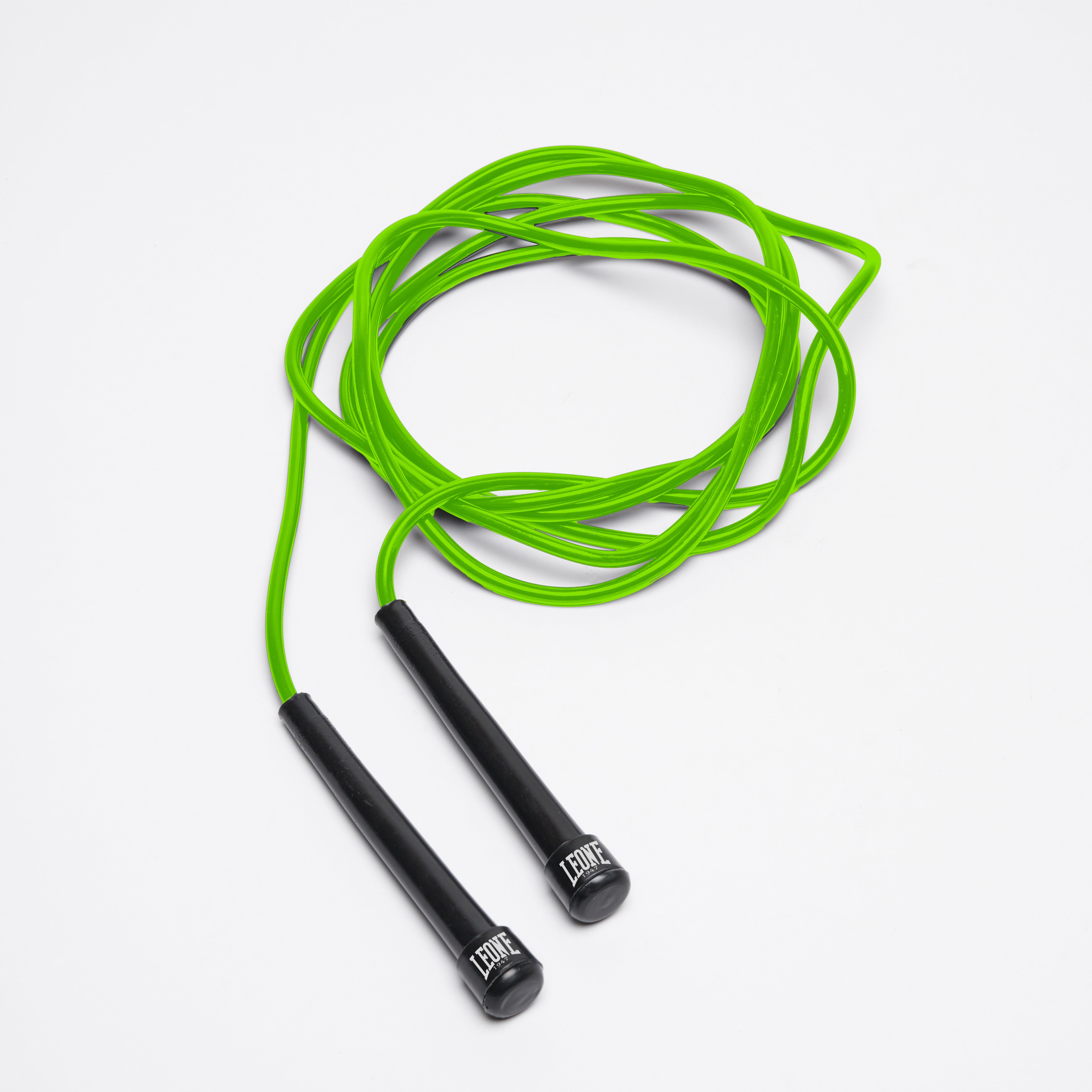 Leone 1947 Junior Jump Rope – 9.21 €
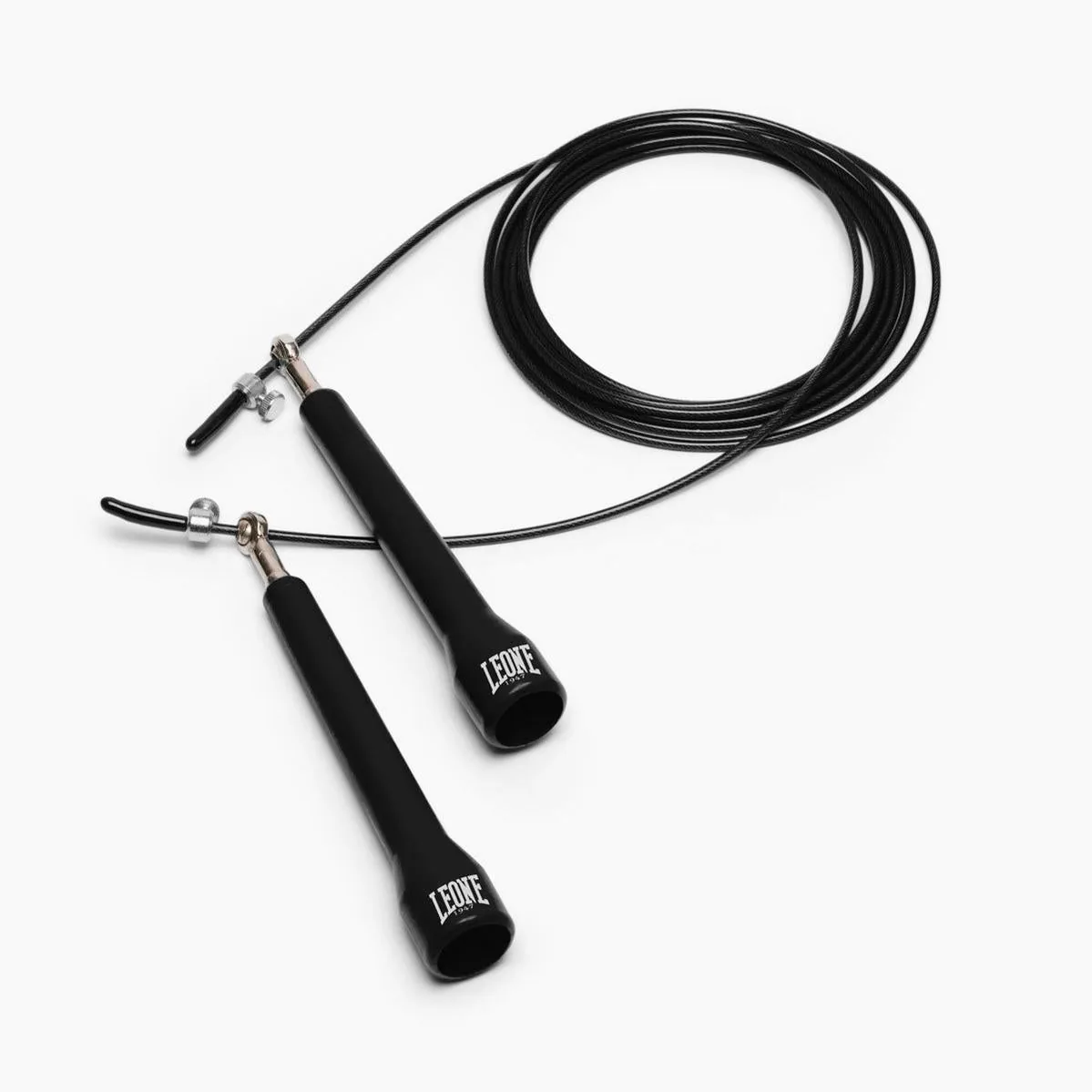 Leone 1947 Speed Jump Rope - Black – 18.51 €
Jump ropes, often underestimated, are incredibly effective tools for a wide range of fitness goals. From professional athletes to casual exercisers, the humble jump rope offers a powerful and comprehensive workout. Incorporating jumping rope into your routine can dramatically improve cardiovascular health, agility, coordination, and even bone density. It's a low-impact exercise when performed correctly, making it suitable for many individuals looking for an efficient way to burn calories and enhance their physical conditioning.
Key Benefits of Jump Ropes
One of the primary benefits of using a jump rope is its exceptional cardiovascular workout. Just a few minutes of jumping can elevate your heart rate and provide a full-body workout, engaging your legs, core, and shoulders. This makes it an excellent tool for improving stamina and overall endurance. Beyond cardiovascular health, jump ropes significantly enhance coordination and agility. The rhythmic motion and timing required to jump rope effectively train your brain and body to work together seamlessly, improving your reflexes and balance.
Furthermore, jump ropes are highly effective for burning calories. A high-intensity jumping session can torch more calories per minute than many other forms of exercise, making it an ideal choice for weight management and fat loss. Regular jump rope training can also contribute to increased bone density, a crucial aspect of long-term skeletal health, particularly important for preventing osteoporosis.
Who Can Benefit from Jump Ropes?
Jump ropes are truly versatile and beneficial for almost everyone. Athletes across various disciplines, including boxing, basketball, and track and field, use jump ropes for conditioning, agility training, and warm-ups. For general fitness enthusiasts, it provides an accessible and effective way to stay active, whether at home, in the gym, or while traveling. Even individuals new to exercise can incorporate jump ropes into their routine, starting with shorter intervals and gradually increasing duration and intensity as their fitness improves. It's also an excellent option for those looking for a portable and space-saving workout solution.
How to Effectively Use a Jump Rope
To maximize the benefits and prevent injury, proper jump rope technique is essential. Begin by choosing a rope of the appropriate length; when standing on the middle of the rope, the handles should reach your armpits. Keep your elbows close to your body and use your wrists to turn the rope, not your entire arms. Stay on the balls of your feet, keeping your jumps low to the ground. Start with short intervals, such as 30 seconds of jumping followed by 30 seconds of rest, and gradually increase your jumping time as you build stamina. Focus on maintaining a steady rhythm and a light, springy bounce.
What to Look for When Buying a Jump Rope
When selecting a jump rope, consider a few key factors to ensure it meets your needs. The material of the rope itself is important; PVC ropes are generally good for beginners due to their moderate speed and durability, while steel cable ropes are faster and preferred by more experienced users for speed training. Adjustable length is a crucial feature, allowing you to customize the rope to your height for optimal performance. The type of handle also plays a role; look for comfortable, ergonomic handles that offer a good grip. Some jump ropes come with weighted handles or ropes, which can add an extra challenge to your workout and further engage your arm and shoulder muscles. Durability is also key, especially if you plan to use it frequently on various surfaces.
FAQ
How do I choose the correct jump rope length for my height?
To determine the correct length, stand on the middle of the rope. The top of the handles should reach your armpits. If they extend higher, the rope is too long; if they fall below, it's too short. Many jump ropes are adjustable, allowing for perfect customization.
What are the best types of jump ropes for beginners?
Beginners often benefit most from PVC or beaded jump ropes. These types are typically slower and provide more feedback, making it easier to learn timing and rhythm. As you advance, you can move to faster, thinner cable ropes.
How often should I jump rope for effective results?
For effective results, aim for 3-5 sessions per week, with each session lasting 15-30 minutes. You can start with shorter intervals, like 30 seconds jumping followed by 30 seconds rest, and gradually increase your active jumping time as your endurance improves.
Can jumping rope help with weight loss?
Yes, jumping rope is an excellent exercise for weight loss. It's a high-intensity activity that burns a significant number of calories in a short amount of time, making it an efficient tool for creating a calorie deficit and promoting fat loss.
What is the proper form for jumping rope to avoid injury?
Maintain a slight bend in your knees, keep your elbows close to your body, and primarily use your wrists to turn the rope. Jump just high enough to clear the rope, staying on the balls of your feet. Avoid jumping too high or using your entire arms to swing the rope, which can lead to fatigue and injury.
Are there any modifications for people with joint pain who want to jump rope?
Individuals with joint pain should consult a healthcare professional before starting. As a modification, consider jumping on a softer surface like a mat or grass to reduce impact. Using a heavier rope can also slow down the movement, making it less strenuous on joints. Alternatively, low-impact cardio exercises might be more suitable.