Vitamin C
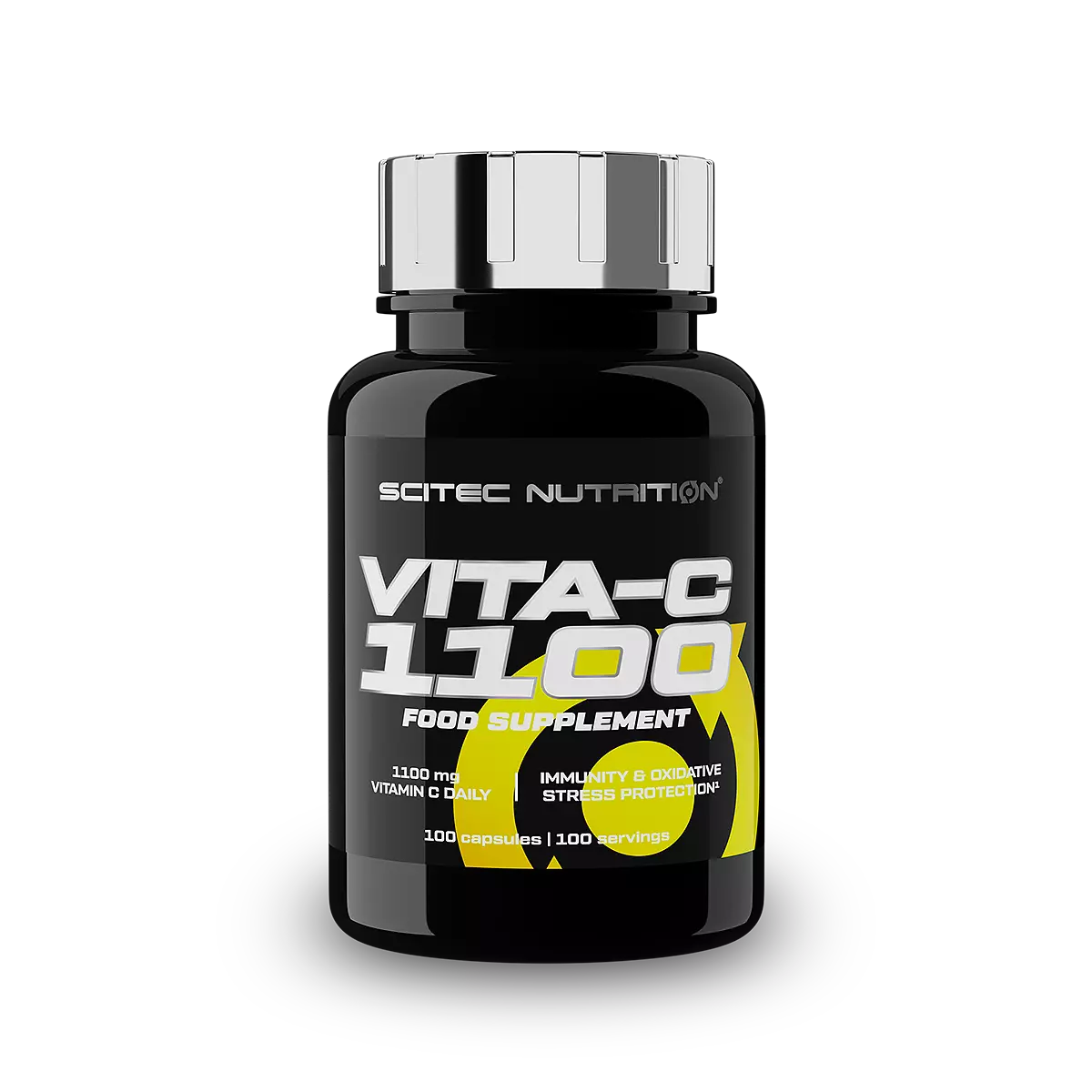
Daily intake of 500 mg vitamin C can significantly support immune function, especially in individuals with high physical activity. According to numerous scientific publications, including ISSN position stands, adequate levels of vitamin C are essential for collagen synthesis, antioxidant protection, and reduction of oxidative stress after intense workouts. This water-soluble vitamin plays a key role in the regeneration of other antioxidants, such as vitamin E, and is indispensable for connective tissue health.
In my practice with clients, I often observe that supplementing with vitamin C not only improves recovery but also reduces the frequency of colds and flu-like conditions, especially during periods of increased training volume or stress.
Insufficient vitamin C intake can lead to fatigue, weakened immune response, and delayed recovery. For athletes and active individuals, whose needs often exceed the recommended daily allowances for the general population, additional intake is not just an option, but often a necessity.
When choosing a vitamin C product, pay attention to the form: ascorbic acid is the most common, but buffered forms (such as sodium ascorbate) also exist, which are gentler on the stomach. Dosage should be tailored to individual needs and the intensity of physical activity, with 500-1000 mg daily being a good starting point for most active people.
- Scitec Nutrition Vita-C 1100 (100 caps) – 20.50 €
 Real Pharm Vitamin C Forte 90 таблетки – 8.18 €
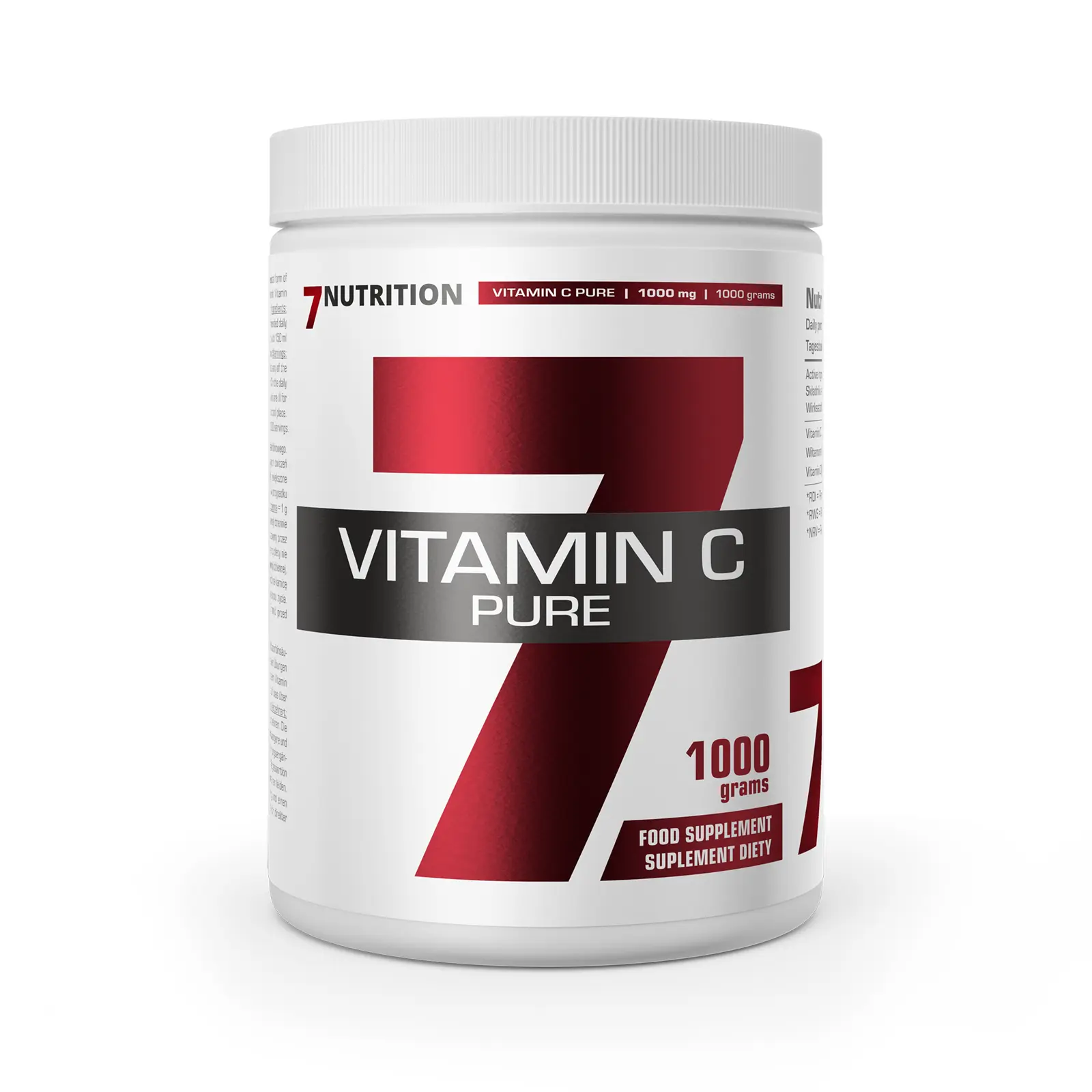 7Nutrition - VITAMIN C PURE 1000 g – 10.00 €
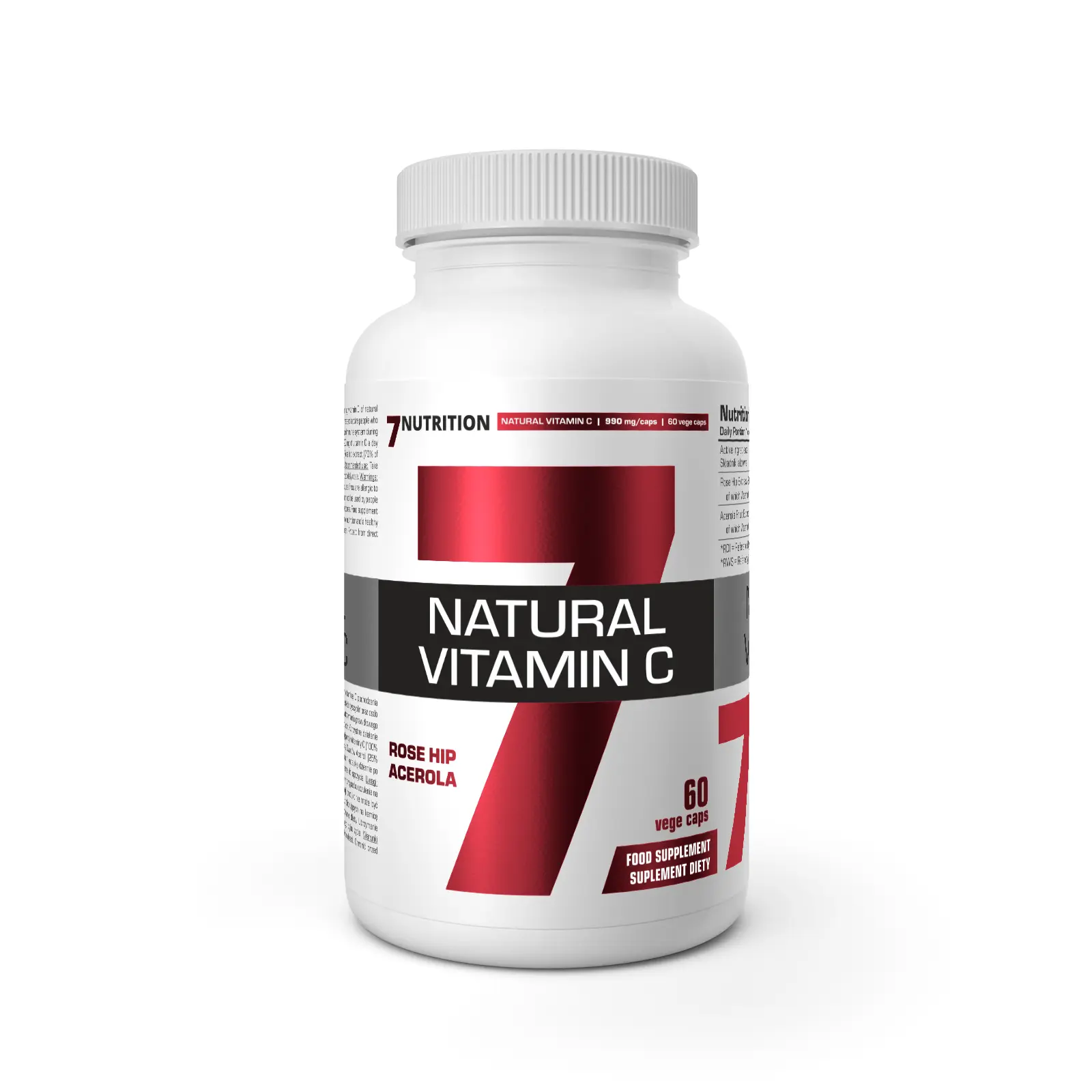 7Nutrition - NATURAL VITAMIN C 60 vege caps – 9.50 €
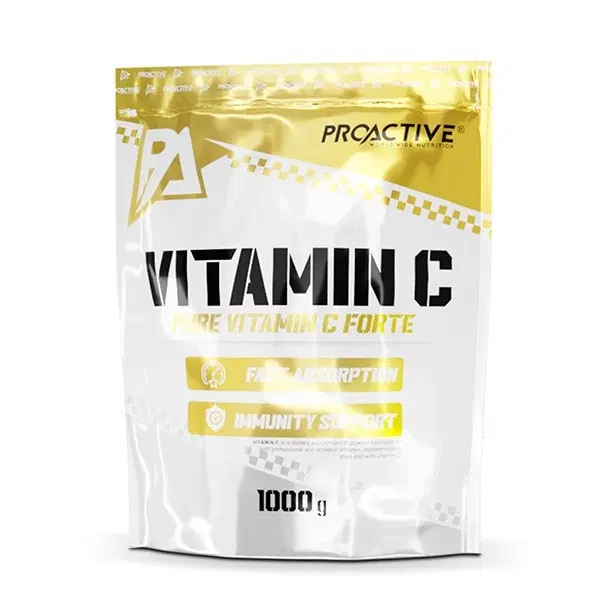 ProActive Vitamin C 1000g Powder – 6.52 €
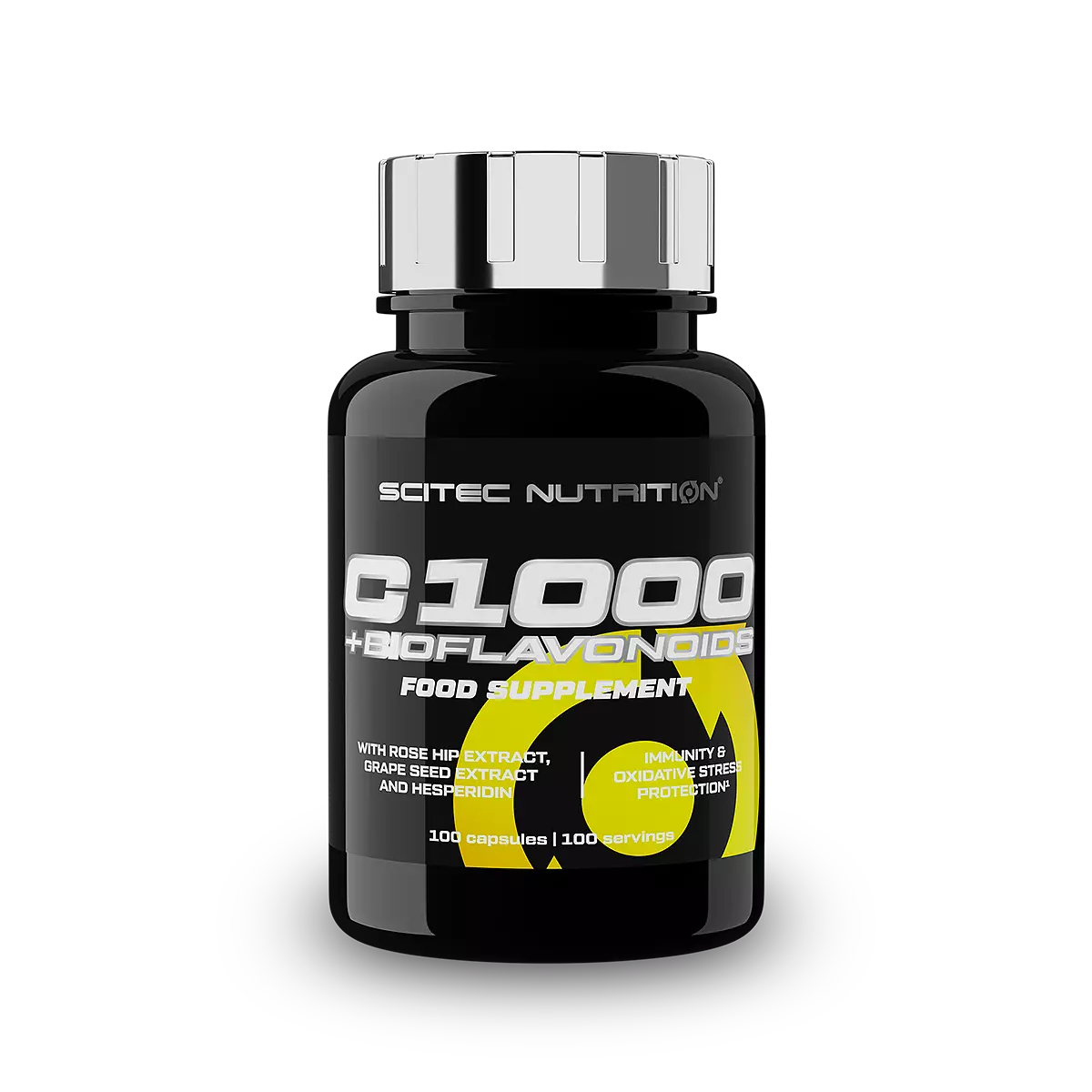 Scitec Nutrition C1000 + Bioflavonoids (100 caps) – 17.90 €
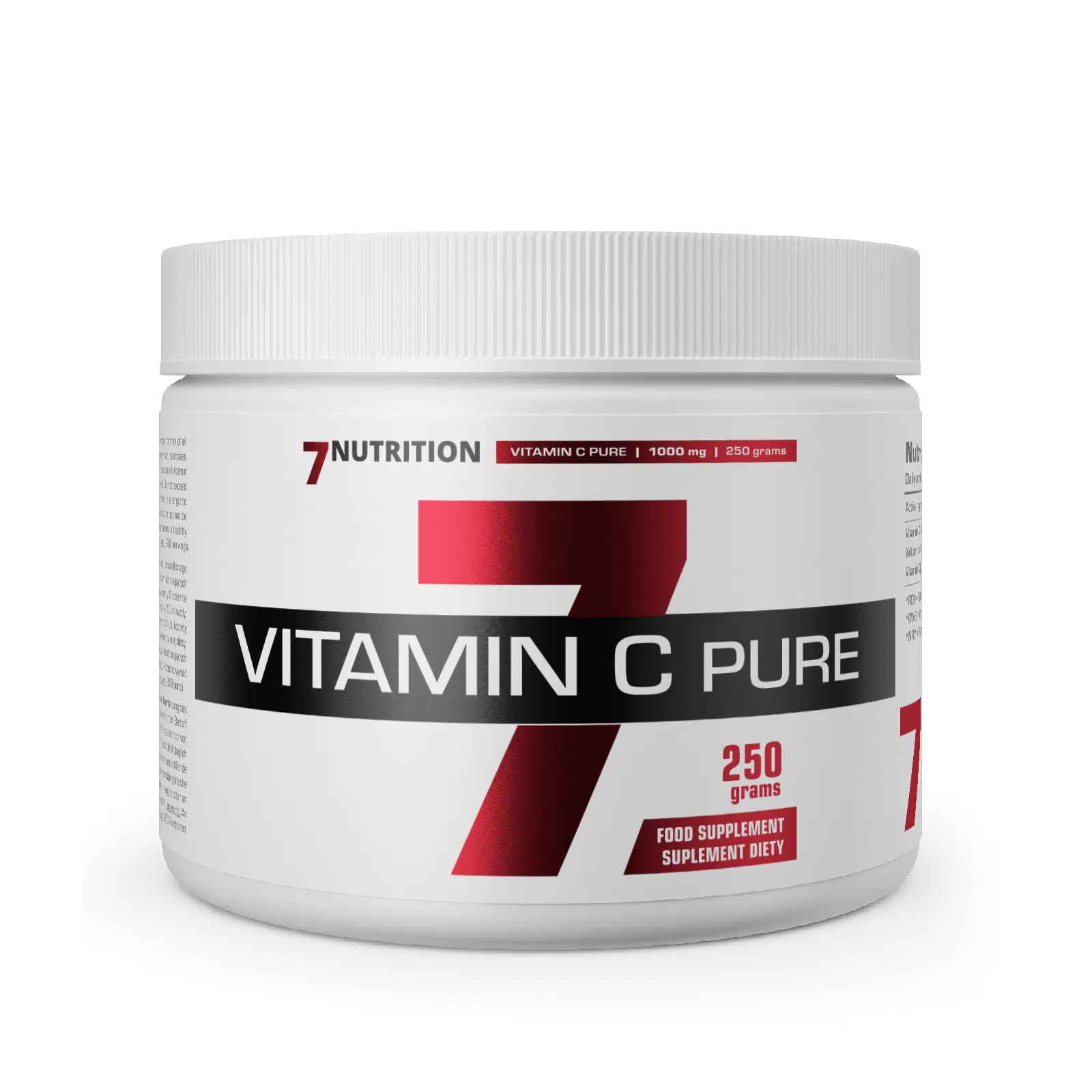 7Nutrition - Vitamin C PURE 250g – 7.80 €
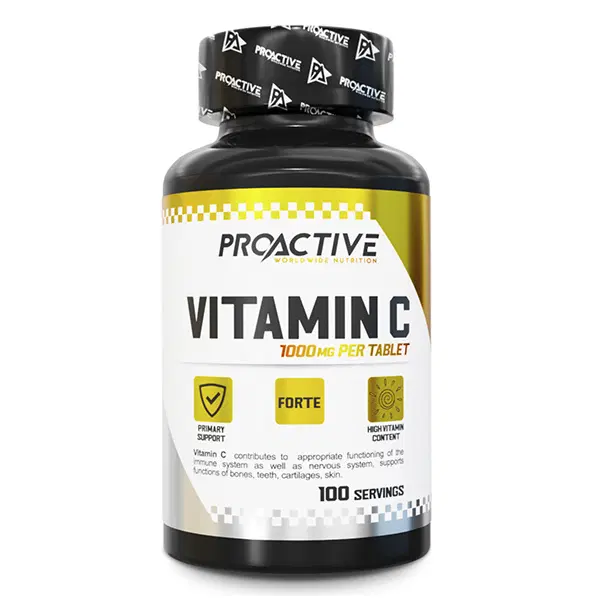 ProActive Vitamin C 1000mg 100 tabs – 7.16 €
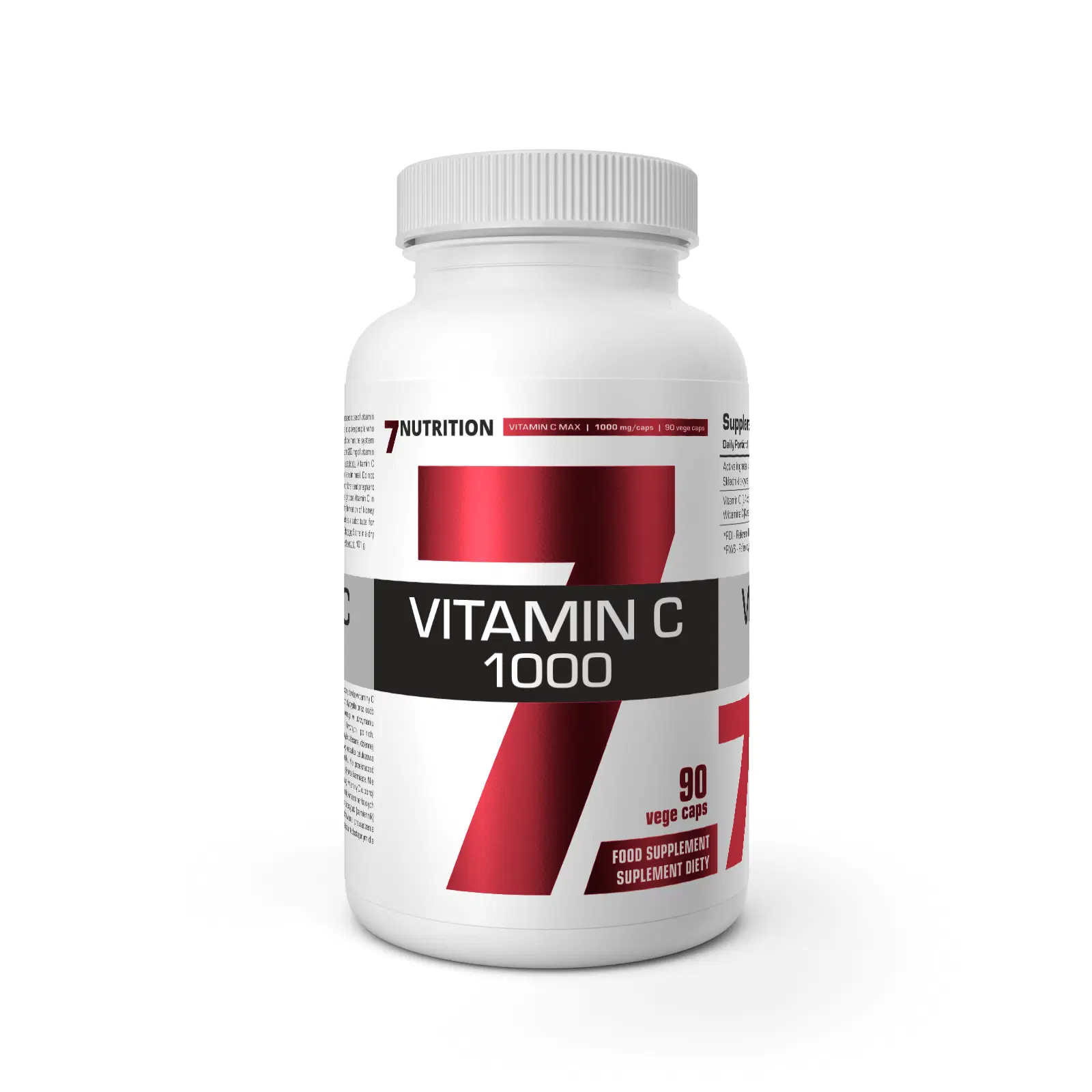 7Nutrition - Vitamin C 1000 90 caps – 9.20 €
 Real Pharm Vitamin C 1000 100 таблетки – 9.20 €
What Vitamin C Does
Vitamin C, or ascorbic acid, is much more than just an immunity supplement. It is a powerful antioxidant. It also aids in collagen synthesis. When you take it, you help your connective tissue, skin, and joints recover. Vitamin C is also important for iron absorption. And we know that iron is key for energy and blood formation.
Dosage and Timing
For most people, 500 to 1000 mg daily is sufficient. You can take it all at once with food or divided into two doses – morning and evening. If you train intensely or are sick, you can increase the dose to 2000 mg for a short period. Liposomal Vitamin C is better absorbed. A smaller dose, for example 500 mg, might be sufficient.
What I Pay Attention to When Choosing
When choosing Vitamin C, look at the form. Regular ascorbic acid is good, but liposomal is more expensive and absorbed more effectively. Liposomal technology encapsulates Vitamin C in fat cells, which protects it from degradation in the stomach and allows for better absorption. This is especially important if you have a sensitive stomach. I always check for quality certificates. They guarantee no fillers and unwanted ingredients. Some brands, like 7Nutrition or Real Pharm, offer good options for both forms.
Who Benefits From It
Everyone can benefit from Vitamin C. Especially people with an active lifestyle or those who often get sick. If you train 4-5 times a week, your body needs more antioxidants. If you don't eat enough fruits and vegetables, Vitamin C is essential. In winter, when customers come and ask how to protect themselves from the flu, I always recommend Vitamin C. It is a basic supplement and you can't go wrong with it.
Vitamin C and Collagen: A Natural Shield for Skin and Joints
Vitamin C is an indispensable cofactor in the synthesis of collagen—the main structural protein of skin, tendons, and joints. Without adequate intake, the body cannot build healthy connective tissue, which affects post-workout recovery and skin elasticity. Recommended dose for active athletes: 500–1000 mg daily, divided into 2 doses.
Bioavailable Forms: Liposomal vs. Buffered Vitamin C
Standard ascorbic acid can irritate the stomach at high doses. Liposomal Vitamin C is encapsulated in phospholipids and achieves up to 90% absorption. Buffered forms (calcium or magnesium ascorbate) are gentler on the digestive system. Ascorbyl palmitate is fat-soluble and works at the cellular level against oxidative stress.
Vitamin C Before Workout: Antioxidant Protection
Intense loads generate free radicals that slow down recovery. Taking 500 mg of Vitamin C 30 minutes before a workout reduces muscle soreness (DOMS) and accelerates cellular repair. The combination with Vitamin E enhances the effect by regenerating tocopherol.
Immunity and Winter Season: Real Prevention
Meta-analyses show that regular intake of Vitamin C shortens the duration of common colds by 8–14%. For athletes under physical stress, the effect is even more pronounced—up to 50% fewer respiratory infections at a dose of 1000 mg daily during the colder months.
Vitamin C + Iron: Improved Absorption
Vitamin C converts trivalent iron (Fe³⁺) into divalent iron (Fe²⁺), which is much better absorbed. Take your iron supplement with a glass of orange juice or 250 mg of Vitamin C—absorption increases up to 3 times. Especially important for vegetarians and women of reproductive age.