Vitamin D
Vitamin D deficiency affects over 1 billion people worldwide, making it one of the most prevalent nutrient deficiencies. As a sports nutritionist with 15 years of experience, I have observed how optimal levels of this vitamin are critical not only for bone health, but also for immune function, post-workout recovery, and even mood. In my practice, I often encounter athletes who, despite intense training and a balanced diet, have low vitamin D levels, especially during the winter months.
Vitamin D is more of a hormone than a vitamin, and it plays a key role in the absorption of calcium and phosphorus. Its intake is particularly important for athletes, as it maintains bone strength and can reduce the risk of fractures in high-impact sports. According to the ISSN position statement, adequate vitamin D levels are associated with improved muscle function and a reduced risk of injuries. Among my clients who optimized their vitamin D intake, I noticed faster recovery and a lower incidence of illness.
Choosing the right product is important. Prefer forms such as D3 (cholecalciferol), as it is more effective at raising serum 25(OH)D levels. Dosage should be tailored to individual needs and levels, but I often recommend between 2000 IU and 5000 IU daily for maintenance, and higher doses under medical supervision in cases of deficiency.
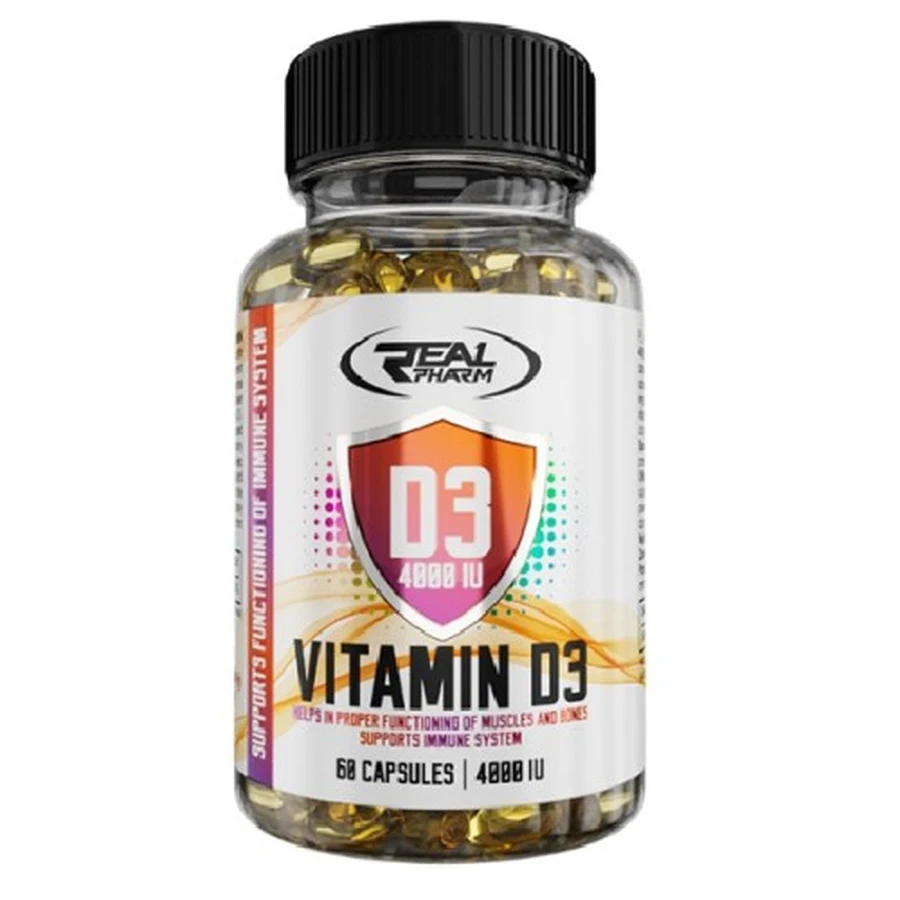
- Real Pharm Vitamin D3 4000 IU 60 капсули – 8.18 €
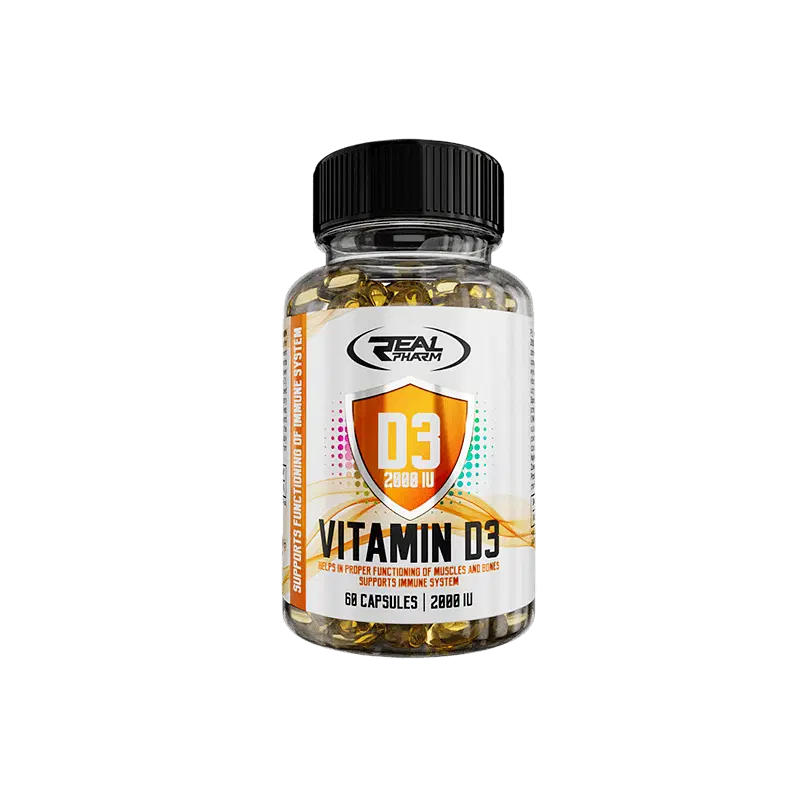 Витамин D3 2000 Real Pharm 60 дражета – 6.65 €
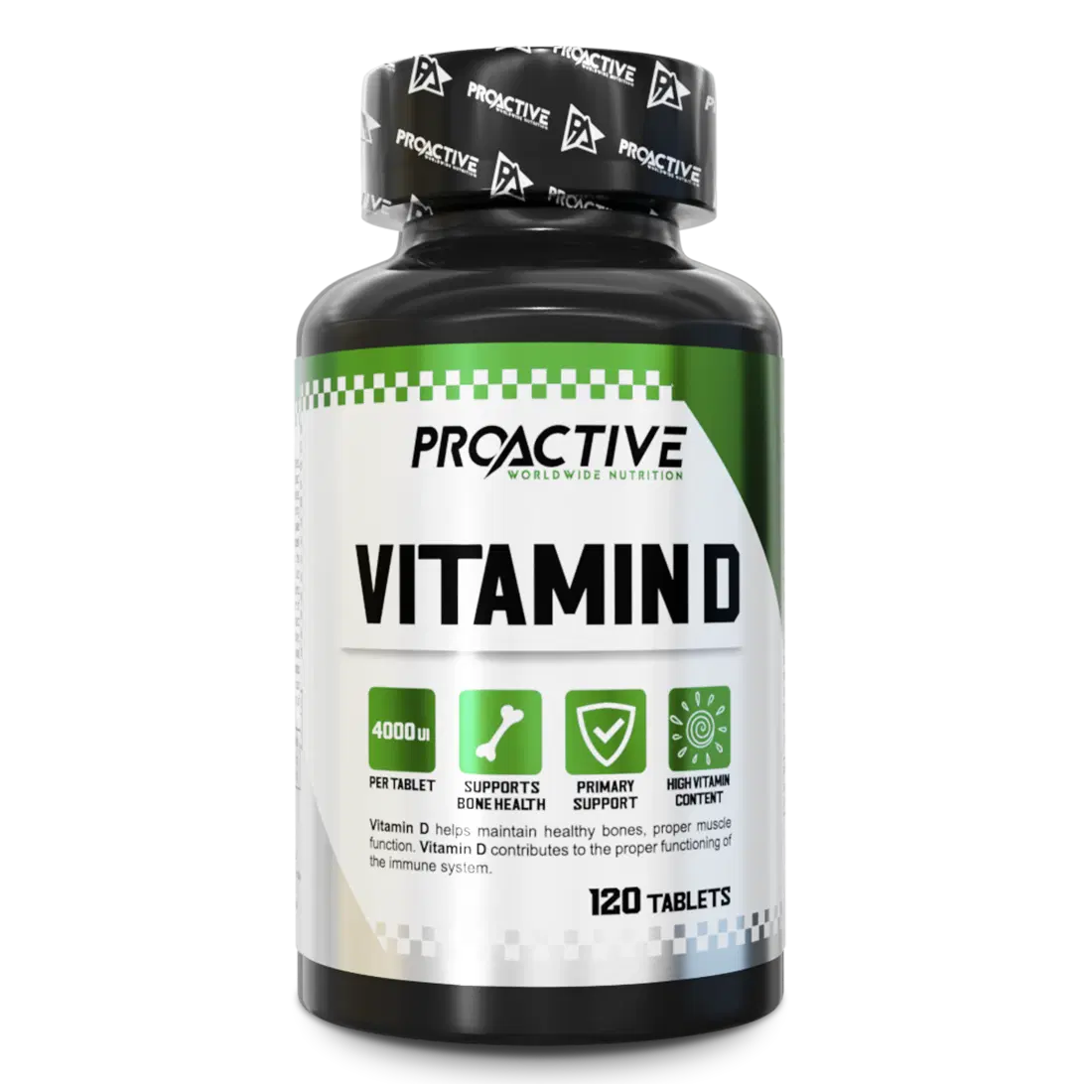 ProActive Vitamin D3 4000IU 120 tabs – 3.51 €
 Muscle Care - D3+K2 / 90tabs – 8.18 €
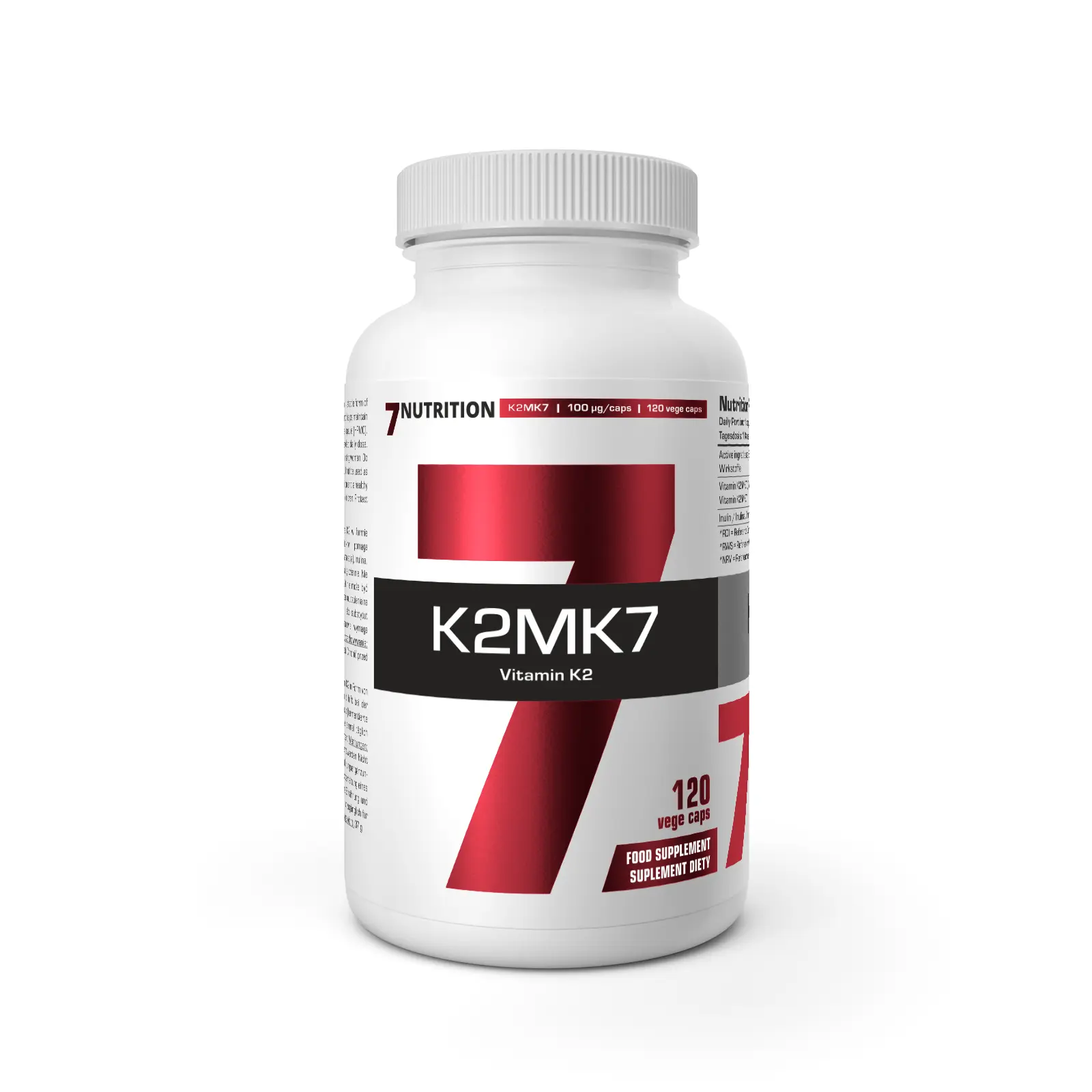 7Nutrition - K2 MK7 120 caps – 13.30 €
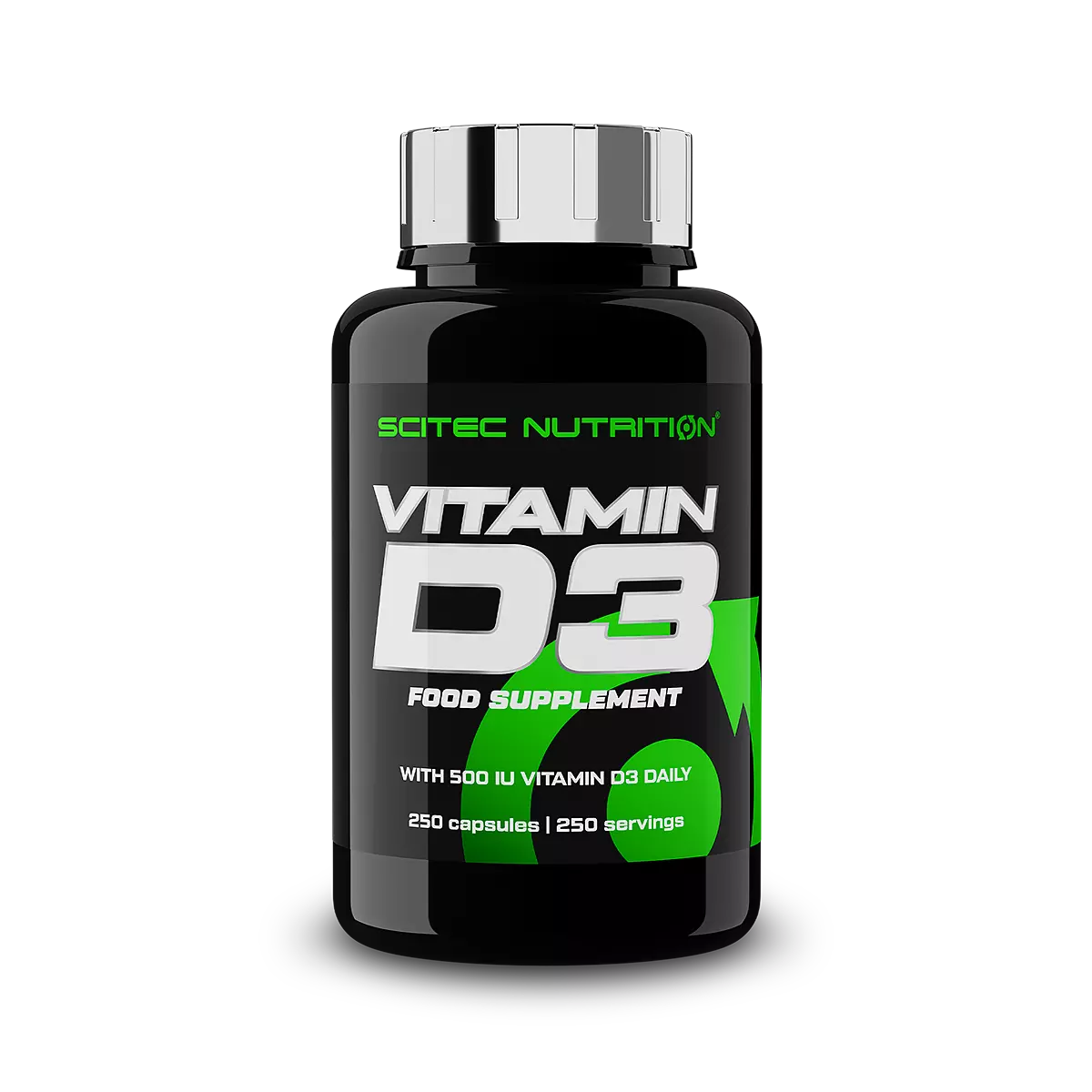 Scitec Nutrition Vitamin D3 (250 caps) – 25.90 €
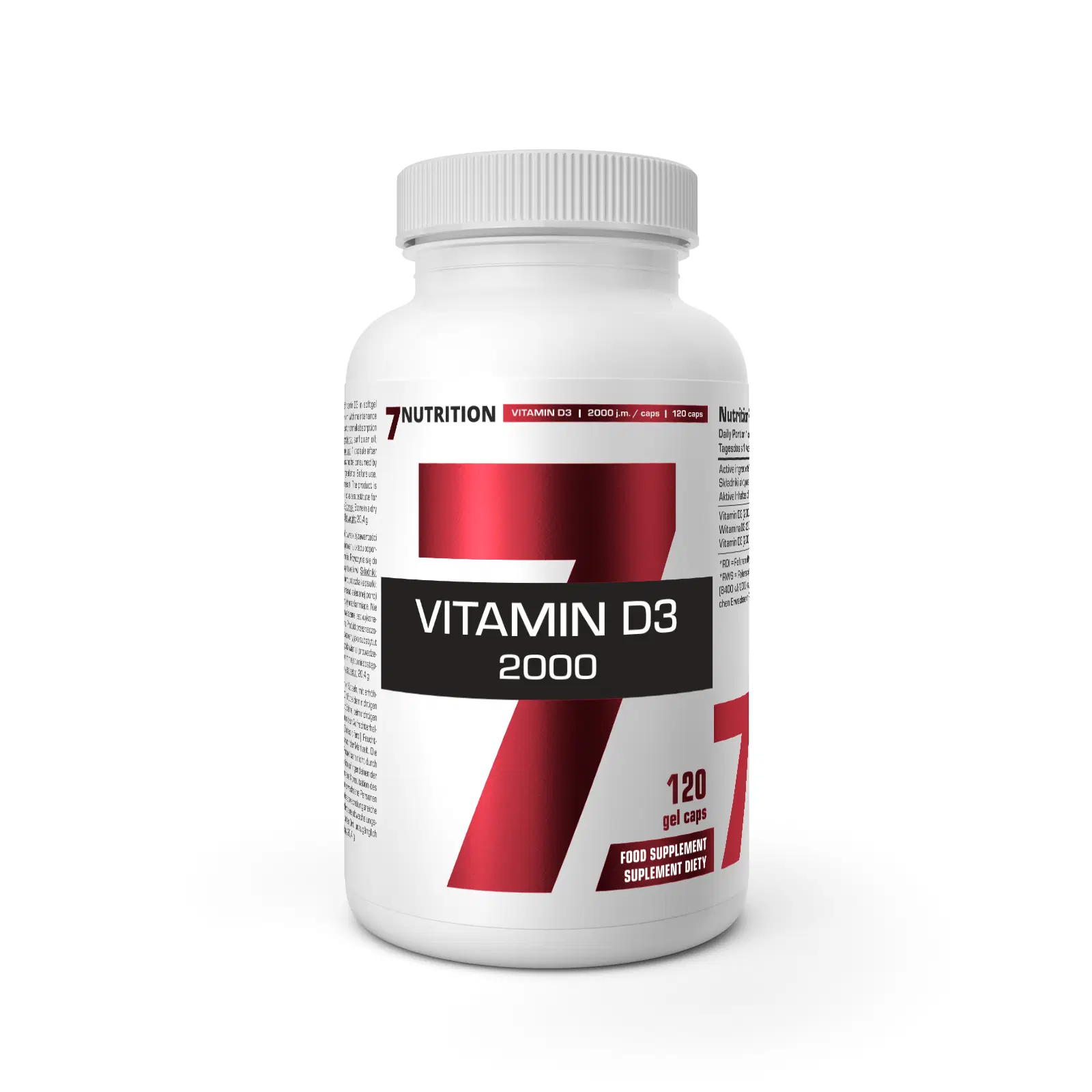 7Nutrition - Vitamin D3 2000 -120kaps – 8.00 €
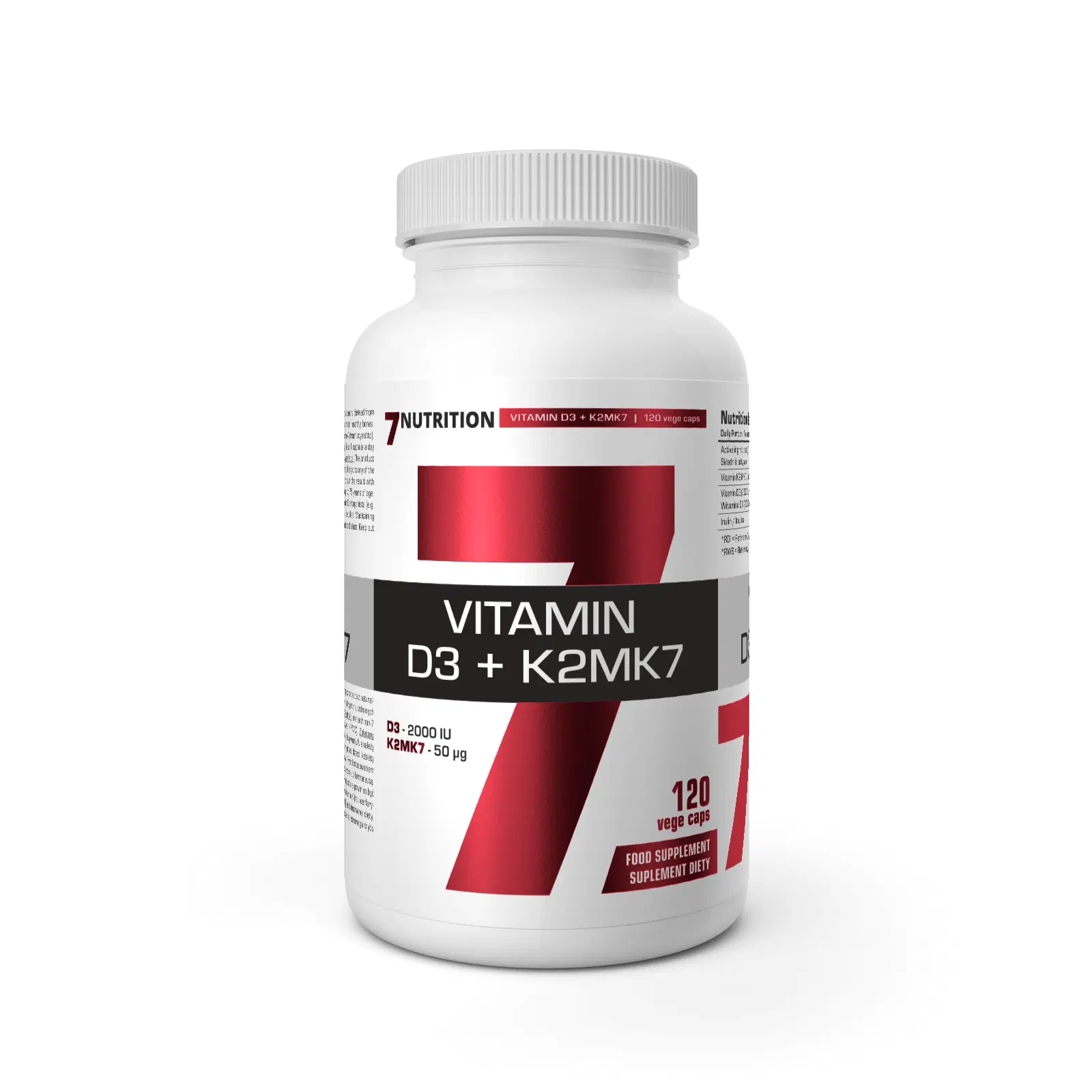 7Nutrition - VITAMIN D3+K2MK7 120 vege caps – 13.90 €
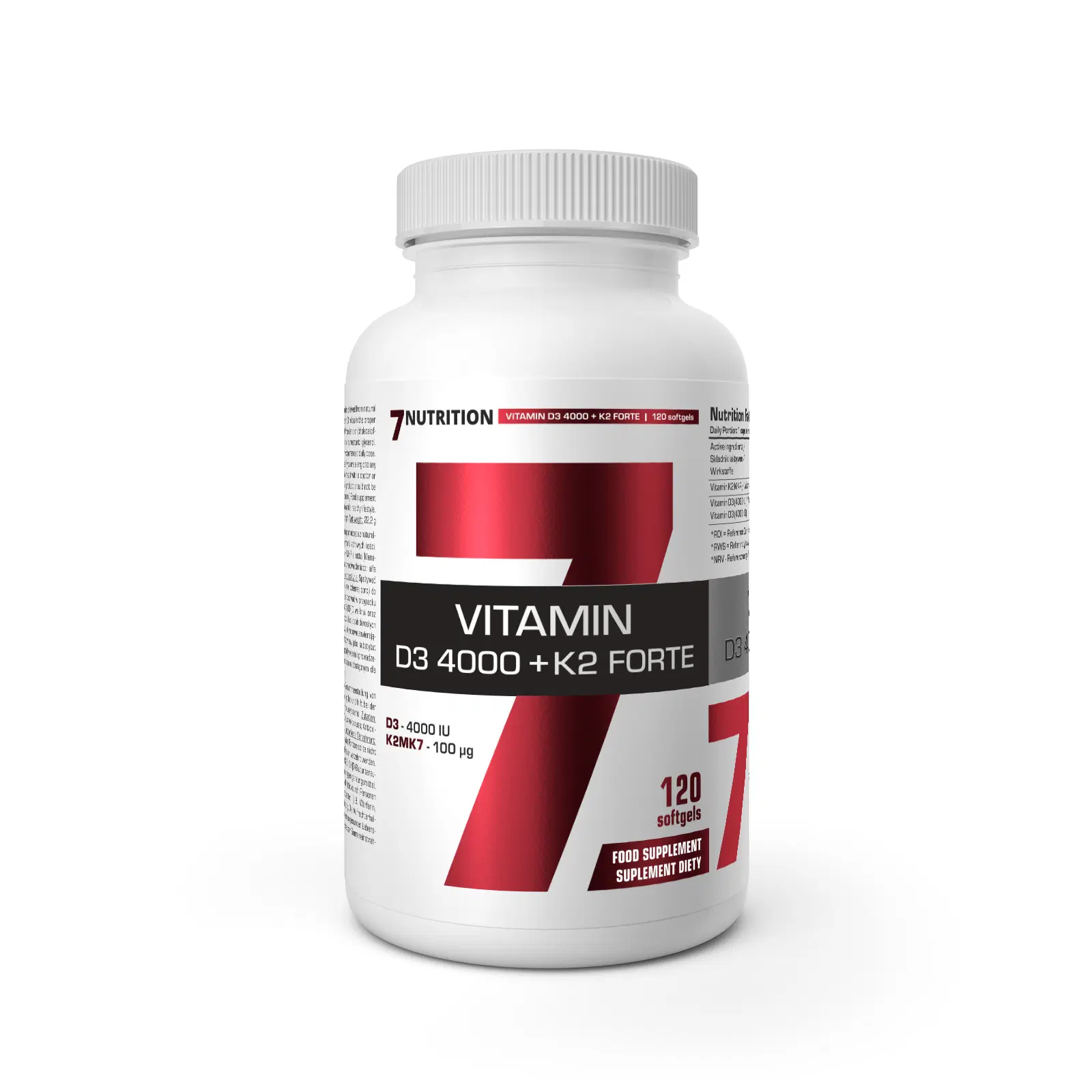 7Nutrition - VITAMIN D3 4000 + K2 FORTE 120 caps – 18.00 €
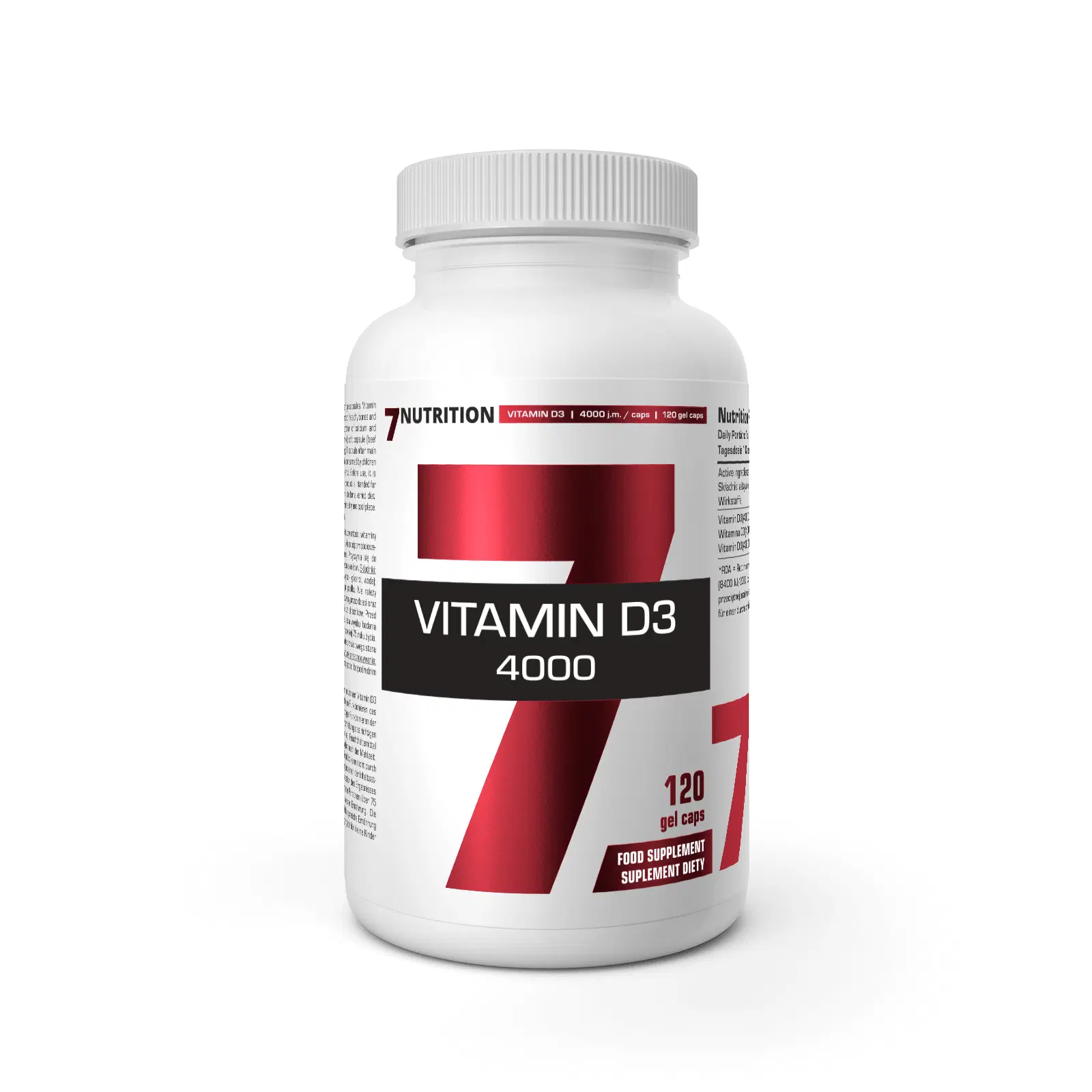 7Nutrition - Vitamin D3 4000 -120kaps – 15.00 €
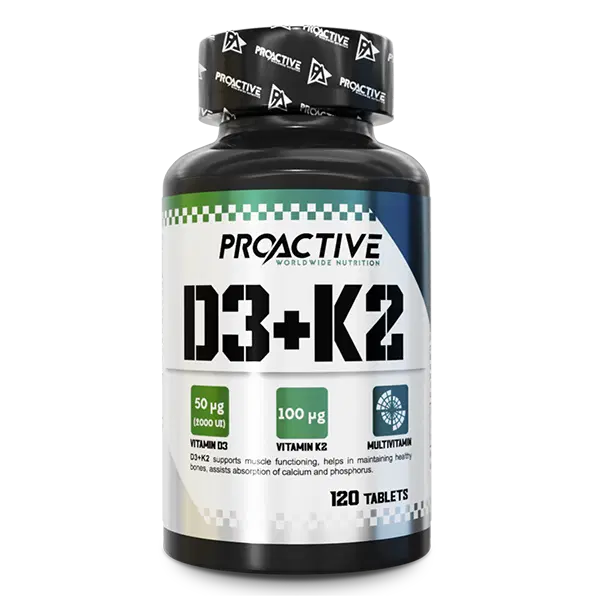 ProActive Vitamin D3+K2 2000IU 120 tabs – 3.48 €
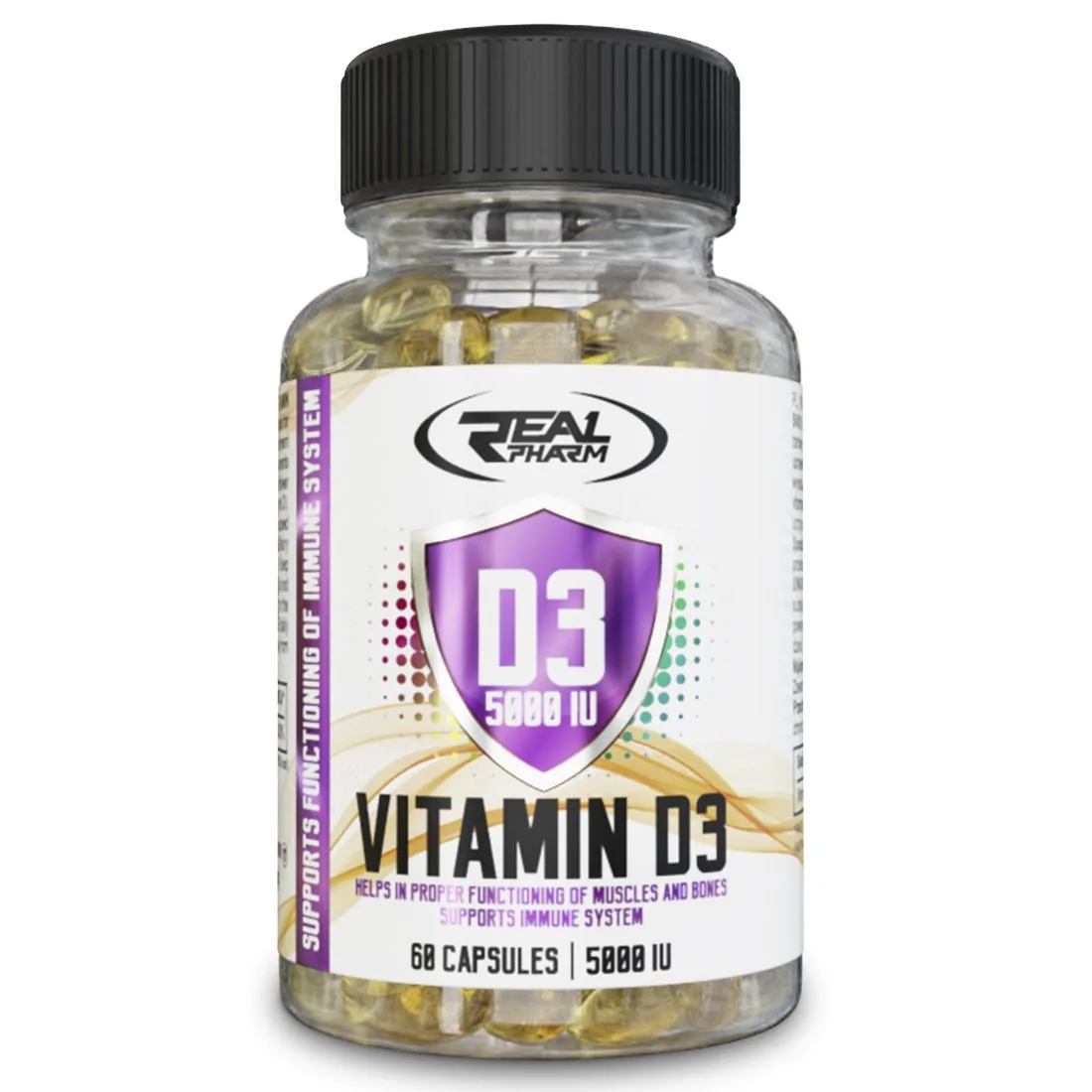 Витамин D3 5000 IU Real Pharm 60 софтгел капсули – 8.69 €
What does Vitamin D do?
Vitamin D regulates calcium and phosphorus in the body. This is important for bones and teeth. It supports immunity. In men, it helps with testosterone production.
Dosage and when
I recommend between 1000 and 4000 IU per day. It depends on how often you are outdoors. Take it in the morning, after breakfast. It is fat-soluble, so it's good to have fats with it. I personally take 2000 IU because I train indoors and rarely go out.
What I pay attention to when choosing
I always look for Vitamin D3 (cholecalciferol) because it is a more effective form. It's good if it's in capsules, not tablets. Check for certificates. 7Nutrition has a good Vitamin D3 of 2000 IU. AllMax Nutrition also offers a quality product. It is important that the dosage per capsule is clearly stated.
Who is it suitable for?
For anyone who trains indoors, as most people do in winter. For people with less sun exposure. For athletes who want to maintain their bone density. For men who want to maintain normal testosterone levels. In winter, clients come and ask about fatigue, frequent illness. I almost always recommend Vitamin D.
Vitamin D3: The Sunshine Ray for Your Health and Immunity
Known as the "sunshine vitamin," Vitamin D actually functions as a prohormone in the body, with its most potent and bioactive form being cholecalciferol (D3). It is synthesized in the skin under the influence of ultraviolet B (UVB) rays. However, this process is highly dependent on geographical latitude, season, time of day, and skin pigmentation, making deficiency common, especially in Bulgaria during the winter months. Vitamin D3 plays an indispensable role in numerous physiological processes, far beyond bone health. Adequate levels are crucial for maintaining a strong immune system, regulating cell growth, and supporting neuromuscular function, making it an essential element for overall well-being.
The Key Role of Vitamin D for Bone Health
The primary and most well-studied function of Vitamin D is the regulation of calcium and phosphorus metabolism. Cholecalciferol is absolutely necessary for calcium absorption in the intestines. Without sufficient Vitamin D, the body cannot absorb calcium from food, forcing it to extract it from bones, leading to their weakening and an increased risk of fractures. In children, severe deficiency causes rickets, and in adults – osteomalacia (softening of the bones) and osteoporosis. Maintaining optimal serum levels of Vitamin D is a fundamental strategy for building and preserving bone density throughout life, ensuring a healthy and resilient musculoskeletal system.
Boosting Immunity with Cholecalciferol (Vitamin D3)
Vitamin D is a powerful immunomodulator that affects both innate and acquired immunity. Vitamin D receptors (VDR) are found on most immune cells, including T-cells, B-cells, and macrophages. Their activation stimulates the production of antimicrobial peptides, such as cathelicidin, which are a first line of defense against pathogens, especially in respiratory infections. At the same time, cholecalciferol helps regulate the inflammatory response, preventing excessive cytokine reactions. Maintaining adequate levels of this sunshine vitamin is key to reducing the frequency and severity of infections and may play a role in the prevention of autoimmune conditions by maintaining immune homeostasis.
The Difference Between Vitamin D2 and D3: Which Form is More Effective?
Two main forms of Vitamin D are available on the market: ergocalciferol (D2) and cholecalciferol (D3). Vitamin D2 is derived from plant sources, such as mushrooms exposed to UV light. Vitamin D3 is the form synthesized in human skin and found in animal products such as fatty fish and egg yolk. Scientific consensus and numerous clinical studies show that Vitamin D3 is significantly more effective. It is more efficiently converted into the active form of the vitamin in the liver and maintains serum concentrations higher and for a longer period compared to D2. Due to this higher bioavailability and potency, cholecalciferol (D3) is the preferred form for supplementation.
Vitamin D Deficiency: Risk Factors and the Need for Supplementation
Deficiency of the "sunshine vitamin" is a global health problem affecting a huge percentage of the population. Key risk factors include insufficient sun exposure due to indoor living, use of sunscreens, living in northern latitudes, and darker skin pigmentation. Dietary sources of Vitamin D are limited and insufficient to meet daily needs. Therefore, supplementation with cholecalciferol (D3) is often not just recommended, but essential for maintaining optimal levels. Regular intake is important for bone health, immune system function, muscle strength, and the overall prevention of chronic diseases associated with its deficiency.