Vitamin E
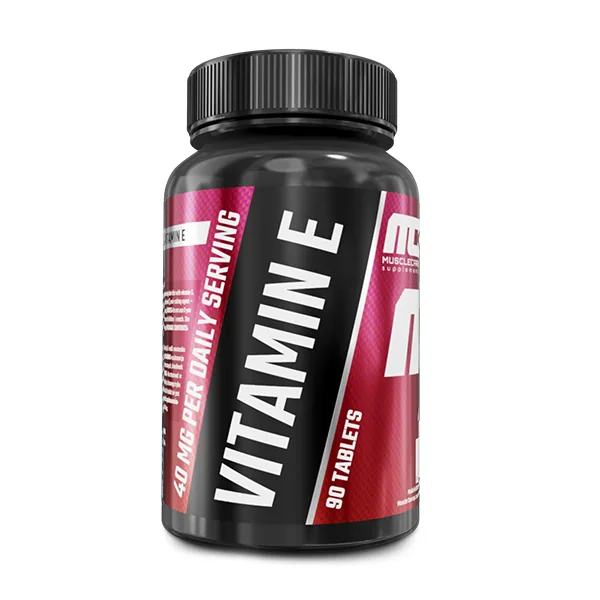
Vitamin E (Tocopherol): Powerful Antioxidant for Cellular Protection
Vitamin E is an essential fat-soluble nutrient that plays a critical role in protecting cells from oxidative stress. It belongs to a group of compounds including tocopherols and tocotrienols, with alpha-tocopherol being the most biologically active form. Its primary function is to act as a powerful antioxidant, neutralizing free radicals – unstable molecules that damage cell membranes, proteins, and DNA. This protective activity is essential for maintaining the integrity of every cell in the body. Taking Vitamin E as a supplement provides reliable antioxidant support that exceeds what is achievable through diet alone, protecting the body from chronic inflammation and cellular aging processes.
Benefits of Vitamin E for Skin Health and Youth
The benefits of vitamin E for the skin are widely recognized in dermatology and cosmetology. As a first line of defense, it accumulates in the cell membranes of skin cells, protecting them from the harmful effects of UV radiation and environmental pollutants. This powerful antioxidant effectively combats free radicals, which cause premature aging, the appearance of fine lines and wrinkles. In addition, vitamin E helps retain moisture in the skin, strengthening its barrier function and improving hydration. Regular intake contributes to more elastic, smooth, and radiant skin, accelerates regeneration processes, and soothes inflammation, making it an indispensable ally in the care of healthy skin.
Support for the Cardiovascular System with Vitamin E
Vitamin E is of utmost importance for maintaining a healthy cardiovascular system. Its powerful antioxidant activity plays a key role in preventing the oxidation of LDL (low-density lipoprotein) cholesterol. Oxidized LDL is a major factor in the development of atherosclerosis, as it contributes to the formation of plaques on artery walls. By protecting LDL from oxidation, alpha-tocopherol helps maintain the elasticity of blood vessels and normal blood circulation. This effect, combined with its ability to reduce platelet aggregation, positions vitamin E as an important element in the prevention of cardiovascular diseases and the maintenance of optimal cardiovascular health.
Vitamin E for Immune Function and Cognitive Health
In addition to its well-known benefits for skin and heart, vitamin E also plays a significant role in maintaining a strong immune system. Its antioxidant properties protect immune cells, especially lymphocytes, from oxidative damage, which improves the body's ability to fight infections. This effect is particularly important in older adults, whose immune response naturally weakens. In addition, vitamin E is important for cognitive health. It protects neurons in the brain from free radicals, thereby potentially contributing to slowing age-related cognitive decline and maintaining good memory and concentration.
Forms, Dosage, and Proper Choice of Vitamin E Supplement
When choosing a vitamin E supplement, it is important to pay attention to its form. Natural vitamin E (d-alpha-tocopherol) is more bioavailable and absorbed more effectively by the body compared to the synthetic form (dl-alpha-tocopherol). For optimal effect, products containing mixed tocopherols (alpha, beta, gamma, and delta) are recommended, as they provide a broader spectrum of antioxidant protection. Dosage varies according to individual needs, with therapeutic doses typically between 200 and 800 IU daily. Although it is found in foods such as nuts and seeds, taking a quality supplement ensures adequate levels for targeted support of the cardiovascular system and skin.