Yohimbine
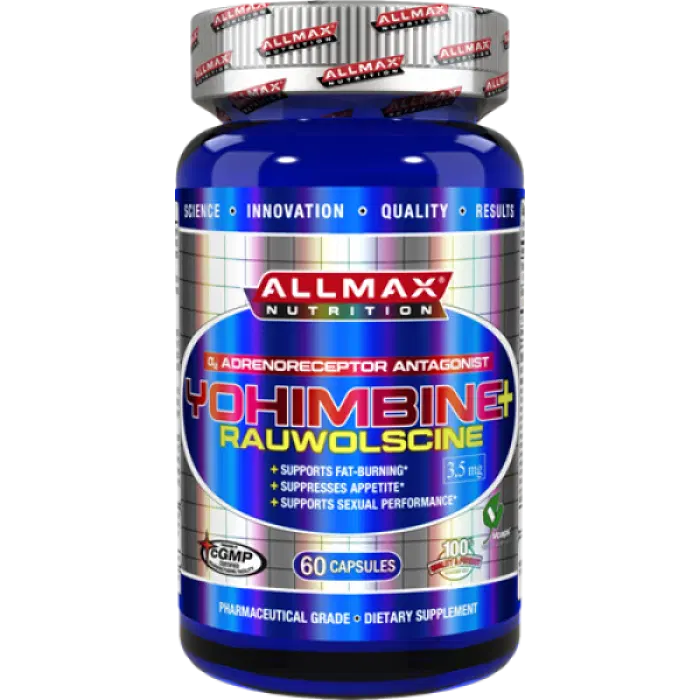
0.2 mg/kg body weight is the optimal dose of yohimbine for stimulating lipolysis, according to studies published in the Journal of the International Society of Sports Nutrition. This natural alkaloid, extracted from the bark of the Pausinystalia yohimbe tree, is a valuable tool in the arsenal of anyone aiming to reduce stubborn fat. Its mechanism of action involves blocking alpha-2 adrenergic receptors, which suppress norepinephrine release and hinder fat breakdown, especially in problematic areas such as the abdomen and thighs.
Its intake is most effective on an empty stomach, before low to moderate intensity cardio training, or between meals. It is important to avoid carbohydrate consumption around intake, as insulin neutralizes its effect. Observations from my 15 years of practice show that combining it with caffeine (100-200 mg) can enhance the thermogenic effect and improve focus during training.
How to choose
- Standardized extract: Look for products with a standardized composition, usually 8% yohimbine hydrochloride (Yohimbine HCl), which guarantees purity and effectiveness.
- Dosage: Start with a low dose (2.5-5 mg) and gradually increase to a maximum of 0.2 mg/kg body weight, divided into 2-3 doses daily.
- Manufacturer: Choose established brands with good reviews and transparency regarding ingredients.
Common mistakes
- Overdosing: High doses can lead to side effects such as palpitations, anxiety, increased blood pressure, and stomach discomfort. Always follow the recommended dosage.
- Taking with food: Food consumption, especially carbohydrates, significantly reduces the absorption and effectiveness of yohimbine.
- Inappropriate intensity: For optimal results, combine with low to moderate intensity cardio. High-intensity workouts can increase catecholamine levels, which can amplify side effects.
- Ignoring contraindications: Individuals with high blood pressure, heart disease, thyroid problems, or anxiety disorders should avoid its use.