Men's Health
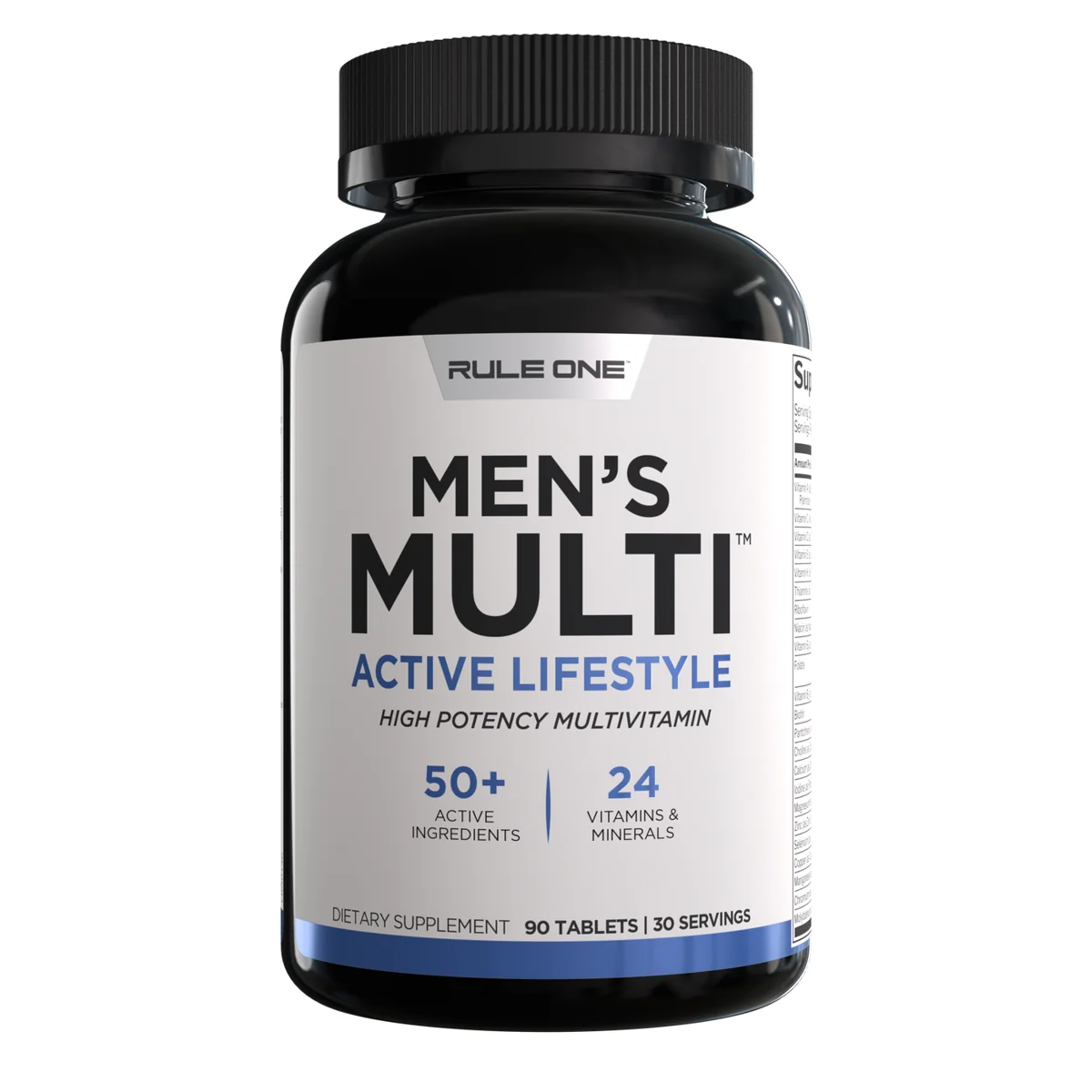
- Rule 1 R1 Men's Multi 90 таблетки – 19.99 €
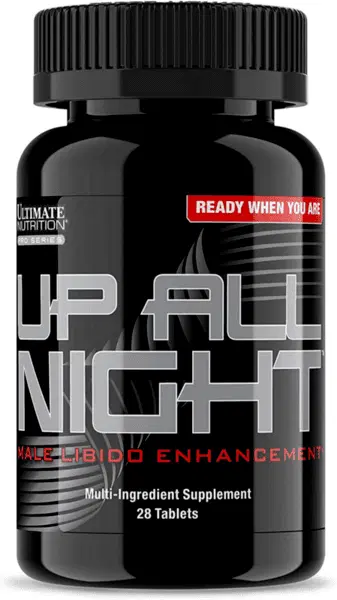 Натурален Секс Стимулант UP ALL NIGHT Ultimate Nutrition 28 таблетки – 34.99 €
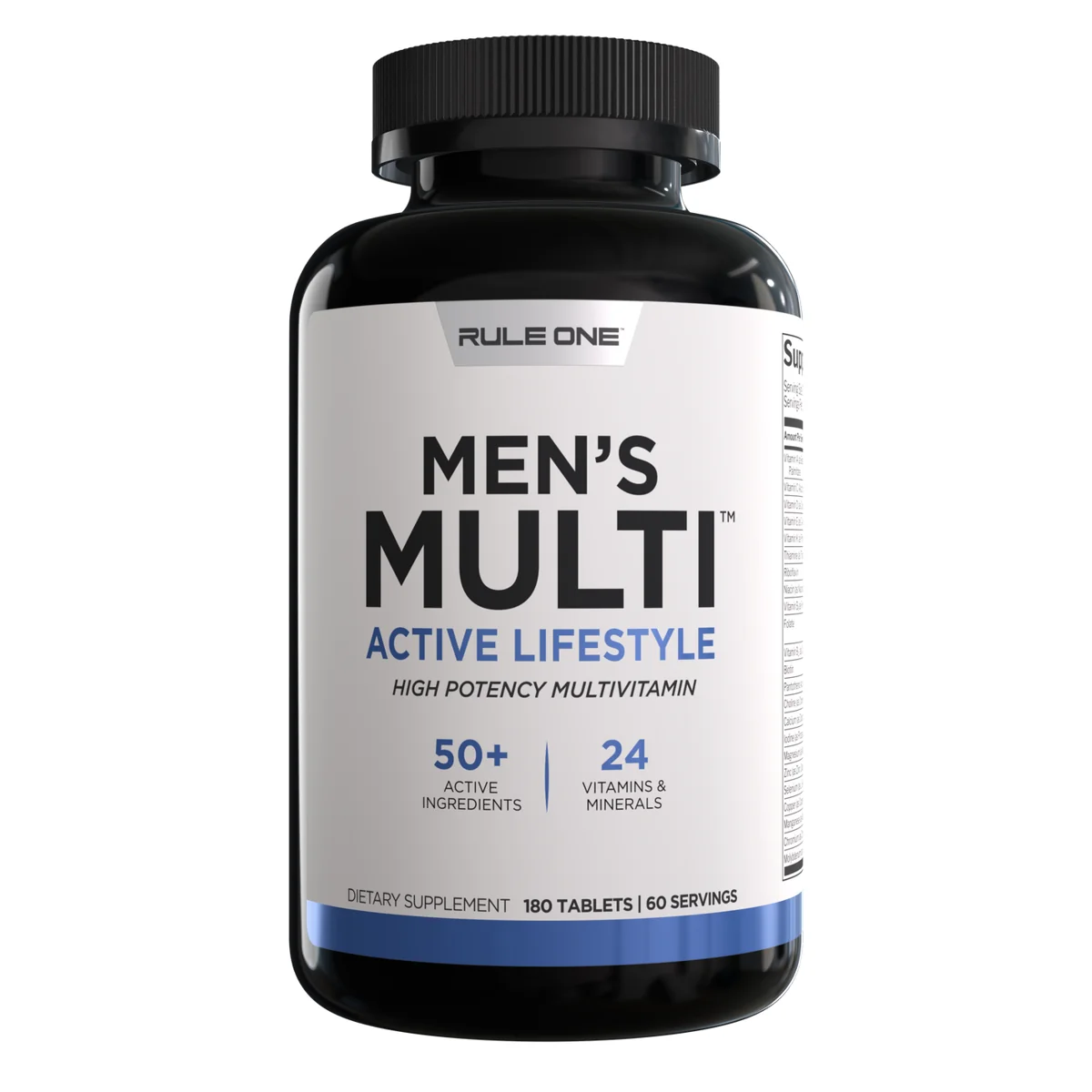 Rule 1 R1 Men's Multi 180 таблетки – 34.99 €
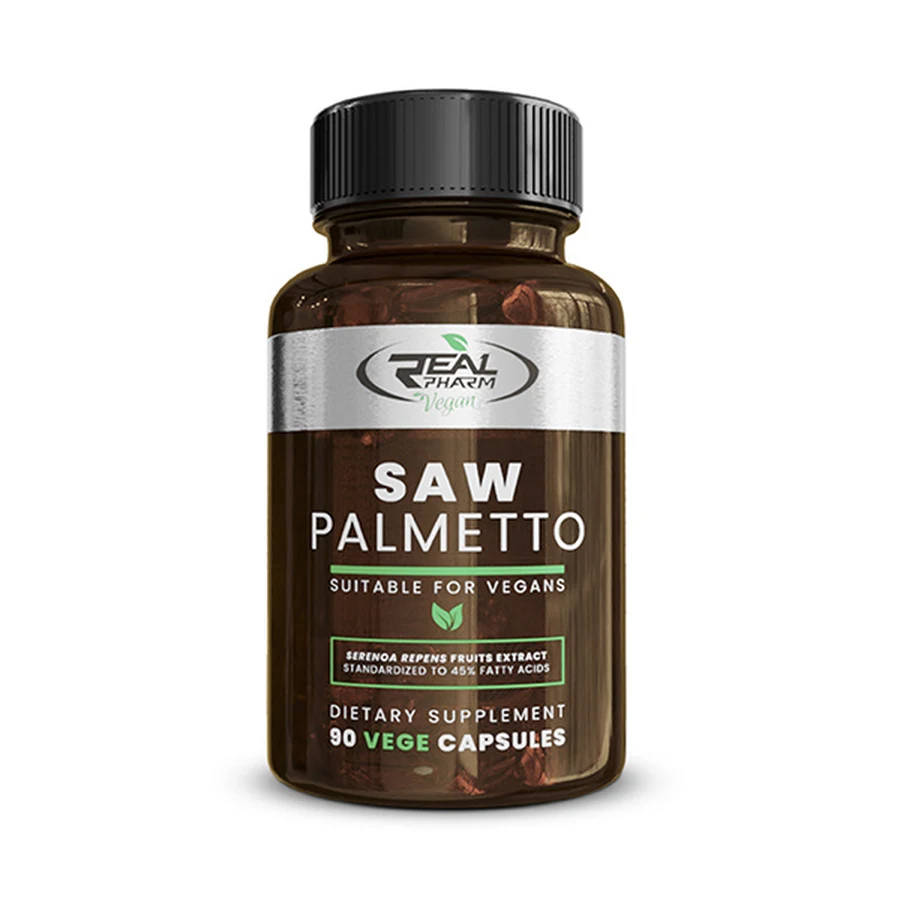 Real Pharm Saw Palmetto 90 капсули – 9.71 €
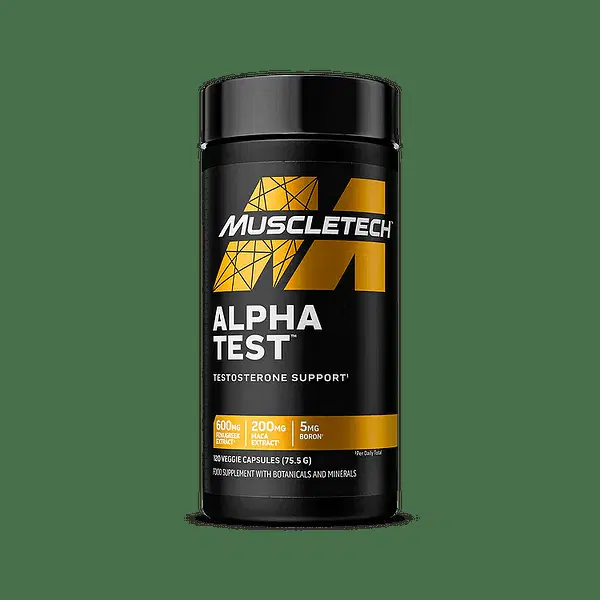 Alpha Test MuscleTech 120 капсули – 62.29 €
30% of men over 30 experience a decrease in testosterone, which affects energy, muscle mass, and libido. Optimal male health requires a comprehensive approach, including proper nutrition, adequate physical activity, and targeted supplementation.
To maintain hormonal balance, it is crucial to consume enough zinc (15-30 mg daily), magnesium (300-400 mg daily), and vitamin D3 (2000-4000 IU daily). These micronutrients play a decisive role in testosterone synthesis and overall well-being. Protein intake should be around 1.6-2.2 grams per kilogram of body weight, distributed evenly throughout the day, to maintain muscle mass and aid recovery after workouts.
Physical activity is indispensable. Include 3-5 strength training sessions per week, focusing on basic exercises such as squats, deadlifts, bench presses, and rows. Cardio workouts, for example, 30 minutes of moderately intense running or cycling 3 times a week, improve cardiovascular health and endurance.
How to choose
- Protein: Choose whey protein isolate or hydrolysate for rapid absorption after training. For evening intake, casein is an excellent choice due to its slow release.
- Vitamins and minerals: Look for complex formulas that include active forms of vitamins (e.g., methylcobalamin for B12) and chelated forms of minerals for better absorption.
- Testosterone boosters: Products with proven ingredients such as D-aspartic acid (D-AA) at a dose of 3g daily, tribulus terrestris, or fenugreek extract can support natural testosterone production, but it is important to consult a specialist.
- Omega-3 fatty acids: Daily intake of 1-2 grams of EPA and DHA is essential for cardiovascular health and reducing inflammation.
Common mistakes
- Neglecting sleep: Less than 7 hours of sleep per night can reduce testosterone levels by up to 15%, according to JISSN.
- Insufficient water intake: Dehydration negatively affects metabolism and physical performance. Aim for 3-4 liters of water daily.
- Excessive consumption of processed foods: These foods are often poor in nutrients and rich in sugars and unhealthy fats, leading to inflammation and hormonal imbalance.
- Lack of variety in workouts: Repeating the same exercises leads to plateaus and reduces the effectiveness of the training process.