ZMA
Over 80% of men may not be getting enough zinc and magnesium from their diets, two crucial minerals for numerous bodily functions. ZMA, a popular supplement combining Zinc Monomethionine Aspartate, Magnesium Aspartate, and Vitamin B6, is specifically formulated to address these deficiencies, particularly in active individuals. This powerful trio works synergistically to support muscle growth, improve sleep quality, and enhance overall athletic performance.
For instance, zinc plays a vital role in testosterone production and immune function, while magnesium is essential for muscle contraction, nerve function, and energy metabolism. Vitamin B6 further aids in the absorption and utilization of both zinc and magnesium. Incorporating ZMA into your routine can help optimize recovery after intense workouts and contribute to better hormonal balance.
A specific tip: always take ZMA on an empty stomach, ideally 30-60 minutes before bedtime, to maximize absorption and avoid competition with other minerals like calcium.
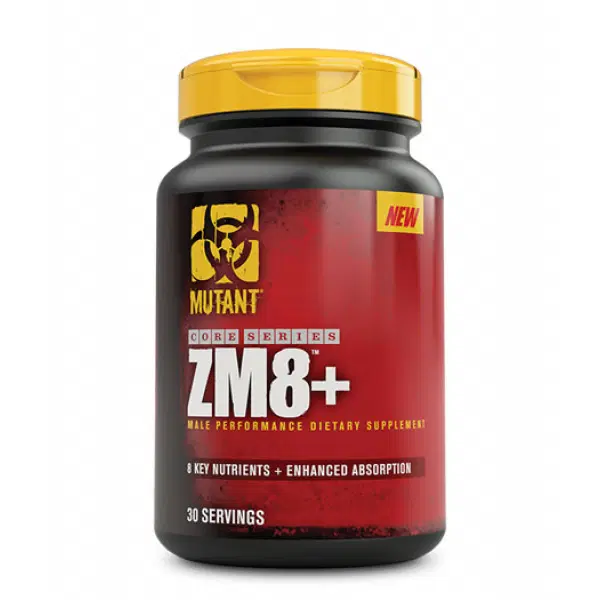
- MUTANT ZM8+ / 90caps – 15.00 €
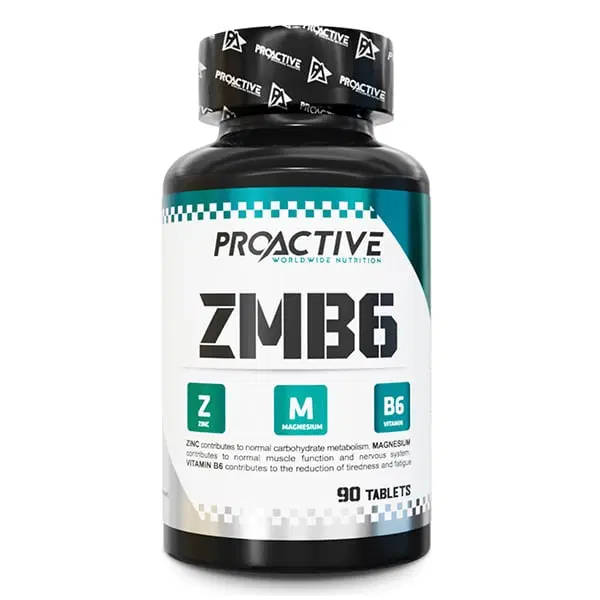 ProActive ZMB6 Zinc Magnesium Vit. B6 90 tabs – 7.67 €
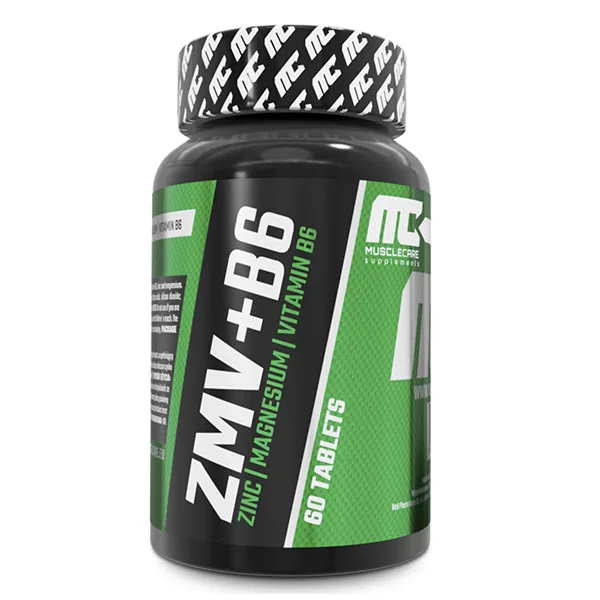 Muscle Care ZMV-B6 цинк, магнезий и витамин B6 60 таблетки – 6.65 €
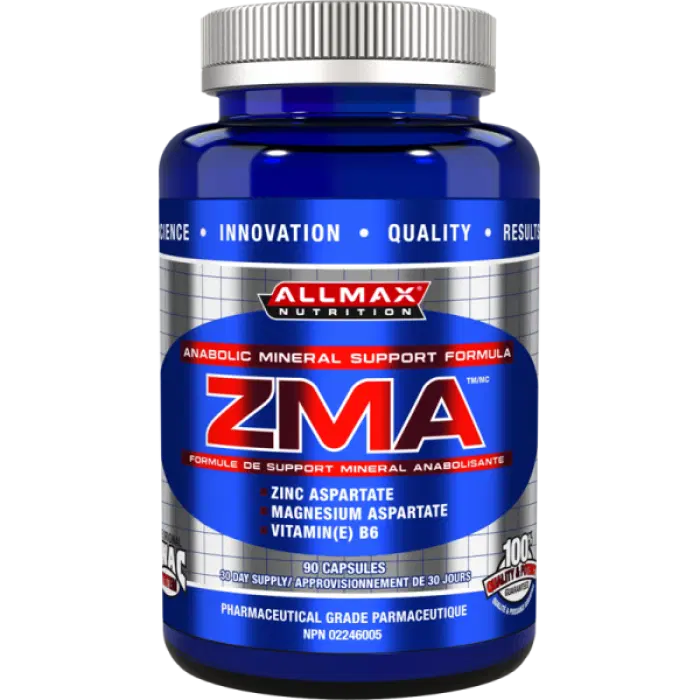 AllMax - ZMA / 90caps – 23.01 €
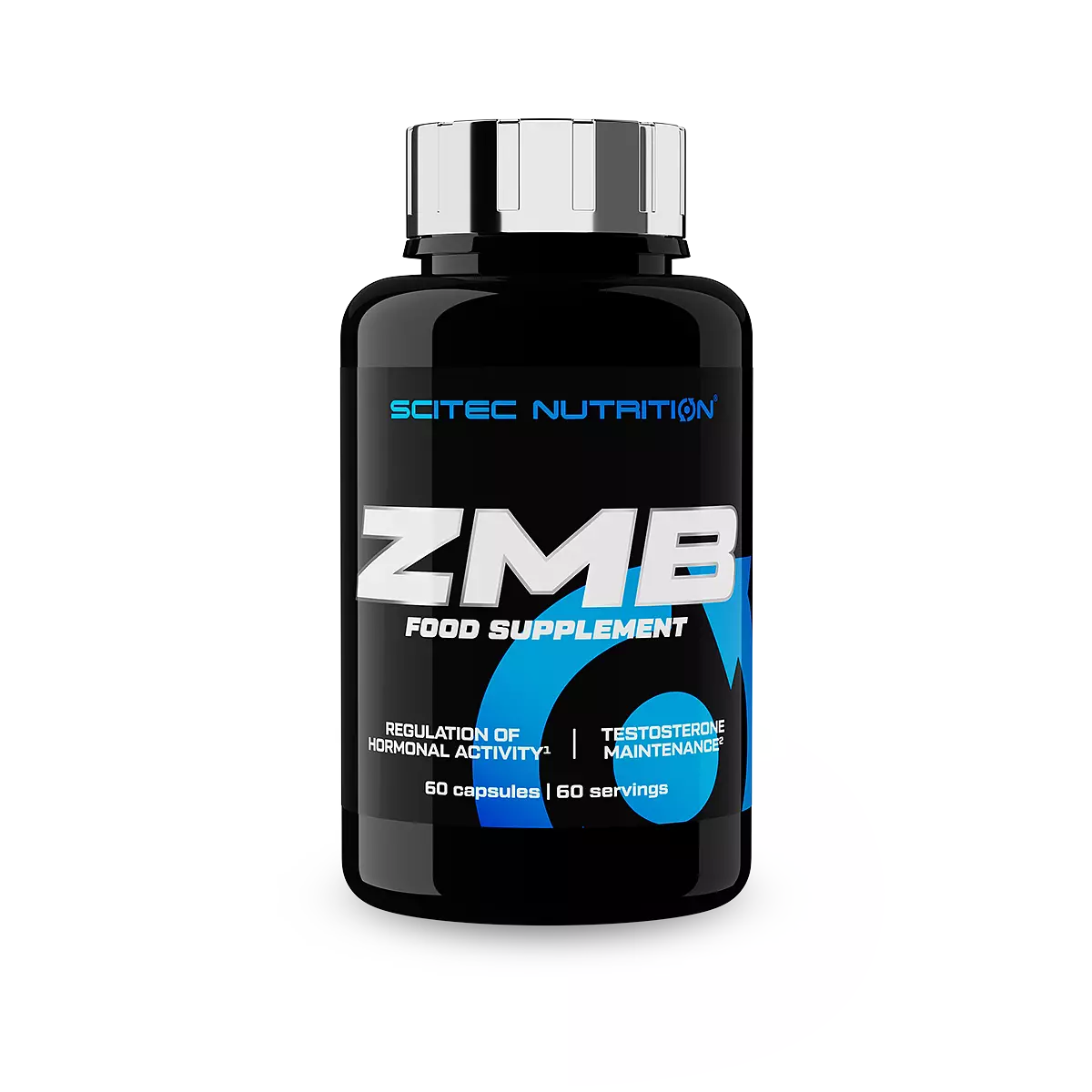 Scitec Nutrition ZMB (60 caps) – 15.90 €
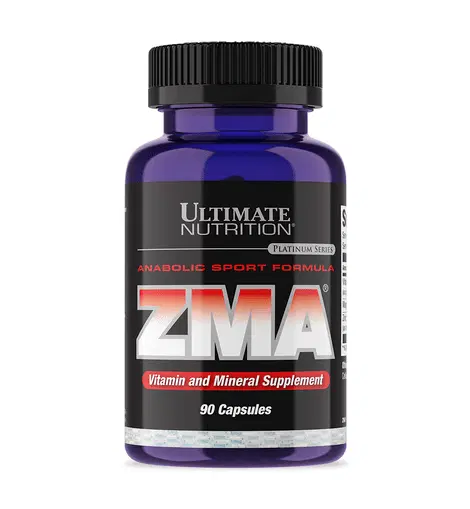 ZMA Ultimate Nutrition 90 капсули – 49.99 €
Choosing the right ZMA supplement can significantly impact your results. When looking for a ZMA product, prioritize those that use patented forms of zinc and magnesium, such as Zinc Monomethionine Aspartate and Magnesium Aspartate. These forms are designed for superior bioavailability compared to cheaper, less effective alternatives like zinc oxide or magnesium oxide.
Examine the label carefully for the precise dosages. A standard effective dose typically provides around 30mg of zinc, 450mg of magnesium, and 10-11mg of vitamin B6. Be wary of products that offer proprietary blends without disclosing individual ingredient amounts, as this can often mask underdosed components.
Common mistakes to avoid include taking ZMA with calcium-rich foods or supplements, as calcium can interfere with zinc absorption. Also, ensure you are not already consuming high doses of zinc or magnesium from other supplements to prevent potential toxicity. Always check for third-party testing certifications to ensure product purity and potency, guaranteeing you receive a high-quality, effective supplement.
The Science Behind ZMA: Three Elements, Powerful Synergy
As someone who has tried almost everything, I can tell you that the magic of ZMA lies in the combination, not in the individual ingredients. Your body uses zinc for hundreds of enzymatic reactions, including protein synthesis and testosterone production. Magnesium, on the other hand, is the king of relaxation – it relaxes muscles and the nervous system by activating the parasympathetic division, which is responsible for rest and recovery. Without enough magnesium, sleep is shallow and fragmented. And vitamin B6? It's the catalyst. B6 not only improves the absorption and transport of zinc and magnesium to cells, but also participates in the production of neurotransmitters like serotonin and melatonin. Thus, you get not just a sum of three elements, but a working system for deeper sleep and an optimized hormonal environment.
Optimal Intake: When and How Much for Real Effect
There's no room for improvisation here; timing is everything. The classic and most effective dose I always recommend for men is around 30 mg of zinc, 450 mg of magnesium, and 10-11 mg of vitamin B6. For women, the doses are slightly lower, usually about 2/3 of the male dose. The most important rule, which many people overlook: take ZMA 30 to 60 minutes before bed, and always on an empty stomach. This means at least 2 hours after your last meal. Why? Because calcium, found in dairy products and many foods, fiercely competes with zinc and magnesium for absorption. If you take it with your dinner or with a glass of milk, you're just throwing your money away. Remember – evening, on an empty stomach, shortly before sleep.
Pitfalls of ZMA Intake: What NOT to Do
The biggest mistake I constantly see is taking ZMA with food, especially food rich in calcium. This, as I said, completely compromises absorption. The second mistake is overdosing with the idea of a "faster effect." More is not better. Excessively high doses of zinc for a long period can disrupt the balance with copper in the body and lower good HDL cholesterol. An excess of magnesium will almost certainly lead to gastrointestinal discomfort and diarrhea. Another pitfall is irregular intake. ZMA is not a nitric oxide booster that you feel immediately. Its effect accumulates over time. Finally, if you have chronic kidney problems, consulting a doctor before taking magnesium is absolutely mandatory.
Smart Combining: What to Boost ZMA With?
ZMA works great on its own, but for maximalists like me, there are a few intelligent combinations. If your goal is absolute optimization of sleep and relaxation, adding GABA (Gamma-aminobutyric acid) or L-Theanine in the evening along with ZMA can have a great synergistic effect. They work through different pathways to calm the nervous system. If the focus is on natural testosterone support, the combination with D-Aspartic Acid (DAA) is a classic. ZMA provides the building blocks (zinc), while DAA acts as a signaling agent in the brain and testes. Ashwagandha can also be added, which helps control cortisol – the stress hormone that is an enemy of testosterone. Just be careful not to take them simultaneously with a calcium supplement.
Who is ZMA for and Who Should Skip It?
ZMA is an almost essential supplement for any serious athlete. We lose significant amounts of zinc and magnesium through sweat, and intense training increases the body's need for recovery. If you sweat a lot, sleep poorly, get muscle cramps, or simply feel that you're not fully recovering, ZMA is for you. On the other hand, if you are not physically active, eat a perfectly balanced diet with lots of nuts, seeds, meat, and leafy greens, and sleep like a baby – you may not need it. Also, if you already have naturally high testosterone levels, don't expect miracles in that direction. For you, the benefit will primarily be improved sleep and recovery, which in itself is priceless.