BCAA αμινοξέα και ποδηλατική απόδοση: Τι λέει η επιστήμη;
Επιστημονικά δεδομένα δείχνουν ότι η πρόσληψη BCAA (αμινοξέα διακλαδισμένης αλυσίδας) πριν και κατά τη διάρκεια παρατεταμένης ποδηλασίας μπορεί να βελτιώσει σημαντικά την αντοχή και να μειώσει την αίσθηση κόπωσης σε ερασιτέχνες ποδηλάτες.
What are BCAA amino acids?
Branched-chain amino acids (BCAAs) include three essential amino acids — leucine, isoleucine, and valine. They cannot be synthesized by the human body and must be obtained through diet or supplements. BCAAs account for about 35% of the essential amino acids in muscle tissue and play a key role in energy metabolism during physical exertion.
The role of BCAAs in prolonged aerobic exercise
During prolonged physical effort, such as cycling, the body gradually depletes its glycogen stores. At this point, the body begins to break down amino acids for energy. BCAAs are oxidized directly in skeletal muscles, making them a unique energy substrate during training.
One of the key mechanisms is related to so-called central fatigue. During prolonged exertion, free tryptophan levels in the blood increase. Tryptophan is a precursor to serotonin, a neurotransmitter associated with feelings of fatigue and sleepiness. BCAAs and tryptophan compete for transport across the blood-brain barrier. Higher blood BCAA levels can limit tryptophan entry into the brain, thus reducing serotonin synthesis.
Scientific evidence: Improvement of almost 7%
A randomized, double-blind, crossover study published in the Journal of Science and Medicine in Sport (2021) investigated the effect of acute BCAA intake on cycling performance in 18 recreationally active men. Participants completed an individualized time-trial test on an ergometer, receiving BCAA or placebo.
The results were conclusive:
- Completion time decreased by an average of ~288 seconds (an improvement of approximately 6.7%)
- Average power was 5.7 watts higher in the BCAA group
- Subjective rating of exertion (RPE) was significantly lower with BCAA intake
- Heart rate was slightly higher in the BCAA group, corresponding to more intense work
Interestingly, there were no statistically significant differences in neuromuscular parameters between the two groups. Maximal voluntary contraction, level of muscle activation, and electrically evoked torque decreased equally in both cases. This suggests that the improvement is not related to muscular factors but rather to central fatigue regulation mechanisms.
Practical recommendations for intake
Based on the scientific data, here are specific guidelines for BCAA intake during prolonged aerobic exercise:
- Before training: Approximately 0.08 g per kilogram of body weight (for 75 kg = ~6 g)
- During exertion: Approximately 0.056 g per kilogram per hour (for 75 kg = ~4 g/hour)
- Form: Powder form, dissolved in an isotonic drink, is the most convenient for intake during training
- Ratio: Look for products with the classic 2:1:1 ratio (leucine:isoleucine:valine)
Who are BCAAs suitable for in cycling?
The study shows a particularly strong effect in recreationally active individuals who are not professional cyclists. This is an important clarification—the effect may differ in elite athletes due to adaptations in the central nervous system and more efficient use of metabolic substrates.
BCAA supplements are suitable for:
- Amateur cyclists who ride for long distances (60+ minutes)
- Athletes participating in cyclic endurance sports
- Individuals training on an empty stomach or with limited caloric intake
- Active individuals looking for a way to improve endurance without increasing caloric intake
Important clarifications
It is important to emphasize that BCAAs are not a magic solution. Their effect is most pronounced during:
- Prolonged exertion (over 60 minutes)
- Submaximal intensities
- Individuals whose diet does not provide sufficient protein
For athletes with adequate protein intake (1.6–2.2 g/kg/day), the additional effect of BCAAs may be more moderate, as the requirements for branched-chain amino acids are already met.
Conclusion
Scientific data supports the use of BCAAs as an ergogenic aid for prolonged cycling, especially for amateurs and recreationally active individuals. Reduced subjective perception of fatigue allows for maintaining higher power output for longer, without significant changes in muscle function. Combining a BCAA supplement with a balanced diet and a structured training program is the optimal approach to improve cycling endurance.
🔬 What science says
A study by Kim et al. (2013) in the Journal of Exercise Nutrition & Biochemistry involving 26 cyclists showed that 6 g of BCAAs daily for 7 days before and during a 100 km cycling ride reduced muscle damage (CK marker) by 29% and improved subjective fatigue ratings.
A study by Shimomura et al. (2010) demonstrated that BCAAs reduced delayed onset muscle soreness (DOMS) by 33% in untrained participants, with a stronger effect in women.
⚠️ Specific advice for cyclists
- Training duration: BCAAs are most beneficial for rides longer than 90 minutes. For shorter training sessions, the effect is minimal if nutrition is adequate.
- Combining with carbohydrates: BCAAs + isotonic drink (30–60 g carbohydrates/hour) is the optimal strategy for long rides.
- Pre-race loading: 10 g of BCAAs daily for 5 days before a major race reduces muscle damage during the event itself.
💡 Expert conclusion
BCAA supplements are a scientifically proven ergogenic aid for endurance cycling. Their main value lies in reducing subjective fatigue, which allows for maintaining higher power output for longer. Optimal intake is 5–10 g before and during long rides.
🧭 Πότε να επιλέξετε τι;
- Λάβετε BCAA πριν ή κατά τη διάρκεια της ποδηλασίας, εάν στοχεύετε στη μείωση της μυϊκής κόπωσης και στην υποστήριξη της αποκατάστασης σε μεγάλες και έντονες προπονήσεις.
- Λάβετε BCAA μετά την ποδηλασία, εάν στοχεύετε στην επιτάχυνση της μυϊκής ανάπτυξης και επιδιόρθωσης μετά από έντονη σωματική κόπωση.
- Μην λαμβάνετε BCAA εάν τρέφεστε ισορροπημένα με επαρκή πρωτεΐνη από διάφορες πηγές, καθώς το σώμα σας ήδη λαμβάνει τα αμινοξέα που χρειάζεται.
- Συνδυάστε με άλλα συμπληρώματα (όπως πρωτεΐνη σε σκόνη ή κρεατίνη), εάν έχετε συγκεκριμένους στόχους για την επίτευξη μέγιστων αποτελεσμάτων στην απόδοση και την αποκατάσταση.
📖 Τι είναι τα αμινοξέα BCAA;
Τα BCAA (αμινοξέα διακλαδισμένης αλυσίδας) είναι τρία βασικά αμινοξέα: λευκίνη, ισολευκίνη και βαλίνη. Παίζουν σημαντικό ρόλο στη σύνθεση πρωτεϊνών και την αποκατάσταση των μυών.
⚖️ Πλεονεκτήματα και μειονεκτήματα των BCAA στην ποδηλασία
| ✅ Πλεονεκτήματα | ❌ Μειονεκτήματα |
|---|---|
|
|
🗣️ Απλά εξηγημένο
Τα αμινοξέα BCAA είναι σαν μικρά τουβλάκια που βοηθούν στην οικοδόμηση και την ανάρρωση των μυών σου, ειδικά μετά από μεγάλες διαδρομές με ποδήλατο. Αποτρέπουν την κούραση και σε βοηθούν να διατηρήσεις τη δύναμή σου. Η επιστήμη δείχνει ότι αν τα πάρεις πριν ή κατά τη διάρκεια της βόλτας, μπορείς να βελτιώσεις την απόδοσή σου. Είναι σαν να φορτίζεις την μπαταρία σου για να αντέξεις περισσότερο.
Προτεινόμενα προϊόντα
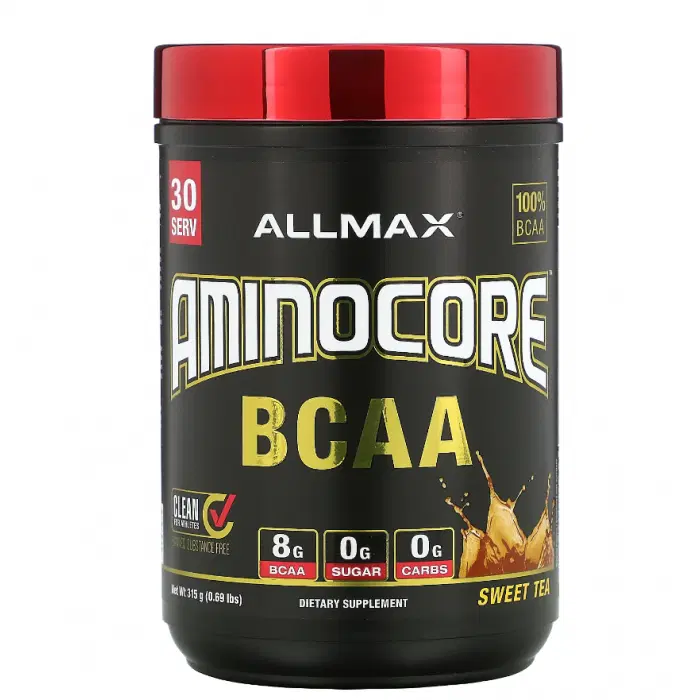
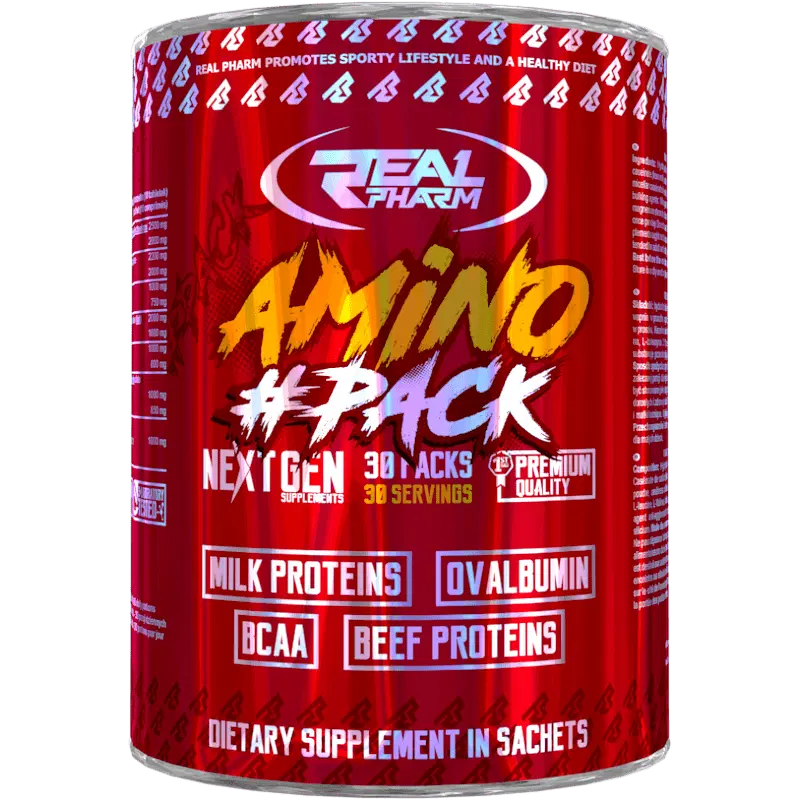
Συχνές ερωτήσεις
Πότε είναι καλύτερο να λαμβάνω BCAA για ποδηλασία;
Συνιστάται να λαμβάνετε BCAA πριν από την έναρξη της ποδηλασίας, καθώς και κατά τη διάρκεια παρατεταμένης προσπάθειας. Αυτό βοηθά στη διατήρηση των επιπέδων ενέργειας και στη μείωση της κόπωσης.
Ποια είναι η βέλτιστη δοσολογία BCAA για ποδηλάτες;
Για ερασιτέχνες ποδηλάτες που ζυγίζουν περίπου 75 κιλά, η προτεινόμενη δόση είναι περίπου 6 γραμμάρια πριν από την προπόνηση και περίπου 4 γραμμάρια ανά ώρα κατά τη διάρκεια της ποδηλασίας. Είναι πάντα καλό να συμβουλεύεστε έναν ειδικό για τη δική σας δοσολογία.
Για ποιους είναι τα BCAA πιο κατάλληλα στην ποδηλασία;
Τα συμπληρώματα BCAA είναι ιδιαίτερα χρήσιμα για ερασιτέχνες ποδηλάτες που κάνουν μεγάλες διαδρομές (άνω των 60 λεπτών). Μπορούν επίσης να βοηθήσουν άτομα που προπονούνται με άδειο στομάχι ή με περιορισμένη πρόσληψη θερμίδων.
Υπάρχουν παρενέργειες από τη λήψη BCAA στην ποδηλασία;
Στη μελέτη που παρουσιάστηκε, δεν αναφέρθηκαν σημαντικές παρενέργειες. Ωστόσο, είναι σημαντικό να σημειωθεί ότι τα BCAA δεν αποτελούν υποκατάστατο μιας ισορροπημένης διατροφής και ο αντίκτυπός τους μπορεί να είναι μικρότερος σε αθλητές με επαρκή πρόσληψη πρωτεΐνης.