Κολλαγόνο

Πάνω από το 70% των ενοχλήσεων στις αρθρώσεις δεν είναι «γήρανση», αλλά έλλειψη, με μια μελέτη σε (δείγμα 28 ατόμων) δρομείς να δείχνει 78% μείωση του πόνου με κολλαγόνο.
Κολλαγόνο είναι η κύρια δομική πρωτεΐνη στο σώμα, η οποία παρέχει αντοχή, ελαστικότητα και υποστήριξη στο δέρμα, τις αρθρώσεις, τα οστά και τους συνδετικούς ιστούς.
Συνοπτικά
- Για την υποστήριξη των αρθρώσεων και των τενόντων σε αθλητές, η αποτελεσματική ημερήσια δόση είναι 10–15 γραμμάρια υδρολυμένου κολλαγόνου.
- Είναι το βασικό δομικό στοιχείο του συνδετικού ιστού, αποτελώντας περίπου το 30% όλων των πρωτεϊνών στο ανθρώπινο σώμα.
- Η σύνθεση του κολλαγόνου στον οργανισμό είναι αδύνατη χωρίς επαρκή ποσότητα Βιταμίνης C, γεγονός που την καθιστά υποχρεωτικό συνεργάτη κατά τη λήψη συμπληρωμάτων.
- Η τακτική πρόσληψη μπορεί να μειώσει τον πόνο στις αρθρώσεις, να βελτιώσει την ελαστικότητα του δέρματος και να μειώσει τον κίνδυνο τραυματισμών.
Τι είναι το Κολλαγόνο
Το κολλαγόνο είναι η πιο άφθονη πρωτεΐνη στο ζωικό βασίλειο και βασικό συστατικό των συνδετικών ιστών στον άνθρωπο. Από βιοχημική άποψη, αποτελείται από αμινοξέα, συνδεδεμένα σε μια μοναδική δομή τριπλής έλικας, που του προσδίδει αξιοσημείωτη αντοχή και ευελιξία. Τα τρία πιο σημαντικά αμινοξέα στη σύνθεσή του είναι η γλυκίνη, η προλίνη και η υδροξυπρολίνη, τα οποία σχηματίζουν τη χαρακτηριστική αλληλουχία που επιτρέπει στις ίνες κολλαγόνου να περιτυλίγονται σφιχτά η μία γύρω από την άλλη. Στο σώμα υπάρχουν τουλάχιστον 28 διαφορετικοί τύποι κολλαγόνου, αλλά πάνω από το 90% αυτού ανήκει στους Τύπους I, II και III. Ο Τύπος Ι δομεί το δέρμα, τους τένοντες, τα όργανα και τα οστά. Ο Τύπος ΙΙ είναι θεμελιώδης για τον ελαστικό χόνδρο, και ο Τύπος ΙΙΙ υποστηρίζει τη δομή των μυών, των αρτηριών και των εσωτερικών οργάνων.
Με την πρόοδο της ηλικίας, καθώς και υπό την επίδραση έντονων σωματικών φορτίων, της υπεριώδους ακτινοβολίας (UV-radiation) και του ανθυγιεινού τρόπου ζωής, η φυσική παραγωγή κολλαγόνου στο σώμα μειώνεται. Αυτό οδηγεί στα γνωστά σημάδια γήρανσης: ρυτίδες, χαλαρό δέρμα, δυσκαμψία και πόνος στις αρθρώσεις. Οι φυσικές διατροφικές πηγές κολλαγόνου είναι προϊόντα που η σύγχρονη διατροφή συχνά αποκλείει – ζωμός από κόκκαλα, δέρμα χοιρινού και κοτόπουλου, χόνδροι και ζελατίνη. Καθώς η πρόσληψη επαρκών ποσοτήτων από αυτές τις τροφές είναι δύσκολη, τα συμπληρώματα διατροφής με κολλαγόνο γίνονται μια πρακτική και αποτελεσματική εναλλακτική.
Ως συμπλήρωμα διατροφής, το κολλαγόνο διατίθεται σε διάφορες βασικές μορφές. Η πιο συνηθισμένη είναι το υδρολυμένο κολλαγόνο (πεπτίδια κολλαγόνου), στο οποίο οι μακριές πρωτεϊνικές αλυσίδες διασπώνται μέσω ενζυματικής υδρόλυσης σε μικρότερα και εύκολα απορροφήσιμα πεπτίδια. Άλλες μορφές περιλαμβάνουν τη ζελατίνη, που είναι μερικώς υδρολυμένο κολλαγόνο, και το μη μετουσιωμένο κολλαγόνο τύπου II (UC-II), το οποίο εξάγεται από χόνδρο κοτόπουλου και λειτουργεί με διαφορετικό ανοσολογικό μηχανισμό.
Πώς λειτουργεί στον οργανισμό
Ο μηχανισμός δράσης του κολλαγόνου που λαμβάνεται ως συμπλήρωμα είναι πιο περίπλοκος από το απλό «γέμισμα των κενών». Όταν καταναλώνετε υδρολυμένο κολλαγόνο, αυτό δεν μεταφέρεται απευθείας στις αρθρώσεις ή στο δέρμα στην αρχική του μορφή. Στον πεπτικό σωλήνα διασπάται σε μικρότερα συστατικά – μεμονωμένα αμινοξέα και κοντές αλυσίδες, που ονομάζονται βιοενεργά πεπτίδια. Αυτά τα πεπτίδια είναι αρκετά μικρά ώστε να απορροφηθούν μέσω του εντερικού τοιχώματος και να εισέλθουν στην κυκλοφορία του αίματος.
Μόλις βρεθούν στην κυκλοφορία του αίματος, αυτά τα συγκεκριμένα πεπτίδια (ιδιαίτερα εκείνα που περιέχουν υδροξυπρολίνη) επιτελούν διπλό ρόλο. Πρώτον, χρησιμεύουν ως δομικά στοιχεία που το σώμα μπορεί να χρησιμοποιήσει για τη σύνθεση νέου κολλαγόνου και άλλων πρωτεϊνών της θεμέλιας ουσίας. Δεύτερον, και πιο σημαντικό, δρουν ως σηματοδοτικά μόρια. Συνδέονται με υποδοχείς στην επιφάνεια κυττάρων που ονομάζονται ινοβλάστες (στο δέρμα και τους τένοντες) και χονδροκύτταρα (στον χόνδρο), και τα διεγείρουν να αυξήσουν τη δική τους παραγωγή κολλαγόνου, ελαστίνης και υαλουρονικού οξέος. Με αυτόν τον τρόπο, η πρόσληψη κολλαγόνου δεν παρέχει απλώς πρώτη ύλη, αλλά ενεργοποιεί τις φυσικές αναγεννητικές διαδικασίες του σώματος.
Αποδεδειγμένα οφέλη
Οι επιστημονικές έρευνες υποστηρίζουν πολλαπλά οφέλη από την τακτική πρόσληψη συμπληρωμάτων κολλαγόνου, ιδιαίτερα στο πλαίσιο της αθλητικής απόδοσης, της υγείας των αρθρώσεων και της διατήρησης της νεανικής όψης του δέρματος. Τα αποτελέσματα δεν είναι άμεσα, καθώς απαιτείται χρόνος για τη συσσώρευση και τη διέγερση της αναγέννησης των ιστών, αλλά είναι καλά τεκμηριωμένα με παρατεταμένη και συνεπή χρήση.
- Βελτίωση της υγείας των αρθρώσεων: Πολλές μελέτες δείχνουν ότι η πρόσληψη πεπτιδίων κολλαγόνου μπορεί να μειώσει σημαντικά τον πόνο στις αρθρώσεις που σχετίζεται με την άσκηση σε αθλητές και να βελτιώσει τη λειτουργία σε άτομα με οστεοαρθρίτιδα. Αυτό οφείλεται στην υποστήριξη της αποκατάστασης του χόνδρινου ιστού.
- Ενδυνάμωση των οστών: Το κολλαγόνο αποτελεί το μεγαλύτερο μέρος της οργανικής θεμέλιας ουσίας των οστών, προσδίδοντάς τους ευελιξία και αντοχή. Τα δεδομένα δείχνουν ότι η συμπληρωματική λήψη μπορεί να βοηθήσει στην επιβράδυνση της οστικής απώλειας και να αυξήσει την οστική πυκνότητα, ειδικά σε συνδυασμό με ασβέστιο και βιταμίνη D.
- Αύξηση της ελαστικότητας και της ενυδάτωσης του δέρματος: Το κολλαγόνο είναι θεμελιώδες για τη διατήρηση της δομής του χορίου. Τα επιστημονικά δεδομένα δείχνουν ότι η πρόσληψη 2.5–10 γραμμαρίων κολλαγόνου ημερησίως μπορεί να βελτιώσει την ενυδάτωση, την ελαστικότητα και να μειώσει την ορατότητα των λεπτών γραμμών και των ρυτίδων.
- Υποστήριξη για τους τένοντες και τους συνδέσμους: Ως κύριο συστατικό αυτών των συνδετικών ιστών, το κολλαγόνο είναι κρίσιμο για την αντοχή τους. Μελέτες σε αθλητές δείχνουν ότι η πρόσληψη κολλαγόνου, ειδικά περίπου μία ώρα πριν την προπόνηση, μπορεί να ενισχύσει τη σύνθεση κολλαγόνου στους τένοντες και να επιταχύνει την αποκατάσταση από τραυματισμούς.
- Υποστήριξη της μυϊκής μάζας: Το κολλαγόνο δεν είναι η βέλτιστη πρωτεΐνη για μυϊκή ανάπτυξη λόγω της χαμηλής περιεκτικότητας σε λευκίνη, αλλά περιέχει σημαντικές ποσότητες γλυκίνης και αργινίνης, που είναι πρόδρομες ουσίες της κρεατίνης. Ορισμένες μελέτες δείχνουν ότι σε συνδυασμό με προπόνηση δύναμης, μπορεί να υποστηρίξει ελαφρώς την οικοδόμηση άλιπης μυϊκής μάζας, ειδικά σε ηλικιωμένα άτομα.
- Βελτίωση της υγείας των μαλλιών και των νυχιών: Αν και με λιγότερα επιστημονικά στοιχεία, πολλοί χρήστες αναφέρουν ταχύτερη ανάπτυξη και λιγότερη ευθραυστότητα των νυχιών και των μαλλιών μετά από παρατεταμένη πρόσληψη, κάτι που είναι λογικό δεδομένου ότι η κερατίνη (η κύρια πρωτεΐνη τους) χρειάζεται επίσης τα αμινοξέα που υπάρχουν στο κολλαγόνο.
Συνιστώμενες δόσεις
Η βέλτιστη ημερήσια δόση κολλαγόνου εξαρτάται σε μεγάλο βαθμό από τους ατομικούς στόχους, το επίπεδο σωματικής δραστηριότητας και τις υπάρχουσες παθήσεις. Δεν υπάρχει μια καθολική δόση, αλλά η επιστημονική βιβλιογραφία και η πρακτική υποδεικνύουν σαφείς κατευθυντήριες γραμμές για τις διάφορες ανάγκες. Για μέγιστη αποτελεσματικότητα, ειδικά σε αθλητές, συνιστάται η πρόσληψη να γίνεται περίπου 45-60 λεπτά πριν την προπόνηση ή τις ασκήσεις αποκατάστασης, καθώς αυτό αυξάνει την παροχή αμινοξέων στους ιστούς-στόχους κατά τη διάρκεια της δραστηριότητας.
| Προφίλ | Ημερήσια δόση | Πότε |
|---|---|---|
| Γενική υποστήριξη / Υγεία του δέρματος | 2.5 – 5 γραμμάρια | Οποιαδήποτε στιγμή της ημέρας (π.χ. με καφέ ή smoothie). |
| Ενεργά αθλούμενος (πρόληψη) | 10 – 15 γραμμάρια | 45-60 λεπτά πριν την προπόνηση για βέλτιστη σύνθεση στους τένοντες. |
| Σκληρές προπονήσεις / Αγωνιζόμενοι / Αποκατάσταση | 15 – 20 γραμμάρια | Η κύρια δόση πριν την προπόνηση· μπορεί να χωριστεί σε δύο (πρωί και πριν/μετά την προπόνηση). |
| Αποκατάσταση από τραυματισμούς / Οστεοαρθρίτιδα | 15 – 25 γραμμάρια | Χωρισμένη σε δύο δόσεις ή λαμβανόμενη πριν την αποκατάσταση. Συνιστάται η συμβουλή ειδικού. |
Μορφές και ποια είναι η καλύτερη
Η επιλογή της καταλληλότερης μορφής κολλαγόνου εξαρτάται από τους στόχους, τον προϋπολογισμό και τις προσωπικές προτιμήσεις. Το υδρολυμένο κολλαγόνο είναι η πιο ευέλικτη και καλά μελετημένη επιλογή, αλλά και οι άλλες μορφές έχουν τη θέση τους.
| Μορφή | Απορροφησιμότητα | Πλεονεκτήματα | Για ποιον είναι κατάλληλο |
|---|---|---|---|
| Υδρολυμένο κολλαγόνο (Πεπτίδια) | Πολύ υψηλή (πάνω από 90%) | Διαλύεται εύκολα σε υγρά, σχεδόν άγευστο, καθολική εφαρμογή, πλούσιο σε Τύπο I και III (το βοδινό). | Αθλητές, γενική υποστήριξη για αρθρώσεις, δέρμα και οστά. Το «χρυσό πρότυπο» για τους περισσότερους ανθρώπους. |
| Μη μετουσιωμένο Κολλαγόνο Τύπου II (UC-II®) | Δεν απορροφάται, αλλά δρα ανοσολογικά | Πολύ μικρή δόση (συνήθως 40 mg), ειδικά στοχευμένο στην υγεία του αρθρικού χόνδρου. | Άτομα με οστεοαρθρίτιδα, ρευματοειδή αρθρίτιδα ή άλλες αυτοάνοσες παθήσεις των αρθρώσεων. |
| Ζελατίνη | Μέτρια έως καλή | Χαμηλότερη τιμή, πηκτικές ιδιότητες για μαγείρεμα (επιδόρπια, σάλτσες), καλό για την υγεία του εντέρου. | Για μαγειρική χρήση, οικονομική επιλογή για γενική υποστήριξη, άτομα που αναζητούν οφέλη για το πεπτικό σύστημα. |
| Βοδινό κολλαγόνο (Beef Collagen) | Υψηλή (ως υδρόλυμα) | Πλούσια πηγή Τύπου I και III, εξαιρετικό για αρθρώσεις, τένοντες, οστά και δέρμα. | Αθλητές δύναμης, δρομείς, crossfitters και οποιοσδήποτε αναζητά δομική υποστήριξη του μυοσκελετικού συστήματος. |
| Ιχθυοκολλαγόνο (Marine Collagen) | Πολύ υψηλή (μικρά πεπτίδια) | Σχεδόν εξ ολοκλήρου κολλαγόνο Τύπου Ι, θεωρείται εξαιρετικό για το δέρμα, κατάλληλο για pescetarians. | Άτομα με κύριο στόχο τη βελτίωση του δέρματος, που αποφεύγουν προϊόντα από βόειο και χοιρινό κρέας. |
Παρενέργειες και προφυλάξεις
Το κολλαγόνο θεωρείται ένα εξαιρετικά ασφαλές συμπλήρωμα διατροφής με πολύ λίγες αναφερόμενες παρενέργειες. Οι περισσότεροι άνθρωποι το ανέχονται άριστα, ακόμη και σε υψηλές δόσεις. Όταν εμφανίζονται ανεπιθύμητες ενέργειες, είναι συνήθως ήπιες και σχετίζονται με το πεπτικό σύστημα, όπως αίσθημα βάρους, φούσκωμα ή ελαφριά δυσφορία. Αυτά τα συμπτώματα συχνά υποχωρούν μόλις το σώμα συνηθίσει, ή μπορούν να αποφευχθούν ξεκινώντας με μια χαμηλότερη δόση και αυξάνοντάς την σταδιακά. Παρόλα αυτά, υπάρχουν ορισμένες ομάδες ανθρώπων που πρέπει να το προσεγγίσουν με αυξημένη προσοχή.
- Άτομα με αλλεργίες: Επειδή το κολλαγόνο εξάγεται από ζωικές πηγές, είναι δυνατή μια αλλεργική αντίδραση. Άτομα με αλλεργία στα ψάρια, τα θαλασσινά ή τα αυγά θα πρέπει να αποφεύγουν το κολλαγόνο από αυτές τις πηγές.
- Άτομα με νεφρικές παθήσεις: Το κολλαγόνο είναι πρωτεΐνη. Άτομα με χρόνια νεφρική νόσο που πρέπει να περιορίζουν την πρόσληψη πρωτεϊνών, είναι επιτακτικό να συμβουλευτούν τον θεράποντα ιατρό τους πριν ξεκινήσουν τη λήψη.
- Ποιότητα του προϊόντος: Σε προϊόντα χαμηλής ποιότητας υπάρχει ο κίνδυνος μόλυνσης με βαρέα μέταλλα. Πάντα να επιλέγετε προϊόντα από αποδεδειγμένους κατασκευαστές που παρέχουν πιστοποιητικά καθαρότητας.
Πότε θα νιώσετε το αποτέλεσμα
Η υπομονή είναι το κλειδί κατά τη λήψη συμπληρωμάτων κολλαγόνου. Δεν είναι αναλγητικό και δεν προσφέρει άμεση ανακούφιση. Η δράση του βασίζεται στην αργή διαδικασία της αναγέννησης των ιστών. Για να επιτευχθούν και να διατηρηθούν τα αποτελέσματα, η πρόσληψη πρέπει να είναι σταθερή και παρατεταμένη. Τα χρονικά πλαίσια για την αίσθηση των διαφόρων οφελών ποικίλλουν ανάλογα με τον ατομικό μεταβολισμό, τη δόση και τον σκοπό της πρόσληψης.
- 4–8 εβδομάδες: Κατά τους πρώτους δύο μήνες, οι περισσότεροι άνθρωποι παρατηρούν τις αρχικές αλλαγές στην κατάσταση του δέρματός τους – γίνεται πιο ενυδατωμένο και ελαστικό. Μπορεί επίσης να αισθανθούν μια ελαφρά μείωση του «κρίκινγκ» και της δυσκαμψίας στις αρθρώσεις.
- 3–6 μήνες: Με συνεπή πρόσληψη σε αυτή την περίοδο, παρατηρούνται πιο σημαντικά οφέλη. Οι πόνοι στις αρθρώσεις, ειδικά αυτοί που προκαλούνται από την άσκηση, μειώνονται αισθητά. Η κινητικότητα βελτιώνεται, και τα μαλλιά και τα νύχια γίνονται πιο δυνατά και μεγαλώνουν πιο γρήγορα.
- 6+ μήνες: Η μακροχρόνια πρόσληψη οδηγεί στα πιο βιώσιμα αποτελέσματα. Οι μελέτες για την οστική πυκνότητα δείχνουν αποτέλεσμα μετά από τουλάχιστον ένα έτος. Η δομική ενίσχυση των τενόντων και των συνδέσμων είναι επίσης μια μακροπρόθεσμη διαδικασία που χτίζει ανθεκτικότητα σε μελλοντικούς τραυματισμούς.
Συνηθισμένοι μύθοι για το Κολλαγόνο
Μύθος: Το κολλαγόνο στις κρέμες προσώπου είναι εξίσου αποτελεσματικό με αυτό σε σκόνη.
Αλήθεια: Το μόριο του κολλαγόνου είναι πολύ μεγάλο για να διεισδύσει στην επιδερμίδα και να φτάσει στο χόριο, όπου βρίσκεται το φυσικό κολλαγόνο. Οι κρέμες με κολλαγόνο δρουν κυρίως ως ενυδατικές, δημιουργώντας ένα προσωρινό φιλμ στο δέρμα, αλλά δεν μπορούν να διεγείρουν την παραγωγή νέου κολλαγόνου από μέσα. Ο αποτελεσματικός τρόπος είναι η από του στόματος πρόσληψη.
Μύθος: Το vegan κολλαγόνο υπάρχει και είναι μια καλή εναλλακτική.
Αλήθεια: Το πραγματικό κολλαγόνο βρίσκεται μόνο σε ζωικούς ιστούς. Τα προϊόντα που προσφέρονται ως «vegan κολλαγόνο» είναι συνήθως είτε ένα μείγμα φυτικών αμινοξέων σε αναλογίες που μιμούνται αυτές του κολλαγόνου, είτε παράγονται από γενετικά τροποποιημένους ζυμομύκητες. Αν και παρέχουν δομικά στοιχεία, η αποτελεσματικότητά τους ως σηματοδοτικά μόρια δεν είναι ακόμα συγκρίσιμη με αυτή των καλά μελετημένων υδρολυμένων ζωικών κολλαγόνων.
Μύθος: Η πρόσληψη κολλαγόνου είναι άσκοπη, επειδή το γαστρικό οξύ το διασπά πλήρως.
Αλήθεια: Αυτή είναι μια μισή αλήθεια που παραβλέπει τον βασικό μηχανισμό. Ναι, το κολλαγόνο διασπάται, αλλά όχι μόνο σε τυχαία αμινοξέα. Η διαδικασία της πέψης το διασπά σε συγκεκριμένα βιοενεργά πεπτίδια, τα οποία απορροφώνται στο αίμα και δρουν ως ισχυροί διεγέρτες για την παραγωγή κολλαγόνου από το ίδιο το σώμα. Ακριβώς αυτά τα πεπτίδια είναι το κλειδί για την αποτελεσματικότητά του.
Με τι να το συνδυάσετε
Για να μεγιστοποιηθεί το αποτέλεσμα από τη λήψη κολλαγόνου, μπορεί και πρέπει να συνδυαστεί με άλλα θρεπτικά συστατικά που συμμετέχουν στη σύνθεσή του και υποστηρίζουν την υγεία του συνδετικού ιστού. Αυτοί οι συνδυασμοί δημιουργούν ένα συνεργιστικό αποτέλεσμα που υπερβαίνει κατά πολύ τα οφέλη από κάθε συστατικό ξεχωριστά.
- Βιταμίνη C: Αυτός είναι ο πιο σημαντικός και απολύτως απαραίτητος συνδυασμός. Η Βιταμίνη C είναι ένας αναντικατάστατος συμπαράγοντας για δύο ένζυμα (υδροξυλάση της προλίνης και υδροξυλάση της λυσίνης) που είναι υπεύθυνα για τη σταθεροποίηση του μορίου του κολλαγόνου. Χωρίς επαρκή Βιταμίνη C, το σώμα δεν μπορεί να παράγει αποτελεσματικά υγιές και λειτουργικό κολλαγόνο, ακόμη και με την παρουσία όλων των απαραίτητων αμινοξέων.
- Υαλουρονικό οξύ: Ενώ το κολλαγόνο παρέχει το δομικό πλαίσιο, το υαλουρονικό οξύ δρα ως «λιπαντικό» και «ενυδατικό». Προσελκύει και συγκρατεί τεράστιες ποσότητες νερού, παρέχοντας ενυδάτωση στο δέρμα και στο αρθρικό υγρό των αρθρώσεων. Ο συνδυασμός των δύο οδηγεί σε πιο ελαστικό δέρμα και καλύτερα λιπασμένες αρθρώσεις.
- Γλυκοζαμίνη και Θειική Χονδροϊτίνη: Αυτός ο κλασικός συνδυασμός συνιστάται έντονα όταν η εστίαση είναι στην υγεία των αρθρώσεων. Η γλυκοζαμίνη είναι ένα δομικό στοιχείο για τις πρωτεογλυκάνες στον χόνδρο, και η χονδροϊτίνη βοηθά στη συγκράτηση του νερού και την ελαστικότητά του. Το κολλαγόνο παρέχει τη δομική ακεραιότητα, ενώ αυτά υποστηρίζουν τη θεμέλια ουσία και τη λειτουργικότητα του χόνδρου.
Πώς να επιλέξετε ένα ποιοτικό προϊόν
Η αγορά είναι κορεσμένη από προϊόντα που περιέχουν κολλαγόνο, γεγονός που καθιστά την επιλογή δύσκολη. Η τιμή και η ελκυστική συσκευασία δεν πρέπει να είναι τα κύρια κριτήρια. Για να επενδύσετε σε ένα προϊόν που θα αποφέρει πραγματικά οφέλη, δώστε προσοχή σε μερικούς βασικούς παράγοντες που διακρίνουν τα ποιοτικά συμπληρώματα από τα υπόλοιπα.
- Μορφή και Τύπος: Αναζητήστε «υδρολυμένο κολλαγόνο» ή «πεπτίδια κολλαγόνου» για μέγιστη απορροφησιμότητα. Βεβαιωθείτε ότι ο τύπος αντιστοιχεί στους στόχους σας: βοδινό (Τύπος Ι και ΙΙΙ) για γενική υποστήριξη αρθρώσεων και οστών, ιχθυοκολλαγόνο (Τύπος Ι) για το δέρμα ή μη μετουσιωμένο τύπου II (UC-II®) για συγκεκριμένα προβλήματα αρθρώσεων.
- Δοσολογία ανά μεζούρα: Ελέγξτε πόσα γραμμάρια κολλαγόνου περιέχονται σε μία δόση (μεζούρα). Τα ποιοτικά προϊόντα προσφέρουν 10-20 γραμμάρια ανά δόση, γεγονός που διευκολύνει την επίτευξη αποτελεσματικών ημερήσιων ποσοτήτων. Αποφύγετε προϊόντα σε κάψουλες, τα οποία συνήθως περιέχουν πολύ μικρή ποσότητα (500-1000 mg), καθιστώντας τα μη πρακτικά και ακριβά.
- Καθαρότητα και Πιστοποιητικά από τρίτους φορείς: Ένας καλός κατασκευαστής δεν διστάζει να παρουσιάσει αποδείξεις ποιότητας. Αναζητήστε πιστοποιητικά για την απουσία βαρέων μετάλλων, αντιβιοτικών και ορμονών. Ετικέτες όπως "grass-fed" (από ζώα που τρέφονται με χόρτο) για το βοδινό και "wild-caught" (άγριας αλιείας) για το ιχθυοκολλαγόνο είναι ισχυρή ένδειξη υψηλότερης ποιότητας και καθαρότερης πηγής.
- Πρόσθετα συστατικά: Ελέγξτε την ετικέτα για συνεργιστικά συμπληρώματα όπως Βιταμίνη C ή υαλουρονικό οξύ, τα οποία αυξάνουν την αξία του προϊόντος. Ταυτόχρονα, αποφύγετε προϊόντα με μια μακρά λίστα από περιττά πληρωτικά, τεχνητές χρωστικές, συντηρητικά και μεγάλες ποσότητες πρόσθετης ζάχαρης ή γλυκαντικών.
- Τιμή ανά γραμμάριο/δόση: Μην συγκρίνετε την τιμή της συσκευασίας, αλλά υπολογίστε την τιμή για μία αποτελεσματική δόση (για παράδειγμα, 10 γραμμάρια). Συχνά, η μεγαλύτερη συσκευασία είναι σημαντικά πιο συμφέρουσα μακροπρόθεσμα.
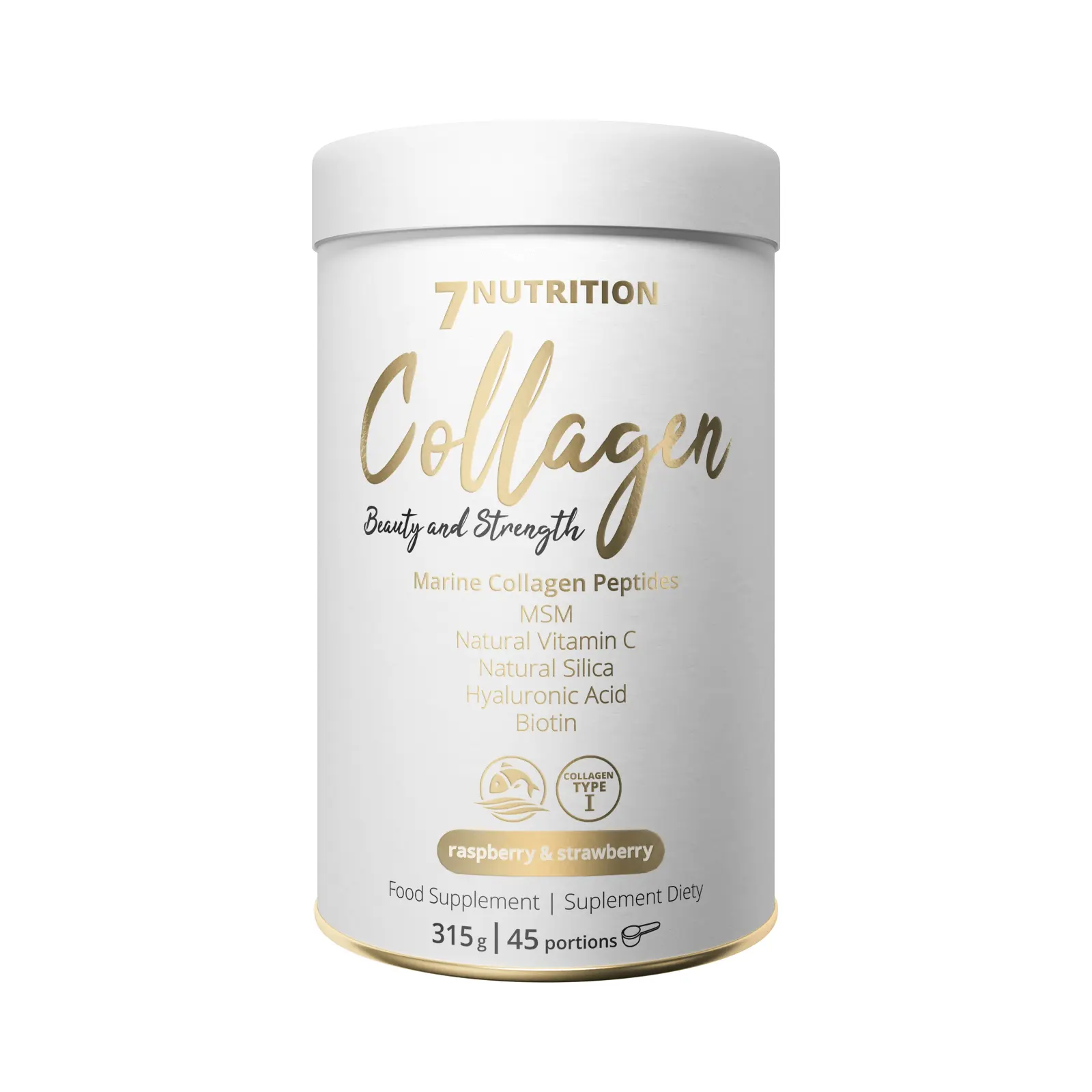
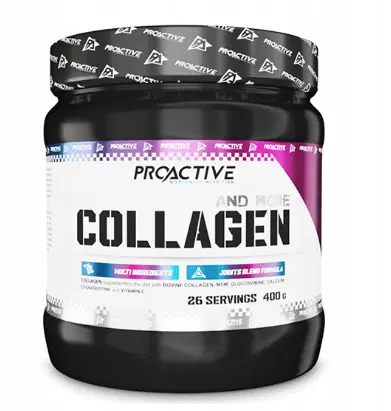
Προτεινόμενα προϊόντα
Συχνές ερωτήσεις
Πότε είναι καλύτερο να πίνω κολλαγόνο - πρωί ή βράδυ;
Δεν υπάρχουν αυστηροί κανόνες για το πότε να παίρνετε κολλαγόνο, καθώς η απορρόφησή του δεν εξαρτάται από την ώρα της ημέρας. Πολλοί άνθρωποι προτιμούν να το προσθέτουν στον πρωινό τους καφέ ή smoothie για ευκολία. Άλλοι το παίρνουν το βράδυ, για να υποστηρίξουν τις διαδικασίες αποκατάστασης του σώματος κατά τη διάρκεια του ύπνου.
Πόσο κολλαγόνο την ημέρα είναι η συνιστώμενη δόση;
Η συνήθης συνιστώμενη ημερήσια δόση υδρολυμένου κολλαγόνου κυμαίνεται μεταξύ 5 και 15 γραμμαρίων. Για τη διατήρηση της υγείας του δέρματος, συνήθως αρκούν 5-10 γραμμάρια. Για την υποστήριξη των αρθρώσεων σε δραστήριους αθλητές, η δόση μπορεί να φτάσει τα 10-15 γραμμάρια ημερησίως.
Υπάρχουν παρενέργειες από τη μακροχρόνια λήψη κολλαγόνου;
Το κολλαγόνο θεωρείται ένα πολύ ασφαλές συμπλήρωμα, ακόμη και με παρατεταμένη λήψη για μήνες ή χρόνια. Σπάνια παρατηρούνται ήπιες ενοχλήσεις όπως αίσθημα βάρους στο στομάχι ή δυσάρεστη επίγευση. Αυτές οι αντιδράσεις είναι συνήθως προσωρινές και εξαφανίζονται μετά τις πρώτες ημέρες.
Μπορώ να πίνω το κολλαγόνο με καφέ ή ρόφημα πρωτεΐνης;
Ναι, το υδρολυμένο κολλαγόνο σε σκόνη διαλύεται εύκολα και μπορεί να αναμιχθεί με σχεδόν οποιοδήποτε ρόφημα, χωρίς αυτό να επηρεάσει την αποτελεσματικότητά του. Η προσθήκη του σε ζεστό καφέ ή κρύο ρόφημα πρωτεΐνης είναι απολύτως ασφαλής και πρακτική. Η υψηλή θερμοκρασία δεν καταστρέφει τα πεπτίδια κολλαγόνου.
Ποιο είναι καλύτερο: θαλάσσιο ή βοδινό κολλαγόνο;
Και τα δύο είδη είναι αποτελεσματικά, αλλά με μικρές διαφορές. Το θαλάσσιο κολλαγόνο αποτελείται κυρίως από τύπο Ι και απορροφάται έως και 1.5 φορές πιο αποτελεσματικά, γεγονός που το καθιστά εξαιρετικό για το δέρμα. Το βοδινό κολλαγόνο είναι πλούσιο σε τύπο Ι και τύπο ΙΙΙ, γεγονός που το καθιστά πολύ κατάλληλο τόσο για το δέρμα όσο και για την υγεία του συνδετικού ιστού.
Πόσο διαρκεί ο συνιστώμενος κύκλος λήψης κολλαγόνου;
Για την επίτευξη βιώσιμων αποτελεσμάτων, συνιστάται ένας ελάχιστος κύκλος λήψης 3 μηνών. Μετά από αυτή την περίοδο, μπορεί να γίνει ένα διάλειμμα 1-2 μηνών ή να συνεχιστεί με μια χαμηλότερη δόση συντήρησης. Σε περίπτωση χρόνιων προβλημάτων στις αρθρώσεις, η συνεχής λήψη συχνά δίνει τα καλύτερα αποτελέσματα.
Είναι το κολλαγόνο κατάλληλο για vegan και vegetarians;
Τα παραδοσιακά συμπληρώματα κολλαγόνου είναι ζωικής προέλευσης και δεν είναι κατάλληλα για vegan. Ωστόσο, στην αγορά υπάρχουν «vegan collagen boosters». Αυτά περιέχουν έναν συνδυασμό αμινοξέων, βιταμινών και μετάλλων που διεγείρουν την παραγωγή κολλαγόνου από το ίδιο το σώμα.
Πότε θα αισθανθώ τα πρώτα αποτελέσματα από τη λήψη κολλαγόνου;
Οι πρώτες βελτιώσεις στην ενυδάτωση και την ελαστικότητα του δέρματος συνήθως παρατηρούνται μετά από 4-8 εβδομάδες τακτικής λήψης. Για την ανακούφιση από τη δυσφορία στις αρθρώσεις, μπορεί να χρειαστούν από 3 έως 6 μήνες. Τα αποτελέσματα είναι ατομικά και εξαρτώνται από τη δόση, την ηλικία και τον τρόπο ζωής.