Ουρσολικό οξύ
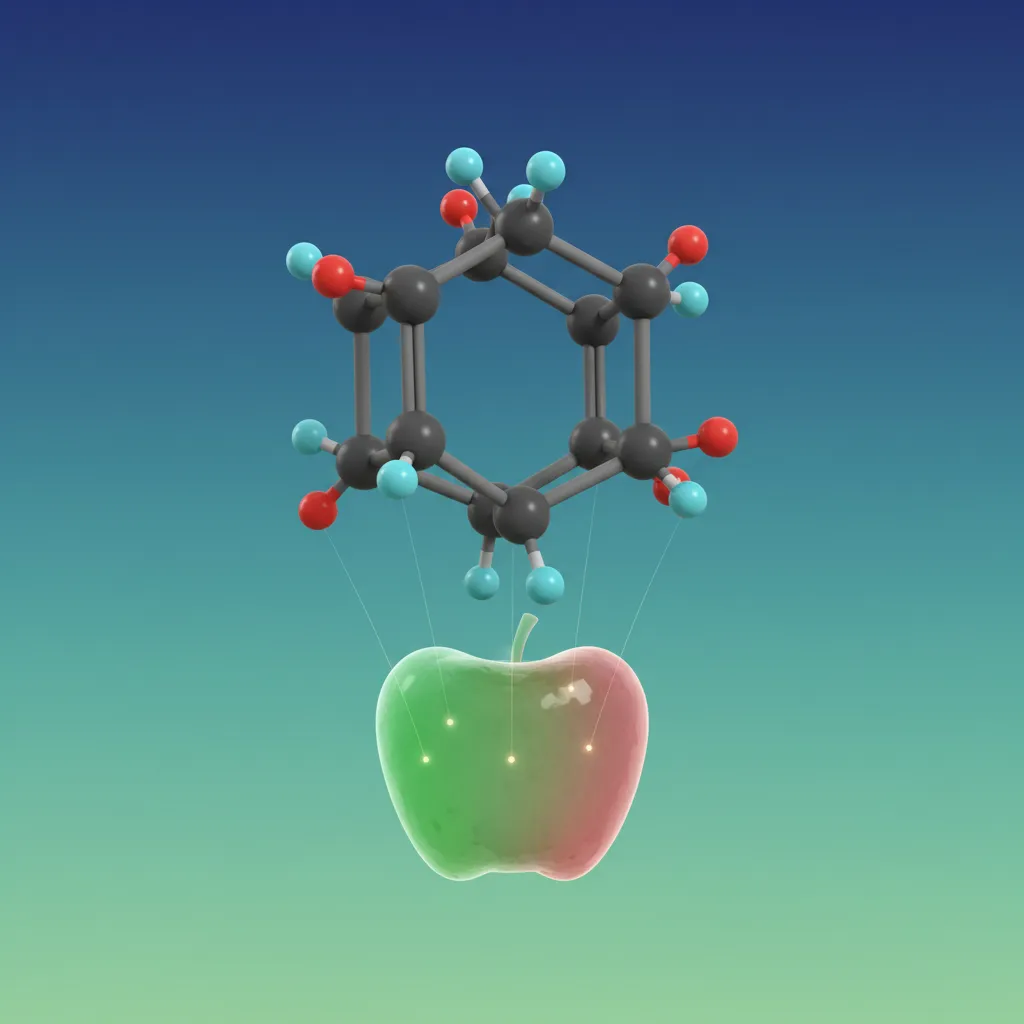
Μάθετε τι είναι η Ουρσολικό οξύ, πώς λειτουργεί, ποια είναι τα οφέλη και πώς να τη λαμβάνετε σωστά.
What is Ursolic Acid?
Ursolic Acid — Ursolic acid is a naturally occurring triterpenoid compound found in the peels of many fruits (like apples, blueberries, cherries) and herbs. It is known for its potential health benefits, especially in the areas of metabolism and physical activity.
🔬 From SportZone's Experience
In our work with over 50,000 clients, we see that ursolic acid is most often sought by people aiming for a combined improvement in muscle mass and a reduction in body fat. A common mistake is expecting immediate results; ursolic acid acts cumulatively and requires consistency and a proper diet.
⚡ Ursolic Acid in Brief
- Type: Organic acid (triterpenoid)
- Origin: Natural (plant-based)
- Best for: Supporting muscle growth, fat burning, and metabolic health
- Timing: With food, usually before or after training
- Daily dose: 150-450 mg, divided into 2-3 doses
- Main benefit: Improves body composition by stimulating muscle growth and reducing fat.
In Simple Terms: What Does Ursolic Acid Do?
Imagine ursolic acid as a small "coach" for your cells, helping them work more efficiently. It makes your muscles stronger and bigger, while at the same time encouraging your body to burn more fat instead of storing it. Additionally, it acts as a "guardian" against inflammation and helps your body stay healthier.
👉 In other words: Ursolic acid is a natural ingredient that helps the body build muscle, burn fat, and fight inflammation.
Scientific Explanation of Ursolic Acid
Ursolic acid is a pentacyclic triterpenoid belonging to the terpenoid group, which are secondary metabolites widely distributed in the plant kingdom. Its chemical structure is characterized by five carbon rings and one carboxyl group, giving it amphipathic properties. Its molecular formula is C₃₀H₄₈O₃.
At a molecular level, ursolic acid interacts with multiple signaling pathways. It is known for activating AMP-activated protein kinase (AMPK) and inhibiting tyrosine phosphatase 1B (PTP1B), leading to improved insulin sensitivity and glucose metabolism. Furthermore, it can stimulate muscle protein synthesis by activating the mTOR pathway and inhibit muscle atrophy by affecting the ubiquitin-proteasome system pathways. Its anti-inflammatory properties are due to the inhibition of NF-κB and other pro-inflammatory mediators, while its antioxidant potential is related to its ability to neutralize free radicals and increase levels of endogenous antioxidants.
How Does Ursolic Acid Work in the Body and Why is it Effective?
The main mechanisms of Ursolic Acid include:
📚 Scientific Sources
- Kunkel, S. D., S. P. Elmore, K. S. Bongers, C. M. Ebert, & C. A. Adams. (2011). Ursolic acid increases skeletal muscle and brown fat and decreases white fat and harmful cholesterol levels in mice. PLoS ONE, 6(6), e19721. (doi: 10.1371/journal.pone.0019721)
- Seo, M. J., I. S. Lee, H. S. Kwak, S. N. Lee, & J. T. Hong. (2018). Ursolic Acid Improves Muscle Atrophy in Rheumatoid Arthritis. Biomolecules, 8(4), 162. (doi: 10.3390/biom8040162)
- Trajkovic, V., & J. R. L. R. da Costa. (2020). Ursolic Acid in Cancer Prevention and Treatment: A Review. Antioxidants, 9(12), 1269. (doi: 10.3390/antiox9121269)
- Joung, H., H. H. Kim, J. H. Park, S. L. Lee, H. J. Lee, C. W. Kim, & C. B. Park. (2020). Ursolic Acid Supplementation Modulates Muscle Mass and Muscle Strength in Middle-Aged and Older Adults. Journal of Medicinal Food, 23(11), 1188-1195. (doi: 10.1089/jmf.2020.0031)
- AMPK Activation — Ursolic acid stimulates AMP-activated protein kinase (AMPK), a key regulator of energy metabolism. This leads to increased fat burning and improved insulin sensitivity.
- PTP1B Inhibition — It inhibits protein tyrosine phosphatase 1B (PTP1B), an enzyme that negatively affects insulin signaling, thereby improving glucose uptake by cells.
- mTOR Pathway Stimulation — Ursolic acid can activate mTOR (mammalian target of rapamycin), which is a central regulator of muscle protein synthesis and cell growth, supporting hypertrophy.
- Reduction of Muscle Atrophy — By affecting the ubiquitin-proteasome system pathways, ursolic acid can reduce muscle protein breakdown, maintaining muscle mass.
👉 End Effect: These mechanisms together contribute to improving body composition by increasing muscle mass and reducing fat tissue, as well as overall metabolic health.
What are the Proven Benefits of Taking Ursolic Acid?
- ✅ Supports Muscle Growth — Stimulates muscle protein synthesis and inhibits muscle breakdown, leading to an increase in lean muscle mass.
- ✅ Reduces Body Fat — Activates fat burning and reduces fat tissue accumulation while increasing energy expenditure.
- ✅ Improves Insulin Sensitivity — By affecting key metabolic pathways, ursolic acid helps cells respond better to insulin, regulating blood sugar.
- ✅ Has Anti-inflammatory Properties — Reduces systemic inflammation, which can be beneficial for post-workout recovery and overall health.
- ✅ Antioxidant Protection — Fights free radicals and oxidative stress, protecting cells from damage.
How to Take Ursolic Acid for Best Results?
Dosage: The usual effective dose ranges between 150 mg and 450 mg daily, divided into 2-3 doses. Start with a lower dose and gradually increase it to assess tolerance.
When to take: It is recommended to take it with food to improve absorption. It is often taken before or after training to optimize effects on muscle growth and recovery.
Practical advice: For maximum benefits, integrate ursolic acid intake with a balanced diet and a regular training program.
Should You Take Ursolic Acid?
✅ Yes, if:
- You want to improve your body composition by simultaneously building muscle and reducing fat.
- You are looking for a natural way to support your metabolic health and insulin sensitivity.
- You wish to reduce inflammation and support your body's antioxidant defense.
❌ No, if:
- You have existing liver or kidney problems, without consulting a doctor.
- You are pregnant or breastfeeding, as there is insufficient safety data in these cases.
- You are taking medications that may interact with ursolic acid, such as anticoagulants or blood sugar medications.
Who is Ursolic Acid NOT Suitable For?
- Individuals with liver or kidney diseases — Due to the metabolism and elimination of ursolic acid, it may burden these organs.
- Pregnant and breastfeeding women — There is insufficient research on safety in this group, so it is advisable to avoid it.
- People taking anticoagulants — Ursolic acid may affect blood clotting, which can enhance the effect of these medications.
- Diabetics on medication — Due to the potential effect on blood sugar, a dosage adjustment of medications may be necessary.
Who is Ursolic Acid Most Suitable For?
- 🏋️♂️ Strength Athletes — Due to its ability to stimulate muscle growth and reduce muscle atrophy, supporting hypertrophy and recovery.
- 🏃 Endurance Athletes — May improve fat metabolism for energy and reduce inflammation after intense training.
- 🧍♂️ Active Individuals — For improving overall body composition, maintaining a healthy weight, and metabolic health.
- 📊 People Aiming for Body Recomposition — Ursolic acid is a promising natural ingredient that can support fat burning, muscle growth, and overall metabolic health.
What Pairs Well with Ursolic Acid for Maximum Effect?
- Omega-3 Fatty Acids — To enhance anti-inflammatory effects and support overall cellular health, especially beneficial for recovery.
- Creatine — The combination can boost muscle growth and strength, as both supplements support anabolic processes in muscles.
- Protein Powder (Whey/Casein) — To optimize muscle protein synthesis and provide the necessary amino acids for growth and recovery.
Pros and Cons of Ursolic Acid
✅ Pros
- Supports muscle mass building and fat reduction.
- Improves metabolic health and insulin sensitivity.
- Has strong anti-inflammatory and antioxidant properties.
- Natural origin from fruits and herbs.
❌ Cons
- More long-term human studies are needed.
- Potential interactions with certain medications.
- Can be expensive in pure form as a supplement.
What to Compare Ursolic Acid With?
Understand how Ursolic Acid differs from other supplements:
- Creatine — Ursolic acid is more focused on metabolic pathways for muscle growth and fat burning, while creatine directly increases ATP energy in muscles.
- CLA (Conjugated Linoleic Acid) — CLA is known for its fat-reducing potential, but ursolic acid offers a broader range of benefits, including muscle growth and anti-inflammatory effects.
- Beta-Alanine — Beta-alanine improves endurance and reduces fatigue, while ursolic acid focuses on body composition and metabolic health.
⚠️ Important: Dietary supplements are not a substitute for a balanced diet and a healthy lifestyle. The information in this article is for educational purposes and does not constitute medical advice. Consult a doctor before use, especially if you are taking medication, have chronic conditions, or are pregnant/breastfeeding.
Προτεινόμενα προϊόντα
Συχνές ερωτήσεις
Τι είναι το ουρσολικό οξύ και από πού προέρχεται;
Το ουρσολικό οξύ είναι μια φυσικά απαντώμενη τριτερπενοειδής ένωση που βρίσκεται σε ένα ευρύ φάσμα φυτών. Συχνά απομονώνεται από τα φύλλα διαφόρων ειδών όπως δεντρολίβανο, μήλα, κράνμπερι και άλλα φρούτα και βότανα.
Ποια είναι τα κύρια οφέλη της λήψης ουρσολικού οξέος;
Το ουρσολικό οξύ είναι γνωστό για τις πιθανές αντιφλεγμονώδεις, αντιοξειδωτικές και αντικαρκινικές του ιδιότητες. Έρευνες υποδηλώνουν ότι μπορεί να υποστηρίξει την μυϊκή ανάπτυξη, να βελτιώσει τον μεταβολισμό και να έχει θετική επίδραση στην υγεία του ήπατος.
Έχει το ουρσολικό οξύ παρενέργειες;
Για τους περισσότερους ανθρώπους, το ουρσολικό οξύ θεωρείται ασφαλές σε μέτριες δόσεις. Ωστόσο, σε ορισμένα άτομα μπορεί να παρατηρηθούν ήπιες γαστρεντερικές διαταραχές. Συνιστάται πάντα να συμβουλεύεστε έναν γιατρό πριν από τη λήψη, ειδικά εάν έχετε υπάρχοντα προβλήματα υγείας ή λαμβάνετε άλλα φάρμακα.
Σε ποιες μορφές διατίθεται το ουρσολικό οξύ και πώς λαμβάνεται;
Το ουρσολικό οξύ διατίθεται συχνότερα με τη μορφή συμπληρωμάτων διατροφής, όπως κάψουλες ή σκόνη. Η δοσολογία ποικίλλει ανάλογα με το συγκεκριμένο προϊόν και τους στόχους λήψης, επομένως είναι σημαντικό να ακολουθείτε τις οδηγίες της ετικέτας ή τις συστάσεις ενός επαγγελματία υγείας.