Πεπτικά ένζυμα
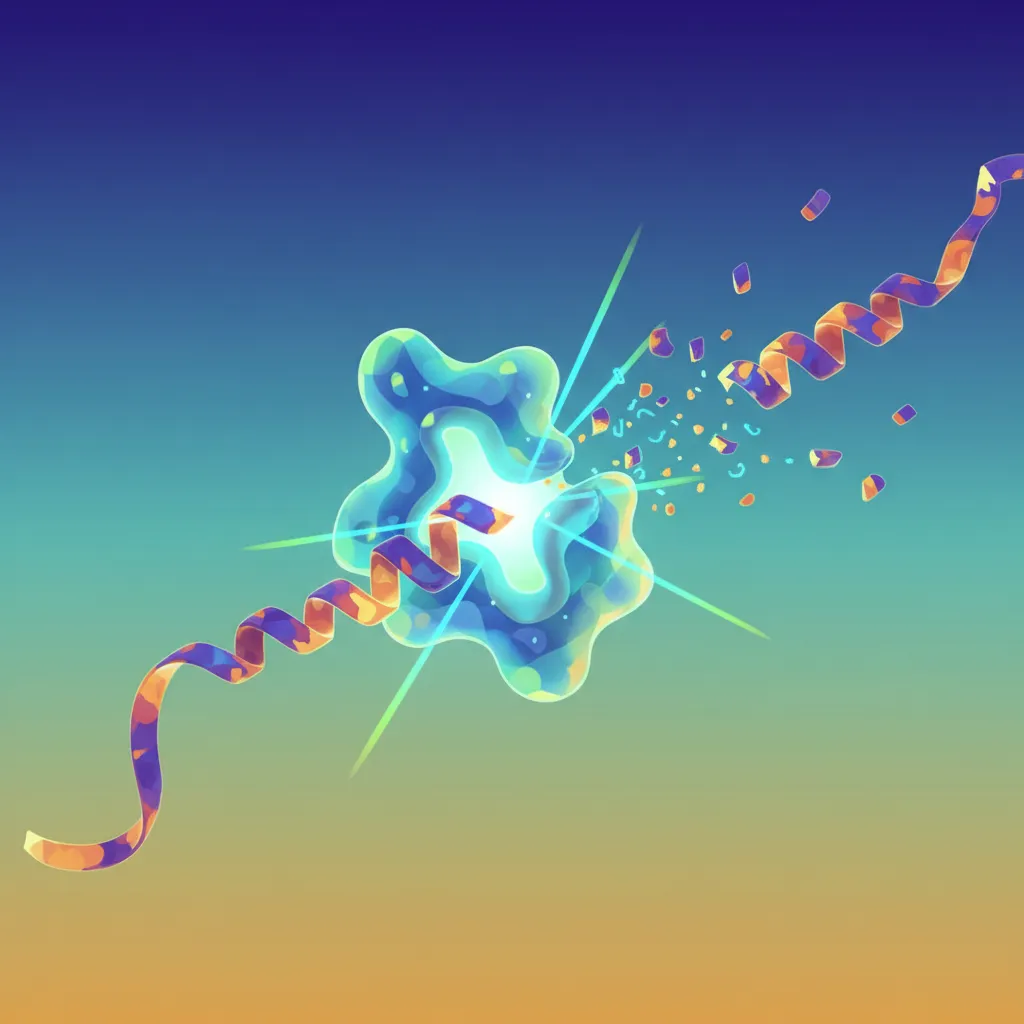
Μάθετε τι είναι οι πεπτικές ενζύμες, πώς λειτουργούν, ποια είναι τα οφέλη και πώς να τις λαμβάνετε σωστά.
What are Digestive Enzymes?
Digestive Enzymes — Digestive enzymes are proteins that act as catalysts, speeding up the chemical reactions necessary for breaking down food in the digestive system. They convert complex macromolecules (carbohydrates, proteins, fats) into smaller, digestible nutrients that the body can absorb and utilize.
🔬 From SportZone's Practice
In our work with over 50,000 clients, we've observed that a significant portion of individuals experiencing bloating or discomfort after meals show considerable improvement with the addition of digestive enzymes. A common mistake is taking them after meals instead of immediately before or during, which reduces their effectiveness.
⚡ Digestive Enzymes in Brief
- Type: Protein
- Origin: Natural (synthesized in the body / from food) / Synthetic (supplements)
- Best for: Improving digestion, nutrient absorption, and reducing post-meal discomfort.
- Timing: Immediately before or during meals.
- Dosage: Varies by product and individual needs, often 1-2 capsules with main meals.
- Primary Benefit: Optimize food breakdown and enhance the bioavailability of macro- and micronutrients.
In Simple Terms: What Do Digestive Enzymes Do?
Imagine your food is a large, complex puzzle. For your body to use the pieces of this puzzle (nutrients), it first needs to break it down into smaller, individual pieces. Digestive enzymes are like tiny scissors or hammers that quickly and efficiently take apart this puzzle, so your body can easily take and use each piece.
👉 In other words: They are the workers that break down food so your body can get the most out of it.
Scientific Explanation of Digestive Enzymes
Digestive enzymes are macromolecular biological catalysts, primarily proteins, that accelerate hydrolytic reactions, breaking down complex polymers (carbohydrates, proteins, lipids) into smaller monomers or oligomers. They are secreted by various organs of the digestive tract, including the salivary glands (amylase), stomach (pepsin), pancreas (pancreatic amylase, lipase, trypsin, chymotrypsin), and small intestine (disaccharidases, peptidases). Each enzyme is specific to a particular substrate and functions optimally under specific pH and temperature conditions.
For example, amylases break down polysaccharides into disaccharides and monosaccharides; proteases (like pepsin and trypsin) hydrolyze peptide bonds in proteins, yielding smaller peptides and amino acids; and lipases break down triglycerides into fatty acids and glycerol. The efficiency of these enzymes is critical for the complete absorption of macronutrients and the prevention of digestive problems related to malabsorption.
How Do Digestive Enzymes Work in the Body and Why Are They Effective?
The primary mechanism of Digestive Enzymes involves:
📚 Scientific Sources
- Roxas, M. (2008). The role of enzyme supplementation in digestive disorders. Alternative Medicine Review, 13(4), 307-314. (PubMed)
- Liska, D. J. (2018). The Role of Digestive Enzymes in Nutrient Absorption. Integrative Medicine: A Clinician's Journal, 17(1), 18-23. (PubMed)
- Keller, J., & Layer, P. (2014). Human pancreatic exocrine response to nutrients in health and disease. Gut, 63(6), 1010-1018. (DOI: 10.1136/gutjnl-2013-305149)
- Ianiro, G., et al. (2018). Digestive Enzyme Supplementation in Gastrointestinal Diseases. Current Drug Metabolism, 19(5), 452-459. (DOI: 10.2174/1389200219666180327150937)
- Breakdown of Complex Carbohydrates — enzymes like amylase break down starch and other polysaccharides into simpler sugars that are easily absorbed.
- Protein Hydrolysis — proteases (pepsin, trypsin, chymotrypsin) break peptide bonds in proteins, converting them into smaller peptides and free amino acids ready for absorption.
- Fat Emulsification and Breakdown — lipases target triglycerides, breaking them down into fatty acids and glycerol that can be transported across the intestinal wall.
👉 End Result: Optimized food breakdown leads to more efficient nutrient absorption and reduced digestive discomfort.
What are the Proven Benefits of Taking Digestive Enzymes?
- ✅ Improved Nutrient Absorption — ensures more complete extraction of vitamins, minerals, amino acids, and fatty acids from food.
- ✅ Reduced Digestive Discomfort — alleviates symptoms such as bloating, gas, heartburn, and heaviness after meals.
- ✅ Support for Individuals with Enzyme Deficiencies — particularly beneficial in conditions like lactose intolerance or exocrine pancreatic insufficiency.
- ✅ Optimized Recovery for Athletes — better absorption of proteins and carbohydrates contributes to faster recovery and muscle growth.
How to Take Digestive Enzymes for Best Results?
Dosage: Typically 1-2 capsules (or the dose indicated by the manufacturer) with each main meal. Dosage may vary depending on enzyme concentration and individual needs.
Timing: Take immediately before or during a meal to ensure maximum enzyme effectiveness when food enters the digestive system.
Practical Tip: Start with a lower dose and gradually increase if needed to find your optimal intake.
Should You Take Digestive Enzymes?
✅ Yes, if:
- You frequently experience bloating, gas, or a feeling of heaviness after meals, which signals inefficient digestion.
- You consume large amounts of food, especially those rich in protein and fats, and want to optimize nutrient absorption.
- You have conditions related to reduced enzyme activity, such as irritable bowel syndrome or cystic fibrosis, after consulting a doctor.
❌ No, if:
- You have no digestive issues and eat a balanced diet, as your body likely produces sufficient enzymes.
- You have acute gastrointestinal conditions like ulcers or pancreatitis, without explicit medical advice.
- You are taking medications that may interact with enzymes, such as anticoagulants (in the case of bromelain or papain), without consulting a doctor.
Who is NOT Suitable for Digestive Enzymes?
- Individuals with active ulcers or gastritis – some enzymes can irritate the stomach lining in such conditions.
- Pregnant and breastfeeding women – due to a lack of sufficient safety studies in these groups, medical consultation is recommended.
- Individuals with allergies to specific enzyme sources – for example, people allergic to pineapple should not take bromelain.
- Patients with severe liver or kidney diseases – medical supervision and dose adjustment may be necessary.
Who is Digestive Enzymes Best Suited For?
- 🏋️♂️ Strength Athletes — for optimal absorption of high doses of protein and carbohydrates needed for muscle growth and recovery.
- 🏃 Endurance Athletes — for efficient breakdown of energy sources and maintaining high energy levels during training and competitions.
- 🧍♂️ Active Individuals — for improving overall digestion, reducing bloating, and ensuring a steady energy supply throughout the day.
- 🌱 Vegans and Vegetarians — for better absorption of plant-based proteins and fibers, which can sometimes be harder to digest.
What Pairs Well with Digestive Enzymes for Maximum Effect?
- Probiotics — to maintain a healthy gut microbiome and further improve digestion and absorption.
- Omega-3 Fatty Acids — enzymes help in better absorption of fats, including beneficial Omega-3s.
- Magnesium — supports numerous enzymatic reactions in the body, including those related to digestion.
Pros and Cons of Digestive Enzymes
✅ Pros
- Significantly improve food breakdown.
- Reduce digestive discomfort like bloating and gas.
- Increase nutrient absorption.
- Can support athlete recovery.
❌ Cons
- The effect is individual, and not everyone will notice a significant difference.
- Mild side effects like stomach discomfort may occur with overdose.
- Prolonged intake may be necessary for optimal results.
How to Choose Quality Digestive Enzymes?
- Enzyme Activity (Units): Check the label for specific activity units (e.g., FCC PU for protease, FIP for lipase, DU for amylase). Higher values usually indicate greater effectiveness.
- Enzyme Spectrum: For optimal digestion, look for products containing a broad spectrum of enzymes – proteases, lipases, amylases, lactase, cellulase. This covers the breakdown of various macronutrients.
- Enzyme Source: Enzymes can be of plant (papain, bromelain), fungal (aspergillus oryzae), or animal origin (pancreatin). Plant and fungal enzymes are often more stable across a wide pH range.
- Additives and Fillers: Avoid products with unnecessary artificial sweeteners, colors, flavors, and fillers. A clean ingredient list is an indicator of quality.
- Certifications and Third-Party Testing: The presence of GMP (Good Manufacturing Practice) certifications and independent lab testing contributes to purity, verified content, and absence of contaminants.
When to Choose Digestive Enzymes Over Alternatives?
- Choose Digestive Enzymes if:
- You experience bloating, gas, or heaviness after meals, especially when consuming foods rich in protein, fats, or complex carbohydrates.
- You consume large amounts of food or are on a high-protein diet (over 2.0 g/kg body weight), which can strain natural enzyme production.
- You have diagnosed lactose intolerance and the product contains lactase, allowing you to consume dairy products without discomfort.
- Choose Probiotics if:
- Your main issue is an imbalance in gut microflora, for example, after antibiotic use or with irritable bowel syndrome.
- You are seeking long-term improvement in immune function and overall gut health, not just temporary digestive support.
- You have regular gastrointestinal discomfort not directly related to macronutrient breakdown.
What to Compare Digestive Enzymes With?
Understand how Digestive Enzymes differ from other supplements:
- Probiotics — Digestive enzymes break down food, while probiotics maintain the balance of gut flora, working synergistically for better digestion.
- Fiber — Enzymes aid in macronutrient absorption, while fiber regulates bowel movements and feeds good bacteria.
- Betaine HCL — Betaine HCL increases stomach acidity for better protein breakdown, whereas enzymes work at all levels of food digestion.
⚠️ Important: Dietary supplements are not a substitute for a balanced diet and healthy lifestyle. The information in this article is for educational purposes and does not constitute medical advice. Consult with a healthcare professional before use, especially if you are taking medications, have chronic conditions, or are pregnant/breastfeeding.
Προτεινόμενα προϊόντα
Συχνές ερωτήσεις
Τι είναι τα πεπτικά ένζυμα και ποιος είναι ο σκοπός τους;
Τα πεπτικά ένζυμα είναι πρωτεΐνες που βοηθούν στη διάσπαση της τροφής σε μικρότερα μόρια που το σώμα μπορεί να απορροφήσει. Είναι απαραίτητα για την απορρόφηση των θρεπτικών συστατικών από την τροφή που καταναλώνουμε.
Πότε είναι κατάλληλο να λαμβάνω πεπτικά ένζυμα;
Η λήψη πεπτικών ενζύμων μπορεί να είναι χρήσιμη για προβλήματα όπως φούσκωμα, αέρια, καούρα, διάρροια ή δυσκοιλιότητα. Μπορούν επίσης να βοηθήσουν άτομα με ορισμένες πεπτικές καταστάσεις ή μετά από χειρουργικές επεμβάσεις στο πεπτικό σύστημα.
Υπάρχουν παρενέργειες από τη λήψη πεπτικών ενζύμων;
Γενικά, τα πεπτικά ένζυμα θεωρούνται ασφαλή όταν χρησιμοποιούνται σωστά. Ορισμένα άτομα μπορεί να εμφανίσουν ήπιες στομαχικές διαταραχές, αλλά αυτές συνήθως υποχωρούν. Είναι πάντα καλό να συμβουλεύεστε έναν γιατρό πριν από τη λήψη.
Τι είδους πεπτικά ένζυμα υπάρχουν;
Οι κύριοι τύποι πεπτικών ενζύμων περιλαμβάνουν αμυλάσες (για υδατάνθρακες), πρωτεάσες (για πρωτεΐνες) και λιπάσες (για λίπη). Αυτά τα ένζυμα παράγονται φυσικά από τον οργανισμό, αλλά μπορούν επίσης να ληφθούν ως συμπληρώματα.