Ολες οι τροφές
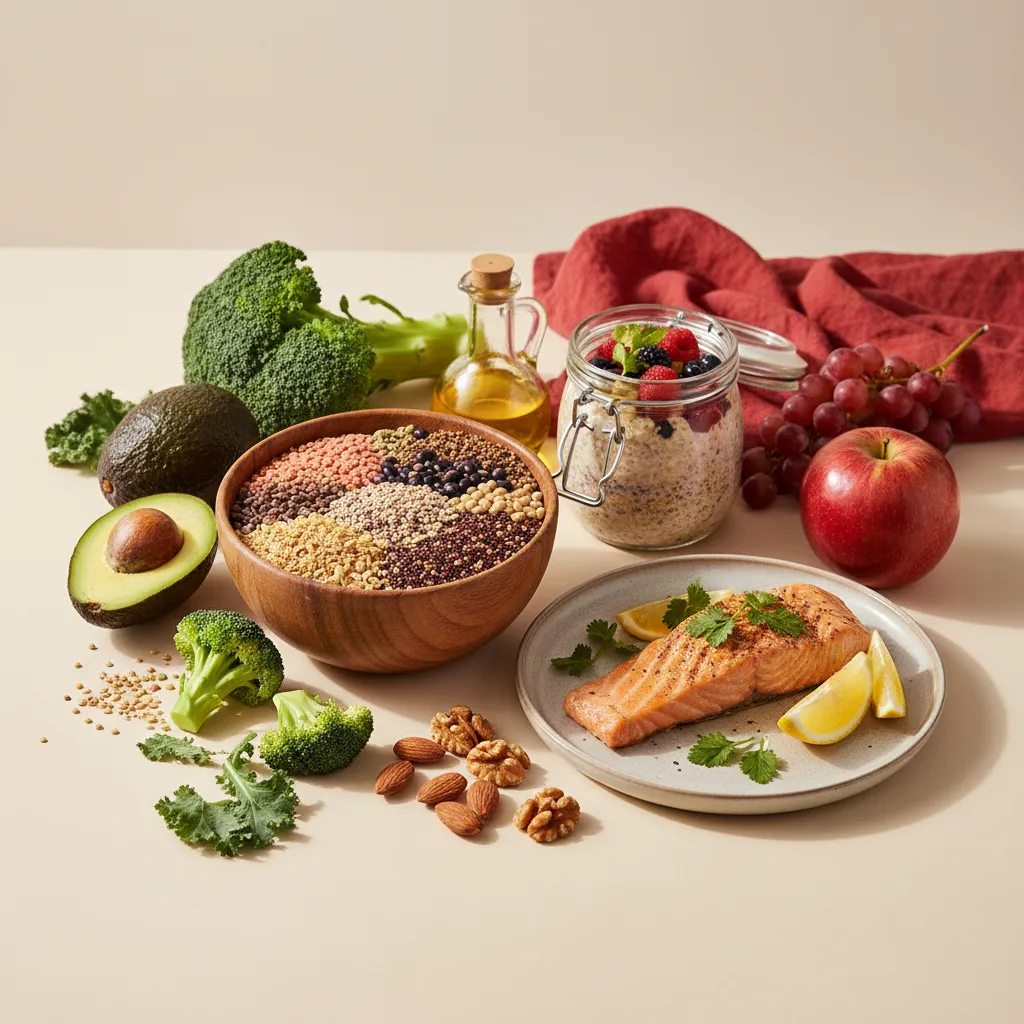
Σύντομος ορισμός από ειδικούς: Τι είναι οι Ολικές Τροφές (whole foods), πώς λειτουργούν στον οργανισμό και πώς εφαρμόζονται στην αθλητική διατροφή.
Кратък отговор: Целите храни са минимално обработени продукти, богати на естествени нутриенти, които осигуряват синергично действие на витамини, минерали, фибри и фитохимикали за оптимално здраве и спортни постижения. За разлика от преработените храни, те поддържат стабилни енергийни нива и подпомагат възстановяването, намалявайки оксидативния стрес. Практически съвет: За да оптимизирате възстановяването и енергията си, стремете се към прием на 25-38 грама фибри дневно от цели храни като плодове, зеленчуци и пълнозърнести продукти.
Цели храни (цялостни храни) е хранителна категория, при което се консумират минимално обработени продукти, използвайки естествените им хранителни вещества.
Свързано четиво: пълното ръководство по правилно хранене — основно ръководство от експертния екип на Sport Zone.
Какво представляват целите храни?
Целите храни са продукти, които не са преработени или са преработени минимално, запазвайки всичките си естествени хранителни вещества.
📖 Цели храни (цялостни храни)
Минимално обработени хранителни продукти в естествено състояние, запазващи пълен набор от макро- и микронутриенти, фибри и биоактивни съединения.
Цели храни, известни още като непреработени или минимално преработени храни, са продукти, които са оставени в тяхното естествено състояние или са претърпели само незначителни обработки, като измиване, нарязване или замразяване. Те включват плодове, зеленчуци, пълнозърнести храни, бобови растения, ядки, семена, яйца, млечни продукти и неразвалени меса и риба. Основната им характеристика е запазването на естествената им матрица от хранителни вещества, което включва макронутриенти (въглехидрати, протеини, мазнини), микронутриенти (витамини, минерали) и биоактивни съединения като фибри, антиоксиданти и фитохимикали.
За разлика от силно преработените храни, които често съдържат добавени захари, излишни мазнини, сол и изкуствени добавки, целите храни осигуряват балансиран хранителен профил. Тяхната консумация е в основата на здравословното хранене и е свързана с намален риск от хронични заболявания. Те предоставят енергия, подпомагат възстановяването и подобряват цялостното функциониране на организма, което е необходимо за активно спортуващите.
Какви са предимствата и недостатъците на целите храни?
Целите храни представляват източник на богат спектър от витамини и минерали, критични за енергия и възстановяване, подпомагат бързото възстановяване след тренировка чрез намаляване на възпаленията, поддържат стабилни нива на кръвната захар и осигуряват продължителна енергия, и създават усещане за ситост, помагайки за контролиране на телесното тегло. Въпреки тези ползи, техните основни недостатъци са, че някои видове може да изискват повече време за приготвяне, срокът им на годност често е по-кратък в сравнение с преработените храни.
- Осигуряват богат спектър от витамини и минерали, критични за енергия и възстановяване
- Подпомагат бързото възстановяване след тренировка чрез намаляване на възпаленията
- Поддържат стабилни нива на кръвната захар и осигуряват продължителна енергия
- Създават усещане за ситост, помагайки за контролиране на телесното тегло
Недостатъци
- Някои цели храни може да изискват повече време за приготвяне
- Срокът им на годност често е по-кратък в сравнение с преработените храни
- Цената на органични или специфични цели храни може да е по-висока
Ефективността на целите храни произтича от комбинираното действие на множеството им компоненти, а не само от индивидуалните им хранителни вещества. Витамините, минералите, фибрите и фитохимикалите работят заедно, като подобряват абсорбцията, метаболизма и биологичната активност на храната. Например, фибрите в плодовете и зеленчуците забавят усвояването на захарите, което поддържа стабилни нива на кръвната захар и осигурява продължителна енергия. Антиоксидантите и полифенолите предпазват клетките от оксидативен стрес, намалявайки възпаленията и подпомагайки възстановяването.
В контекста на спортното хранене, механизмът на действие на целите храни може да се обобщи чрез няколко ключови аспекта:
- Подходящо осигуряване на нутриенти: Естествено изобилстват от голямо разнообразие витамини и минерали, критични за енергийния метаболизъм, мускулната функция и имунната система.
- Подобрено възстановяване: Фитохимикалите и антиоксидантите намаляват оксидативния стрес и възпаленията, ускорявайки възстановяването след тренировка.
- Стабилни енергийни нива: Фибрите забавят храносмилането, осигурявайки постепенно освобождаване на глюкоза, което предотвратява енергийни спадове.
- Повече ситост и контрол на теглото: Високото съдържание на фибри и вода допринася за по-голямо чувство на ситост, което е полезно за управление на телесната маса.
Защо цели храни са важни за спортуващите?
Консумацията на цели храни е основна за спортистите и активно спортуващите за постигане на правилно представяне и възстановяване. Интензивните тренировки увеличават нуждата на организма от витамини, минерали и антиоксиданти, за да се справят с повишения метаболитен стрес и възможните увреждания.
Приемът на адекватни количества фибри от цели храни (препоръчително 25-38 грама дневно за възрастни спортисти) подпомага здравето на храносмилателната система и усвояването на хранителни вещества, което е директно свързано с ефективността на тренировките и възстановяването. Освен това, ISSN (Международното общество по спортно хранене) препоръчва, че до 60-70% от дневния калориен прием за спортисти трябва да идва от въглехидрати, като по-голямата част от тях следва да са сложни въглехидрати от цели храни за поддържане на гликогенните депа. Проучвания показват, че диети, богати на плодове, зеленчуци и пълнозърнести храни, намаляват маркерите за възпаление и оксидативен стрес след физическо натоварване, което води до по-бързо възстановяване и готовност за следващи тренировки.
Какви понятия са свързани с целите храни?
Свързани понятия с целите храни са хранителна плътност, антиоксиданти в храната, полифеноли и сложни въглехидрати. Хранителната плътност е характеристика, която цели храни притежават, като осигуряват изобилие от нутриенти с минимални калории.
За активно спортуващи, целите храни трябва да съставляват минимум 80% от дневния калориен прием за подходящо представяне и възстановяване. Фокусирайте се върху разнообразие от зеленчуци, пълнозърнести храни и качествени протеини. — Петър Митков
Запомни: Консумацията на цели храни е основна за спортистите, тъй като осигурява пълен спектър от хранителни вещества за енергия, възстановяване и цялостно здраве.
Научни източници
- Кардиометаболитни ползи от диета, базирана на цели, растителни храни: наративен преглед., 2022
- Концепцията за хранителната взаимно усилване и диетите с цели храни., 2009
- Може ли диета, базирана на цели, растителни храни, да обърне значително напреднало сърдечно-съдово заболяване? Преглед на литературата., 2021
Експертна бележка от Sport Zone
От дългогодишния си опит с български атлети, мога да потвърдя, че включването на цели храни е ключово за постигане на подходяща спортна форма. Те доставят всички необходими макро- и микронутриенти, както и подобряват възстановяването. Забелязал съм, че тези, които се фокусират върху цели храни, имат по-устойчива енергия и по-малък риск от контузии.
🔬 Експертна бележка от Sport Zona
От моята 12+ годишна работа с български атлети, виждам постоянно, че включването на цели храни драстично подобрява възстановяването и енергийните нива, особено по време на по-тежки тренировъчни цикли. Това не е просто теория, а ефект, който наблюдавам всекидневно в практиката. Атлетите, които залагат на истинска храна, се възстановяват по-бързо, по-рядко боледуват и имат по-стабилна енергия по време на тренировка. Аз лично винаги им препоръчвам да отдават предимство на качествени, необработени източници на храна.
Προτεινόμενα προϊόντα

Συχνές ερωτήσεις
Τι σημαίνουν οι τροφές της κατηγορίας "ολες οι τροφές";
Ολες οι τροφές είναι προϊόντα που έχουν υποστεί ελάχιστη ή καθόλου επεξεργασία, όπως φρούτα, λαχανικά, δημητριακά ολικής άλεσης και κρέατα. Διατηρούν τη φυσική τους μήτρα βιταμινών, μετάλλων, φυτικών ινών και άλλων ωφέλιμων ενώσεων.
Ποια είναι τα οφέλη της κατανάλωσης ολων των τροφών για τους αθλητές;
Οι ολες τροφές παρέχουν βέλτιστα θρεπτικά συστατικά για ενέργεια και αποκατάσταση, υποστηρίζουν σταθερά επίπεδα ενέργειας και συμβάλλουν σε καλύτερο κορεσμό. Βοηθούν στη μείωση του οξειδωτικού στρες και επιταχύνουν την αποκατάσταση μετά την προπόνηση.
Πώς λειτουργούν οι ολες τροφές στον οργανισμό;
Η αποτελεσματικότητά τους οφείλεται στη συνεργιστική δράση των συστατικών τους, που βελτιώνουν την απορρόφηση και τον μεταβολισμό. Οι φυτικές ίνες βοηθούν στα σταθερά επίπεδα σακχάρου στο αίμα, ενώ τα αντιοξειδωτικά προστατεύουν τα κύτταρα από βλάβες.
Ποια παραδείγματα ολων των τροφών είναι κατάλληλα για αθλητική διατροφή;
Κατάλληλα παραδείγματα περιλαμβάνουν διάφορα φρούτα και λαχανικά, δημητριακά ολικής άλεσης όπως βρώμη και κινόα, όσπρια, ξηρούς καρπούς, σπόρους, αυγά, καθώς και καθαρές πηγές πρωτεΐνης όπως κοτόπουλο και ψάρι.