Έλαιο Κράμβης εναντίον Ηλιέλαιου: Βελτιστοποίηση των λιπιδίων και φλεγμονώδης απόκριση

Πώς το προφίλ των λιπαρών οξέων καθορίζει την ταχύτητα της μυϊκής σας αποκατάστασης. Το κραμβέλαιο προσφέρει ιδανική αναλογία Ωμέγα-6:Ωμέγα-3 2:1, ενώ το ηλιέλαιο είναι πρωτοπόρο σε Βιταμίνη Ε (41 mg/100g), αλλά με προ-φλεγμονώδη αναλογία πάνω από 70:1.
In 2026, sports nutrigenomics views cooking fats as "inflammatory modulators". The choice between them is not merely culinary but strategic—it determines whether your diet suppresses inflammation (Rapeseed) or requires additional Omega-3 intake to compensate for an Omega-6 load (Sunflower).
📊 Comparative Matrix: Systemic Analysis (per 100g)
| Characteristic | Rapeseed Oil (Canola) | Sunflower Oil (Standard) |
|---|---|---|
| Omega-3 (ALA) | ~9 – 11% (High) | < 1% (Negligible) |
| Omega-6 (Linoleic Acid) | ~19% | ~65% (Extremely High) |
| Omega-6 : Omega-3 Ratio | ~2:1 (Ideal) | > 70:1 (Pro-inflammatory) |
| Vitamin E (mg/100g) | ~17 mg | ~41 mg (Leader) |
| Smoke Point (Refined) | ~242°C | ~225 – 232°C |
| Monounsaturated Fats (O9) | ~63% | ~20% |
🧬 In-depth Analysis of Mechanisms for Athletes
1. Rapeseed Oil: The "Anti-inflammatory Regulator"
Rapeseed oil (especially low-erucic acid varieties) is the only widely available oil offering a significant amount of Alpha-Linolenic Acid (ALA)—the plant-based Omega-3.
💬 Simply put: Imagine your muscles as race cars. Rapeseed oil is like high-quality fuel that ensures smooth post-race recovery, while sunflower oil is like fuel that can cause engine overheating.
❤️ ALA and Cardiac Adaptation
Omega-3 fatty acids improve arterial elasticity and reduce blood viscosity. For endurance athletes, this means better microcirculation and oxygen delivery to muscles.
🏋️ Metabolic Neutrality
With the lowest saturated fat content (~7%) among common oils, it's the "lightest" fuel for the liver, minimizing the risk of steatosis during a caloric surplus (Bulking).
🫒 Specific Tolerance
Its high Omega-9 (oleic acid) content makes it metabolically similar to olive oil, but with a more neutral taste that doesn't alter the flavor of sports meals.
2. Sunflower Oil: The "Antioxidant Shield and Omega Risk"
Sunflower oil is a concentrate of alpha-tocopherol (Vitamin E) but requires caution due to its Omega profile.
💬 Simply put: Think of the Omega-6 to Omega-3 ratio as the balance between attacking and defending players on a football team. Rapeseed oil keeps this balance ideal for recovery, while sunflower oil has too many attackers, which can lead to "injuries" (inflammation).
Προτεινόμενα προϊόντα
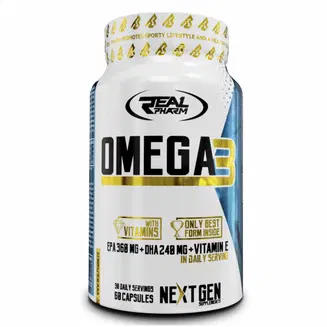 Real Pharm Omega 3 60 κάψουλες9.71 €
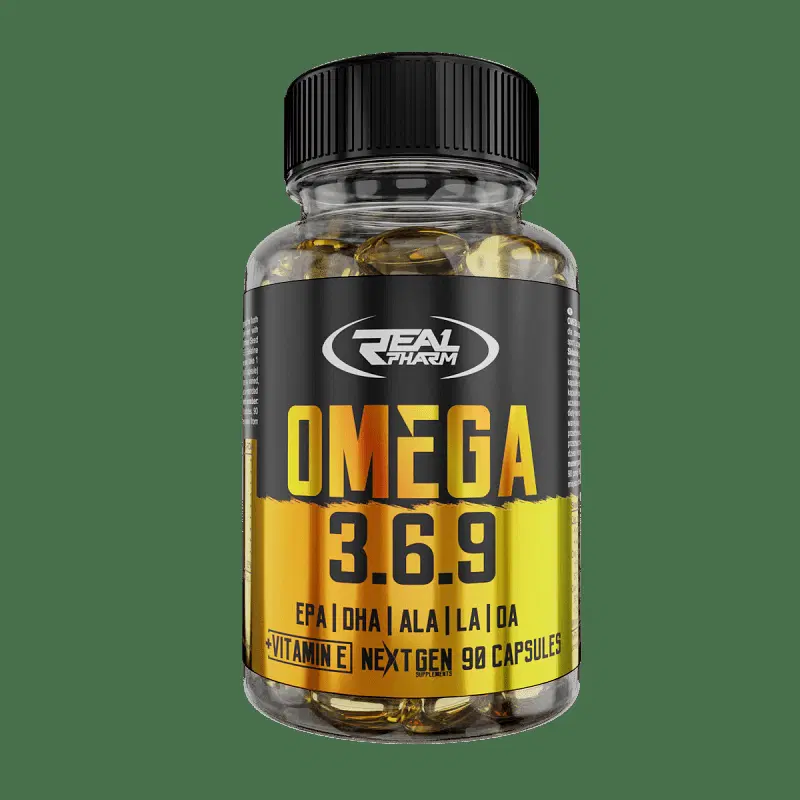 Omega 3 6 9 Real Pharm 90 κάψουλες9.71 €
 Real Pharm Vitamin C Forte 90 ταμπλέτες8.18 €
Συχνές ερωτήσεις
Γιατί το κραμβέλαιο είναι καλύτερο για τους αθλητές από τον ηλιέλαιο;
Το κραμβέλαιο έχει αναλογία Ωμέγα-6:Ωμέγα-3 2:1 (ιδανικό για τον έλεγχο της φλεγμονής), ενώ ο ηλιέλαιος είναι πάνω από 70:1 – προ-φλεγμονώδες. Για αθλητές που παλεύουν με τον μυϊκό πόνο (DOMS), το κραμβέλαιο είναι η πιο λογική επιλογή.
Τι είναι το ηλιέλαιο High Oleic;
Αυτή είναι μια επιλεγμένη ποικιλία που περιέχει έως και 80% Ωμέγα-9 (ελαικό οξύ) και πολύ λίγο Ωμέγα-6. Είναι θερμοδυναμικά πιο σταθερό και υγιεινό – ιδανικό για τηγάνισμα χωρίς τον φλεγμονώδη κίνδυνο του συμβατικού.
Είναι ασφαλές το κραμβέλαιο για μαγείρεμα σε υψηλή θερμοκρασία;
Ναι – το επεξεργασμένο κραμβέλαιο έχει σημείο καπνίσματος ~242°C, καθιστώντας το κατάλληλο για ψήσιμο στο φούρνο και σοτάρισμα. Σημαντικό: ποτέ μην επαναχρησιμοποιείτε το λάδι, καθώς το Ωμέγα-3 οξειδώνεται με την επαναθέρμανση.
Πρέπει να ανησυχώ για ΓΤΟ στο κραμβέλαιο;
Ένα μεγάλο μέρος του παγκόσμιου κραμβελαίου είναι ΓΤΟ. Αν παρακολουθείτε την καθαρότητα της τροφής σας, αναζητήστε πιστοποιήσεις Organic ή Non-GMO Project Verified. Για μαγείρεμα, η διαφορά στη διατροφική αξία είναι ελάχιστη.