Intermitent fasting vs. Frequent eating: Cellular repair vs. Anabolic maintenance
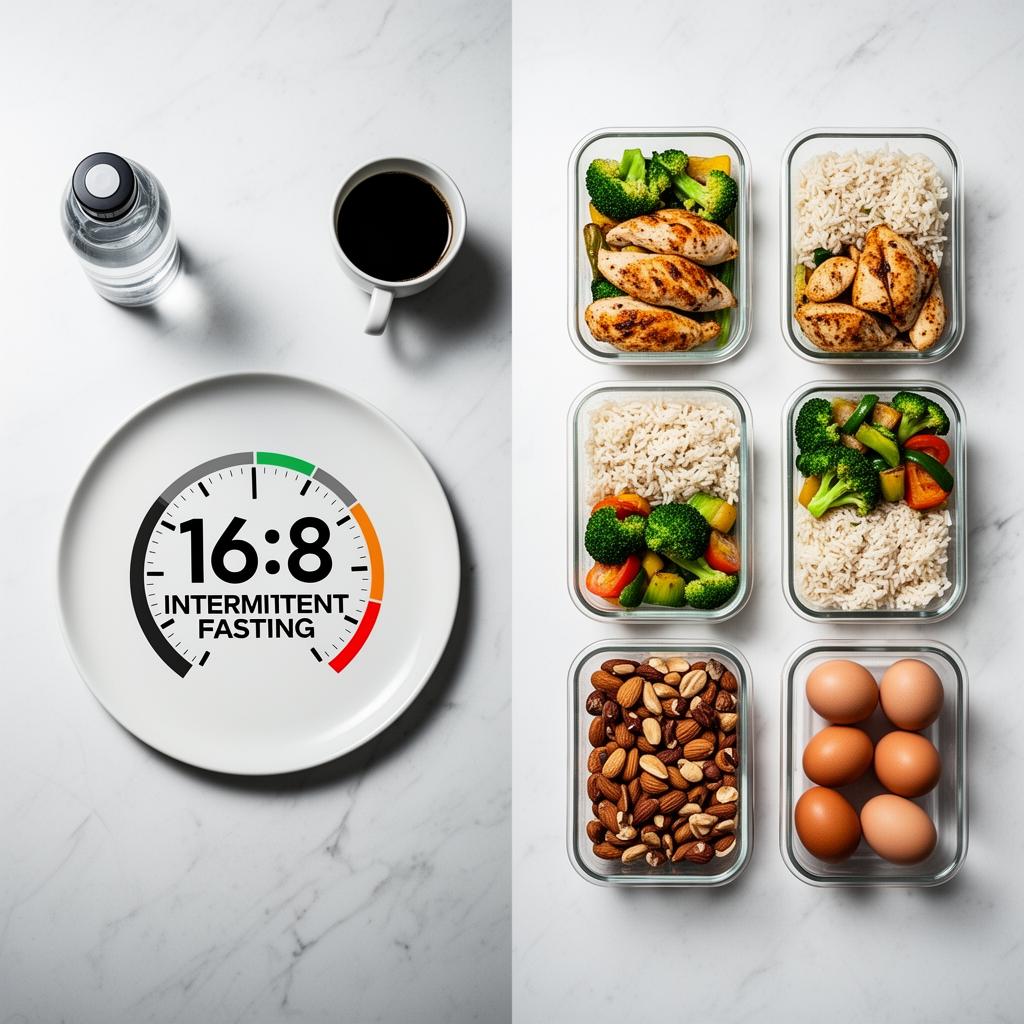
Disputa dintre aceste doua regimuri nu este despre cine arde mai multe grasimi (la calorii egale, rezultatul este similar), ci despre ce mediu hormonal doriti sa creati.
The Science Behind Metabolic Flexibility and Nitrogen Balance
The debate between these two regimes is not about which one burns more fat (with equal calories, the result is similar), but about what hormonal environment you want to create. The difference is between activating the body's survival mechanisms and maintaining a growth catalyst.
💬 Simply put: It's like explaining how your car switches between different fuels (gasoline/LPG) and how the body uses proteins to "repair" and "build" muscles without losing them.
📊 Comparative Matrix: System Analysis
| Characteristic | Intermittent Fasting (16/8) | Frequent Meals (5-6 times) |
|---|---|---|
| Primary Mechanism | Autophagy and Insulin Rest | Constant Nitrogen Balance |
| Insulin Profile | Long periods of baseline levels | Frequent, controlled spikes |
| Muscle Synthesis | Periodic (intense) | Constant (optimal) |
| Growth Hormone | Increased (natural peak) | Stable |
| Cortisol Levels | May increase (stress) | Low (stable sugar) |
| Psychology | "All or nothing" | Constant focus on food |
🧬 In-depth Analysis of Mechanisms
1. Intermittent Fasting: The Metabolic "Cleaning Mode"
When the body doesn't receive food, it switches from "consumption" mode to "recycling" mode.
💬 Simply put: Here we will look at the "internal" processes in the body – like how cells "clean" themselves or how new muscles are "built," at a microscopic level.
- Autophagy (Cellular Self-Eating): After about 14–16 hours without food, nutrient sensors (like mTOR) turn off, and AMPK is activated. The body begins to identify old, damaged proteins and mitochondria, breaking them down and using them for energy.
- Insulin Sensitivity: Through "rest" from food, cell receptors become extremely sensitive. When you finally eat, your body directs nutrients much more effectively to muscles, rather than to fat stores.
2. Frequent Meals: The Holy Grail of Anabolism
Muscle protein synthesis (MPS) has a duration limit (about 3–4 hours after a meal).
- Amino Acid Window: By eating every 3 hours, you keep MPS activated throughout the day. With IF, you have long periods where the body is not building muscle, but merely maintaining existing muscle.
- Thermic Effect of Food (TEF): Although minimal, the body expends energy for every digestion. Frequent eating keeps this "metabolic fire" active, although the total expenditure for the day depends more on total calories.
🛡️ Hormonal Balance: Testosterone and Cortisol
- Growth Hormone (GH) with IF:
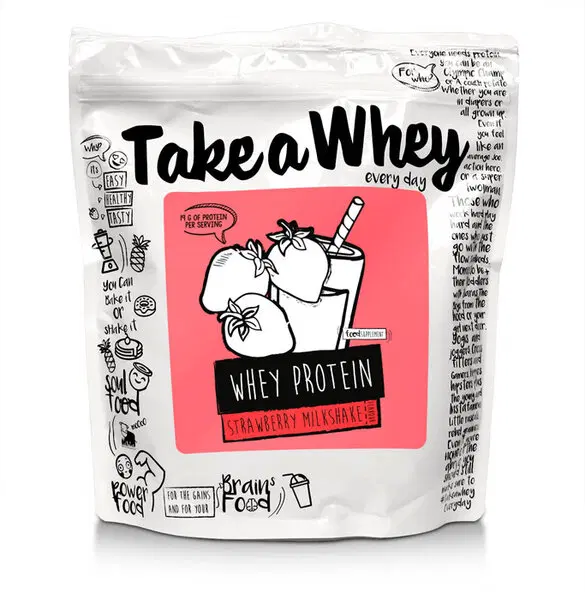
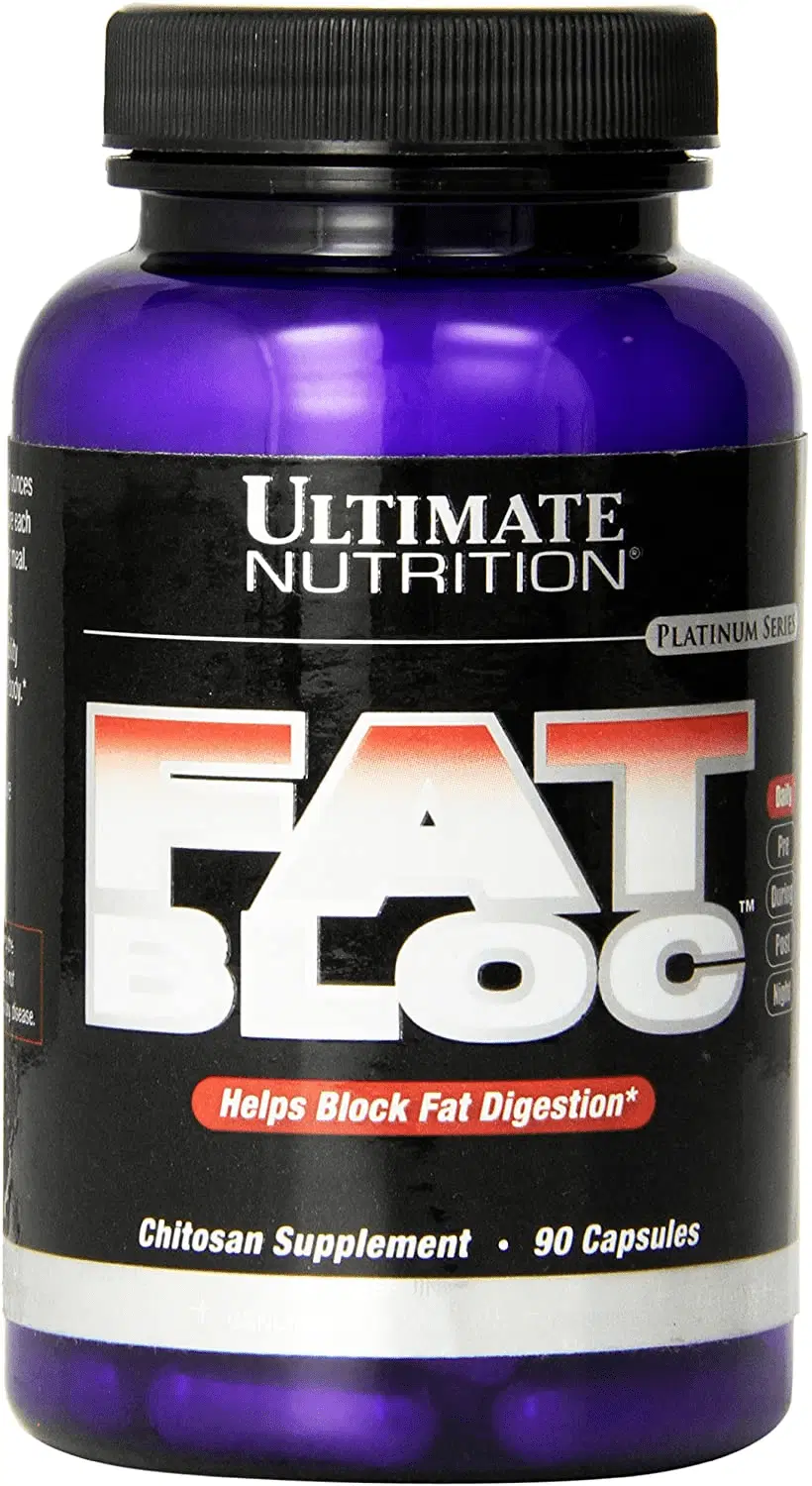
Produse recomandate
Întrebări frecvente
IF reduce masa musculară?
Cu un aport suficient de proteine și antrenament de rezistență, IF nu duce la pierderea masei musculare. Hormonul de creștere crește în timpul postului pentru a proteja mușchii. Cu toate acestea, pentru hipertrofie maximă, mesele frecvente sunt mai optime.
Câte ore de post sunt necesare pentru autofagie?
Procesul de autofagie începe să se activeze după aproximativ 14-16 ore fără hrană. Prin urmare, protocolul 16/8 este pragul minim pentru rezultate semnificative. Important: chiar și 50 de calorii pot întrerupe procesul.
Pot combina IF și mese frecvente?
Da, protocolul Hybrid Master oferă IF (16/8) în zilele lucrătoare pentru concentrare și sensibilitate la insulină, și mese frecvente în weekend pentru anabolism și recuperare.
Cafeaua întrerupe postul?
Cafeaua neagră (fără zahăr, lapte sau smântână) nu întrerupe postul și poate chiar amplifica autofagia. Cu toate acestea, adăugarea de smântână sau lapte (chiar și 50 de calorii) activează căile insulinice și întrerupe curățarea celulară.