Alanină
Aflați ce este Alanina, cum acționează, ce beneficii are și cum să o luați corect. Analiză de expert de la SportZone.
What is Alanine?
Alanine — Alanine is a non-essential amino acid that plays a central role in energy metabolism, especially during intense physical exertion. It is a key component in the glucose-alanine cycle, aiding in the transport of nitrogen between muscles and the liver.
🔬 From SportZone's Experience
In our work with over 50,000 clients, we often notice that alanine is overlooked because it's a non-essential amino acid. Nevertheless, an adequate intake of protein rich in alanine is essential for athletes training at high intensity. A common mistake is to focus only on "trendy" amino acids, neglecting essential ones like alanine that support fundamental metabolic processes.
⚡ Alanine in a Nutshell
- Type: Non-essential amino acid
- Origin: Natural (synthesized in the body, obtained from food)
- Best for: Energy metabolism, blood sugar maintenance, ammonia detoxification
- Timing: Anytime, often as part of a protein shake or BCAA complex
- Daily dose: Usually 1-3 grams as a supplement, but it's part of protein intake
- Main benefit: Supports energy production and reduces fatigue through efficient glucose metabolism.
Simple Explanation: What Does Alanine Do?
Imagine your muscles are like small factories that produce energy. When they work hard, they produce a "waste product" (ammonia) and need "fuel" (glucose). Alanine is like a special "transport truck" that helps move this waste product out of the muscles to the liver for processing, while simultaneously providing "fuel" back to the muscles so they can keep working. It's a key player in maintaining balance.
👉 In other words: Alanine is crucial for converting waste products into energy, ensuring endurance and maintaining stable blood sugar levels.
Scientific Explanation of Alanine
Alanine (specifically L-alanine) is a proteinogenic alpha-amino acid, meaning it's one of the building blocks of proteins and contains an amino group attached to an alpha-carbon atom. It is the second most abundant amino acid in the human body and is classified as non-essential because it can be synthesized endogenously from pyruvate via transamination, a process catalyzed by alanine transaminase.
Alanine's central role in metabolism is its involvement in the glucose-alanine cycle. During intense physical exertion or fasting, muscle tissue breaks down proteins into amino acids, including alanine. Alanine is released into the bloodstream and transported to the liver, where its amino group is removed and used for urea synthesis (for ammonia detoxification), and the carbon skeleton (pyruvate) is converted into glucose via gluconeogenesis. This newly synthesized glucose is then returned to the muscles, providing energy and maintaining stable blood sugar levels. This cycle is crucial for maintaining glucose homeostasis and managing nitrogen metabolism.
How Does Alanine Work in the Body and Why is it Effective?
Alanine's primary mechanisms include:
📚 Scientific Sources
- Felig, P. (1975). Amino acid metabolism in man. Annual Review of Biochemistry, 44(1), 933-955. (DOI: 10.1146/annurev.bi.44.070175.004441)
- Dohm, G. L., & Tapscott, E. B. (1987). Protein metabolism during exercise. Exercise and Sport Sciences Reviews, 15(1), 169-199. (PubMed: 3319760)
- Adibi, S. A. (1976). Metabolism of branched-chain amino acids in altered nutritional states. Metabolism, 25(10), 1287-1302. (DOI: 10.1016/0026-0495(76)90013-1)
- Holeček, M. (2020). Branched-chain amino acids in health and disease: metabolism, alterations in disease, and supplementation. Nutrition & Metabolism, 17(1), 37. (DOI: 10.1186/s12986-020-00461-9)
- Glucose-Alanine Cycle — Alanine transports nitrogen groups from muscles to the liver, where it is converted into glucose, which is returned to the muscles for energy, maintaining blood sugar levels.
- Ammonia Detoxification — Through the glucose-alanine cycle, alanine helps remove toxic ammonia from muscles, preventing fatigue and maintaining muscle function.
- Protein Synthesis — As one of the primary amino acids, alanine is a building block for the synthesis of new proteins, which is essential for muscle recovery and growth.
👉 End effect: Improves energy metabolism, reduces toxic waste buildup, and supports muscle recovery, leading to better endurance and less fatigue.
What are the Proven Benefits of Alanine Supplementation?
- ✅ Maintaining Stable Blood Sugar Levels — Especially important during prolonged training or fasting periods, preventing hypoglycemia.
- ✅ Reducing Muscle Fatigue — By efficiently removing ammonia from muscles, alanine helps delay fatigue and maintain performance.
- ✅ Supporting Muscle Recovery — As a protein building block, it contributes to the repair and growth of muscle tissue after exertion.
- ✅ Enhancing Immune Function — Alanine is important for the production of lymphocytes and antibodies, supporting the immune system.
How to Take Alanine for Best Results?
Dosage: As a standalone supplement, a dose of 1 to 3 grams daily is usually recommended. As part of protein powders or BCAA complexes, the dose will vary depending on the total amino acid content.
When to take: It can be taken at any time of the day but is particularly useful before or during training to support energy metabolism, or after training as part of a recovery shake. Taking it with food may improve absorption.
Practical advice: For maximum benefits, integrate alanine as part of a balanced intake of proteins and carbohydrates, especially around workouts.
Should You Take Alanine?
✅ Yes, if:
- You want to maintain stable blood sugar levels during long workouts to avoid energy crashes.
- You are looking for a way to reduce ammonia buildup in muscles, which contributes to fatigue and decreased performance.
- You aim to improve overall muscle recovery and growth, as alanine is a key proteinogenic building block.
❌ No, if:
- You already consume enough protein from diverse sources and do not experience issues with energy or recovery.
- You have specific medical conditions for which amino acid intake should be discussed with a doctor.
- You are looking for a direct "booster" for strength or explosiveness, as alanine's role is more supportive and metabolic.
Who is Alanine NOT Suitable For?
- Individuals with liver or kidney diseases — As the liver and kidneys are the primary organs for amino acid metabolism and excretion, additional intake may strain these organs.
- Pregnant and breastfeeding women — There is insufficient research on the safety of high doses of alanine in these groups.
- Individuals taking certain medications — Always consult with a doctor if you are taking medications, as interactions may occur.
- Individuals with metabolic disorders — Some rare metabolic diseases may require a specific dietary regimen, including amino acid restrictions.
Who is Alanine Most Suitable For?
- 🏋️♂️ Strength Athletes — Supports recovery and muscle protein synthesis, especially during calorie-restricted diets.
- 🏃 Endurance Athletes — Ensures stable blood sugar levels and reduces fatigue during long training sessions and competitions.
- 🧍♂️ Active Individuals — Supports energy metabolism and overall well-being, helping to cope with daily stress and physical exertion.
- 🌱 Vegans/Vegetarians — Can be beneficial as an additional source of amino acids if protein intake is not sufficiently diverse.
What Combines Well with Alanine for Maximum Effect?
- BCAAs (Branched-Chain Amino Acids) — For a synergistic effect on muscle recovery and energy metabolism, especially before and after training.
- Carbohydrates (e.g., dextrose, maltodextrin) — To optimize the glucose-alanine cycle and rapid replenishment of glycogen stores after training.
- Protein Powder (whey, casein, plant-based) — As a building block, alanine complements the full amino acid profile for muscle growth and recovery.
Pros and Cons of Alanine
✅ Pros
- Maintains stable blood sugar and energy levels.
- Effectively detoxifies ammonia, reducing fatigue.
- Essential building block for muscle growth and recovery.
- Supports the immune system.
❌ Cons
- As a non-essential amino acid, the body can produce it itself if sufficient precursors are available.
- The effect of standalone supplementation may be less pronounced compared to complex supplements.
- Excessive intake, like any amino acid, can strain the kidneys.
How to Choose Quality Alanine?
- Protein Percentage on the Label: In most cases, quality products offer over 80% protein. Check if the percentage is based on dry matter or total weight.
- Amino Acid Profile: Pay attention to leucine content. In quality products, it is usually over 10% of the total protein.
- Collagen Indicator (Hydroxyproline): If not explicitly stated as collagen peptide, the presence of hydroxyproline in significant amounts (over 1-2%) may indicate the addition of cheaper protein sources.
- Additives (Sweeteners, Fillers): Avoid products with a long list of artificial sweeteners, colorings, and fillers. In most cases, fewer additives mean a purer product.
- Certifications and Third-Party Testing: Products tested by independent laboratories for purity and composition may offer greater confidence in quality.
When to Choose Alanine Over Alternatives?
- Choose Alanine if:
- You are looking for a fast-absorbing protein with high bioavailability, for example, post-workout.
- You need protein with minimal lactose or fat content.
- You aim for an intake of about 20-25 grams of protein per dose, with a high percentage of branched-chain amino acids (BCAAs).
- Choose Casein if:
- You need a slow-absorbing protein for sustained amino acid release, for example, before sleep.
- You are looking for a protein that provides a feeling of fullness for a longer period.
What to Compare Alanine With?
Understand how Alanine differs from other supplements:
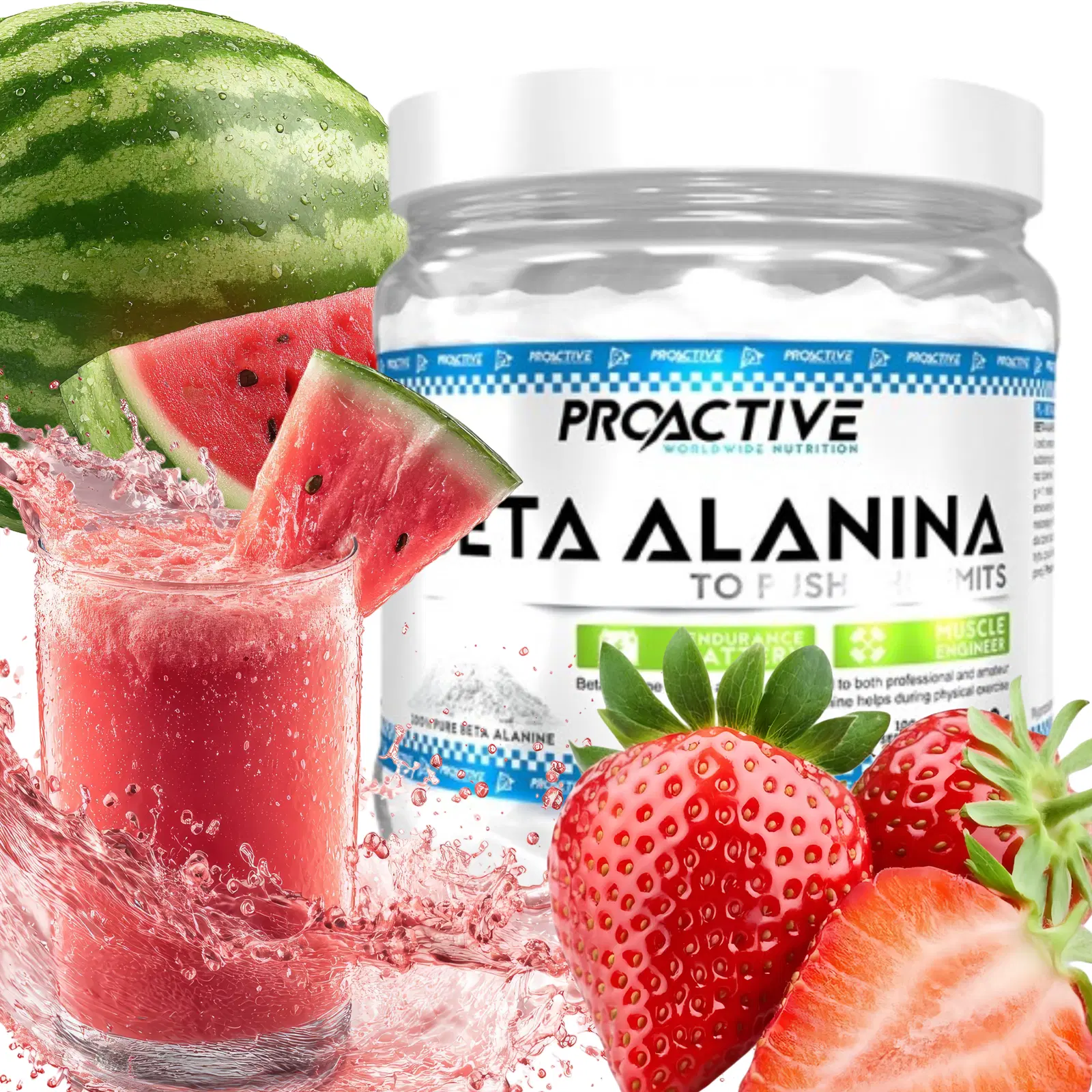
- Alpha-Alanine vs. Beta-Alanine — While Alpha-alanine (L-alanine) is fundamental for energy metabolism and gluconeogenesis, Beta-alanine is a precursor to carnosine, which buffers lactic acid and reduces muscle fatigue.
- Alanine vs. Phenylalanine — Alanine is a non-essential amino acid focused on energy metabolism, whereas Phenylalanine is an essential amino acid crucial for neurotransmitter synthesis and cognitive function.
- Alanine vs. Arginine — Alanine participates in energy metabolism and ammonia detoxification, while Arginine is a precursor to nitric oxide, enhancing blood circulation and nutrient delivery to the muscles.
⚠️ Important: Dietary supplements are not a substitute for a balanced diet and a healthy lifestyle. The information in this article is for educational purposes and does not constitute medical advice. Consult with a doctor before use, especially if you are taking medications, have chronic conditions, or are pregnant/breastfeeding.
Produse recomandate
Întrebări frecvente
Ce este alanina și la ce se folosește?
Alanina este un aminoacid neesențial pe care organismul îl poate produce singur. Joacă un rol important în metabolismul glucozei și în sinteza proteinelor. Este utilizată ca supliment alimentar pentru a sprijini creșterea și recuperarea musculară.
În ce alimente pot găsi alanină?
Alanina se găsește în diverse alimente bogate în proteine. Surse bune includ carnea, peștele, ouăle, produsele lactate, precum și leguminoasele și cerealele.
Există efecte secundare la administrarea de alanină?
La doze normale, alanina este, în general, considerată sigură. Unii oameni pot experimenta probleme gastrointestinale ușoare, dar acest lucru este rar. Este întotdeauna bine să consultați un medic înainte de a lua suplimente.
Cum afectează alanina energia și performanța?
Alanina poate ajuta la menținerea nivelului de energie prin participarea la gluconeogeneză (producția de glucoză). Acest lucru poate contribui la îmbunătățirea performanței fizice și a rezistenței în timpul antrenamentului.