Catabolism
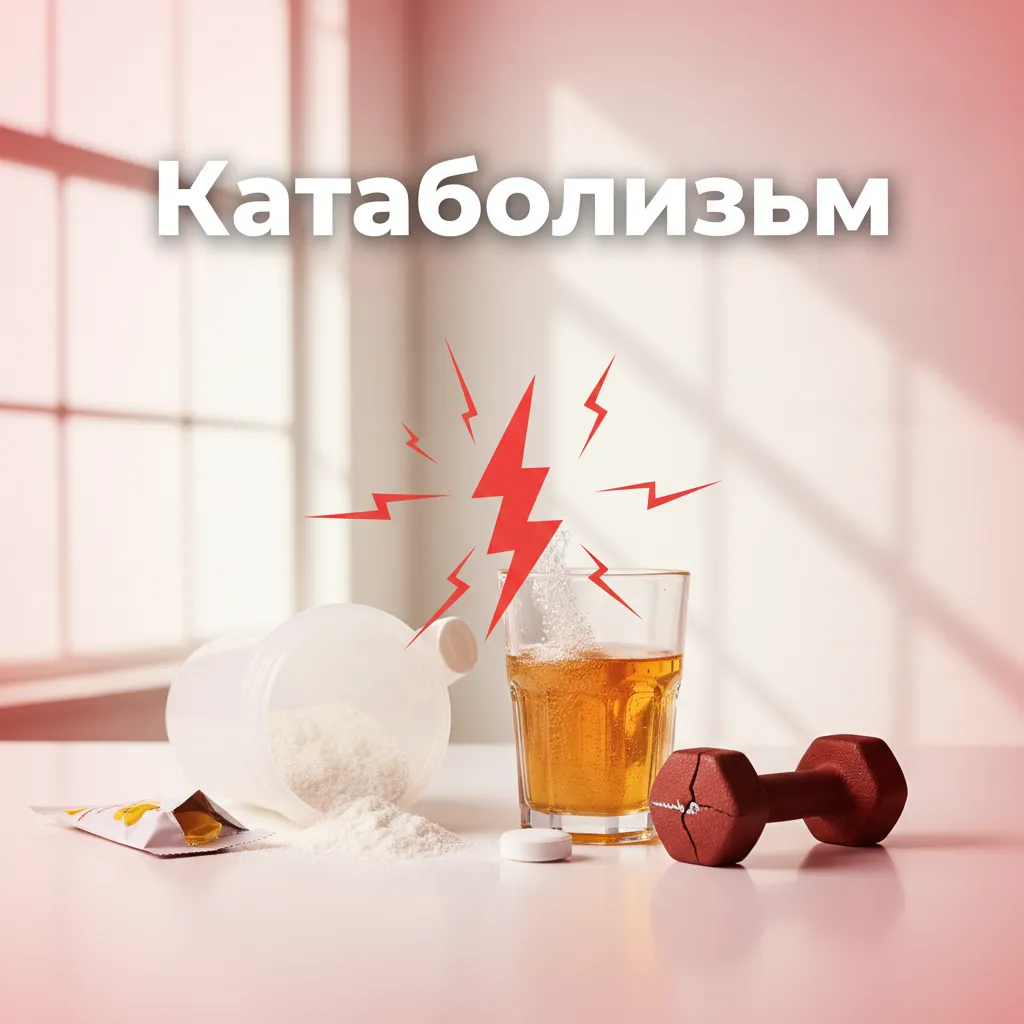
Definiție scurtă și expertă: Ce este catabolismul, cum funcționează în organism și cum se aplică în nutriția sportivă.
Răspuns scurt: Catabolismul este un proces natural de descompunere a moleculelor complexe pentru energie, dar la sportivi, catabolismul necontrolat duce la pierderea masei musculare. Sfat practic: Pentru a minimiza descompunerea musculară, asigurați un aport de 1,6 până la 2,2 grame de proteine pe kilogram corp pe zi.
Catabolismul este un proces metabolic în care moleculele complexe sunt descompuse în altele mai simple, eliberând energie pentru nevoile celulare.
Pentru un context larg, consultați ghidul complet de nutriție corectă — un ghid principal de la echipa de experți Sport Zona.
Ce este catabolismul?
Catabolismul reprezintă procesul prin care organismul descompune alimentele și substanțele pentru a obține energie pentru toate funcțiile sale.
📖 Catabolism
Catabolismul este un proces metabolic în care moleculele complexe sunt descompuse în altele mai simple, eliberând energie pentru nevoile celulare și menținerea funcțiilor vitale.
Catabolismul este unul dintre cele două tipuri principale de procese metabolice la organismele vii, alături de anabolism. Acesta implică reacții chimice care descompun molecule mari, complexe – cum ar fi proteinele, lipidele și carbohidrații – în unități mai mici, mai simple. Scopul principal al catabolismului este eliberarea energiei chimice stocate, care poate fi apoi utilizată pentru a susține funcțiile vitale, cum ar fi creșterea celulară, recuperarea, mișcarea și menținerea temperaturii corpului. Acest proces este esențial pentru supraviețuirea și funcționarea fiecărei celule.
În contextul nutriției, procesele catabolice încep încă din timpul digestiei, unde enzimele descompun macronutrienții în monomeri: proteinele în aminoacizi, carbohidrații în monozaharide (cum ar fi glucoza), iar grăsimile în acizi grași și glicerol. Aceste molecule mai mici sunt apoi absorbite de organism și transportate la celule, unde continuă să fie descompuse prin diverse căi metabolice pentru a genera energie sub formă de adenozintrifosfat (ATP). ATP este principala monedă energetică a celulei.
Cum funcționează catabolismul?
Catabolismul reprezintă un proces care descompune molecule complexe în altele mai simple, eliberând energie pentru funcțiile vitale ale corpului și furnizând energie în timpul activității fizice. Acesta adaptează corpul în condiții de stres sau foame, dar descompunerea excesivă duce la degradarea musculară și poate reduce performanța sportivă în cazul unui aport neechilibrat.
- Eliberează energie pentru funcțiile vitale ale corpului
- Descompune nutrienții în componente asimilabile
- Furnizează energie în timpul activității fizice
- Adaptează corpul în condiții de stres sau foame
Dezavantaje
- Descompunerea excesivă duce la degradarea musculară
- Încetinește recuperarea după efort
- Poate reduce performanța sportivă în cazul unui aport neechilibrat
- Este asociat cu hormoni de stres precum cortizolul în cazul eforturilor prelungite
Mecanismul catabolismului este complex și implică numeroase reacții catalizate enzimatic, care au loc în diferite părți ale celulei. De exemplu, descompunerea glucozei începe în citoplasmă prin glicoliză, producând piruvat și o cantitate mică de ATP. Piruvatul intră apoi în mitocondrii, unde prin ciclul Krebs și fosforilarea oxidativă se generează o cantitate mult mai mare de ATP. Căi similare există pentru descompunerea acizilor grași (beta-oxidare) și a aminoacizilor, care pot fi transformați în compuși intermediari și pot intra în ciclul Krebs pentru producerea de energie.
Hormonii cheie reglează procesele catabolice. De exemplu, cortizolul, cunoscut ca "hormonul stresului", stimulează descompunerea proteinelor și a grăsimilor, în special în condiții de foame sau stres prelungit, pentru a furniza glucoză creierului și energie corpului. Glucagonul, secretat de pancreas, crește nivelul glicemiei prin stimularea descompunerii glicogenului din ficat (glicogenoliză) și producerea de glucoză din aminoacizi și glicerol (gliconeogeneză). Adrenalina poate, de asemenea, să stimuleze procesele catabolice ca răspuns la stresul pe termen scurt sau la efortul fizic, asigurând un flux rapid de energie.
De ce este important catabolismul pentru sportivi?
Pentru sportivi, echilibrul dintre catabolism și anabolism este crucial pentru atingerea performanțelor maxime și pentru recuperare. În timp ce catabolismul moderat este necesar pentru producerea de energie în timpul antrenamentelor, descompunerea excesivă și necontrolată a țesuturilor, în special a proteinelor musculare, este extrem de nedorită. Antrenamentele intense și prelungite, mai ales fără un aport nutrițional adecvat, pot inversa echilibrul spre catabolism, ducând la degradarea musculară, recuperare lentă și scăderea performanței. Studiile arată că după antrenamente grele, se poate observa o descompunere crescută a proteinelor musculare pentru energie, dacă nu sunt disponibile suficiente carbohidrați și grăsimi.
Pentru a minimiza catabolismul muscular, sportivii trebuie să aplice o strategie nutrițională adecvată. Aceasta include asigurarea unui aport suficient de proteine – adesea în intervalul de 1,6 până la 2,2 grame pe kilogram corp (g/kg greutate corporală) pentru sportivi, pentru a susține și repara țesuturile musculare. Aportul adecvat de carbohidrați (de obicei 4-7 g/kg greutate corporală, în funcție de intensitatea antrenamentului) este la fel de important, deoarece aceștia sunt sursa preferată de energie și economisesc descompunerea proteinelor. Consumul de nutrienți înainte, în timpul și după antrenament, precum și un aport caloric suficient, sunt cheia menținerii unui echilibru energetic pozitiv și minimizării proceselor catabolice, susținând creșterea musculară și recuperarea.
Ce sunt conceptele asociate?
Conceptele asociate sunt termeni strâns legați de catabolism, care ajută la o mai bună înțelegere a acestui proces metabolic. Anabolismul reprezintă un proces metabolic opus, în care energia este utilizată pentru a construi molecule complexe din altele mai simple. BMR (rata metabolică bazală) este rata cu care corpul arde calorii în repaus, o mare parte din acestea fiind rezultatul proceselor catabolice. Echilibrul energetic este raportul dintre energia consumată și cea cheltuită, care influențează direct predominanța proceselor catabolice sau anabolice. Lipoliza este un proces catabolic specific de descompunere a trigliceridelor în acizi grași și glicerol.
Pentru sportivi, este recomandat să mențină un aport zilnic de peste 1,6 grame de proteine pe kilogram corp și un aport caloric adecvat pentru a minimiza catabolismul muscular. — Petar Mitkov
Rețineți: Echilibrul dintre catabolism și anabolism este esențial pentru orice sportiv, aportul nutrițional adecvat fiind fundamental pentru minimizarea pierderilor catabolice și susținerea recuperării.
Surse științifice
Notă expertă de la Sport Zona
Din experiența mea cu sportivii bulgari, subestimăm adesea cât de ușor poate apărea catabolismul în cazul unui aport insuficient de hrană pe lângă antrenamentele grele. Am văzut mulți sportivi buni "ardând" sau neprogresând, deoarece nu își acoperă adecvat nevoile energetice. Recuperarea și creșterea sunt direct legate de contracararea acestui proces după eforturi intense.
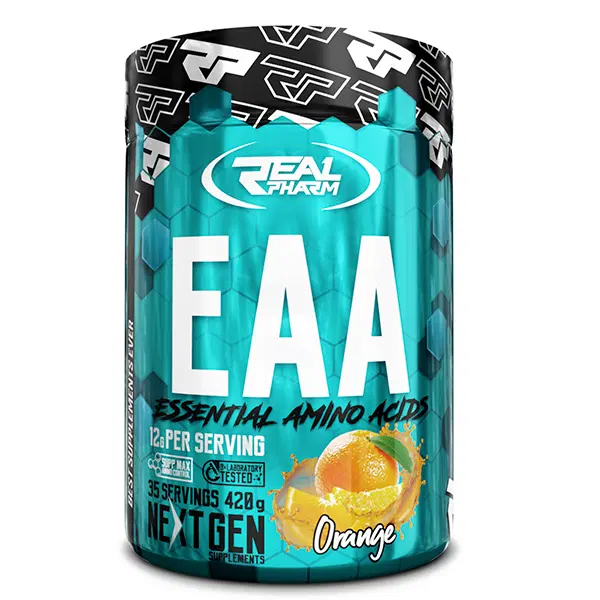
Produse recomandate
Întrebări frecvente
Ce este catabolismul în organism?
Catabolismul este un proces metabolic în care substanțe nutritive complexe (cum ar fi proteinele, carbohidrații și grăsimile) sunt descompuse în compuși mai simpli. Acest lucru eliberează energie, pe care corpul o folosește pentru a-și menține funcțiile vitale.
De ce este important catabolismul pentru sportivi?
Pentru sportivi, catabolismul este necesar pentru a furniza energie în timpul antrenamentului. Cu toate acestea, catabolismul necontrolat poate duce la pierderea masei musculare, ceea ce reduce performanța și încetinește recuperarea.
Cum poate fi redus catabolismul nedorit la sportivi?
Pentru a minimiza catabolismul muscular, sportivii trebuie să asigure un aport adecvat de proteine (1.6-2.2 g/kg greutate corporală) și carbohidrați. O nutriție corectă înainte, în timpul și după antrenament este esențială.
Ce hormoni reglează procesele catabolice?
Procesele catabolice sunt reglate de hormoni precum cortizolul, glucagonul și adrenalina. Acești hormoni ajută la asigurarea unui flux rapid de energie, în special în condiții de stres sau efort fizic intens.