Ulei de rapiță versus ulei de floarea-soarelui: Optimizarea lipidelor și răspunsul inflamator

Cum profilul acizilor grași determină viteza de recuperare musculară. Uleiul de rapiță oferă un raport ideal Omega-6:Omega-3 de 2:1, în timp ce uleiul de floarea-soarelui este lider la Vitamina E (41 mg/100g), dar cu un raport pro-inflamator de peste 70:1.
In 2026, sports nutrition views cooking oils as "inflammatory modulators." The choice between them is not merely culinary but strategic—it determines whether your diet suppresses inflammation (Rapeseed) or requires additional Omega-3 intake to compensate for an Omega-6 load (Sunflower).
📊 Comparative Matrix: Systemic Analysis (per 100g)
| Characteristic | Rapeseed Oil (Canola) | Sunflower Oil (Standard) |
|---|---|---|
| Omega-3 (ALA) | ~9 – 11% (High) | < 1% (Negligible) |
| Omega-6 (Linoleic Acid) | ~19% | ~65% (Extremely High) |
| Omega-6 : Omega-3 Ratio | ~2:1 (Ideal) | > 70:1 (Pro-inflammatory) |
| Vitamin E (mg/100g) | ~17 mg | ~41 mg (Leader) |
| Smoke Point (Refined) | ~242°C | ~225 – 232°C |
| Monounsaturated Fats (O9) | ~63% | ~20% |
🧬 In-depth Analysis of Mechanisms for Athletes
1. Rapeseed Oil: The "Anti-inflammatory Regulator"
Rapeseed oil (especially low-erucic acid varieties) is the only widely available oil offering a significant amount of Alpha-Linolenic Acid (ALA)—the plant-based Omega-3.
💬 Simply put: Imagine your muscles as race cars. Rapeseed oil is like high-quality fuel that ensures smooth recovery post-race, while sunflower oil is like fuel that can cause the engine to overheat.
❤️ ALA and Cardiac Adaptation
Omega-3 fatty acids improve arterial elasticity and reduce blood viscosity. For endurance athletes, this means enhanced microcirculation and oxygen delivery to muscles.
🏋️ Metabolic Neutrality
With the lowest saturated fat content (~7%) among common oils, it's the "lightest" fuel for the liver, minimizing the risk of fatty liver disease during caloric surplus (Bulking).
🫒 Specific Tolerance
Its high Omega-9 (oleic acid) content makes it metabolically similar to olive oil, but with a more neutral taste that doesn't alter the flavor of sports meals.
2. Sunflower Oil: The "Antioxidant Shield and Omega Risk"
Sunflower oil is a concentrate of alpha-tocopherol (Vitamin E) but requires caution due to its Omega profile.
💬 Simply put: Think of the Omega-6 to Omega-3 ratio as the balance between attacking and defending players on a football team. Rapeseed oil keeps this balance ideal for recovery, while sunflower oil has too many attacking players, which can lead to "injuries" (inflammation).
Produse recomandate
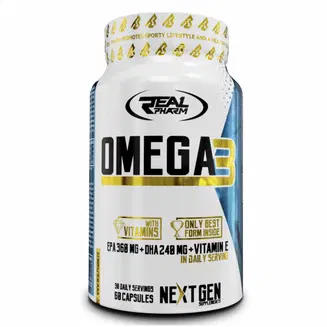 Real Pharm Omega 3 60 capsule9.71 €
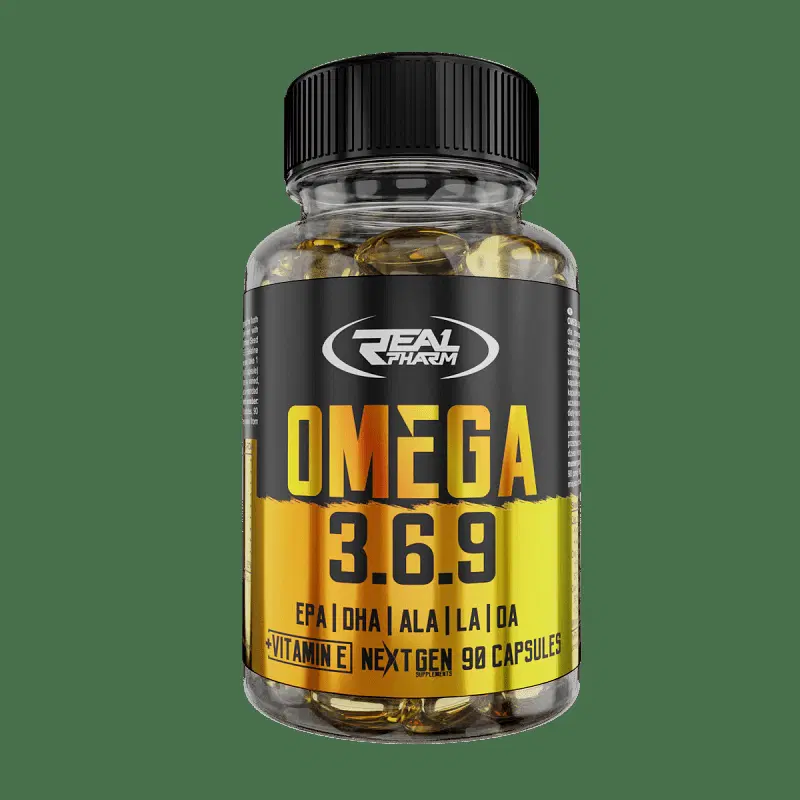 Omega 3 6 9 Real Pharm 90 capsule9.71 €
 Real Pharm Vitamin C Forte 90 comprimate8.18 €
Întrebări frecvente
De ce este uleiul de rapiță mai bun pentru sportivi decât cel de floarea-soarelui?
Uleiul de rapiță are un raport Omega-6:Omega-3 de 2:1 (ideal pentru controlul inflamației), în timp ce cel de floarea-soarelui este peste 70:1 – pro-inflamator. Pentru sportivii care se luptă cu durerile musculare (DOMS), uleiul de rapiță este alegerea mai inteligentă.
Ce este uleiul de floarea-soarelui High Oleic?
Aceasta este o variantă selectată, conținând până la 80% Omega-9 (acid oleic) și foarte puțin Omega-6. Este termodinamic mai stabil și mai sănătos – ideal pentru prăjire fără riscul inflamator al celui standard.
Este uleiul de rapiță sigur pentru gătit la temperaturi înalte?
Da – uleiul de rapiță rafinat are un punct de fum de ~242°C, ceea ce îl face potrivit pentru coacerea la cuptor și sotarea. Important: nu refolosiți niciodată uleiul, deoarece Omega-3 se oxidează la reîncălzire.
Ar trebui să mă îngrijorez de OMG-uri în uleiul de rapiță?
O mare parte din rapița la nivel mondial este OMG. Dacă urmăriți puritatea alimentelor, căutați certificări Organic sau Non-GMO Project Verified. Pentru gătit, diferența în valoarea nutritivă este minimă.