Whey Protein vs. Pea Protein: Proteine animale sau vegetale?
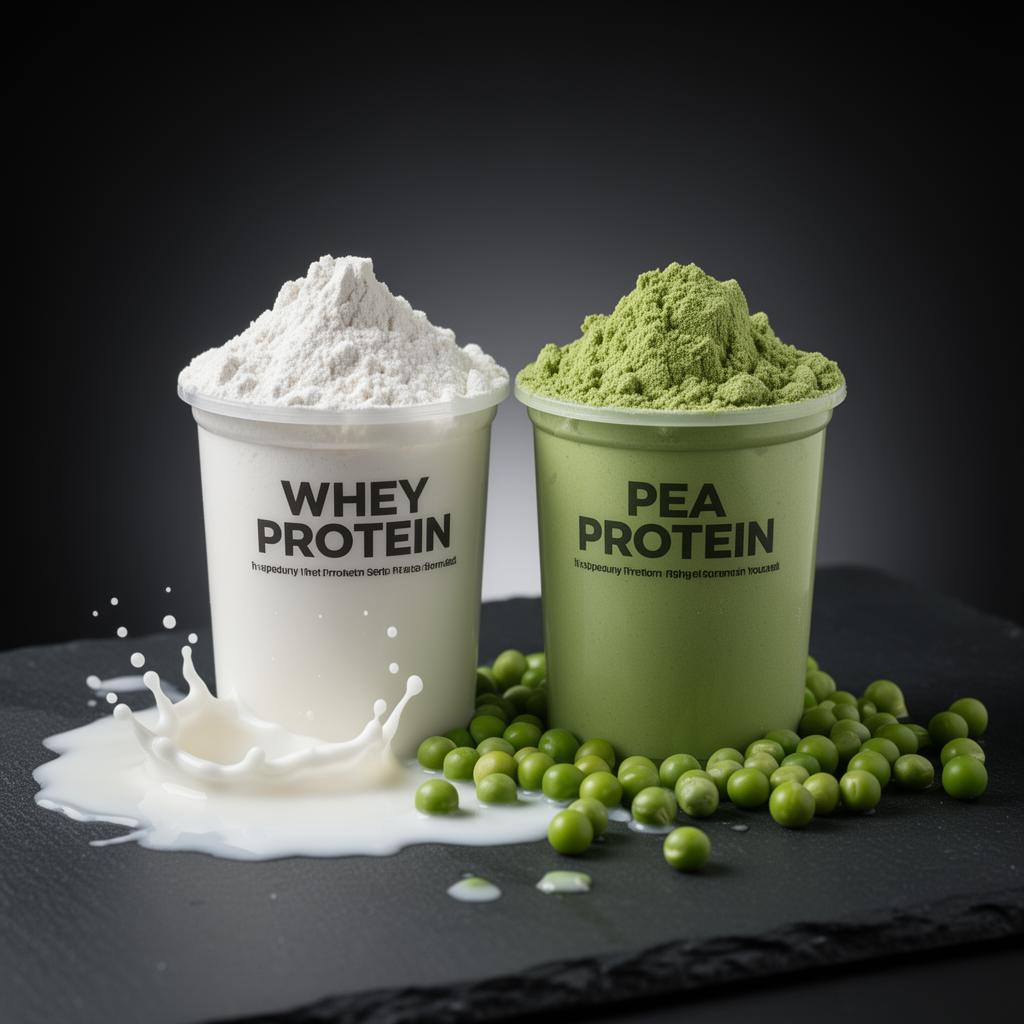
Comparație detaliată a proteinelor din zer și din mazăre - valoare biologică, profil de aminoacizi, digestibilitate și amprentă ecologică.
While whey protein is the traditional leader in terms of bioactivity, pea isolate is establishing itself as the strongest plant-based alternative, capable of competing with dairy proteins in effectiveness for muscle mass building.
Comparative Table
| Characteristic | Whey | Pea |
|---|---|---|
| Biological Value | Very High (BV ~104) | High (BV ~65–70) |
| PDCAAS Score* | 1.0 (Maximal) | 0.89–0.93 (Very High for plant-based) |
| Leucine Content | Very High (11–12%) | Solid (~8–9%) |
| Digestion Time | Fast (60–90 min) | Moderate (2–4 hours) |
| Micronutrients | Calcium, Potassium, Immunoglobulins | Iron (high bioavailability), Arginine |
| Glycemic Effect | Higher insulinotropic effect | Low (stable blood sugar) |
*PDCAAS: Protein Digestibility Corrected Amino Acid Score.
Muscle Hypertrophy and Leucine Threshold
Whey is known for its high concentration of BCAAs (especially leucine), which acts as a molecular key to initiate muscle synthesis via the mTOR pathway.
Modern studies show that at higher doses of pea protein (~30g per serving), it reaches the same leucine threshold as whey, making the differences in muscle growth statistically insignificant.
Amino Acid Profile
Pea protein contains all 9 essential amino acids but is lower in Methionine. Combining pea protein with rice protein creates a complete amino acid profile, equivalent to whey and egg protein.
Digestive Compatibility
Pea protein is hypoallergenic – it does not contain lactose or casein, which are the primary causes of bloating and digestive discomfort with whey concentrate.
Due to its slower absorption and impact on hunger hormones (ghrelin), pea protein provides better appetite control for weight loss diets.
Environmental Footprint
From a resource efficiency perspective, pea protein has significant advantages:
- Water Resource: Growing peas requires significantly less water compared to dairy farming.
- Soil Health: Peas are legumes that naturally enrich the soil with nitrogen, reducing the need for artificial fertilizers.
When to Choose Whey Protein
- Rapid Recovery: Ideal within the anabolic window post-workout.
- Taste and Solubility: More neutral, milky taste and easy solubility in water.
- No Intolerances: If you don't have lactose intolerance or sensitivity to dairy derivatives.
When to Choose Pea Protein
- Vegan Lifestyle: Completely plant-based, no animal derivatives.
- Sensitive Stomach: Hypoallergenic and easy to digest.
- Iron Deficiency: Pea protein is an excellent source of bioavailable iron.
- Sustainability: Minimal environmental footprint in production.
🔬 What Science Says
A randomized controlled trial by Babault et al. (2015), published in the Journal of the International Society of Sports Nutrition, compared 50g of pea protein vs 50g of whey in 161 men over a 12-week strength training program. Result: biceps thickness increase was identical between both groups (13.4% vs 15.3%, p > 0.05).
A systematic review by Berrazaga et al. (2019) in Nutrients concludes that plant-based proteins can achieve equivalent muscle growth to animal-based ones, provided the dose is increased by 20–30% to compensate for lower Leucine bioavailability.
⚠️ Common Mistakes
- Insufficient Dose: 20g of pea protein does not reach the leucine threshold (~2.5g). Increase to 30–40g per serving.
- Isolated Plant Source: Pea protein is low in Methionine. Combine with rice protein (high in Methionine) for a complete amino acid profile.
- Expecting Identical Taste: Pea protein has a characteristic "earthy" taste. Modern formulas add natural flavors, but the texture remains different from whey.
- Overlooking Iron: Pea protein is rich in iron (up to 8mg per serving). For men with normal levels, extra intake might be excessive.
🧭 Practical Protocol for 2026
| Profile | Recommended Protein | Dose | Timing |
|---|---|---|---|
| Omnivore Athlete | Whey Isolate | 25–30g | Post-workout |
| Vegan / Lactose Intolerant | Pea + Rice Blend | 35–40g | Post-workout |
| Hybrid Approach | Whey + Pea 50/50 | 30g | Morning or Post-workout |
Tip: Adding digestive enzymes (bromelain or papain) to plant-based protein improves absorption by up to 15%.
💡 Expert Conclusion
Whey protein remains the gold standard for muscle growth and recovery. However, pea protein is an excellent alternative for vegans and those with lactose intolerance. The combination of pea and rice protein creates an amino acid profile comparable to animal-based protein.
🧭 Când să alegeți ce?
- Alegeți proteina din zer (Whey), dacă căutați o absorbție rapidă după antrenament pentru recuperarea musculară.
- Alegeți proteina Cazeină, dacă aveți nevoie de o eliberare prelungită de aminoacizi, de exemplu, înainte de culcare.
- Alegeți proteina vegetală (din mazăre, orez, blenduri), dacă sunteți vegetarian, vegan, aveți intoleranță la lactoză sau preferați o sursă exclusiv vegetală.
- Alegeți un blend (combinație), dacă doriți o absorbție echilibrată, combinând proteinele rapide și cele lente, sau un amestec de diferite surse vegetale pentru un profil de aminoacizi mai complet.
📖 Ce este Proteina Animală și Proteina Vegetală?
Proteinele animale (cum ar fi zerul și cazeina) sunt surse complete de aminoacizi, pe care corpul le absoarbe și utilizează ușor pentru creșterea musculară. Proteinele vegetale (cum ar fi mazărea și orezul) provin din plante și adesea au un profil diferit de aminoacizi; amestecurile combină diferite surse pentru a obține o performanță mai completă.
⚖️ Avantaje și dezavantaje
| ✅ Avantaje | ❌ Dezavantaje |
|---|---|
|
|
🗣️ Explicat simplu
Proteinele animale, precum zerul și cazeina, sunt ca o bibliotecă "completă" cu cele mai bune "cărămizi" pentru mușchi. Cele vegetale, ca cele din mazăre, își fac treaba, dar uneori le lipsește o "cărămidă" sau sunt "mai lente" la construcție. Adesea, combinarea lor este cea mai bună variantă ca să fii sigur că primești tot ce ai nevoie.
Produse recomandate
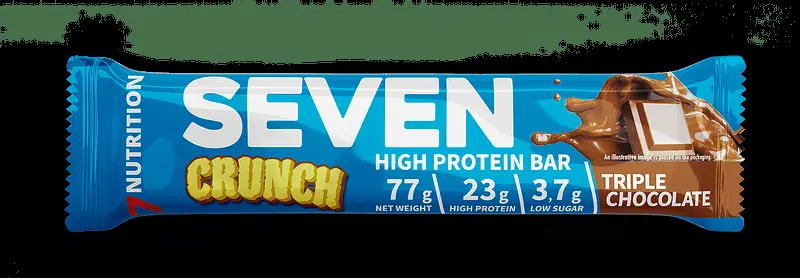
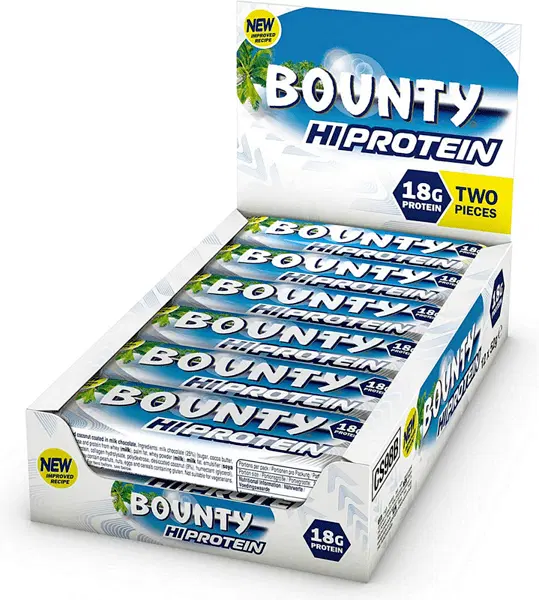
Întrebări frecvente
Ce proteină este cea mai potrivită pentru recuperare rapidă după antrenament?
Proteina din zer (Whey) este cea mai potrivită datorită absorbției sale rapide și conținutului ridicat de leucină, care accelerează sinteza proteinelor musculare. Aceasta oferă aminoacizii necesari pentru recuperarea musculară pe termen scurt.
Ce proteină este recomandată înainte de culcare?
Cazeina este alegerea ideală pentru consum înainte de culcare. Absorbția sa lentă asigură o eliberare prelungită de aminoacizi pe parcursul nopții, protejând astfel mușchii de degradare.
Care sunt avantajele amestecurilor de proteine vegetale?
Amestecurile vegetale, cum ar fi combinația de proteină din mazăre și orez, oferă un profil complet de aminoacizi, similar surselor animale. Acestea combină punctele forte ale diferitelor proteine vegetale, depășind astfel aminoacizii lor limitatori.
Există efecte secundare ale consumului de proteine?
Atunci când se respectă dozele recomandate, suplimentele proteice nu provoacă, de obicei, efecte secundare. Totuși, la unele persoane pot apărea probleme digestive minore, în special în caz de intoleranță la lactoză față de zer sau cazeină.