Autofagija
Кратка експертна дефиниция: какво е Автофагия, как работи в организма и как се прилага в спортното хранене. Автофагия (Autophagy) е фундаментален клетъчен процес, при който клетките разграждат и рециклират своите собствени увредени или ненужни компоненти, като протеини и органели. Този процес е от съществено значение за поддържане на клетъчното здраве, енергиен метаболизъм и адаптация към стресови условия. **Как работи в организма:** 1. **Инициация:** Когато клетката установи наличието на увредени компоненти или недостиг на хранителни вещества, се активират специфични сигнализиращи пътища (напр. mTOR инхибиция, AMPK активация). 2. **Формиране на аутофагозома:** Цитоплазмени компоненти, които трябва да бъдат разградени, биват обвити от мембрана, образувайки двуслойна структура, наречена аутофагозома (autophagosome). 3. **Сливане с лизозома:** Аутофагозомата се слива с лизозома (lysosome), която съдържа хидролитични ензими. 4. **Разграждане:** Ензимите в лизозомата разграждат съдържанието на аутофагозомата до основни градивни елементи (аминокиселини, мастни киселини и др.). 5. **Рециклиране:** Тези градивни елементи се освобождават обратно в цитоплазмата и могат да бъдат използвани от клетката за енергия или за синтез на нови молекули. **Приложение в спортното хранене:** Автофагията може да бъде стимулирана чрез различни хранителни стратегии, които са релевантни за спортното хранене: * **Периодично гладуване (Intermittent Fasting):** Периодите без прием на храна, особено тези, които продължават 12-24 часа или повече, са мощен стимул за автофагия. Това може да помогне за подобряване на клетъчната чистота, метаболитната гъвкавост и потенциално за възстановяване. * **Ограничаване на калориите (Caloric Restriction):** Дългосрочното намаляване на общия калориен прием, без да се стига до недохранване, също стимулира автофагията. * **Специфични хранителни вещества:** Някои съединения, като ресвератрол (resveratrol) и куркумин (curcumin), се изследват за техния потенциал да стимулират автофагията. * **Тренировки:** Интензивните физически упражнения, особено тези, които предизвикват метаболитен стрес, също могат да активират автофагията, подпомагайки мускулното възстановяване и адаптация. В спортното хранене, разбирането и прилагането на стратегии, стимулиращи автофагията, може да допринесе за по-добро възстановяване, подобряване на клетъчната функция и общото здраве на спортистите.
Кратак одговор: Аутофагија је кључни клеточни процес "самоједења" и рециклирања који уклања оштећене компоненте и подмлађује ћелије, посебно важан за опоравак и адаптацију код спортиста. Практични савет: Стимулишите аутофагију периодичним гладовањем и интензивним тренинзима да бисте побољшали метаболизам и опоравак.
Аутофагија је клеточни процес у којем ћелија рециклира сопствене компоненте, користећи специјализоване механизме за самочишћење и подмлађивање.
За широк контекст прегледајте цео водич о правилној исхрани — основни водич од стручног тима Sport Zona.
Шта је аутофагија?
Аутофагија је процес у којем ћелије тела чисте себе и рециклирају старе или оштећене делове како би остале здраве и правилно функционисале.
📖 Аутофагија
Аутофагија је клеточни процес саморециклирања у којем ћелије разграђују и користе оштећене компоненте да би одржале здравље и хомеостазу.
Аутофагија, буквално "самоједење" на грчком, је основни катаболички процес својствен свим еукариотским ћелијама. Овај механизам омогућава ћелији да разгради и рециклира сопствене компоненте – оштећене органеле, агрегиране протеине, патогене и друге непотребне или дисфункционалне структуре. Процес је динамичан и високо регулисан, играјући централну улогу у одржавању клеточне хомеостазе, адаптацији на стрес и преживљавању у условима недостатка хранљивих материја.
У контексту физиологије, аутофагија је кључна за клеточно здравље, јер спречава накупљање токсичних отпадака и обезбеђује сировине за синтезу нових, функционалних компоненти. Посебно је активна током гладовања или повећаног метаболичког стреса, делујући као механизам за хитно снабдевање енергијом и градивним елементима. Сматра се основним механизмом за контролу квалитета клеточних протеина и органела.
Које су предности и недостаци аутофагије?
Аутофагија подржава опоравак након интензивних тренинга уклањањем оштећених клеточних компоненти, побољшава метаболичку флексибилност, оптимизујући коришћење енергетских супстрата, и стимулише регенерацију ћелија. Њени главни недостаци су што прекомерна аутофагија може довести до прекомерног исцрпљивања клеточних компоненти, а њено активирање захтева огр.
- Подржава опоравак након интензивних тренинга уклањањем оштећених клеточних компоненти.
- Побољшава метаболичку флексибилност, оптимизујући коришћење енергетских супстрата од стране тела.
- Смањује накупљање токсичних отпадака у ћелијама, одржавајући клеточно здравље.
- Стимулише регенерацију ћелија и може успорити процесе старења.
Недостаци
- Прекомерна аутофагија може довести до прекомерног исцрпљивања клеточних компоненти.
- Њено активирање захтева ограничења у исхрани, која могу бити тешка за одржавање код спортиста.
- Неправилно стимулисање може имати негативне последице по раст мишића, ако није уравнотежено са анаболичким процесима.
Механизам аутофагије укључује неколико корака који воде до формирања аутофагозома – двомембранских везикула које изолују клеточне компоненте за разградњу. Процес почиње иницирањем формирања аутофагофора – иницијалне мембранске структуре око мета за разградњу. Затим се аутофагофор шири, потпуно обухватајући компоненте, и затвара се, формирајући зрели аутофагозом.
Након формирања, аутофагозом се спаја са лизозомом – клеточным органелом богатим хидролитичким ензимима. Спајање доводи до формирања аутофаголизозома, где кисели лизозомални ензими разграђују садржај аутофагозома на мање молекуле као што су аминокиселине, масне киселине и нуклеотиди. Ови рециклирани молекули се затим ослобађају назад у цитоплазму, где их ћелија може користити за енергетске потребе или за синтезу нових протеина и органела.
Зашто је аутофагија важна за спортисте?
За спортисте, аутофагија нуди бројне могућности за бржи опоравак, бољу адаптацију и опште клеточно здравље. Интензивни тренинзи доводе до оштећења на клеточном нивоу, укључујући накупљање оштећених протеина и митохондрија. Аутофагија је кључни процес за уклањање ових оштећених компоненти, што је основа за регенерацију и адаптацију мишићних ћелија. Побољшано аутофагично чишћење може довести до ефикаснијег опоравка између тренинга и брже метаболичке адаптације.
Аутофагија је важна за спортисте јер њено стимулисање побољшава метаболичку флексибилност, омогућавајући телу да ефикасније прелази између коришћења глукозе и масти за енергију.
Који су повезани појмови?
Повезани појмови са аутофагијом укључују Интермитентни пост (IF), Катаболизам, Метаболичку флексибилност и Анаболизам, при чему је сваки процес уско повезан са клеточным саморециклирањем и енергетским метаболизмом. Аутофагија је специфичан облик катаболизма, у којем ћелија разграђује сопствене компоненте за енергију и рециклирање, а интермитентни пост је моћан стимуланс овог процеса.
За активно вежбајуће људе, препоручујем периодично укључивање аутофагије кроз интермитентни пост 1-2 пута недељно, на пример, пропуштањем доручка, како би се оптимизовао клеточни опоравак без компромиса са уносом енергије за тренинге. — Петар Митков
Запамтите: Аутофагија је витални клеточни механизам за самочишћење и рециклирање, који, када се правилно стимулише, може значајно побољшати опоравак и метаболичку адаптацију код спортиста.
Научни извори
- Аутофагија у патогенези болести (Levine B, et al., 2019)
- Ефекат гладовања или ограничавања калорија на индукцију аутофагије: Преглед литературе (Bagherniya M, et al., 2018)
- Аутофагија у скелетним мишићима: кључни физиолошки процес за здравље (Jamart C, et al., 2021)
- Обележја старења (López-Otín C, et al., 2013)
Експертска напомена од Sport Zona
Из моје 12-годишње праксе са бугарским атлетичарима, аутофагија је кључни процес за опоравак и оптимизацију. Често видим како правилни протоколи исхране и периодично гладовање могу побољшати енергију и укупно перформансе. Примећујем да је одржавање добре аутофагичне активности битно у управљању дугорочним здрављем и врхунским резултатима.
Preporučeni proizvodi
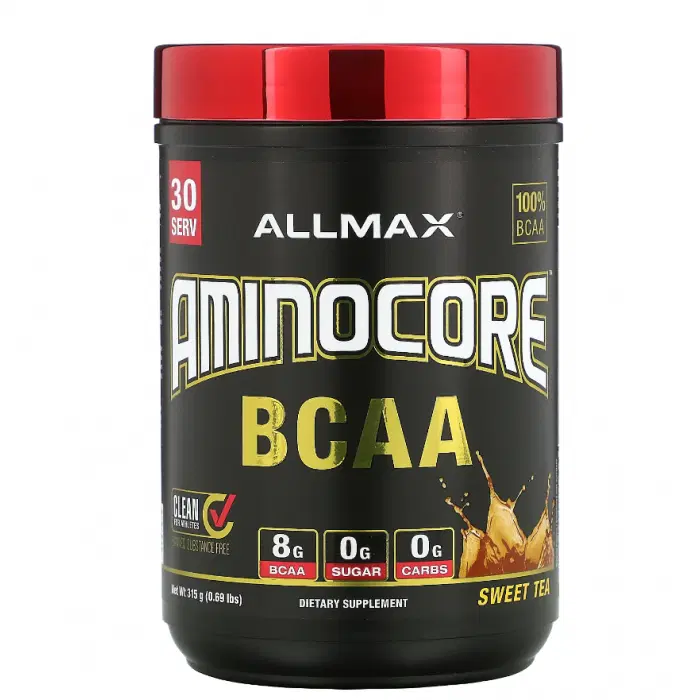
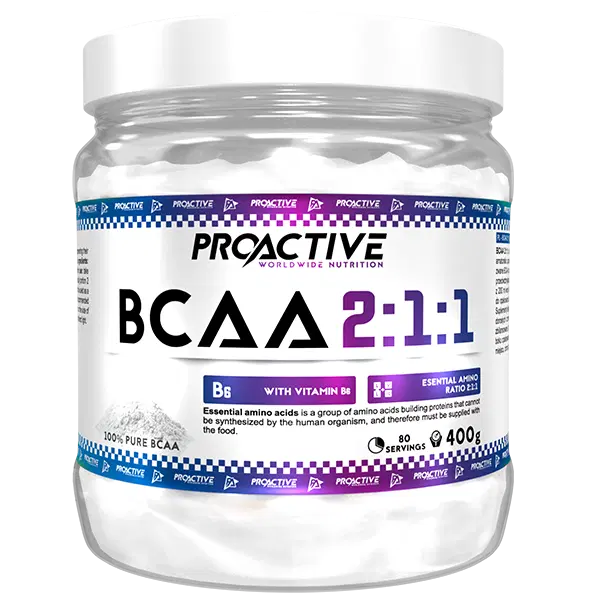
Često postavljana pitanja
Шта је аутофагија у најопштијем смислу?
Аутофагија је природан ћелијски процес у којем тело рециклира сопствене оштећене или непотребне компоненте. Помаже у здрављу и подмлађивању ћелија уклањањем накупљеног отпада.
Како спортисти могу да стимулишу аутофагију?
Спортисти могу да стимулишу аутофагију кроз интензивне тренинге и повремено гладовање (као што је интермитентни пост). Ове методе подржавају процесе опоравка и адаптације ћелија.
Које су предности аутофагије за спортисте?
Аутофагија помаже у ефикаснијем опоравку након тренинга, побољшава метаболичку флексибилност и подржава адаптацију мишићних ћелија. Ово доводи до бољих укупних перформанси и дугорочног здравља.
Које су праксе повезане са аутофагијом које би спортисти требало да знају?
Интермитентни пост је важан стимуланс аутофагије, јер недостатак хране активира ћелијско саморециклирање. Сама аутофагија је облик катаболизма, користећи разграђене компоненте за енергију.