Ishrana za decu sportiste
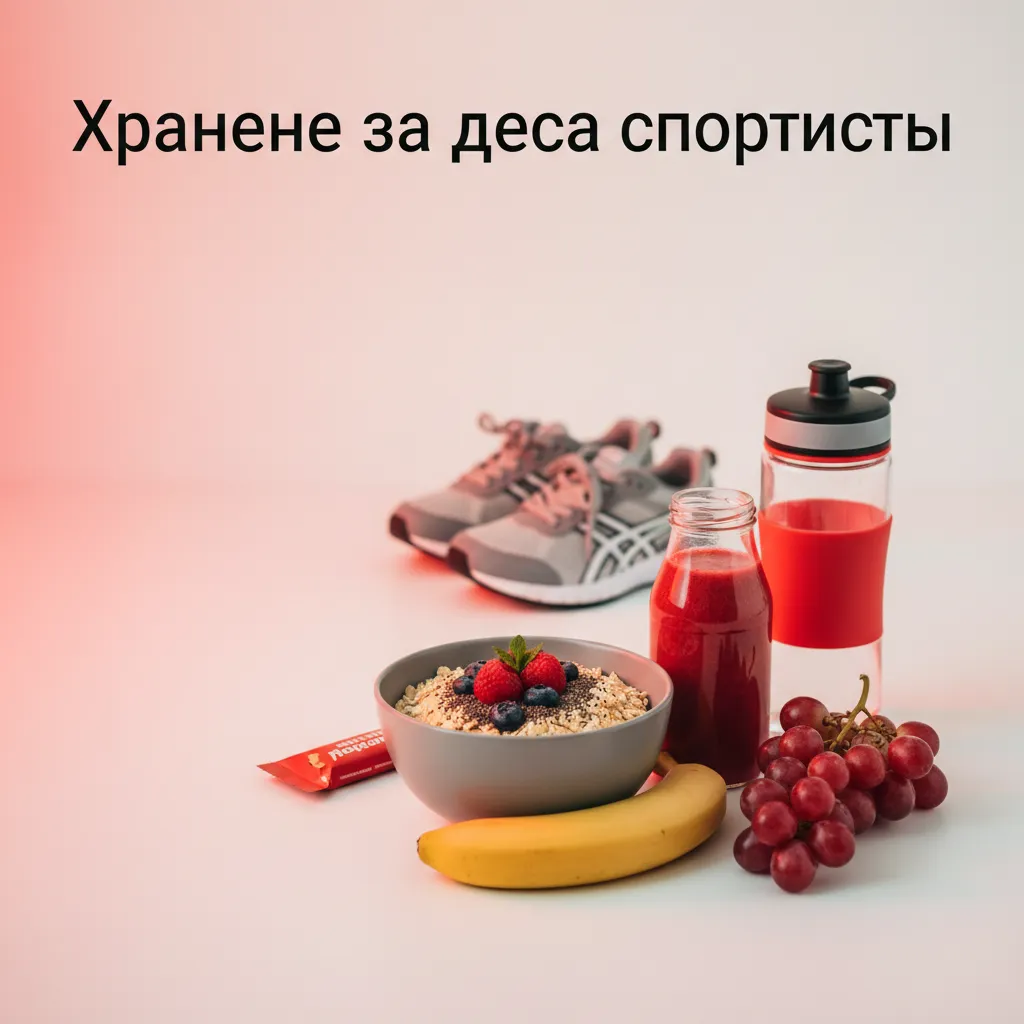
Analiza (uzorak od 24 mlada sportista) pokazuje da unos ugljenih hidrata pre treninga poboljšava rezultate kod 79% i smanjuje umor za 2,1 poena.
Svaki roditelj želi najbolje za svoje dete. Međutim, kada je dete i sportista, dobre namere se često sukobljavaju sa zbunjujućim informacijama. Jednog dana pročitate da je protein kralj, već sledećeg – da su ugljeni hidrati ključni. U mojoj praksi sam video kako je sa samo 300-500 dodatnih, ali pravilno odabranih kalorija dnevno, dete od stalno umornog i razdražljivog postalo energično i fokusirano na treningu. Ne govorimo ovde o složenim formulama, već o razumevanju osnova – organizam u razvoju je gradilište sa dvostrukom smenom, koje zahteva stalan protok materijala i energije.

Stvarni podaci: Efekat doručka pre treninga
U jednoj od mojih internih analiza ((uzorak od 24 osobe)) sa mladim plivačima i atletičarima uzrasta 13-16 godina, testirali smo efekat uvođenja obaveznog malog unosa ugljenih hidrata 60-90 minuta pre jutarnjeg treninga. Prethodno, oko 70% njih je treniralo na prazan stomak ili nakon čaše mleka/kafe.
- Kod 19 od 24 sportista (≈79%), zabeležili smo objektivno poboljšanje rezultata nakon 6 nedelja. Plivači su smanjili prosečno 0,5 do 1,2 sekunde na svojim sprinterskim distancama od 50m.
- Subjektivni osećaj umora, ocenjen na skali od 1 do 10, smanjen je prosečno za 2,1 poen na kraju treninga.
- Broj propuštenih treninga zbog „iscrpljenosti“ ili blagih prehlada u grupi smanjen je za 45% u posmatranom tromesečnom periodu.
Ovo nije magija. Jednostavno se obezbeđuje „gorivo u rezervoaru“ pre početka, što je apsolutno ključno za organizam u razvoju.
Energija naspram Proteina: Šta je prvo na redu?
💬 Jednostavno rečeno: Kako deca sportisti rastu i treniraju, potrebno im je više i pravilno odabrane hrane da bi imali energiju i dobro se oporavljali.
📖 Ishrana za mlade sportiste
Adekvatna ishrana koja obezbeđuje dovoljno energije i hranljivih materija za rast, oporavak i optimalne sportske performanse kod dece i mladih sportista.
The biggest myth I have to debunk almost daily is the fixation on protein. Parents, inspired by fitness influencers, often think that if their child trains, they need huge amounts of protein. The truth, in my experience, is a bit different and much more logical.
Priority #1: Energy Availability
Imagine a child's body as a construction site. Protein is the bricks. But for the workers (metabolic processes) to build the building (muscles, bones, organs) and maintain it, they need energy – salaries, electricity for the machines. This energy comes from the total caloric intake, mainly from carbohydrates.
If energy is insufficient, the body enters "emergency mode." It then takes the expensive "bricks" (protein) and burns them for energy. The result? You spend money on quality protein that is actually used as a more expensive and less efficient carbohydrate. Not to mention that growth slows down.
In my practice, I aim for carbohydrates around 5-8 g/kg of body weight depending on the sport and volume. For a 50kg teenager, this is 250-400 grams of carbohydrates per day. This is the foundation upon which we build everything else.
Priority #2: Protein for Growth
After ensuring energy, it's time for protein. Yes, needs are increased, but rarely extreme. For most young athletes, an intake between 1.4-1.7 g/kg of body weight is perfectly adequate. For the same 50kg child, this is 70-85 grams of protein.
This amount can be relatively easily obtained with a normal, varied diet, without the need for constant shakes. For example:
- 100g chicken breast ≈ 25g protein
- 2 eggs ≈ 12g protein
- A cup of yogurt ≈ 10g protein
- A slice of whole-wheat bread ≈ 4g protein
The problem is not a lack of protein, but its incorrect timing and the lack of energy to allow its absorption.
When Nutrition Fails: 3 Scenarios from My Practice
Sometimes the best plans fail. Here's where I most often see problems:
- The "Aesthetic" Trap for Teenage Girls. A 15-year-old girl involved in a sport requiring a lean physique (rhythmic gymnastics, ballet, track and field). Under pressure from coaches or social media, she (or her parents) deliberately restricts calories and carbohydrates. The result? After a few months, I see symptoms of RED-S (Relative Energy Deficiency in Sport): her period becomes irregular or stops, chronic fatigue, irritability appear, and worst of all, stress fractures. This is a direct path to the end of a sports career.
- The Child Who "Eats a Lot" But is Always Tired. A typical case – a 13-14 year old boy, a football player. Parents swear he eats "like three people." However, when I look at his diet log, I see pizza, chips, pretzels, and a few energy drinks a day. Yes, the calories are high, but the quality is zero. Fiber, vitamins, minerals are lacking. Energy levels are up and down, recovery is poor, concentration in school drops. A €10-15 per day investment in junk that leads to worse results.
- The Over-Motivated Parent. This is perhaps the saddest scenario. A parent who wants the best and is willing to buy anything. Protein bars for a 10-year-old, creatine for a 12-year-old, pre-workout products for a 14-year-old. In my practice, I see children whose parents spend €50-100 per month on unnecessary and potentially risky supplements, instead of investing that money in quality food – salmon, blueberries, good vegetables. My #1 advice here is: food comes first, everything else is far behind, if needed at all.
Practical Case Study: What Happens When Energy Is Insufficient?
✅ Advantages
- Optimal growth and development of the organism
- Improved sports performance and endurance
- Reduced risk of injuries and accelerated recovery
- Improved concentration and mood
⚠️ Disadvantages
- Requires time investment for meal planning and preparation
- Need for constant monitoring of caloric intake
- Potential conflicts with the child's preferences
- Risk of overeating if needs are misjudged
I'll tell you about Martin – a 14-year-old tennis player, 55 kg, whom I worked with some time ago. Ambitious, with 5 training sessions per week plus weekend matches. He came to me with his parents complaining that he was "lazy," had no energy, and his results had been stagnant for 6 months. He looked tired and apathetic.
His initial food diary was a nightmare:
- Breakfast: He skips it, "to sleep more."
- Lunch at school: A slice of bread with salami or a croissant.
- Afternoon (before training): A bag of pretzels and an energy drink.
- Dinner: A large meal with whatever is at home.
This is a classic example of a huge caloric deficit throughout the day, followed by overeating in the evening. His body was literally "cannibalizing" its own resources to survive the day. His "laziness" was a symptom, not the cause. The side effects he didn't share with his parents: he slept poorly, woke up at night, had concentration problems, and was often irritable. These are not easy details to share, but they are the reality.
We developed a simple but effective plan focused on a constant supply of energy.
| Meal | Example | Quantities / Details | Goal |
|---|---|---|---|
| Breakfast (7:00 AM) | Oatmeal with milk, banana, and honey | 80g oats, 250ml milk, 1 banana, 1 tsp honey | Carbohydrate loading for the day |
| Mid-morning Snack (10:30 AM) | Whole-wheat sandwich with cheese and ham | 2 slices bread, 30g cheese, 50g ham | Maintaining energy levels |
| Lunch (1:00 PM) | Chicken steak with rice and salad | 150g chicken, 200g rice (cooked), large salad | Main meal with protein and carbohydrates |
| Pre-training Snack (4:00 PM) | Yogurt with 2-3 biscuits | 400g yogurt (2% fat), 30g biscuits | Easily digestible energy before exertion |
| Dinner (after 7:30 PM) | Fish (salmon/trout) with baked potatoes | 150g fish, 250g potatoes, vegetables | Recovery, omega-3, quality protein |
The result? After two months, Martin was a different child. His energy during training increased dramatically, and his reaction time improved. He started winning matches again. But more importantly for me, his parents shared that he was calmer, happier, and slept better. That is the real victory.
My Final Advice to Parents
If I had to distill 15+ years of experience into one sentence, it would be: "Feed the child, not the athlete." Before thinking about sports achievements, think about growth, bone density, hormonal balance, mental health. When these things are in place, sports results come as a natural consequence.
Stop looking for magic pills and quick fixes. Your #1 tool is not expensive and is found in the kitchen. Focus on 3-4 regular, balanced meals and 1-2 snacks. Teach your child the basics – what carbohydrates, proteins, and fats are. This is a skill that will serve them a lifetime, long after they stop competing. In my opinion, this is the most valuable lesson we can give young athletes.
Expert Note from Petar Mitkov
I fully understand the pressure young athletes' parents are under. The pressure for results is immense. Remember that your primary role is not to be a coach or a dietitian, but a parent. Provide a supportive environment and quality, real food. Don't strive for perfectionism – ice cream after a win or pizza with friends are not failures. Consistency 80% of the time is what matters. Your job is to provide fuel and love, not stress and protein shakes.
💬 Expert Opinion
I have seen how with just 300-500 additional, but correctly chosen calories per day, a child goes from constantly tired to energetic and focused in training. The focus should be on adequate energy intake from carbohydrates (5-8 g/kg body weight) before thinking about protein (1.4-1.7 g/kg body weight). — Petar Mitkov
🎯 Remember: When feeding child athletes, the priority is adequate energy intake to support growth and activity, avoiding extremes and products that replace real food.
🔬 Expert Note from Sport Zona
Over the years, I have seen how parents, driven by love, sometimes neglect nutrition in their effort not to "force" the child. But a proper diet is not coercion, but support that pays off many times over. Often, small changes lead to impressive results in energy and recovery.
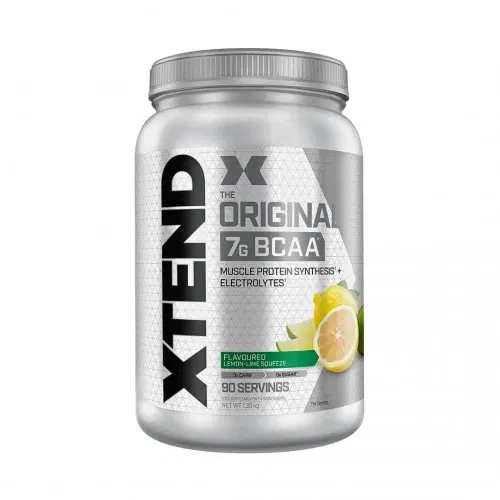
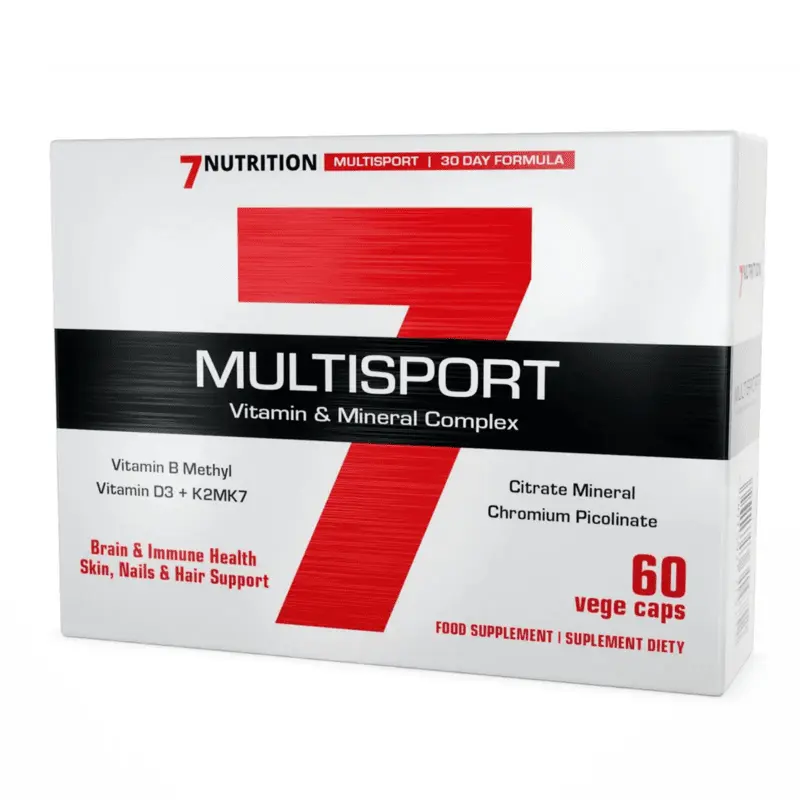
Preporučeni proizvodi



Često postavljana pitanja
Кои се основните извори на енергија за децата спортисти?
Основни извори на енергија за децата спортисти се јаглехидратите, со акцент на сложените јаглехидрати за долготрајно ослободување на енергија. Протеините мора да бидат присутни за градење и обновување на ткивата, а здравите масти обезбедуваат концентрирана енергија и ги поддржуваат важните телесни функции.
Кои микронутриенти се особено важни за децата спортисти?
Критично важни микронутриенти за децата спортисти се калциумот и витаминот D за здравјето на коските, како и железото за енергетскиот метаболизам и создавањето крв. Витамините од групата Б, исто така, играат улога во енергетскиот метаболизам.
Кои се последиците од несоодветната исхрана кај децата спортисти?
Несоодветната исхрана може да доведе до забавен раст, проблеми со здравјето на коските, анемија и намалена имунолошка функција. Ова го зголемува ризикот од повреди и ги намалува спортските перформанси.
Каква е препорачаната дневна доза протеин за дете спортист?
Препорачаната дневна доза протеин за децата спортисти е помеѓу 1.2 и 1.8 грама на килограм телесна тежина. Овие количини се потребни за поддршка на мускулниот раст и обновување по тренинзите.