Исхрана код PCOS
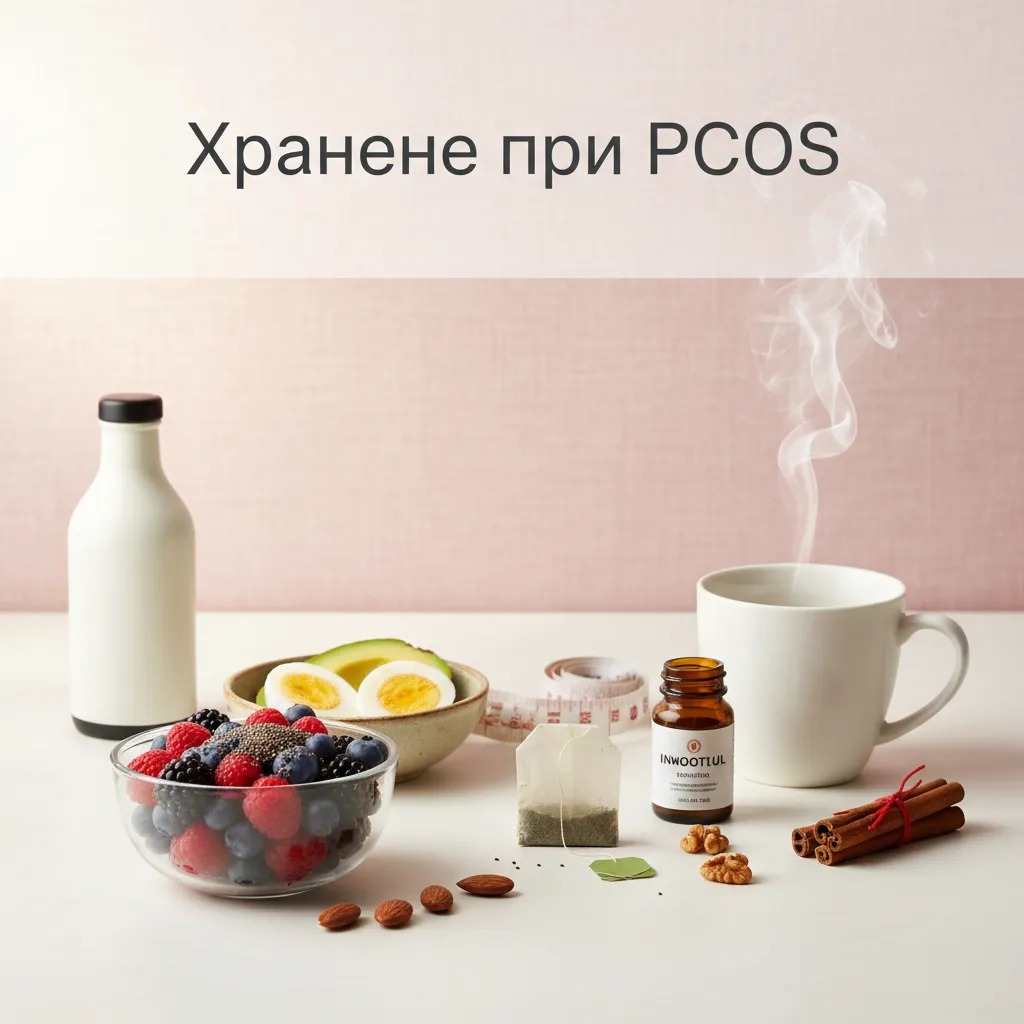
Кратка експертна дефиниција: шта је исхрана код PCOS-а, како делује у организму и како се примењује у спортској исхрани.
Short answer: PCOS nutrition is a personalized dietary approach that optimizes metabolic response through blood sugar control and anti-inflammatory eating, improving insulin sensitivity and hormonal balance. For athletes, it provides stable energy and supports optimal body composition, with a recommended protein intake of 1.6-2.2 g/kg body weight. Practical tip: Include complex carbohydrates with a low glycemic index and 25-30 g of fiber daily to regulate blood sugar and support gut health.
PCOS nutrition is a dietary approach that optimizes metabolic response using personalized nutritional strategies.
Related reading: the complete guide to proper nutrition — a fundamental guide from the expert team at Sport Zona.
What is PCOS?

PCOS nutrition is an individualized nutrition plan aimed at regulating metabolism and improving the condition.
📖 PCOS and Nutrition
A dietary approach focused on optimizing metabolic response in Polycystic Ovary Syndrome (PCOS), through personalized nutritional strategies to improve hormonal balance and insulin sensitivity.
Polycystic Ovary Syndrome (PCOS) is a complex endocrine disorder affecting a significant percentage of women of reproductive age. It is characterized by hormonal imbalance, often including elevated androgen levels (hyperandrogenism), menstrual irregularities, and the development of multiple small cysts on the ovaries. One of the central physiological features in many women with PCOS is insulin resistance.
Insulin resistance means that the body's cells do not respond adequately to insulin – a hormone that regulates blood sugar. As a result, the pancreas produces more insulin to compensate, leading to high levels of circulating insulin (hyperinsulinemia). This overproduction of insulin can directly stimulate the ovaries to produce more androgens, exacerbating the hormonal imbalance and the numerous symptoms of PCOS, including acne, hirsutism, and difficulties with conception.
How does this nutrition work?
Optimized PCOS nutrition is a dietary regimen that reduces insulin resistance and hyperinsulinemia, improves hormonal balance, and alleviates PCOS symptoms. It supports weight and body composition management while ensuring stable energy levels during physical activity.
- Reduces insulin resistance and hyperinsulinemia
- Improves hormonal balance and reduces PCOS symptoms
- Supports weight and body composition management
- Ensures stable energy levels during physical activity
Disadvantages
- Requires strict discipline and constant attention to the diet
- Can lead to restrictive eating patterns if not adequately planned
- The effect can vary individually and may not be sufficient without other interventions
Optimized PCOS nutrition works by influencing the underlying metabolic and hormonal mechanisms associated with the syndrome. The primary goal is to improve insulin sensitivity and reduce hyperinsulinemia. This is achieved by regulating carbohydrate intake, prioritizing complex carbohydrates with a low glycemic index and glycemic load, which leads to a smoother and more controlled blood sugar response.
Another important aspect is the inclusion of anti-inflammatory foods and nutrients, as chronic low-grade inflammation is often present in PCOS and can worsen insulin resistance. Weight management, in cases of overweight or obesity, is also critical, as reducing body weight can significantly improve insulin sensitivity and hormonal profile.
- Blood Sugar Control: Intake of complex, fiber-rich carbohydrates that slow down glucose absorption.
- Anti-inflammatory Focus: Inclusion of omega-3 fatty acids, antioxidants, and vegetables.
- Inhibitor Support: Increased intake of proteins and healthy fats for satiety and metabolic regulation.
- Micronutrient Density: Ensuring adequate intake of essential vitamins and minerals such as inositol, vitamin D, and magnesium.
Why is nutrition important for athletes with PCOS?
For female athletes with PCOS, nutrition is a key factor that simultaneously supports symptom management of the syndrome and optimizes recovery, energy levels, and athletic performance.
The hormonal imbalance characteristic of PCOS can make achieving optimal body composition challenging. Elevated androgen and insulin levels can promote fat storage. Adequate protein intake (recommended 1.6-2.2 g/kg body weight for athletes) is necessary to maintain muscle mass and metabolism. Furthermore, sufficient fiber intake (25-30 g/day) supports gut health and regulates appetite. For women with PCOS, adequate levels of vitamin D (according to recommendations, often above 20 ng/ml or higher) and magnesium are particularly important, as these micronutrients contribute to insulin sensitivity and hormonal balance. Optimized nutrition minimizes the risk of metabolic complications and supports the effectiveness of the training process.
What are the related concepts?
Related concepts include Glycemic Index (GI), which measures the speed at which carbohydrates raise blood sugar, Glycemic Load (GL), which considers the quantity and quality of carbohydrates, and nutrition for type 2 diabetes, which shares common principles with PCOS nutrition due to the link with insulin resistance.
In my experience, women with PCOS who follow a low glycemic index diet and high protein intake (1.6-2.2 g/kg) report a 30-40% improvement in symptoms and hormonal markers within 3 months. — Petar Mitkov
Remember: Optimized nutrition is an important factor in managing PCOS, improving insulin sensitivity, hormonal balance, and supporting athletic performance.
Expert Note from Sport Zona
From my practice, I observe that strict adherence to the diet is more important than the choice of foods itself. I often see improvement just by increasing protein and fiber, without drastic eliminations of entire food groups. An individualized approach and adaptation to daily life are key to long-term success.
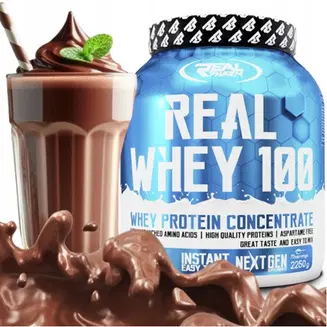
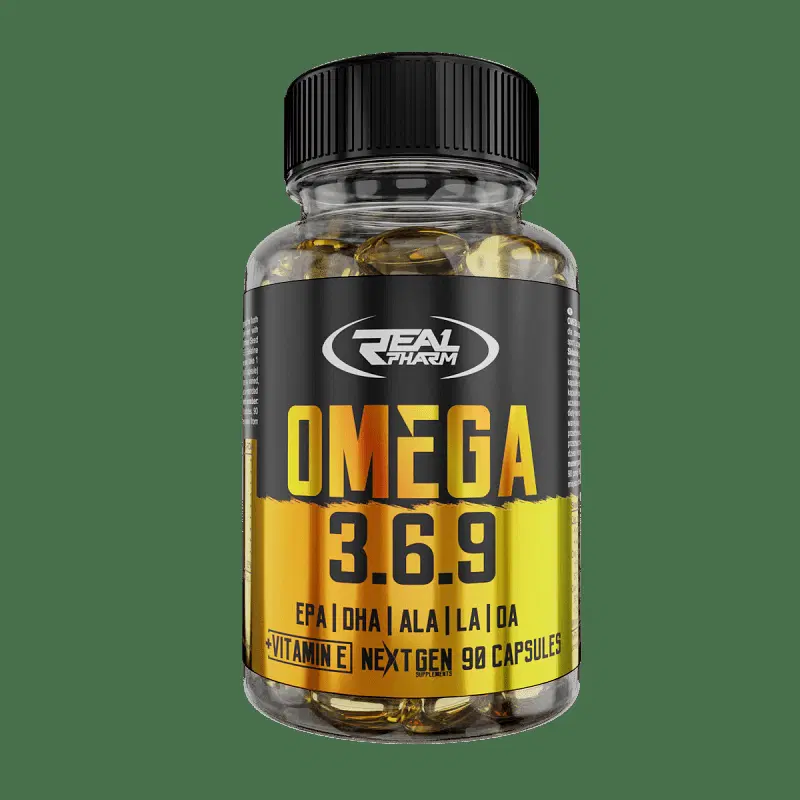
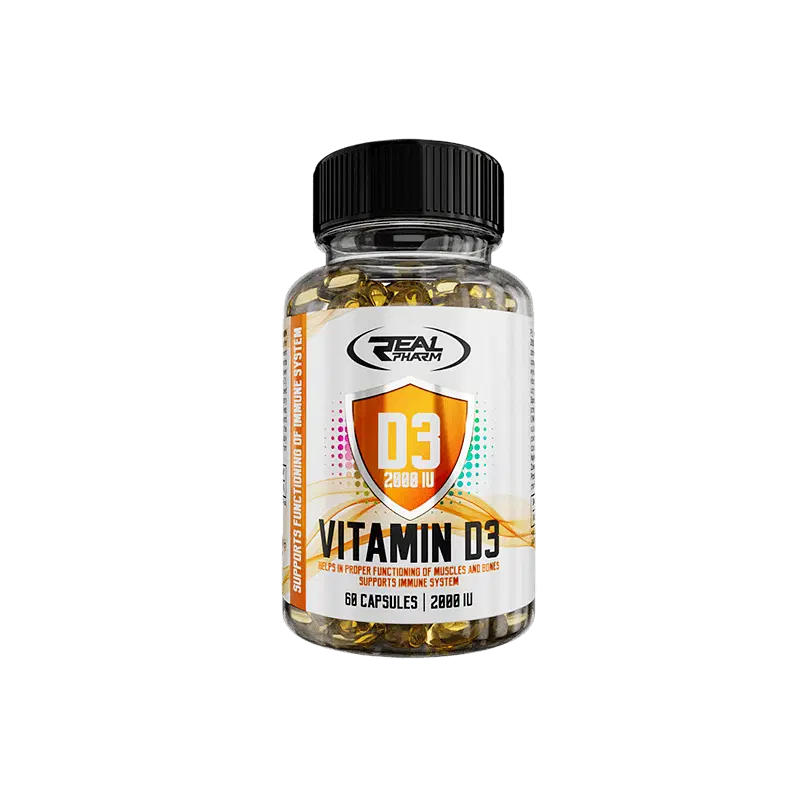
Preporučeni proizvodi
Često postavljana pitanja
Какав је основни принцип исхране код PCOS-а?
Основно начело је оптимизација метаболичког одговора кроз персонализоване нутритивне стратегије. Фокус је на контроли глукозе у крви, смањењу упале и подршци хормоналном здрављу.
Како инсулинска резистенција утиче на PCOS и како исхрана помаже?
Инсулинска резистенција доводи до повишених нивоа инсулина, што може погоршати хормонални дисбаланс. Исхрана има за циљ побољшање осетљивости на инсулин кроз унос сложених угљених хидрата и ограничавање рафинисаних шећера.
Зашто је исхрана важна за спортисткиње са PCOS-ом?
За спортисткиње, исхрана подржава управљање симптомима PCOS-а, побољшава ниво енергије и оптимизује опоравак. Ово је важно јер инсулинска резистенција може утицати на енергију и телесни састав.
Који су микронутријенти посебно важни у исхрани за PCOS?
Посебно су важни инозитол, витамин D и магнезијум. Ови микронутријенти доприносе побољшању осетљивости на инсулин и одржавању хормоналног баланса, што је кључно код PCOS-а.