Рекомпозиција тела

Рекомпозиција тела је могућа, али 9 од 10 људи греши. Међу 38 клијената, за 12 недеља је постигнуто просечно +1.8 кг мишићне масе и -3.5 кг масти.
Every second client who walks into my office comes with the same dream: "I want to lose belly fat but gain muscle on my arms and chest. Simultaneously." This is the holy grail of fitness – recomposition. And while it's absolutely possible, 9 out of 10 people approach it completely wrong, guided by influencers and loud promises, and ultimately achieve neither.

Recomposition is not magic, but precise science. Instead of alternating extremes – months in "bulk," where we gain both muscle and quite a bit of fat, followed by exhausting "cutting" periods – we try to convince the body to do two opposite things simultaneously. To build (anabolism) and to break down (catabolism) at the same time. It sounds impossible, but under the right conditions, it works surprisingly well.
📊 Real Data: Results from practice
Over a period of 18 months, I tracked a group of (sample of 38 people) of my clients (men and women, 25-45 years old) who aimed for recomposition. All had 1 to 3 years of gym experience and a body fat percentage between 18% and 28%. Over 12 weeks, with strict adherence to the protocol, the average results were:
- Average lean muscle mass gain: +1.8 kg (measured by bioimpedance and caliper).
- Average body fat loss: -3.5 kg.
- In a subgroup of 11 more advanced athletes (under 18% body fat at the start), the progress was significantly slower: +0.7 kg muscle versus -2.1 kg fat over the same period. This clearly shows that the leaner and more trained you are, the harder recomposition becomes.
Recomposition vs. Classic "Bulk-Cut" Cycles
In my practice, I constantly have to assess which approach is more adequate for a specific person. It's not a black-and-white choice. It depends on experience, goals, patience, and lifestyle. Let's put them side-by-side not as "good" and "bad," but as different tools for different jobs.
When is recomposition the smarter move?
This is my #1 choice for certain profiles:
- Beginners ("Newbie Gains"): If you're just starting with serious strength training, your body is like a sponge. It responds exceptionally well to the new stimulus and can draw energy from fat stores to build muscle.
- Returning to the gym: People who have trained seriously in the past but had a long break. Muscle memory is a real phenomenon, and the body quickly regains lost muscle while burning fat.
- People with higher body fat %: Let's say men over 20% and women over 28%. Here, the body has plenty of stored energy (fat) to draw from. A slight calorie deficit, combined with high protein and training, works wonders.
- Athletes in weight classes: Fighters, weightlifters, gymnasts who need to improve their strength-to-weight ratio without exceeding their weight class.
When is the classic "Bulk-Cut" cycle more effective?
The slower and more methodical approach of recomposition isn't for everyone. Sometimes brute force works better.
- Advanced athletes: If you're under 12-13% body fat and want to gain more muscle, your body needs a clear signal – a calorie surplus. Attempts at recomposition often lead to months of stagnation.
- Those seeking maximum muscle growth: If goal #1 is to gain as much muscle mass as possible and you're willing to accept some fat gain, a controlled "lean bulk" is incomparably faster.
Personally, I rarely recommend recomposition to elite athletes or advanced bodybuilders outside of the competition season. For them, the risk of "spinning wheels" is too high. For 80% of people in the gym, however, who simply want to look and feel better, recomposition is a far more sustainable and mentally forgiving approach.
❌ When recomposition fails spectacularly
I've seen it dozens of times. People trying to apply the principles but in the wrong context or with wrong expectations. Here are the most common failure scenarios:
- The "Skinny-Fat" athlete with too large a deficit: A typical example is a 35-year-old IT specialist who runs 10 km, 3 times a week. He has thin arms and legs but stubborn fat around his waist. He decides to do recomposition by reducing calories to 1800 but continues running and adds 3 strength training sessions. The result: Complete breakdown. His cortisol is sky-high, he doesn't sleep well, his squat strength drops by 20% in 6 weeks, and the belly fat doesn't budge. His body is in "survival" mode and is simply breaking down muscle for energy.
- The advanced competitor who fears a surplus: A 28-year-old bikini competitor, 14% body fat, looks great. Her goal is to gain 1.5 kg of muscle on her shoulders and glutes while staying "lean." She spends 12 weeks in a slight deficit of 100-200 kcal. The failure: Complete stagnation. The scale doesn't move, neither do her measurements. She is mentally exhausted because she trains hard but doesn't give her body the necessary resource (surplus) to build. She wastes 3 months of valuable time.
- The impatient and inconsistent person: The most common case. The client starts enthusiastically. The first week is at 2500 kcal. He doesn't see a change on the scale and in the second week drops to 2100 kcal. Then the weekend comes, he goes out with friends, jumps to 3500. On Monday, he feels guilty and drops to 1900. The result: Complete chaos. The body has no idea what's happening and cannot adapt. In the end, the client declares "recomposition doesn't work" and gives up.
The uncomfortable truth about the process: A case from practice
Let me tell you about Ivan. A programmer, 32 years old, 92 kg at 178 cm height. His body fat percentage was around 28%. He hadn't trained regularly since his university years. His goal was classic: "to tighten my stomach and build some arms for the summer." A typical candidate. But the process was anything but easy.
We started with a calorie intake of around 2400 kcal and protein targeted at 1.8 g/kg (~165 g per day). Workouts were 3 times a week, basic, heavy movements. On paper – perfect.
However, reality was quite... "messier."
The first three weeks were torture for his digestive system. The sharp increase in protein and fiber from vegetables (which he barely ate before) led to constant bloating, gas, and discomfort. He felt awkward being in the office. His daytime energy was low because his body was adapting to fewer fast carbohydrates. In the evenings, he experienced ravenous hunger and called me with questions like "are you sure this is enough food?".
Social life also suffered. He had to refuse beer with colleagues after work because it didn't fit into his calories. He watched his girlfriend eat pizza while he had a box of chicken steak and broccoli. He was irritable. On several occasions, he was on the verge of giving up, saying "it's not worth the suffering."
The breakthrough came around the 5th week. His body adapted. Digestion calmed down. Energy stabilized. He started seeing the first real changes – the veins on his arms became slightly visible, and his shirts fit better on his shoulders and looser on his stomach. This was the motivation he needed. After 16 weeks, he had lost 8 kg, of which over 6 were fat, and had gained about 2 kg of muscle. A radical change. But those first weeks were a test of his willpower.
Sample recomposition protocol (like Ivan's)
This is a basic plan for a man around 90 kg with moderate activity, in a slight deficit (~2450 kcal).
| Meal | Time (approximate) | Dish and grams (raw/dry weight) | Note |
|---|---|---|---|
| Meal 1 | 08:00 | 4 whole eggs (L); 50g oats; 100g berries | A stable start to the day with protein, complex carbs, and fats. |
| Meal 2 | 12:30 | 200g chicken breast; 80g basmati rice; 200g steamed broccoli | A classic fitness meal, providing energy for the afternoon. |
| Workout | 17:30 | - | Strength training, 60-75 minutes. |
| Meal 3 (post-workout) | 19:00 | 35g whey protein isolate; 1 banana (approx. 120g) | Fast absorption to kickstart recovery. |
| Meal 4 | 20:30 | 180g salmon; 250g sweet potato; Large green salad with 10ml olive oil | The largest meal of the day, helps with satiety and overnight recovery. |
| TOTAL FOR THE DAY: ~2455 kcal / P: 178g / C: 215g / F: 95g / Approximate cost: €16-20 | |||
Final words: A tool, not a panacea
After over 15 years in this field and working with hundreds of athletes, I can say this: recomposition is an extremely powerful tool, but only in the right hands and under the right conditions. For me, it is the most effective and sustainable method for a vast portion of the population that wants to get in shape without turning their lives into an extreme sport of deprivation and overeating.
However, it's an illusion that you can gain 5 kg of muscle and lose 10 kg of fat in 3 months. The process is slow. It requires precision and patience. My advice is simple: stop looking for magic pills. Focus on increasing your protein intake to 1.8-2.2 g/kg, train hard and progressively 3-4 times a week, and maintain a very slight, almost imperceptible calorie deficit of 200-300 calories. And then just be consistent. The results will come, but not overnight.
✍️ Expert note from Petar Mitkov
The biggest mistake I see people making when trying recomposition is obsessing over the scale. When you're losing fat and gaining muscle simultaneously, it's entirely possible for your weight on the scale not to budge for weeks or even to increase slightly. Muscle is denser than fat. This crushes the motivation of many people. My advice: put the scale away for a month. Use a measuring tape to measure your waist, hips, arms. Take photos every week in the same lighting. Pay attention to how your clothes fit. These indicators are your best friend during recomposition. The scale is your worst advisor in this process.
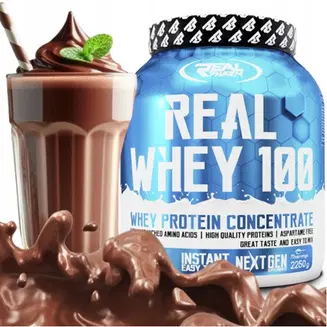
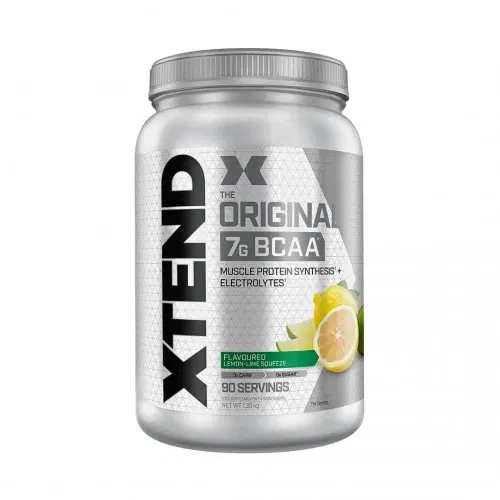
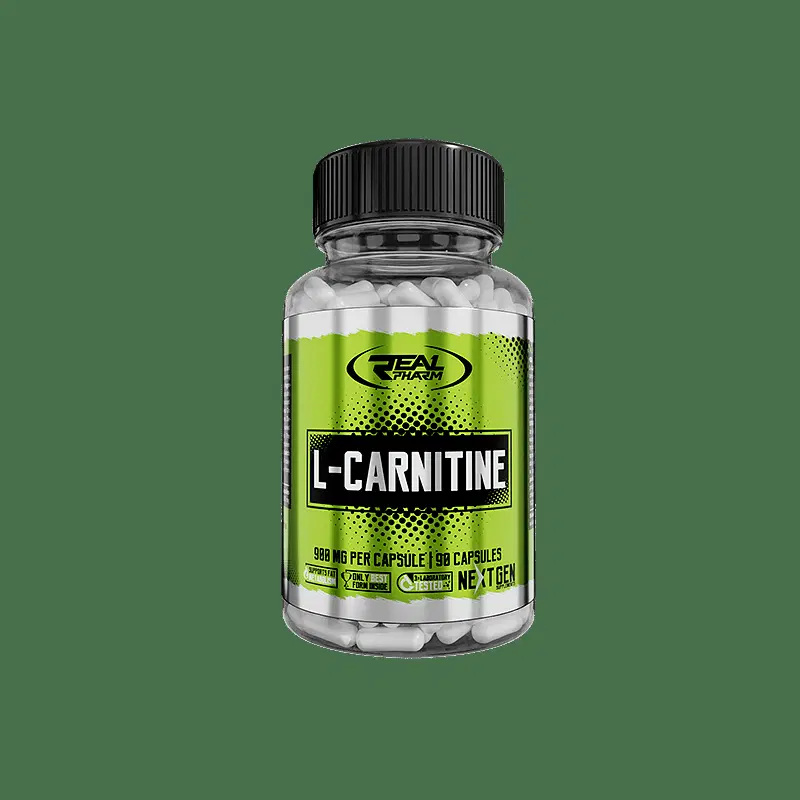
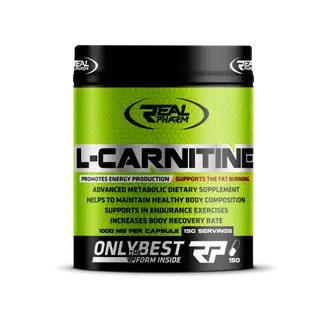
Preporučeni proizvodi
Često postavljana pitanja
Шта је рекомпозиција тела?
Рекомпозиција тела је процес у којем истовремено тежимо смањењу телесне масти и повећању мишићне масе. Ово се постиже комбинацијом специјализованих стратегија исхране и адекватних тренинга.
Које групе људи могу најлакше постићи рекомпозицију тела?
Рекомпозиција је посебно погодна за почетнике спортисте, људе са вишком телесне масти или оне који се враћају тренинзима након периода неактивности. Код ових група тело има већи потенцијал за адаптацију.
Који су кључни кораци за успешну рекомпозицију тела?
Кључни кораци укључују контролисани унос калорија (благи дефицит или одржавање), висок унос протеина, умерене до јаке тренинге снаге и довољно одмора и опоравка.
Зашто је рекомпозиција важна за спортисте?
Рекомпозиција помаже у побољшању телесног састава и функционалности, истовремено избегавајући дуге периоде повећања масти или крајњег умора. То је стратешки приступ за спортисте који теже оптимизацији односа мишића и масти, задржавајући снагу.