Whey gegen Casein: Die Architektur von Milchproteinen
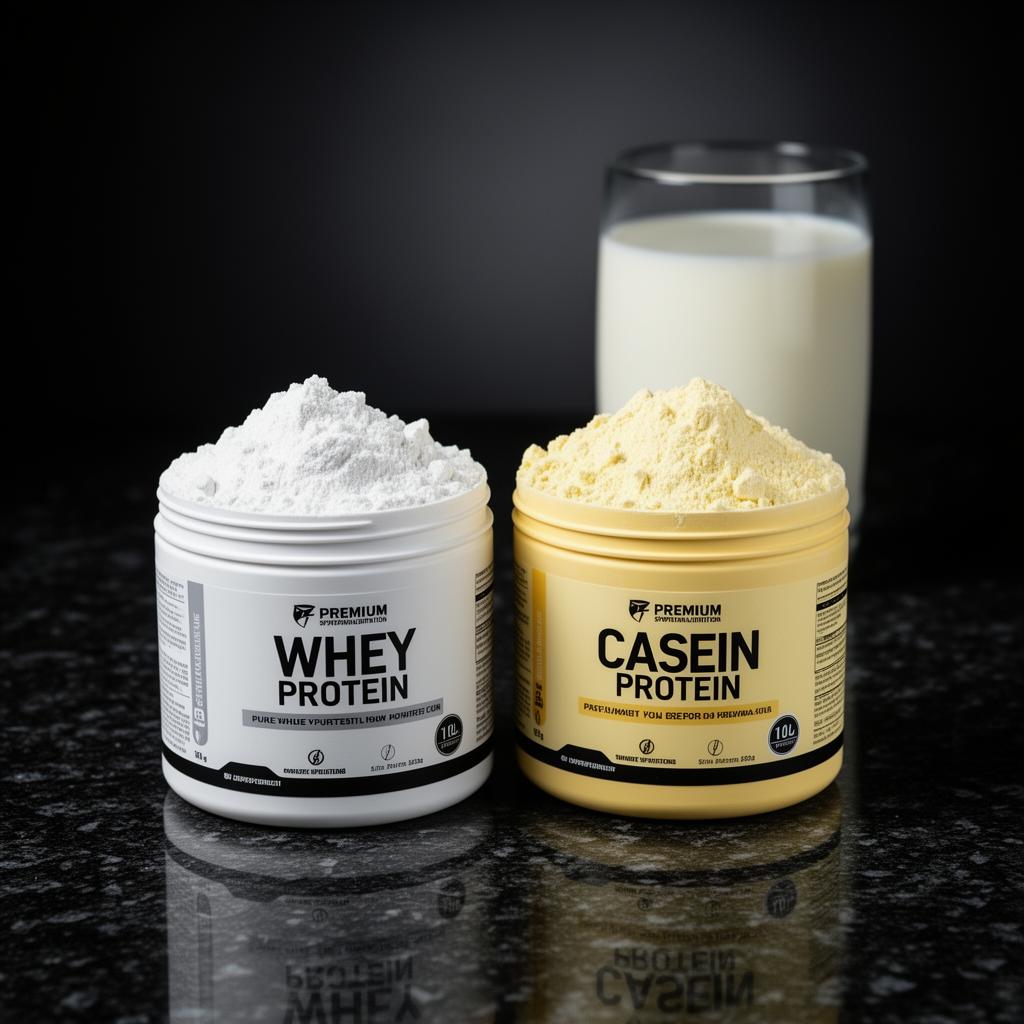
Verstehen Sie die wichtigsten Unterschiede zwischen Molkenprotein und Kasein – wann Sie jedes davon für maximales Muskelwachstum und Erholung einnehmen sollten.
Kurze Antwort: Molkenprotein sorgt für einen schnellen anabolen Peak innerhalb von 60-90 Minuten, während Casein einen konstanten Aminosäurefluss für 5-8 Stunden aufrechterhält. Wissenschaftliche Daten zeigen, dass 40 g Casein vor dem Schlafengehen die nächtliche Proteinsynthese um 22 % erhöhen. Praktischer Tipp: Kombinieren Sie nach dem Training 50 % Molke und 50 % Casein für optimales Muskelwachstum und Erholung.
In der Gruppe der Milchproteine gibt es zwei Haupttypen. Obwohl beide aus derselben Quelle stammen, führen ihre Absorptionsgeschwindigkeiten zu grundlegend unterschiedlichen funktionellen Rollen.
Siehe auch die Expertenwissensdatenbank für Nahrungsergänzungsmittel – über 270 von Experten geprüfte Artikel von Petar Mitkov und dem Team von Sport Zona.
Was ist der Unterschied zwischen Molkenprotein und Casein?
Die Vergleichstabelle veranschaulicht die Hauptunterschiede zwischen Molkenprotein (Whey) und Casein, indem sie ihre metabolische Rolle, Absorptionsgeschwindigkeit, Insulinreaktion, Schlüsselkomponenten und physikalischen Zustand verfolgt.

| Parameter | Molke (Whey) | Casein (Casein) |
|---|---|---|
| Metabolische Rolle | Stimuliert Muskelwachstum (Anabolismus) | Schützt vor Muskelabbau (Antikatabolismus) |
| Absorptionsgeschwindigkeit | Schnell – Aminosäure-Peak in 60–90 Min. | Langsam – konstanter Fluss für 5–8 Stunden |
| Insulinreaktion | Hoch – stimuliert schnelle Erholung | Niedrig – hält stabilen Blutzucker |
| Schlüsselkomponente | Hohe Konzentration an Leucin | Hohe Konzentration an Glutamin |
| Physikalischer Zustand | Flüssig, schnell löslich | Gelartige Struktur in Magenumgebung |
Warum wird Molkenprotein schnell aufgenommen?
Molke ist der wasserlösliche Teil der Milch, der aufgrund seines schnellen Durchgangs durch den Magen einen starken Anstieg der Muskelproteinsynthese (MPS) verursacht, was ihn nach dem Training geeignet macht.
Wissenschaftliche Quellen
- Boirie, Y., et al. (1997). Slow and rapid digestion of dietary protein: effects on amino acid absorption, protein synthesis, and protein breakdown in human muscle. PNAS, 94(26), 14930-14935. (DOI: 10.1073/pnas.94.26.14930)
- Dangin, M., et al. (2001). Rate of protein digestion affects protein gain in the human body. American Journal of Physiology-Endocrinology and Metabolism, 280(2), E340-E348. (PubMed: 11158913)
- Hoffman, J. R., & Falvo, M. J. (2004). Protein – Which is Best?. Journal of Sports Science & Medicine, 3(3), 118. (PubMed: 24696081)
- Reitelseder, S., et al. (2011). Whey and casein, labeled with 15N and 13C: effects on resting and post-exercise muscle protein synthesis in healthy young men. American Journal of Physiology-Endocrinology and Metabolism, 300(4), E856-E862. (DOI: 10.1152/ajpendo.00511.2010)
Einblick aus Erfahrung
Wir sehen, dass der häufigste Fehler darin besteht, sich nur auf eine Art von Protein zu verlassen. Obwohl sowohl Molken- als auch Caseinprotein ihre Vorteile haben, werden die richtigen Ergebnisse durch eine intelligente Kombination erzielt, die auf den Zeitpunkt der Einnahme und die Ziele abgestimmt ist. Das Verhältnis von schnellen zu langsamen Proteinen innerhalb einer Mahlzeit für maximale Muskelregeneration und -wachstum wird oft unterschätzt.
Arten von Molkenprotein
- Konzentrat (WPC): Ausgewogenes Profil mit immununterstützenden Mikrofraktionen. Enthält 70–80 % Protein.
- Isolat (WPI): Gereinigt von Laktose und Fett, mit über 90 % Proteingehalt. Geeignet bei Laktoseintoleranz.
- Hydrolysat (WPH): Vorverdaut für maximale schnelle Absorption. Wird bei Bedarf an sofortiger Erholung verwendet.
Ein zusätzlicher Vorteil von Molke ist, dass sie den Glutathionspiegel erhöht – eines der stärksten Antioxidantien im Körper.
Einfach ausgedrückt: Es ist, als würde man verschiedene Arten von Autokraftstoff wählen – jedes treibt an, aber mit unterschiedlichen Zusätzen und Verbrennungsgeschwindigkeiten, die die Effizienz beeinflussen.
Was ist Casein und warum wird es langsam freigesetzt?
Casein ist die Hauptproteinfraktion der Milch, ein Protein mit verlängerter Freisetzung, da es im Magen mit Säuren reagiert und ein mizellares Gel bildet, das über Stunden eine langsame und allmähliche Freisetzung von Aminosäuren gewährleistet.
Wann man Casein einnehmen sollte
- Vor dem Schlafengehen: Die abendliche Einnahme sorgt für eine positive Stickstoffbilanz über Nacht und verhindert Muskelabbau während des Fastens.
- Appetitkontrolle: Sein hoher Sättigungsindex macht es geeignet für Phasen mit Kaloriendefizit und Gewichtsabnahme.
- Kulinarische Verwendung: Aufgrund seiner dicken Textur eignet es sich hervorragend für Protein-Puddings, Panna Cotta und Desserts.
Können wir Molken- und Caseinprotein kombinieren?
Der kombinierte Ansatz stellt eine Strategie zur Optimierung der Ergebnisse der Proteineinnahme dar, die die gleichzeitige Verwendung von Molken- und Caseinprotein beinhaltet.
- Nach dem Training: Eine Kombination aus 50 % Molke und 50 % Casein sorgt sowohl für einen schnellen anabolen Start als auch für eine langfristige Aminosäureunterstützung.
- Tagesablauf: Molke am Morgen (um den nächtlichen Katabolismus zu beenden) und Casein am Abend (für nächtlichen Schutz).
Wichtig: Bei Laktoseintoleranz wählen Sie Molkenisolat (WPI) mit hohem Filtrationsgrad oder mizellares Casein mit zugesetzten Verdauungsenzymen.
Was sagt die Wissenschaft über verschiedene Milchproteine?
Molken- und Caseinprotein haben unterschiedliche Auswirkungen auf die Muskelproteinsynthese: Molke verursacht eine stärkere, aber schärfere anabole Reaktion, während Casein eine längere positive Stickstoffbilanz bietet. Nach einer 12-wöchigen Trainingsperiode sind die Unterschiede in der Muskelmasse zwischen ihnen laut einer Meta-Analyse von 2017 im Journal of the International Society of Sports Nutrition statistisch unbedeutend.
Eine Studie von Res et al. (2012) im Journal Medicine & Science in Sports & Exercise belegt, dass die Einnahme von 40 g Casein vor dem Schlafengehen die nächtliche Proteinsynthese um 22 % erhöht und die gesamte Stickstoffbilanz verbessert.
Welche häufigen Fehler werden bei der Proteineinnahme gemacht?
- Übermäßige Dosis auf einmal: Mehr als 50 g Molke pro Portion können Blähungen und Gasbildung verursachen. Eine geeignete Einzeldosis beträgt 25–40 g.
- Casein nach dem Training: Casein ist zu langsam für das Post-Workout-anabole Fenster. Kombinieren Sie es mit einer schnellen Quelle (Molke oder EAA).
- Ignorieren der gesamten Proteinzufuhr: Die Art des Proteins ist zweitrangig gegenüber der gesamten Tagesmenge. Streben Sie 1,6–2,2 g/kg Körpergewicht an.
- Angst vor Laktose: Molkenisolat (WPI) enthält weniger als 1 % Laktose und ist für die meisten Menschen mit Unverträglichkeit sicher.
Häufige Fehler bei der Proteineinnahme sind eine übermäßige Dosis auf einmal (über 50 g Molke), die Einnahme von Casein unmittelbar nach dem Training, das Ignorieren der gesamten Proteinzufuhr und eine unbegründete Angst vor Laktose. Die empfohlene Einzeldosis Molke beträgt 25–40 g.
Für vollständige Erholung und Muskelwachstum: 1 Dosis (ca. 25-30g) Molkenprotein-Hydrolysat sofort nach dem Training, gefolgt von 1 Dosis (25-30g) mizellarem Casein vor dem Schlafengehen.
Wann sollte ich eine Mischung aus Molke und Casein verwenden?
| Zeit | Nahrungsergänzungsmittel | Dosis | Ziel |
|---|---|---|---|
| 07:00 (Aufwachen) | Molkenisolat | 25–30 g | Unterbrechung des nächtlichen Katabolismus |
| Post-Workout | Molkenkonzentrat/Isolat | 30–40 g | Anaboler Start |
| 22:00 (vor dem Schlafengehen) | Mizellares Casein | 30–40 g | Nächtlicher antikataboler Schutz |
Eine Mischung aus 60 % Molke und 40 % Casein wird tagsüber für zusätzliche Proteine eingenommen, wenn ein Gleichgewicht zwischen schneller Absorption und anhaltender Freisetzung gesucht wird.
Expertenfazit
Molkenprotein ist der „Sprinter" – schnell und stark. Casein ist der „Marathonläufer". Langsam und beständig. Die richtige Strategie ist, sie zu kombinieren: Molke nach dem Training und morgens, Casein vor dem Schlafengehen. So decken Sie beide Fenster der Muskelregeneration ab.
🧭 Wann wählt man was?
- Wählen Sie Molkenprotein (Whey), wenn Sie nach dem Training eine schnelle Absorption für die sofortige Muskelregeneration benötigen.
- Wählen Sie Casein (Casein), wenn Sie eine anhaltende Aminosäurefreisetzung über lange Zeiträume ohne Nahrungsaufnahme suchen, z. B. vor dem Schlafengehen.
- Kombinieren Sie beide, wenn Sie sowohl die schnelle als auch die langsame Erholung optimieren möchten, indem Sie die spezifischen Vorteile jedes Proteins zu verschiedenen Tageszeiten nutzen.
📖 Was sind Molke und Casein?
Molkenprotein (Whey) ist ein schnell absorbierbares Protein, das aus Milch gewonnen wird und sich für die Einnahme nach dem Training zur schnellen Erholung eignet. Casein ist ein langsam absorbierbares Protein, ebenfalls aus Milch, das eine anhaltende Aminosäurefreisetzung gewährleistet und sich für die Einnahme vor dem Schlafengehen eignet.
⚖ Vor- und Nachteile
| Vorteile | Nachteile |
|---|---|
|
|
🗣 Einfach erklärt
Milchproteine, Molke (Whey) und Casein, sind wie verschiedene Arten von Baumaterialien. Molke ist die schnelle Geige – sie wird sofort aufgenommen und ist super für nach dem Training, wenn deine Muskeln eine schnelle „Ernährung" brauchen. Casein hingegen ist wie ein langsamer, aber stabiler Baumeister – es wird über einen längeren Zeitraum freigesetzt und ist gut vor dem Schlafengehen, damit die Muskeln über Nacht versorgt werden.
Wählen Sie das richtige Produkt für Ihr Ziel:
→ Molkenprotein (Whey)
→ Caseinprotein
→ Mischung aus Molken- und Caseinprotein
Kombiniertes Protokoll für maximale Effektivität:
Die Kombination von Produkten erhöht die Effektivität. Nach Angaben von Sport Zona Praxis.
⚖ Wann wählt man Molke
- Athlet nach dem Training für einen schnellen Start des Muskelwachstums.
- Athlet am Morgen, sofort nach dem Aufwachen, um den nächtlichen Katabolismus zu unterbrechen.
- Athlet, der eine schnelle Muskelregeneration nach intensiver Belastung benötigt.
- Bei Laktoseintoleranz ist Isolat für eine schnelle Proteinzufuhr geeignet.
⚖ Wann wählt man Casein
- Athlet vor dem Schlafengehen für nächtlichen antikatabolischen Schutz und positive Stickstoffbilanz.
- Athlet in einer Phase des Kaloriendefizits zur Appetitkontrolle und Sättigung.
- Athlet, der eine langsame und anhaltende Aminosäurefreisetzung sucht.
- Athlet für kulinarische Zwecke zur Zubereitung von dicken Protein-Desserts.
Expertennotiz von Sport Zona
Aus unseren jahrelangen Beobachtungen bleibt Molke der Goldstandard für die sofortige Erholung nach dem Training. Aber für sichtbare Fortschritte beim Muskelwachstum, insbesondere wenn die tägliche Nahrungsaufnahme spärlicher ist, erweist sich Casein oft als Schlüssel für zusätzliche Unterstützung, die über den kurzfristigen Effekt von Molkenprotein hinausgeht.
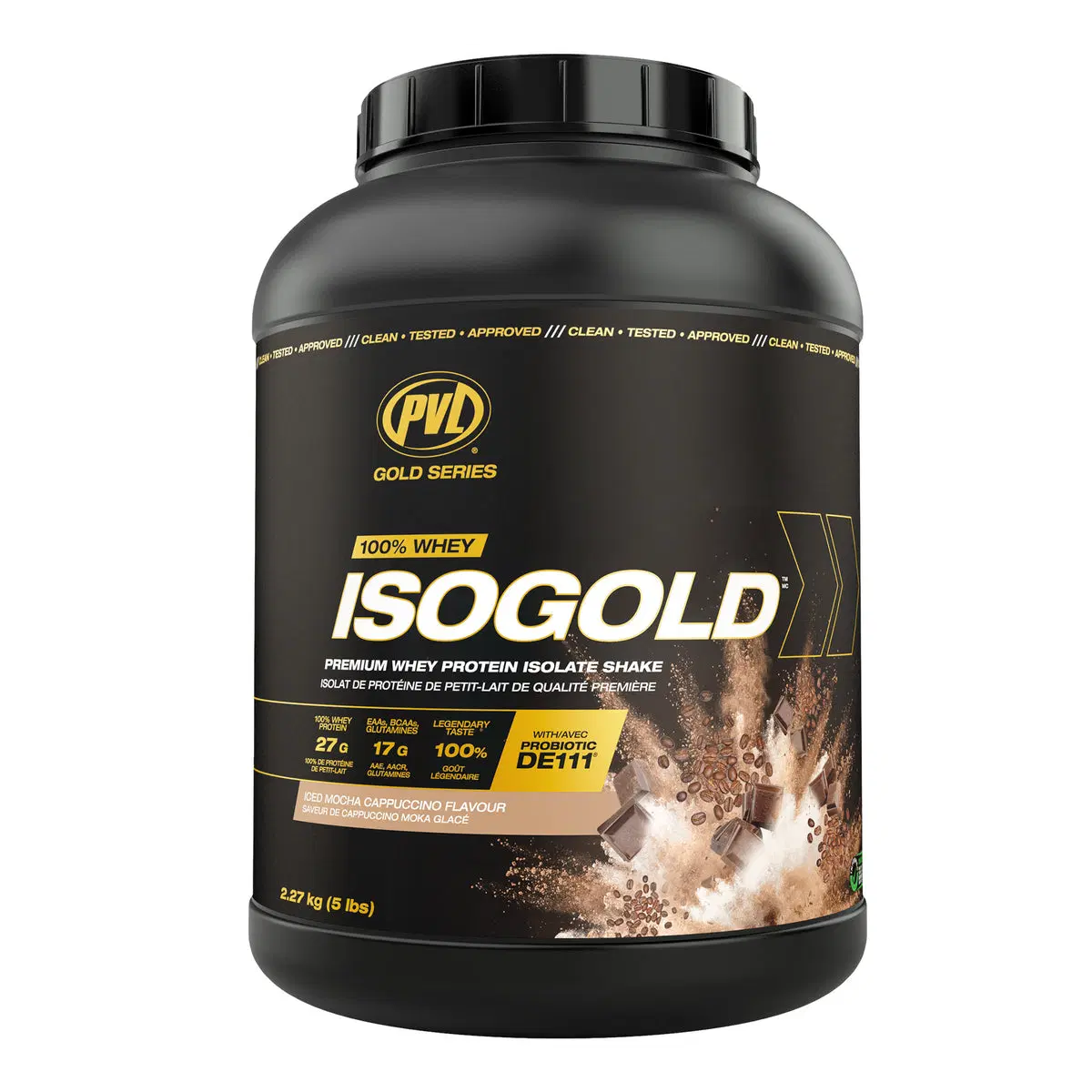
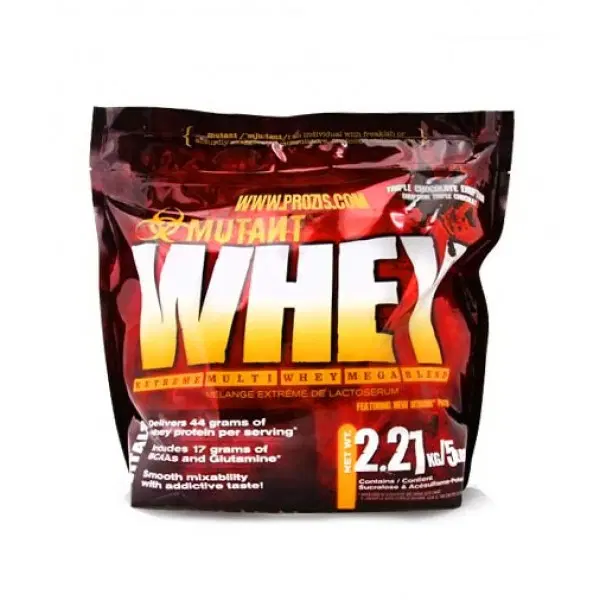
Empfohlene Produkte

Häufig gestellte Fragen
Wann ist die beste Zeit, Molkenprotein einzunehmen?
Molkenprotein ist ideal für die Einnahme direkt nach dem Training, da seine schnelle Absorption die Muskelproteinsynthese stimuliert. Es kann auch morgens eingenommen werden, um den nächtlichen Katabolismus zu stoppen.
Warum wird Kasein vor dem Schlafengehen empfohlen?
Kasein wird langsam verdaut und liefert über Nacht eine kontinuierliche Versorgung mit Aminosäuren. Dies hilft, den Muskelabbau zu verhindern und einen positiven Stickstoffhaushalt während des Schlafs aufrechtzuerhalten.
Kann Molkenprotein und Kasein kombiniert werden?
Ja, die Kombination ist möglich und oft empfehlenswert. Zum Beispiel kann nach dem Training eine Mischung aus 50% Molke und 50% Kasein für einen schnellen anabolen Start und eine langanhaltende Versorgung eingenommen werden.
Was sind die Hauptunterschiede zwischen Molke und Kasein?
Der Hauptunterschied liegt in der Absorptionsgeschwindigkeit: Molke ist schnell und stimuliert das Muskelwachstum, während Kasein langsam ist und vor Muskelabbau schützt. Sie haben unterschiedliche physikalische Eigenschaften und Wirksamkeit zu verschiedenen Zeiten.