Biotin vs. Zinc: The Beauty Booster vs. The Master of All Systems
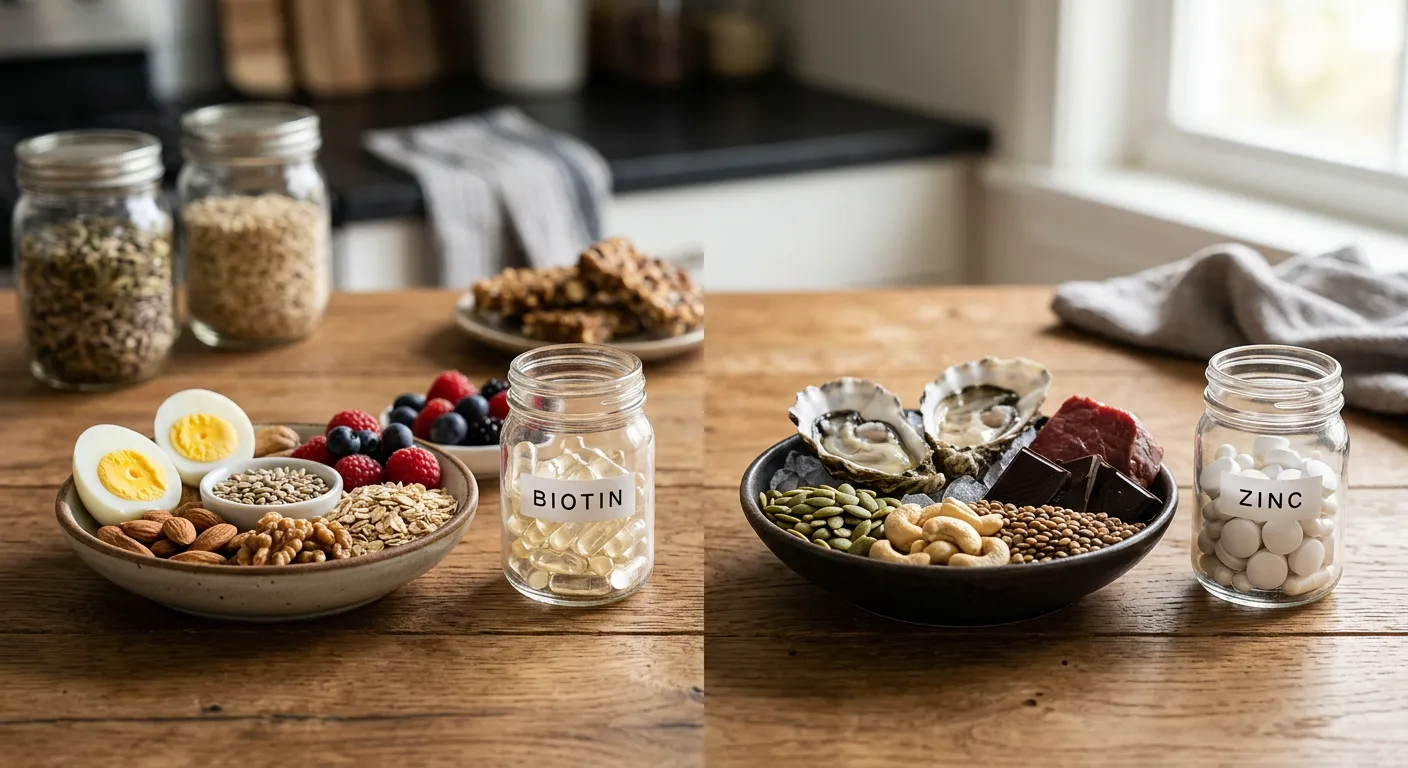
Biotin energizes the body, while zinc builds structures and supports immunity. Understanding their roles helps optimize recovery and performance.
Short answer: Biotin (Vitamin B7) is responsible for energy metabolism and cell growth, directly supporting hair and nails. Zinc is a mineral, key for immunity, protein synthesis, and skin health. They are not interchangeable but complementary. Practical advice: For general support, combine 5-10 mg of Biotin daily with 15-30 mg of elemental Zinc (picolinate or bisglycinate), taken with food.
We often focus on protein, creatine, and amino acids when talking about supplements. We forget that the fundamental components for health and peak performance are vitamins and minerals. Biotin and zinc are two important micronutrients often discussed together, especially for hair and skin health. But for athletes, their roles are much deeper and different.
Zinc is responsible for structural integrity, protein synthesis, immunity, and influences hormonal balance. Biotin, on the other hand, does not build structures but ensures the efficient management of energy resources (fats, carbohydrates, proteins) and their conversion into usable fuel (ATP).
It's important to know when to focus on zinc and when on biotin to optimize recovery, energy, and overall performance. This article will explore these two micronutrients in detail to help you make an informed decision for your regimen.
This article is part of the Expert Hub for Nutritional Supplements — over 270 expert-verified articles by Petar Mitkov and the Sport Zona team.
What is the Comparative Matrix for Biotin and Zinc?
The comparative matrix for Biotin (Vitamin B7) and Zinc is a systematic analysis of these two key nutrients, examining their biological status, primary focus, mechanism of action, time horizon, and key influence for athletes.
| Criterion | Biotin (Vitamin B7) | Zinc |
|---|---|---|
| Biological Status | Water-soluble B-group vitamin | Essential mineral |
| Primary Focus | Energy metabolism, cell growth | Immunity, protein synthesis, hormones |
| Mechanism of Action | Cofactor for 5 key enzymes (carboxylases) | Cofactor for over 300 enzymes and proteins |
| Time Horizon | Constant (provides metabolic foundation) | Acute and chronic (recovery, immunity) |
| Key Influence for Athletes | Efficient energy production (ATP) | Muscle recovery, testosterone, immune defense |
| Risk of Deficiency | Low (widely distributed, also synthesized in the gut) | Moderate to high (especially in athletes and vegetarians) |
How Does Biotin Work?
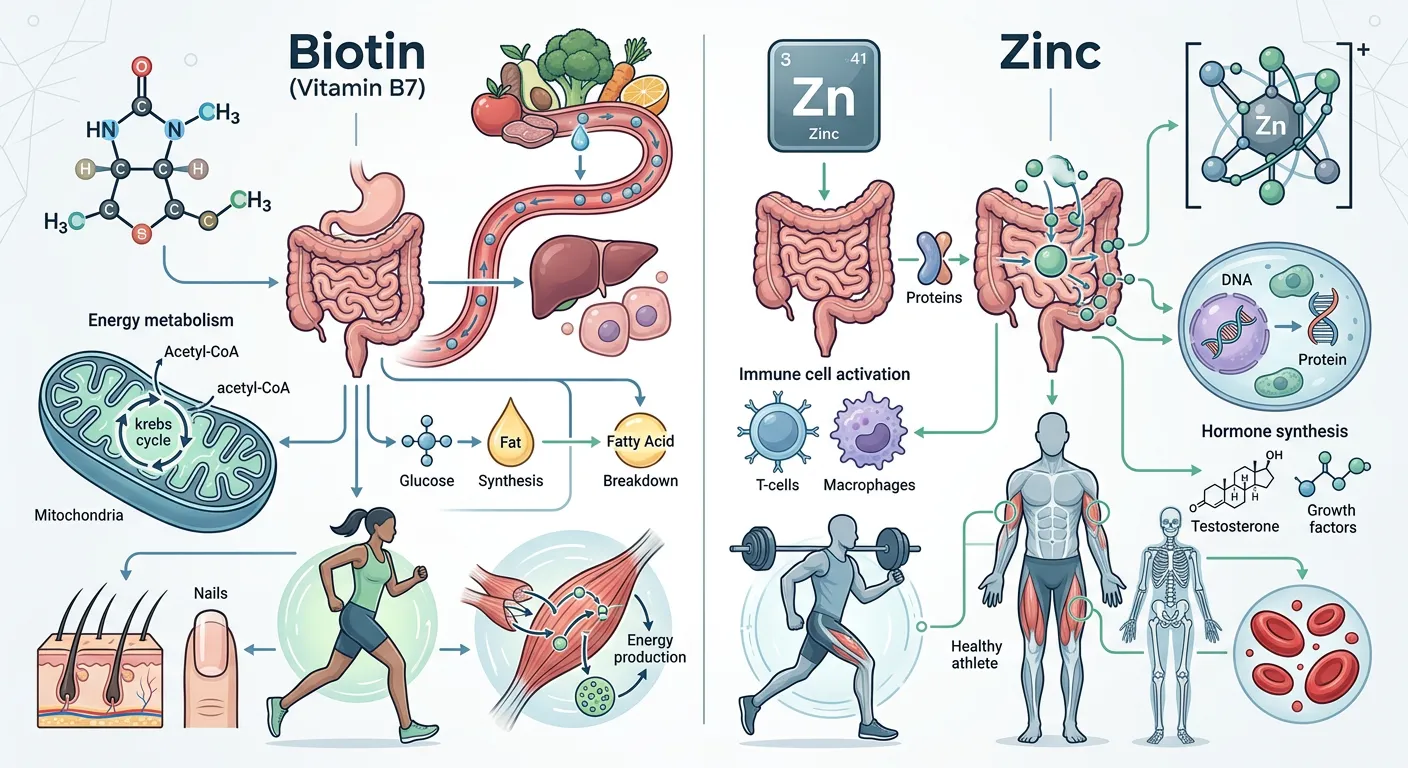
1. Biotin: The Metabolic Engine
Biotin, also known as vitamin B7, is an important cofactor for five specific enzymes called carboxylases, which are involved in key metabolic processes.
- Gluconeogenesis: Production of glucose from non-carbohydrate sources (like amino acids and lactate). This is important for maintaining blood sugar during long workouts or fasting.
- Fatty Acid Synthesis: Creation of fatty acids, necessary for cell membranes and energy storage.
- Amino Acid Metabolism: Breakdown of branched-chain amino acids (BCAAs) like leucine — important for energy and recovery.
Insufficient biotin slows down these processes, leading to inefficient energy production. For athletes, this can cause quicker fatigue and slower replenishment of energy stores.
Simply put: Biotin is like a key that starts several important "engines" in the body, converting food into fuel. Without it, the engines run at lower RPMs.
Scientific Sources
Expert Note
Clinical biotin deficiency is rare. For athletes on highly restrictive diets, especially low-fat diets or bodybuilders in pre-competition phases, biotin supplementation may improve energy and vitality. Another case is excessive consumption of raw egg whites, which contain avidin – a protein that binds biotin and hinders its absorption.
2. Zinc: The Structural Pillar and Guardian of Immunity
Zinc is a very important mineral for athletes, second only to iron. Its role is comprehensive and affects almost every aspect of athletic performance:
- Protein Synthesis: Zinc is absolutely essential for the function of enzymes that "read" DNA and build new proteins. Without sufficient zinc, muscle recovery and growth are severely compromised.
- Immune Function: Intense training can temporarily suppress the immune system. Zinc is fundamental for the development and function of immune cells, especially T-cells, which fight infections. Adequate zinc levels can reduce the frequency and duration of colds.
- Hormonal Support: Zinc plays a role in testosterone production and can help maintain healthy levels, especially in men with a deficiency. It is also involved in regulating insulin and growth hormone.
- Antioxidant Defense: Zinc is a component of the powerful antioxidant enzyme superoxide dismutase (SOD), which protects cells from the oxidative stress generated during exercise.
Simply put: Zinc is the master of the construction site (the body). It gives orders for repairs (muscles), manages security (immunity), and ensures smooth communication between management teams (hormones).
Scientific Sources
Expert Note
Zinc deficiency is more common in athletes due to losses through sweat and increased needs for recovery. I often advise athletes complaining of frequent illnesses or slow recovery to check their zinc levels. White spots on the nails (leukonychia) can sometimes be a visual indicator, though not always reliable.
The Synergistic Effect: Why Do They Work Better Together?
Although they have different primary functions, biotin and zinc work together to maintain the health of rapidly dividing cells, such as those in the skin, hair, and mucous membranes. Zinc provides the structural framework and enzymatic support for cell division, while biotin supplies energy and participates in the synthesis of keratin – the main protein in these tissues. For athletes, this means a stronger skin barrier function and better condition of mucous membranes (e.g., in the gut and respiratory tract), contributing to overall resistance against pathogens.
How to Choose Between Biotin and Zinc (or a Combination)?
The choice between biotin and zinc (or their combination) is a decision that depends entirely on an individual's goals and current health status.
Choose Biotin if:
- Your primary goal is to improve hair, skin, and nail health.
- You are following a highly restrictive diet (especially ketogenic or low-carb).
- You have a confirmed deficiency or regularly consume raw egg whites.
- You are looking for mild support for energy levels without stimulants.
🔵 Choose Zinc if:
- Your priorities are muscle growth and recovery.
- You get sick often or want to boost your immune system.
- You follow a vegetarian or vegan diet (zinc sources are mainly animal-based).
- You have concerns about your hormonal balance, especially testosterone levels (in men).
Recommended Stack for Overall Support:
For athletes who want to cover all bases, a combination is suitable. Take Biotin in the morning with food (5000-10000 mcg D-Biotin) to support daily metabolism and Zinc in the evening before bed (15-30 mg, in picolinate, bisglycinate, or citrate form) to aid nighttime recovery, separate from foods rich in calcium and iron, which can reduce its absorption.
What is the 2026 Protocol?
"The 2026 Protocol: Foundation and Performance Stack" represents a modern approach to supplementation, where zinc is considered the foundational element and biotin a specialized tool.
- Daily Dose: 15-25 mg Zinc (evening) and 30-100 mcg Biotin (from a multivitamin complex or food).
- Post-Workout: Zinc actively participates in recovery. Therefore, athletes training in the afternoon should take it in the evening.
- For Optimization Needs: During periods of dieting or focus on aesthetics, the biotin dose can be increased to 5000+ mcg daily.
Expert Note: Timing is Everything
Zinc is a "picky" mineral. Taking it with fiber, phytates (in whole grains, nuts), and high doses of calcium or iron significantly reduces its absorption. Therefore, the recommendation to take it on an empty stomach in the evening is standard. Biotin, on the other hand, is much less demanding and can be taken at any time, but morning intake with food logically fits into supporting daily metabolism.
🧭 When to Choose What?
- Choose BIOTIN if your main concern is related to energy metabolism on specific diets, or you are primarily seeking a cosmetic effect.
- Choose ZINC if you are a serious athlete aiming for maximum recovery, strong immunity, and good hormonal balance. It is almost mandatory.
- Combine BOTH if you want complete metabolic and structural support, especially during intense training cycles or competition preparation.
📖 What are Biotin and Zinc?
Biotin (Vitamin B7): A key water-soluble vitamin that acts as a crucial helper (coenzyme) in the metabolism of fats, carbohydrates, and amino acids.
Zinc: An essential mineral that acts as a structural or catalytic component in hundreds of enzymes, supporting everything from immunity to DNA and protein synthesis.
What are the Pros and Cons of Biotin and Zinc?
Biotin is very safe, has a visible effect on skin and hair, and supports energy metabolism, but is rarely deficient, has no direct effect on strength, and high doses can interfere with blood tests. Zinc is critical for recovery and growth, a powerful immune booster, and supports hormones, but requires careful dosing due to toxicity at high levels, can cause stomach discomfort, and competes with other minerals.
| Biotin | Zinc |
|---|---|
| Pros: Very safe, visible effect on skin/hair, supports energy metabolism. | Pros: Critical for recovery and growth, powerful immune booster, supports hormones. |
| Cons: Rarely deficient, no direct effect on strength, high doses can interfere with blood tests. | Cons: Requires careful dosing (toxicity at high doses), can cause stomach discomfort, competes with other minerals. |
Which is Better: Biotin or Zinc?
Biotin and Zinc are vital micronutrients that are often contrasted due to their specific but complementary roles in the body. Biotin is taken as the "Key to start the engine" of metabolism, providing fuel and energy, while Zinc is the "Structural Engineer and Security Guard," responsible for the structure, repair, and protection of various bodily systems.
| Criterion | Biotin | Zinc |
|---|---|---|
| Comparison | Fuel / Energy | Structure / Repair |
| Metaphor | The Engine Starter Key | The Structural Engineer and Security Guard |
Biotin provides the spark for the engine (metabolism) to run efficiently. Zinc designs the chassis, repairs damage after a race, and protects the car from external threats.
Which is the Right Product for Your Goal?
- For muscle mass and recovery: Focus on protein and add zinc for maximum synthesis.
- For overall health and immunity: Combine zinc with a quality multivitamin complex that also contains baseline biotin levels.
- For energy and metabolism: Consider energy products and add biotin if you are on a specific diet.
Combined Protocol for Peak Performance:
- Morning: A quality multivitamin containing D-Biotin, with food.
- Post-Workout: Whey protein for rapid recovery.
- Evening (before sleep): 15-30mg Zinc (picolinate or bisglycinate) to optimize nighttime recovery processes.
⚖ When to Choose Biotin
- When you are on a strict ketogenic diet.
- If you are primarily aiming for a cosmetic effect on hair/skin.
- You want to ensure energy metabolism without stimulants.
- You have a confirmed deficiency.
⛔ When Biotin is NOT Enough / Choose Zinc
- When recovery after training is slow.
- If you get sick often and your immunity is weak.
- When your main goal is to gain muscle mass.
- If you are vegan/vegetarian and do not consume animal products.
Expert Note from Sport Zona
Zinc is one of the most underestimated, yet most important micronutrients for athletes, contributing to better recovery, fewer illnesses, and improved tone.
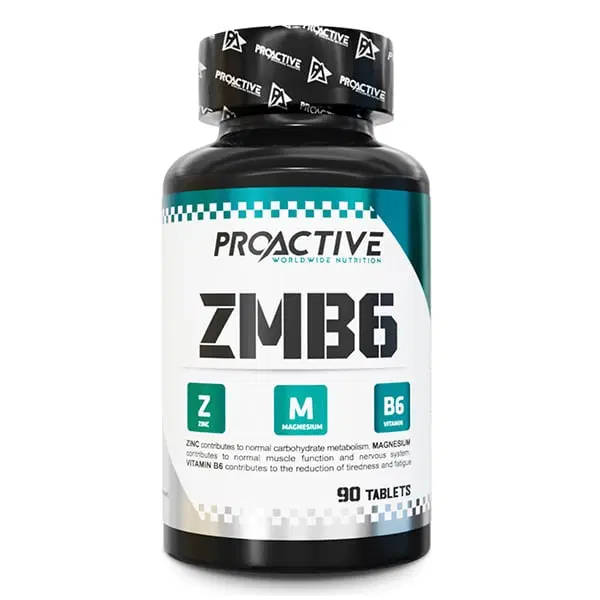
Recommended products
Frequently asked questions
Can Biotin and Zinc be taken together?
Yes, they can and are often combined for a synergistic effect on hair, skin, and nails. There are no proven negative interactions between them. Taking them with food can improve absorption and reduce the risk of stomach discomfort, especially from zinc.
Which is better for beginners - Biotin or Zinc?
It depends on the goal. If the main problem is brittle hair and nails, start with Biotin. If you have acne, slow-healing wounds, or get sick often, Zinc is the better choice. For general strengthening, start with a quality multivitamin complex that contains both.
When is the best time to take Biotin and Zinc?
Biotin is water-soluble and can be taken at any time of the day. Zinc is best taken with food (lunch or dinner) to avoid nausea. Avoid taking zinc together with supplements rich in calcium or iron, as they can reduce its absorption.
Are there side effects from taking Biotin or Zinc?
Biotin is considered very safe and excess is excreted in urine. High doses (over 10 mg) can affect some laboratory tests. Zinc overdose (over 40 mg daily long-term) can lead to copper deficiency, stomach problems, and weakened immunity.
What is the recommended dosage of Biotin and Zinc?
For Biotin, dosages for cosmetic purposes range from 2.5 mg to 10 mg (2500-10,000 mcg) daily. For Zinc, the recommended daily intake is about 11 mg for men and 8 mg for women, but for therapeutic purposes in athletes, 15-30 mg of elemental zinc daily is used. Always choose chelated forms like zinc picolinate or bisglycinate.