White vs. Brown Rice: Glycemic Spike vs. Nutrient Density
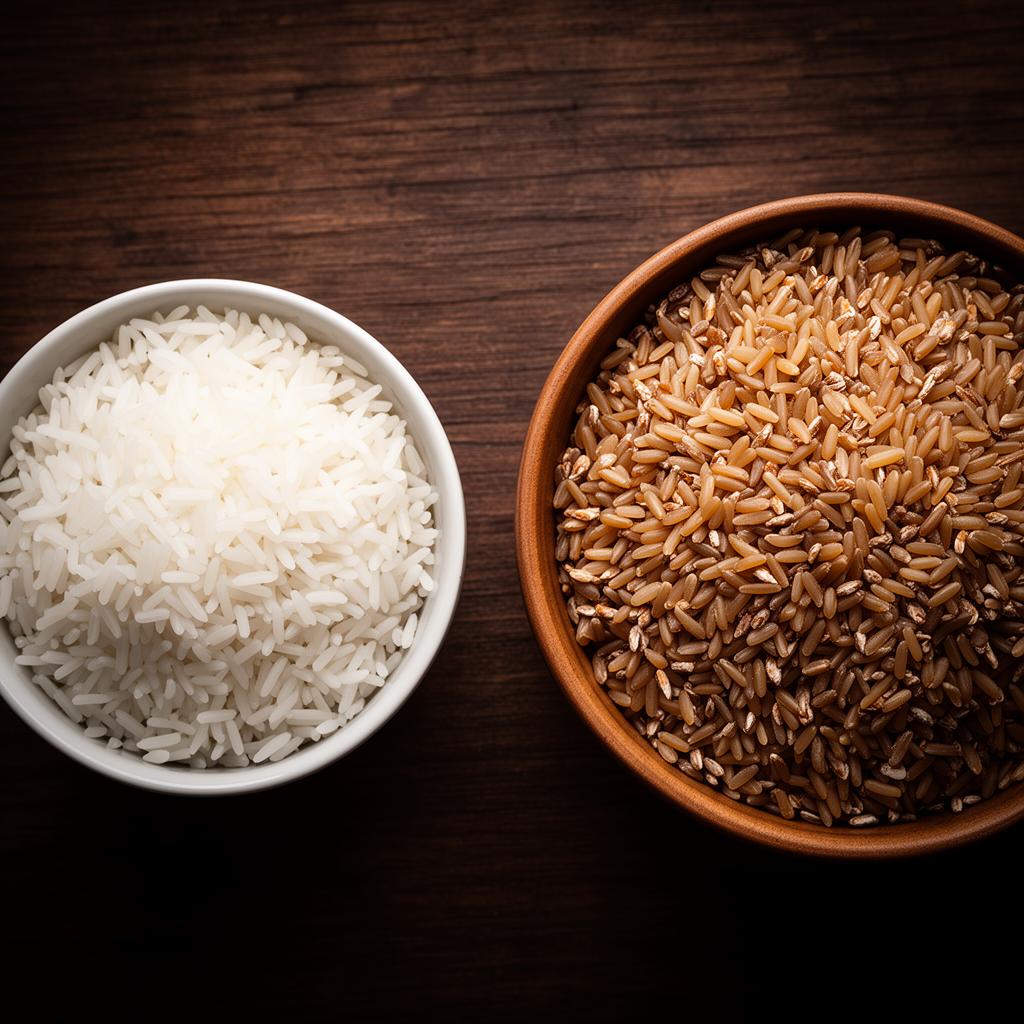
The debate between white and brown rice is often black and white, but for athletes, the truth lies in timing. The difference is between removing metabolic barriers for rapid recovery and using fiber for appetite control.
The debate between white and brown rice is often black and white, but for athletes, the truth lies in timing. The difference is between removing metabolic barriers for rapid recovery and using fiber for appetite control.
📊 Comparative Matrix: System Analysis
| Characteristic | White Rice (Long Grain) | Brown Rice (Whole Grain) |
|---|---|---|
| Glycemic Index | High (~70) | Medium/Low (~50) |
| Insulin Response | Sharp and Fast | Smooth and Controlled |
| Fiber (per 100g) | ~0.4 g | ~3.5 g |
| Antinutrients | Almost absent (polished) | Contains Phytic Acid |
| Magnesium (per 100g) | ~12 mg | ~43 mg |
| Metabolic Role | Glycogen Resynthesis | Glycemia Maintenance |
🧬 In-depth Analysis of Mechanisms
1. White Rice: Pure Energy without the "Baggage"
White rice is brown rice with the bran and germ removed. In a sports context, this removal is an advantage.
💬 Simply put: This section looks at how different types of rice actually work in our bodies, as if we're taking apart a clock to see how each gear functions.
📚 Scientific Sources
- Glycemic index, glycemic load, and chronic disease risk - Barclay et al., 2008 (DOI: 10.1093/ajcn/87.3.627)
- Effects of phytic acid on mineral bioavailability - Schlemmer et al., 2009 (DOI: 10.1002/mnfr.200900099)
- Post-exercise muscle glycogen resynthesis in humans - Burke et al., 2017 (DOI: 10.1123/ijsnem.2016-0325)
- Arsenic in rice: understanding a potential health concern - Meharg & Zhao, 2012 (DOI: 10.1016/j.tifs.2012.08.005)
🔬 From SportZone Practice
When creating nutrition plans for competitors, we observe a clear trend: athletes who strategically alternate white and brown rice according to their training schedule report more stable energy and less stomach discomfort compared to those who stick to only one type.
Insulin as an Anabolic Key: The high glycemic index of white rice triggers an insulin spike after training. Insulin is the "transport agent" that directly delivers amino acids and glucose into the depleted muscle cell.
Eliminating Digestive Stress: Since there are no fibers to slow its passage through the intestines, white rice is ideal for athletes with high caloric intake who need to eat frequently without feeling constantly bloated.
2. Brown Rice: The Micronutrient Matrix
Brown rice retains its germ, making it a "living" product with active enzymes and minerals.
Micronutrient Profile: It contains significantly more magnesium (key for muscle contractions) and manganese (important for bone health and carbohydrate metabolism).
Sugar Level Control: The fiber in it creates a gel-like structure in the stomach, which slows down sugar absorption. This prevents the "energy crash" (reactive hypoglycemia) often felt 2 hours after consuming white rice at rest.
🛡️ The Antinutrient Paradox (Phytic Acid)
An often overlooked detail is the phytic acid in brown rice.
💬 Simply put: This section explains how some beneficial compounds in brown rice (like phytic acid) can interfere with the absorption of other nutrients, as if you have a key that opens one door but locks another.
Effect: It binds to minerals like zinc, iron, and calcium in the gastrointestinal tract, turning them into insoluble phytates. This means that even though brown rice has more minerals on paper, your body may absorb less of them compared to white rice if it's not soaked beforehand.
Solution: Soaking brown rice for 12-24 hours neutralizes a large portion of the phytic acid.
🛠️ Practical Selection Algorithm
🍚 Choose WHITE RICE if:
- Your goal is rapid recovery (within 2 hours after intense training).
- You have a second training session within the same day.
- You suffer from Irritable Bowel Syndrome (IBS) or frequent bloating.
- You are in a "bulking" phase and need to consume large volumes of food.
🌾 Choose BROWN RICE if:
- You want long-lasting satiety during a weight loss period.
- You consume rice as part of a meal, away from the training process.
- You seek better colon health and microbiome support.
- You need more magnesium and B vitamins in your diet.
👉 Recommended Stack
For optimal carbohydrate timing: 200g white rice + 30g whey protein immediately after training for maximum glycogen resynthesis. On rest days – 150g brown rice (pre-soaked) with chicken fillet for stable energy and micronutrients.
🧭 The "Glycemic Timing" Protocol (2026)
The strategic use of both types of rice is the key to energy efficiency:
Lunch (2-3 hours before training): Brown rice. Provides stable blood sugar so you don't "run out of breath" mid-session.
Post-training (Anabolic Window): White rice. Rapid glycogen replenishment and insulin support for protein synthesis.
Rest Days: Primarily brown rice. The body doesn't need glycemic spikes and can benefit from the extra fiber and minerals.
⚠️ Expert Note: To reduce arsenic (which naturally accumulates in the bran of brown rice), always wash it thoroughly and cook it in a larger amount of water (like pasta), then drain the excess liquid.
🧭 When to Choose Which?
- Choose white rice if you want a rapid insulin response for glycogen resynthesis after training.
- Choose brown rice if you are looking for stable energy and long-lasting satiety on rest days.
- Combine both using the "Glycemic Timing" protocol – brown before, white after training.
- Choose white rice if you have a sensitive digestive system or eat large volumes frequently.
📖 What are white and brown rice?
White rice is polished rice from which the bran and germ have been removed, leaving a pure starchy endosperm with a high glycemic index. Brown rice retains its bran layer, containing fiber, magnesium, manganese, and B vitamins, making it slower to digest and richer in micronutrients.
⚖️ Pros and Cons
| ✅ Pros | ❌ Cons |
|---|---|
|
|
🗣️ Explained Simply
Imagine white rice as a high-speed train – it reaches its destination instantly but doesn't stop at intermediate stations (lacks fiber and minerals). Brown rice is a regional train – slower, but it stops everywhere to pick up useful "passengers" (magnesium, manganese, fiber). After training, you want the fast train. On a rest day – the regional one.
🎯 Choose the right product for your goal:
→ Energy drinks for a quick start
→ Vitamins and minerals for overall health
→ Protein bars for rapid recovery
⚡ Combined Protocol for Maximum Efficiency:
💡 Combining products increases effectiveness. According to SportZone practice data.
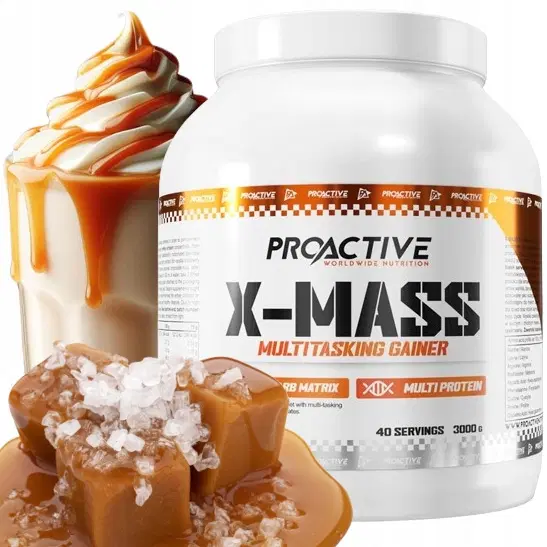
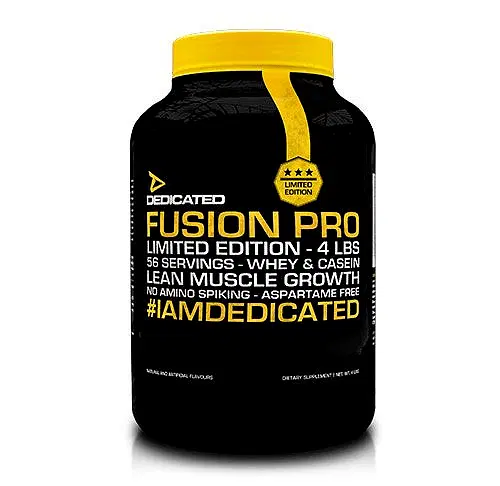
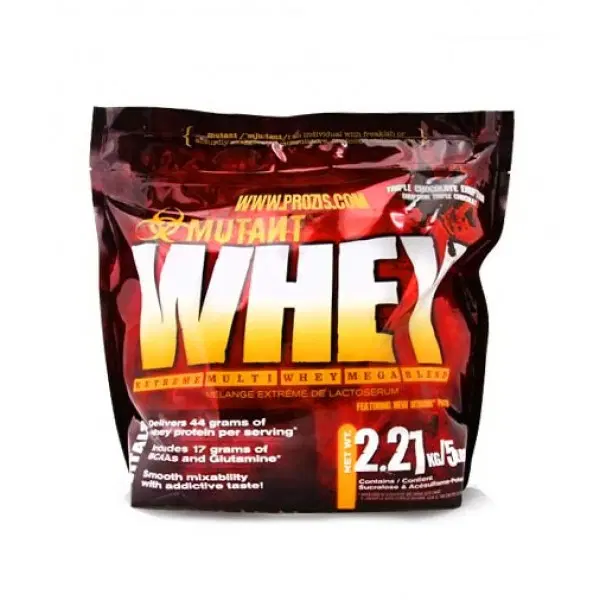
Recommended products

Frequently asked questions
When is the best time to consume white rice?
White rice is most effective within 2 hours after an intense workout. The high glycemic index provokes an insulin spike, which speeds up muscle glycogen resynthesis and amino acid transport into muscle cells.
Is phytic acid in brown rice dangerous?
It is not dangerous, but it reduces the absorption of minerals like zinc, iron, and calcium. The simple solution is to soak brown rice for 12-24 hours before cooking – this neutralizes a large portion of the phytic acid.
Can both types of rice be eaten on the same day?
Yes, this is exactly what the Glycemic Timing protocol recommends: brown rice 2-3 hours before training for stable energy and white rice immediately after training for rapid glycogen resynthesis.
How to reduce arsenic in brown rice?
Rinse the rice thoroughly, cook it in a larger amount of water (1:6 ratio instead of 1:2), and drain the excess water after cooking. This method can reduce arsenic content by up to 60%.