Red vs. White Meat: Muscle Catalyst vs. Dietary Standard
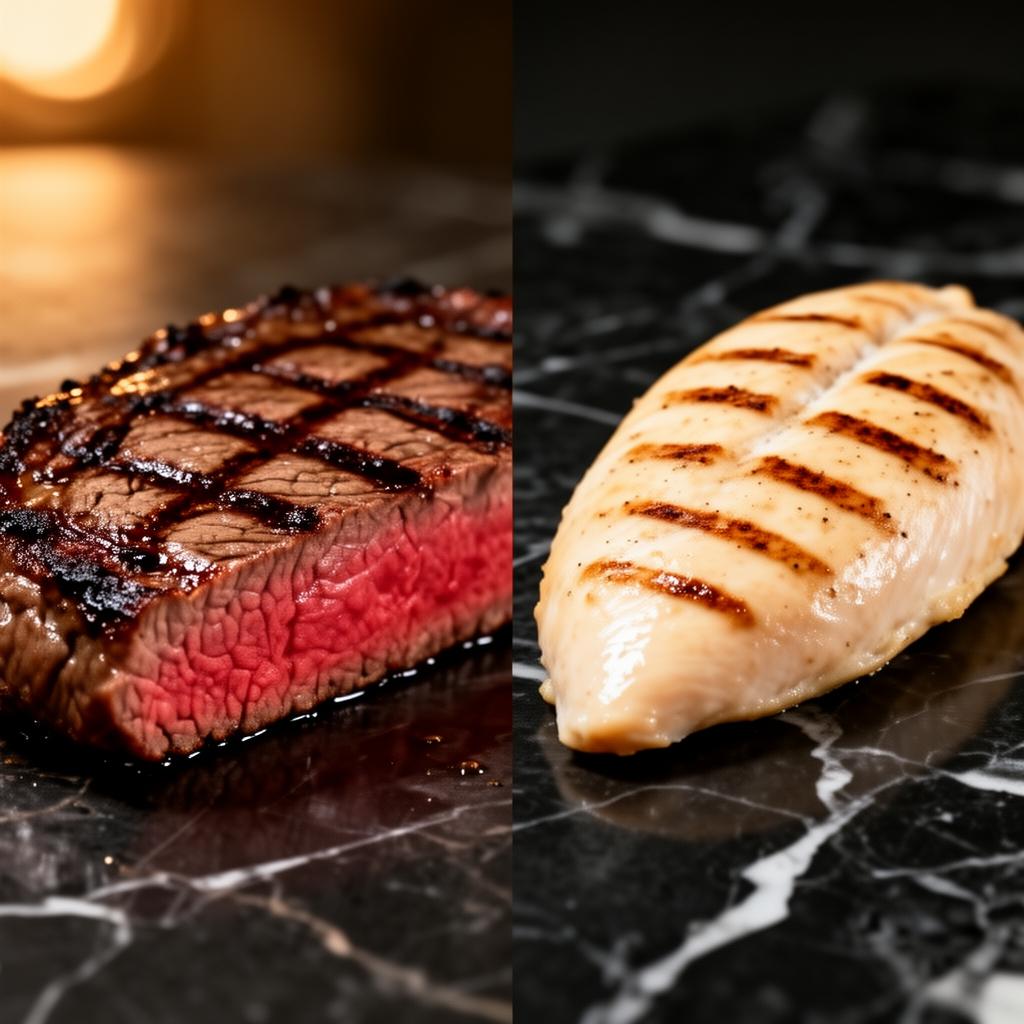
In modern dietetics, the debate is not about which meat is "better," but precisely when it should be used in the context of the training cycle. The difference lies between deeply replenishing energy stores and surgically clean macronutrient intake.
In modern dietetics, the debate is not about which meat is "better," but when exactly it should be used in the context of a training cycle. The difference lies between deep replenishment of energy stores and surgically clean macronutrient intake.
📊 Comparative Matrix: System Analysis (per 100g product)
| Characteristic | Red Meat (Beef/Veal) | White Meat (Chicken Breast) |
|---|---|---|
| Protein | 22–26 g | 23–31 g |
| Fat | 5–20 g (varies by cut) | 1–3 g |
| Creatine | High levels (~4.5 g/kg) | Low levels |
| Iron (Heme) | High (high bioavailability) | Low |
| Zinc and Selenium | Critical for Testosterone | Moderate levels |
| Digestion | Slower (3–5 hours) | Fast and light (1–3 hours) |
🧬 In-depth Analysis of Mechanisms
1. Red Meat: The Hormonal Engine
Red meat is not just protein; it's a matrix of co-factors that optimize the anabolic environment.
💬 Simply put: This section is like taking apart a car to understand how each part works and interacts with the others to move the vehicle. Here, we'll look at how red and white meat affect the body at a cellular level.
💬 Simply put: Red meat is like a turbocharger for your body. This section explains how it affects hormones, which are like the body's control panel, to stimulate muscle growth and recovery.
📚 Scientific Sources
- Red meat consumption and risk of type 2 diabetes - Pan et al., 2011 (DOI: 10.3945/ajcn.111.018978)
- Heme iron from meat and risk of colorectal cancer - Cross et al., 2010 (DOI: 10.1158/1055-9965.EPI-09-0963)
- Effects of creatine supplementation on performance and training adaptations - Kreider et al., 2017 (DOI: 10.1186/s12970-017-0173-z)
- Zinc status and serum testosterone levels of healthy adults - Prasad et al., 1996 (DOI: 10.1016/S0899-9007(96)00064-0)
🔬 From SportZone Practice
Working with professional athletes from various disciplines, our team has established a clear correlation: athletes who include red meat 2-3 times a week on heavy training days report faster CNS recovery and more stable ferritin levels. Meanwhile, those in a cutting phase achieve the best results with chicken breast as their primary protein source.
Biological Iron: Heme iron in red meat directly enters hemoglobin synthesis. More hemoglobin means better oxygen transport to the muscles during heavy sets.
Mineral Synergy: The combination of zinc and magnesium (naturally ZMA) supports free testosterone levels, which is vital for strength and central nervous system recovery.
Creatine Saturation: It is the only significant dietary source of Creatine, which increases phosphocreatine stores for explosive power.
2. White Meat: The Pure Protein Isolate
Chicken and turkey breast are the "gold standard" for weight management.
💬 Simply put: White meat is like a finely tuned sports car. Here we'll understand why it's so effective for lean muscle growth, without unnecessary "additives" that can slow down the process.
Thermic Effect of Food (TEF): Since white meat is almost pure protein, the body expends significant energy just to break it down. This makes it metabolically "expensive" and helps burn fat.
Low Inflammatory Activity: For many people, excessive red meat consumption can lead to mild systemic inflammation or heaviness. White meat is neutral and allows for a higher frequency of meals without burdening the gastrointestinal tract.
🛡️ Specifics for Preparation and Health
Risk of Processing: For red meat, quality is critical. Choose "grass-fed" animals to get a better ratio of Omega-3 to Omega-6 fatty acids.
Cooking Method: To preserve the benefits of white meat, avoid frying. Grilling or steaming preserves the protein structure without adding oxidized fats.
🛠️ Practical Selection Algorithm
🥩 Choose RED MEAT if:
- You are in a muscle mass and strength gain phase.
- You suffer from easy fatigue or have low ferritin (iron) levels.
- You train heavy strength (Powerlifting, Strongman).
- You need longer-lasting satiety (fats slow down stomach emptying).
🍗 Choose WHITE MEAT if:
- You are in a strict cutting phase and monitor every calorie intake.
- You train twice a day or need fast-absorbing protein between sessions.
- You have a sensitive digestive system or stomach discomfort.
- Your goal is high food volume with a low caloric footprint.
👉 Recommended Stack
For an optimal training cycle: 200g beef steak after a heavy strength workout for creatine and iron + 250g grilled chicken breast on cardio and recovery days. Supplement with 5g creatine monohydrate for maximum effect.
🧭 The "The Performance Cycle" Protocol (2026)
The best results are achieved through cyclicality, not exclusion:
Heavy Training Days (Legs/Back): Consume beef or veal. You need Zinc and creatine for CNS recovery.
Cardio or Low-Intensity Days: Opt for chicken or turkey. Keep calories low and digestion light.
The Golden Ratio: 2–3 meals with red meat per week are sufficient to obtain micronutrients without overloading the cardiovascular system with saturated fats.
⚠️ Expert Note: Remember that turkey contains high levels of L-tryptophan – an amino acid that aids in the production of serotonin and melatonin. This makes turkey breast an ideal choice for the last meal before bed for better neural recovery.
🧭 When to Choose Which?
- Choose red meat if you aim for maximum strength and hormonal optimization through heme iron and creatine.
- Choose white meat if you are in a caloric deficit and seek lean protein with minimal fat and fast digestion.
- Cyclicality: Alternate red meat on heavy training days and white meat on light/cardio days for complete micronutrient coverage.
- Choose white meat if you have a sensitive digestive system or train twice a day.
📖 What is Red and White Meat?
Red meat (beef, veal, lamb) gets its color from myoglobin – a protein that stores oxygen in muscle fibers. White meat (chicken, turkey) contains less myoglobin, meaning lower fat and calorie content, but also fewer micronutrients.
⚖️ Pros and Cons
| ✅ Pros | ❌ Cons |
|---|---|
|
|
🗣️ Simply Explained
Imagine red meat as a diesel engine – powerful, slow, and fueled for a long journey. White meat is an electric motor – light, efficient, and precise. On days when you lift heavy, you need the diesel. On days for speed and endurance – the electric one.
🎯 Choose the right product for your goal:
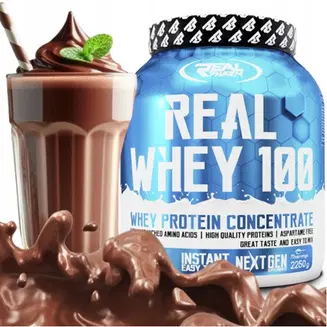
→ Whey protein for fast absorption
→ BCAA to prevent muscle breakdown
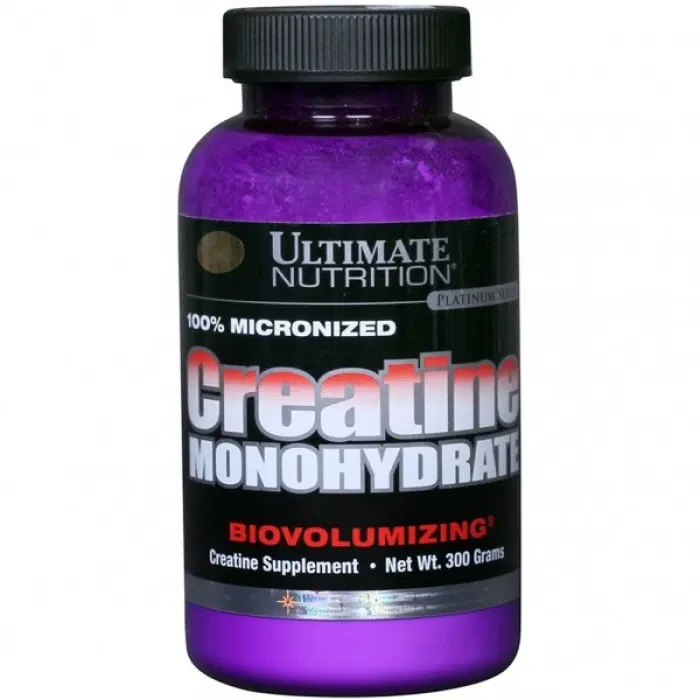
→ Creatine monohydrate
⚡ Combined protocol for maximum effectiveness:
💡 Combining products increases effectiveness. According to SportZone practice data.
Recommended products
Frequently asked questions
How much red meat per week is safe to consume?
According to leading 2026 dietary recommendations, 2-3 servings of red meat (150-200g each) per week are completely safe and provide sufficient heme iron, zinc, and creatine without risk to the cardiovascular system.
Why is white meat more suitable for a calorie deficit?
Chicken fillet provides 31g of protein per 100g with only 165 calories and 3.6g of fat. The high thermic effect (TEF) means the body expends up to 30% of calories just for protein breakdown.
Can red and white meat be combined on the same day?
Yes, but it is more effective to distribute them according to the training day. On days with heavy strength training, choose red meat for creatine and iron, and on light days – white meat for lean protein with fewer calories.
Which meat is better for post-workout recovery?
It depends on the type of workout. After heavy strength training, red meat is better due to creatine and the mineral matrix. After cardio or light training, white meat is ideal – it is quickly absorbed and does not burden digestion.