L-Citrulline vs. L-Carnitine: Blood Flow vs. Fat Burning
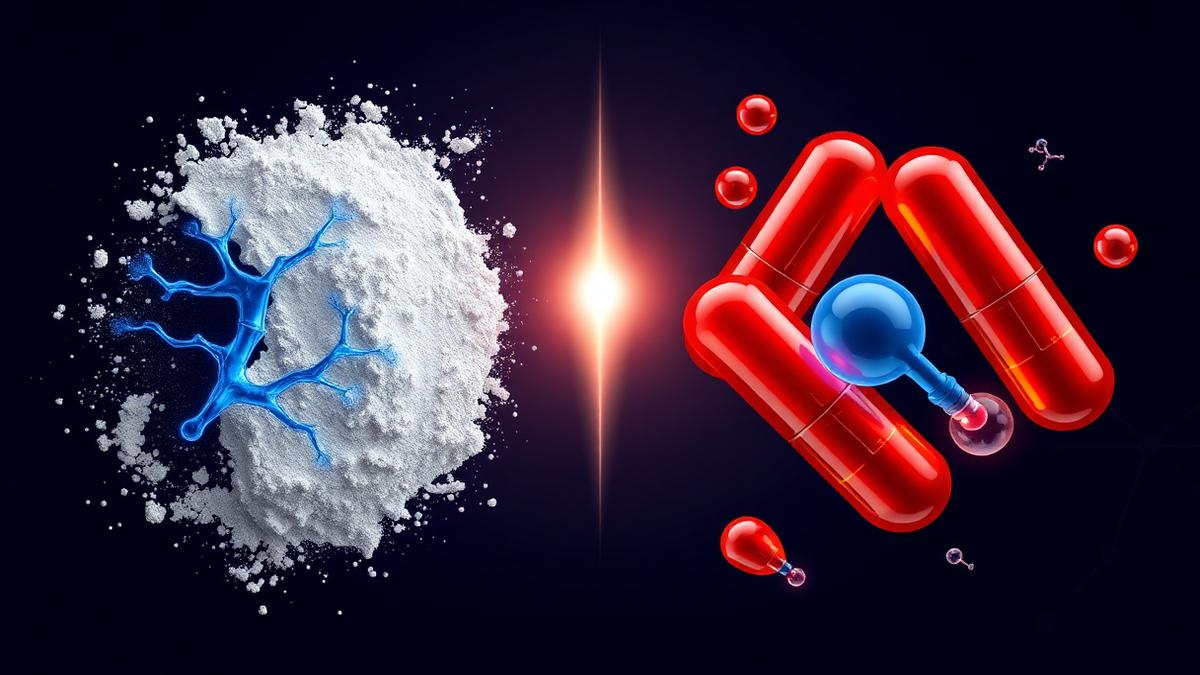
L-Citrulline improves blood flow and muscle pumps, while L-Carnitine aids fat burning and energy metabolism.
Short answer: L-Citrulline improves blood flow and pump (3–6g before training), while L-Carnitine transports fats for energy (1500–3000mg). Their combination is ideal for workouts with both strength and cardio components.
When choosing between citrulline and carnitine, consider your goals. These two supplements work through entirely different mechanisms. Citrulline enhances blood flow and muscle pump, while carnitine targets energy metabolism and fat utilization.
See the full guide to supplements for complete context – over 270 expertly verified articles by Petar Mitkov and the Sport Zona team.
What is the main difference between L-Citrulline and L-Carnitine?
L-Citrulline is a supplement whose primary goal is to improve blood circulation, endurance, and muscle pump, while L-Carnitine is a supplement that aids fat burning, cellular energy, and recovery.
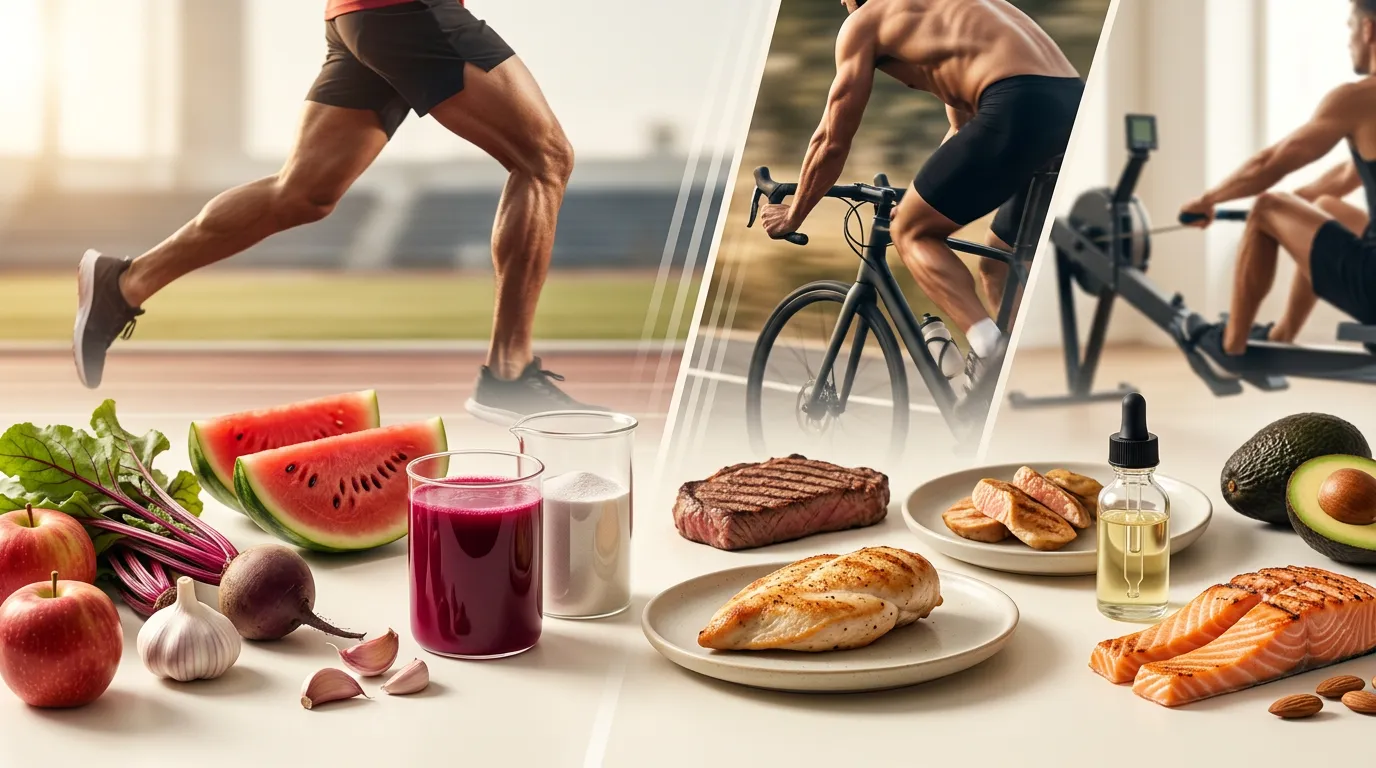
Which is better: Citrulline or Carnitine?
1. L-Citrulline: The King of Blood Flow
L-citrulline is an amino acid that the body converts first to L-arginine and then to nitric oxide, a compound that helps dilate blood vessels and improve blood flow.
Simply put: We examine each supplement individually to understand how it works and what its benefits are.
Scientific Sources
- Pérez-Guisado, J., & Jakeman, P. M. (2010) Citrulline malate supplementation increased repetitions to failure and reduced muscle soreness in male weightlifters. Journal of Strength and Conditioning Research, 24(5), 1213-1219. (PMID: 20386132)
- Wall, B. T., et al. (2011) Dietary supplementation with L-carnitine in adults increases muscle carnitine content and alters whole-body carbohydrate and fat metabolism. The American Journal of Clinical Nutrition, 94(1), 22-30. (DOI: 10.3945/ajcn.110.009949)
- Curis, E., et al. (2007) Citrulline and the gut: from metabolism to clinical applications. Current Opinion in Clinical Nutrition and Metabolic Care, 10(5), 653-660. (DOI: 10.1097/MCO.0b013e3282f1553c)
- Stephens, F. B., et al. (2013) L-carnitine, an ergogenic aid for exercise and recovery. Nutrients, 5(7), 2419-2432. (DOI: 10.3390/nu5072419)
I often see that combining L-Citrulline and L-Carnitine is an effective strategy for those seeking both improved performance and support for fat metabolism. Taking L-Carnitine just before cardio is a common mistake. Maximum results are achieved with regular daily intake to maintain plasma levels.
- Vasodilation: Citrulline improves the delivery of oxygen and nutrients to muscles. This leads to better performance and less fatigue during training.
- Sexual Health: The supplement is also used to support erectile function as it improves blood circulation.
- Forms: Available as pure L-citrulline (for maximum nitric oxide) or citrulline malate (with added malic acid for extra energy).
2. L-Carnitine: The Fat Transporter
Carnitine is not a classic amino acid but a derivative. It is important for energy production.
- Fat Burning: Carnitine helps the body utilize stored fats by transporting them into the mitochondria, where they are converted into ATP (fuel).
- Recovery: Reduces muscle soreness and tissue damage after intense exercise.
- Health Benefits: Studies suggest it may improve cardiovascular function and cognitive health in older adults.
What Does Science Say?
L-Citrulline is an amino acid that has been shown to increase plasma arginine levels by 60–70% more than direct arginine intake due to renal metabolism, while L-Carnitine has been the subject of over 30 years of clinical research, showing significant improvement in post-exercise recovery and a moderate effect on body fat loss when combined with aerobic exercise.
What are the common mistakes?
A common mistake is expecting carnitine to "melt fat" without exercise. Carnitine transports fatty acids, but they must be mobilized through physical activity.
- Expecting carnitine to "melt fat" without exercise: Carnitine transports fatty acids, but they must be mobilized through physical activity. Without movement, the effect is minimal.
- Taking citrulline for weight loss: Citrulline is not a "fat burner." Its role is vasodilation and pump, not fat metabolism.
- Insufficient dosage: Many take 1g of citrulline or 250mg of carnitine — this is far below clinically effective doses.
- Taking carnitine without carbohydrates: Insulin helps carnitine uptake into muscle cells. For good effect, take it with a small amount of fast-acting carbohydrates.
When to choose L-Citrulline and when L-Carnitine?
L-Citrulline should be taken if your main goal is to improve blood circulation, achieve muscle "pump" during training, increase strength and endurance, and address erectile dysfunction.
- Aiming for muscle pump and vascularity in the gym.
- Training with strength or high intensity.
- Wanting to improve blood circulation and vascular health.
🔵 Choose L-CARNITINE if:
- Aiming to reduce body fat.
- Primarily doing cardio or endurance sports.
- In a calorie deficit phase and want to maintain energy levels.
- Seeking improved recovery after intense workouts.
🟣 Combine them if:
- You want both pump and fat burning simultaneously.
- You do combined training—strength + cardio in one session.
- Many pre-workout products already contain both—check the label before adding separately.
Recommended Stack
For best results with blood flow and fat burning: Combine 6g L-Citrulline (or 2:1 Citrulline Malate) 45 minutes before training with 2g L-Carnitine (liquid form) in the morning on an empty stomach and 2g before training.
How much L-Citrulline should I take?
L-Citrulline is taken in a dose of 3–6 grams, 45–60 minutes before training on an empty stomach.
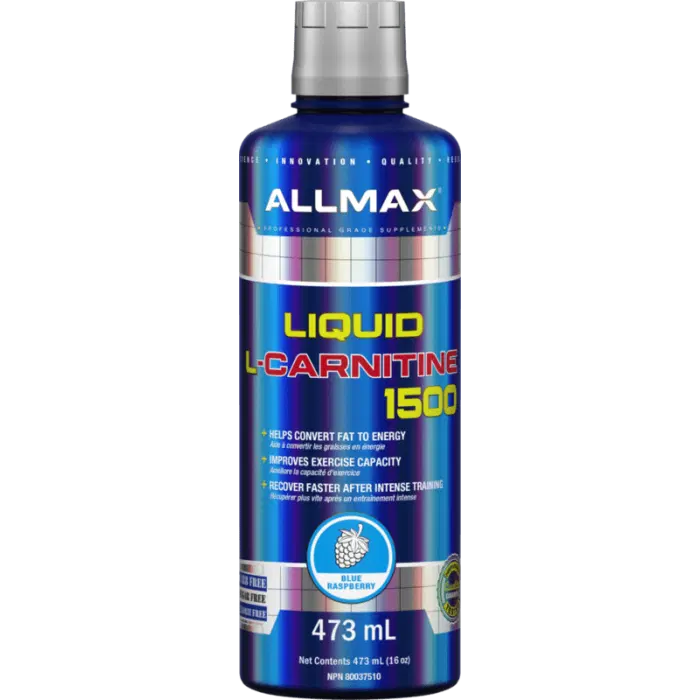
L-Carnitine (liquid): 1500–3000 mg, 30 minutes before training. For better absorption—with a small amount of carbohydrates.
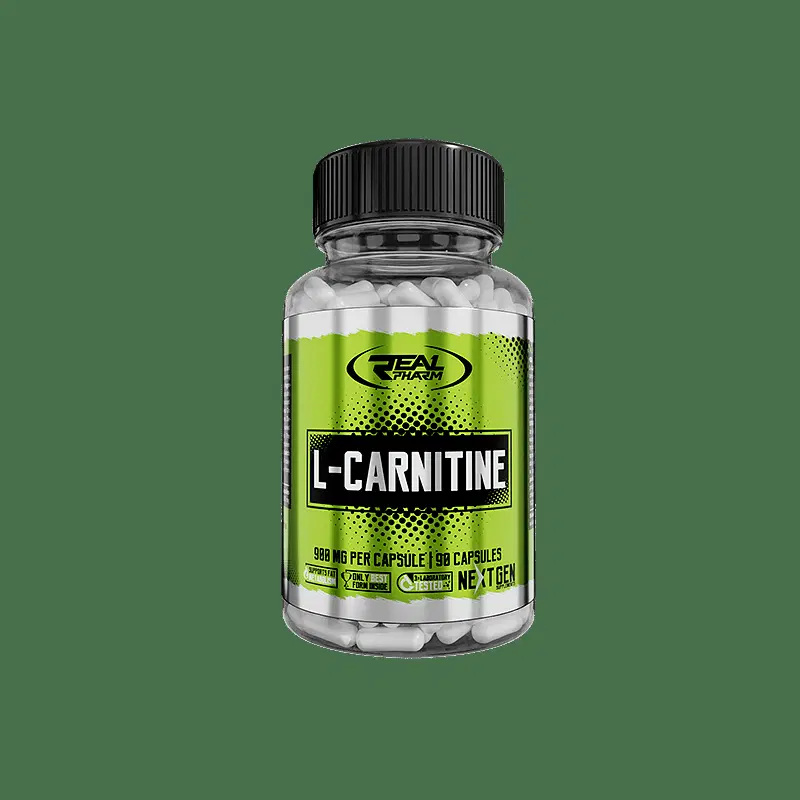
L-Carnitine (capsules): 900–1800 mg, in the morning on an empty stomach or before cardio.
Combining: Take citrulline 60 min. Before the gym, and carnitine—30 min. Before. They do not interfere with each other and complement each other well.
Expert Conclusion
If you have to choose only one: for muscle mass gain, take citrulline; for definition—carnitine. Citrulline gives you power (pump and oxygen), carnitine—efficiency (burning fat for fuel). If your budget allows, the combination is one of the best in sports supplementation.
🧭 When to choose which?
- Choose L-Citrulline if your goal is to improve blood circulation and muscle pump during training.
- Choose L-Carnitine if your primary focus is mobilizing and burning fat for energy.
- Combine both if you are looking for synergistic enhancement for better blood flow to muscles and support for fat metabolism.
📖 What are L-Citrulline and L-Carnitine?
L-Citrulline is an amino acid involved in the urea cycle and is a precursor to nitric oxide (NO), leading to improved blood circulation. L-Carnitine is an amino acid important for the transport of long-chain fatty acids into the mitochondria, where they are oxidized for energy production.
⚖ Pros and Cons
| Pros | Cons |
|---|---|
|
L-Citrulline:
|
L-Citrulline:
L-Carnitine:
|
🗣 Explained Simply
L-Citrulline is your helper for improving blood flow to the muscles, leading to a "pump" and good endurance. L-Carnitine is like a "taxi" for fatty acids—it transports them to the place where they can be burned for energy. So, while Citrulline helps with blood flow, Carnitine helps with burning fat.
Choose the right product for your goal:
→ Pre-workout formulas with L-Citrulline
→ Fat burners with L-Carnitine
→ Amino acids (BCAA + L-Carnitine)
Combined protocol for maximum effectiveness:
Combining products increases effectiveness.
⚖ When to choose L-Citrulline
- You want muscle pump and vascularity during strength training.
- You do high-intensity interval training (HIIT) for better performance.
- You aim for improved blood circulation and vascular health.
- You desire less fatigue and better recovery during workouts.
⚖ When to choose L-Carnitine
- The main goal is to reduce body fat by using fat for energy.
- You primarily do cardio or endurance sports for effective fat burning.
- You are in a calorie deficit phase and want to maintain energy levels.
- You seek improved recovery and reduced muscle soreness after intense workouts.
Expert Note from Sport Zona
Working with athletes for the past 12+ years, I've noticed that citrulline often provides a more noticeable and immediate feeling of "pump" and endurance during training. Carnitine acts more subtly, and the results in fat burning are slower, requiring consistency, often in combination with a deficit. This makes it more suitable for long-term goals.
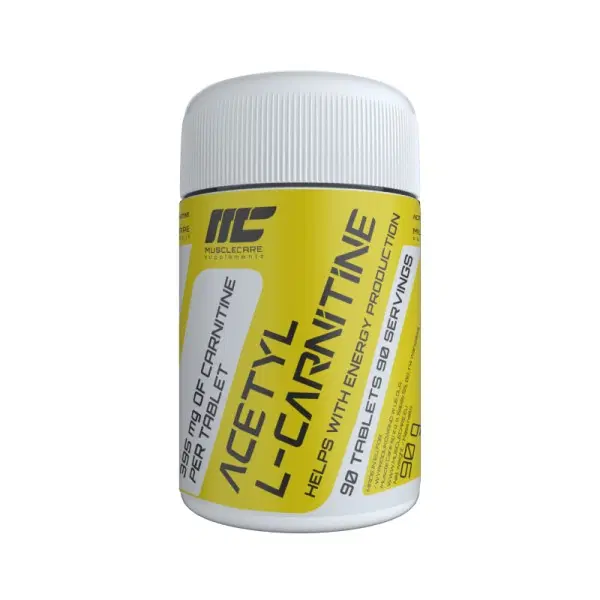
Recommended products
Frequently asked questions
Can I take L-Citrulline and L-Carnitine together?
Yes, both supplements can be successfully combined. They have different mechanisms of action and can simultaneously help improve blood flow and support fat burning.
Which of the two is better for weight reduction?
L-Carnitine is more suitable for weight reduction, as it helps transport fatty acids to the mitochondria for energy. L-Citrulline is not directly related to fat burning.
When is it best to take L-Citrulline and L-Carnitine?
L-Citrulline is usually taken 30-60 minutes before training to improve blood flow. L-Carnitine can be taken before training or in the morning on an empty stomach; for better absorption, it's advisable to consume it with a small amount of carbohydrates.
What are the main differences in their action?
L-Citrulline primarily improves circulation and muscle pump by increasing nitric oxide. L-Carnitine, on the other hand, supports fat metabolism by transporting fats for energy production.