Core stabilization and bracing
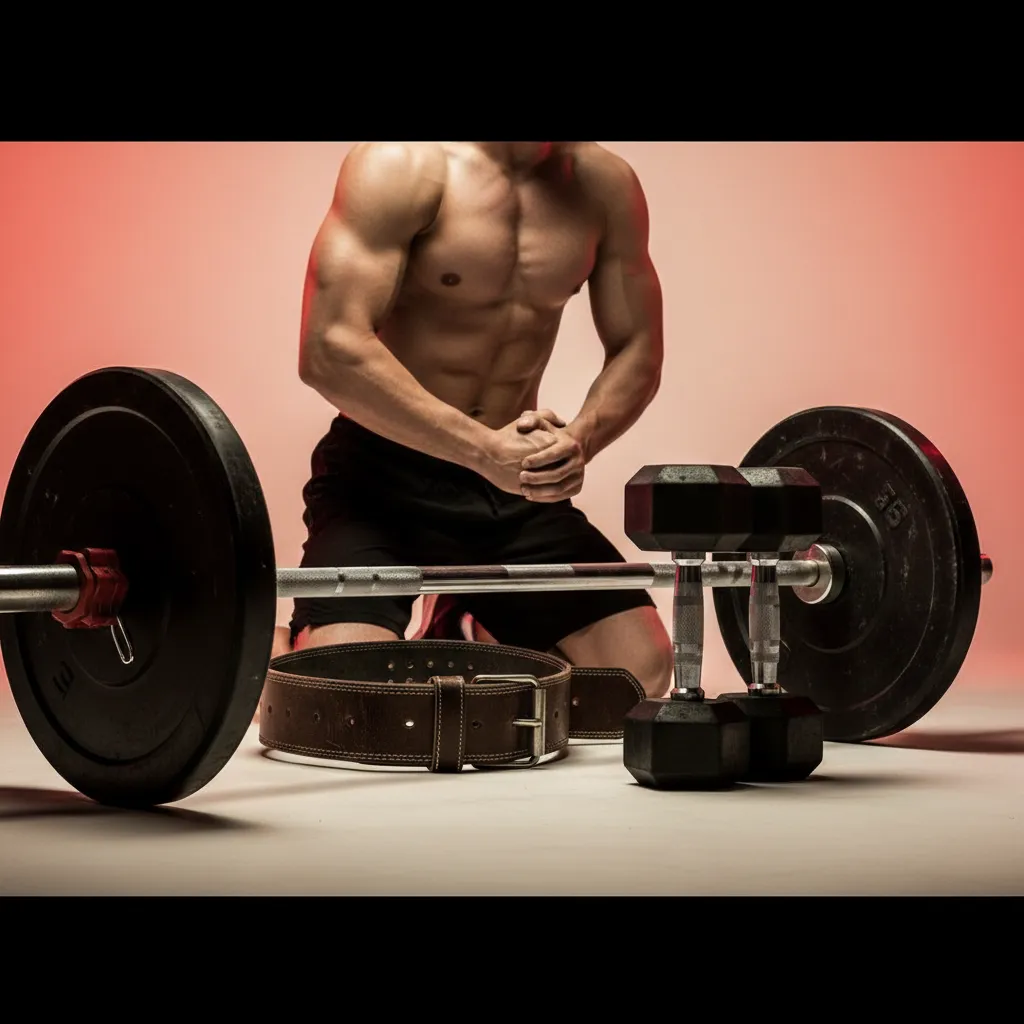
Core stabilization and bracing are critical for strength training, providing spinal support and preventing injuries. The article explains these concepts, their differences from the "hollow body" position, and how to apply them effectively in complex exercises.
Short Answer: Core stabilization is the activation of deep abdominal muscles, while bracing is the tensioning of the entire abdominal area, crucial for safety and strength in compound movements.
Core stabilization and bracing are a set of techniques that provide fixation and stability to the lumbar spine (lower back) and pelvic girdle during physical activity, especially when lifting weights. Core stabilization refers to the coordinated activation of deep stabilizing muscles (transversus abdominis muscle, multifidus, pelvic floor, diaphragm), while bracing is a broader process involving the creation of intra-abdominal pressure (IAP) by tensing the entire abdominal wall, briefly holding the breath (Valsalva maneuver).
Why is Core Stabilization So Important?
Simply put: Core stabilization is the art of keeping your body tight and stable during movement, using the muscles around your core to avoid injury and be stronger.
Core stabilization is the foundation for effective and safe training. Without a stable "core," the body loses efficiency in force transfer from the limbs, leading to lower results and an increased risk of injury. The core muscles act as a natural corset, protecting the spine from unwanted movements and compression. Dr. Stuart McGill, a leading expert in spinal biomechanics, emphasizes that adequate core stability is more important than "abs" for back health and strength.
Core Stabilization vs. Hollow Body – What's the Difference?
Although both techniques engage the abdominal muscles, they have different goals and mechanisms:
Core Stabilization: The focus is on a neutral spine position. The goal is to maintain the lumbar curve (lordosis) within its physiological limits, without flexion or excessive extension. It involves activating deep muscles that do not significantly change the visual shape of the abdomen but provide internal rigidity around the spine.
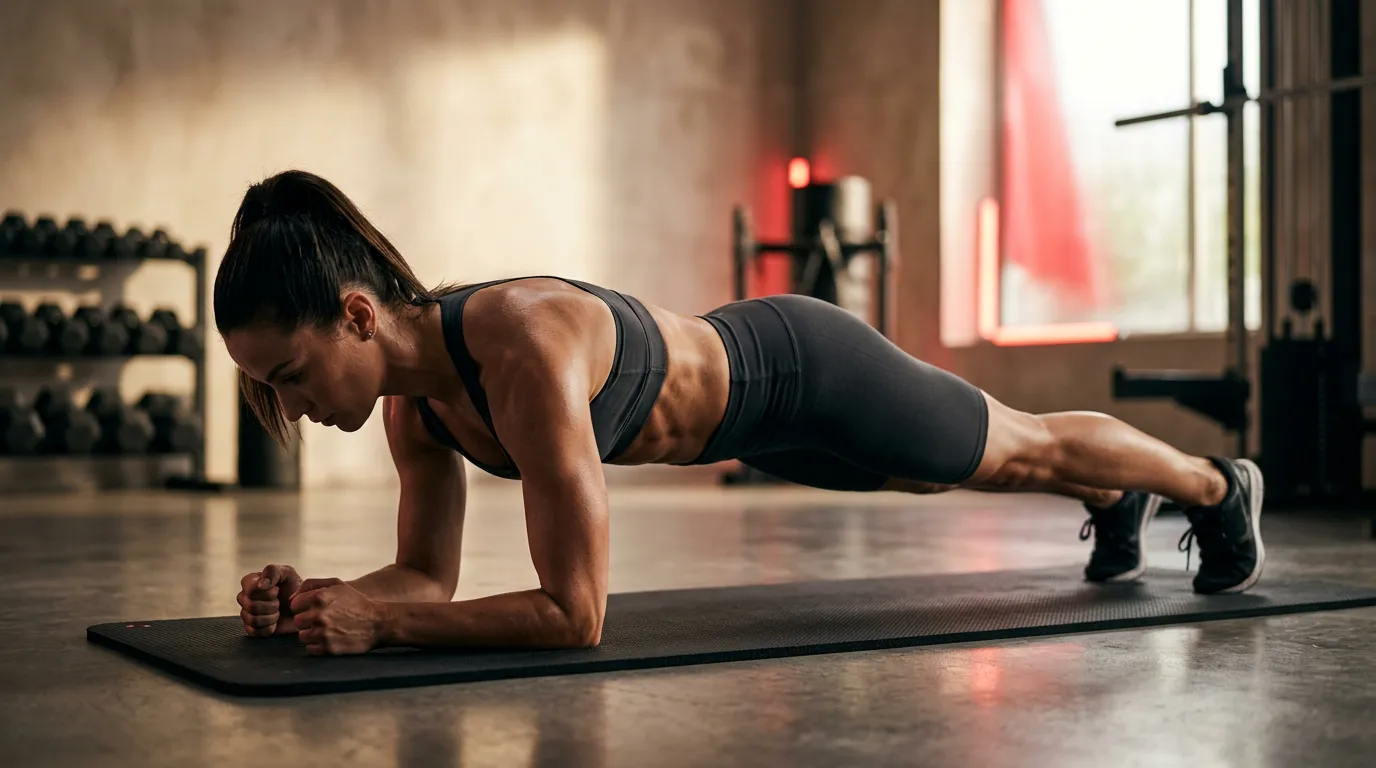
Hollow Body: This technique, common in gymnastics and calisthenics, involves strongly pulling the abdomen inward and flattening the lumbar curve (posterior pelvic tilt). The goal is to create a uniform, rigid line from shoulders to toes, which is suitable for specific exercises like planks, crunches, or handstands, where the body needs to be a single, stable unit.
What is the Bracing Technique – Step by Step?
The bracing technique is key when lifting heavy weights, representing a process of activating the abdominal and torso muscles to stabilize the spine.
- Breathing: Inhale deeply, into your chest, but also into your abdomen, as if trying to "push" the walls of your stomach outward. Feel your diaphragm descend.
- Tensing: After taking a deep breath, forcefully tense your entire abdominal press – as if someone is about to punch you in the stomach. This should create a feeling of a "belt" of pressure around your core.
- Locking: Hold your breath and tension for the entire duration of the lift (eccentric and concentric phase).
- Exhaling: Exhale only after you have completed the repetition and the weight is in a stable position. This is known as the Valsalva maneuver.
In Which Compound Exercises is Bracing Applied?
Bracing is an indispensable technique for fundamental strength exercises.
| Exercise | Application of Bracing | Common Mistakes |
|---|---|---|
| Squat | Before descending, take a deep breath and brace. Maintain tension throughout the movement. | Exhaling during the descent or ascent, relaxing the abdomen. |
| Deadlift | Before lifting off the floor, inhale deeply and brace. The abdomen should be like a rock. | Rounded back due to insufficient intra-abdominal pressure, breathing through the movement. |
| Overhead Press | Before pressing the barbell overhead. Helps stabilize the torso and prevents excessive arching of the lower back. | Arching the lower back backward, which can lead to injuries. |
What are the Pros and Cons of Bracing?
Bracing protects the lumbar spine from injury, increases strength and power, improves stability during movement, allows for lifting heavier weights, and enhances the mind-muscle connection for the "core." However, it temporarily increases blood pressure (Valsalva maneuver), making it unsuitable for individuals with certain cardiovascular conditions. Improper execution can lead to dizziness or loss of consciousness and should not be used for every exercise or light weight.
- Protection of the lumbar spine from injuries.
- Increase in strength and power.
- Improved stability during movement.
- Allows for lifting heavier weights.
- Enhances the mind-muscle connection for the "core."
- Temporary increase in blood pressure (Valsalva maneuver).
- Unsuitable for individuals with certain cardiovascular conditions.
- May cause dizziness or loss of consciousness if performed incorrectly.
- Should not be used for every exercise or light weight.
Who Should Not Perform the Valsalva Maneuver?
While effective, the Valsalva maneuver is not for everyone. Individuals with serious cardiovascular conditions, high blood pressure, glaucoma, or hernias should consult a doctor before applying this technique. However, even with such conditions, modified bracing can be practiced without fully holding the breath, but with controlled exhalation under tension.
See more in the fitness guides of Sport Zona Academy.
Expert Note from Sport Zona
In my 12+ years of working with Bulgarian athletes, I have repeatedly witnessed how improper core stabilization is the number one cause of chronic lower back pain. Even in basic exercises like squats, the body instinctively seeks compensatory movements, leading to inefficiency and a high risk of injury. Implementing correct bracing techniques can completely transform the effectiveness and safety of the training process. Mastering them requires patience and proper guidance, but the results are worth it.
See more in the fitness guides of Sport Zona Academy.
Recommended products



Frequently asked questions
How often should I train my core muscles?
Core muscles are involved in almost all exercises. Specific core exercises can be done 2-3 times a week, but the emphasis is on proper activation during major compound movements.
Can I use a weightlifting belt instead of bracing?
A belt is an aid that supports bracing by providing pressure feedback. It does not replace the need for internal stabilization. For beginners, it is better to learn bracing without a belt before investing in one, to avoid creating dependency.
What is the best way to train core stabilization without weights?
Exercises like Bird-Dog, Pallof Press, Planks (especially modifications with lateral or anti-rotational loading), and dead bugs are excellent for building core stability without additional weights. They emphasize movement control and the endurance of stabilizing muscles.
Is there a difference between "tightening" the abdomen and "drawing in" the abdomen?
Yes, there is a significant difference. The "drawing-in maneuver" is primarily the activation of the transverse abdominis muscle, by pulling the navel towards the spine. This is part of core stabilization but is not sufficient for bracing. "Bracing" involves activating all abdominal muscles, creating overall intra-abdominal pressure without significantly changing the abdominal volume, making it firm like a drum.