EAA vs. Nitric Oxide: Building Power vs. Transport Efficiency

EAAs are for muscle building, nitrogen boosters improve blood circulation. Choose according to your goals.
Short answer: EAA build muscle tissue through protein synthesis (mTOR), while nitric oxide optimizes the transport of these amino acids to muscle cells. Practical advice: Combine 10g EAA + 6g citrulline before training for maximum anabolic effect with improved delivery.
The choice between EAA and nitric oxide boosters is not a matter of which is better, but rather of priorities. Nitric oxide improves working conditions, while EAA are essential for building muscle tissue.
Related reading: the detailed guide to nutritional supplements — over 270 expert-verified articles by Petar Mitkov and the Sport Zona team.
What is the relationship between EAA and nitric oxide in terms of their effectiveness?
The comparative matrix presents EAA (essential amino acids) as 9 indispensable nutrients with a role in protein synthesis and a direct anabolic effect, while a nitric oxide booster (NO booster) is a direct signaling molecule that causes vasodilation and has an indirect anabolic effect.

| Characteristic | EAA (Essential Amino Acids) | Nitric Oxide Booster (NO Boosters) |
|---|---|---|
| Biological Status | 9 indispensable nutrients | Direct signaling molecule (gas) |
| Primary Role | Protein synthesis (building) | Vasodilation (widening) |
| Anabolic Effect | Direct (provides material) | Indirect (improves environment) |
| Impact on Fatigue | Protects muscle from breakdown | Removes lactate and ammonia |
| Critical Factor | Growth doesn't happen without them | Growth is slower without them |
| Application | Constant (for growth and diet) | Targeted (before workout) |
What are the mechanisms of action?
1. EAA: The Full Spectrum of Life
Essential amino acids (EAA) are 9 amino acids that the body cannot synthesize on its own and must obtain through food or supplements. If even one of them is missing, the process of building new muscle stops entirely.
Simply put: We're looking at how EAA and nitric oxide work in the body at a cellular level. Like taking apart an engine to see how each part functions.
Scientific Sources
- Børsheim et al., 2002 - Essential amino acids and recovery of muscle protein from endurance exercise. (DOI: 10.1152/ajpendo.00445.2001)
- Joy et al., 2017 - The effects of 8 weeks of essential amino acid supplementation on body composition and performance in untrained men. (DOI: 10.1186/s12970-017-0171-x)
- Schwedehelm et al., 2004 - Pharmacokinetic and pharmacodynamic properties of oral L-citrulline and L-arginine: a review and comparison. (DOI: 10.1016/j.clinthera.2004.09.006)
- Ghasemi et al., 2011 - The effect of L-arginine supplementation on nitric oxide, blood pressure, and strength training. (PMID: 21998982)
Experience
Many trainees focus solely on the "pump" from nitric oxide boosters, neglecting the primary role of EAA in recovery and growth. A common mistake is to rely on nitric oxide boosters as the main anabolic stimulus. They optimize the environment but do not provide the building blocks.
mTOR Activation: EAA (especially leucine within them) signal the cell that there are sufficient resources to begin "construction."
Nitrogen Retention: EAA intake maintains the body in an anabolic state, which is critical during high-volume training.
2. Nitric Oxide (NO): The Flow Accelerator
Supplements like Citrulline and Arginine do not build tissue, but rather alter the Physics of Blood Circulation.
Hyperemia (Pump): By relaxing the vessel wall, NO allows a large volume of blood to enter the muscle. This creates mechanical tension and fascia stretching, which is a secondary signal for growth.
Thermal Regulation: Better blood flow removes heat from the muscle core, allowing you to train longer before fatigue sets in.
Why is their combination the "Gold Standard" in professional sports?
Mutual potentiation, or the "Express Delivery Stack," is a combination of EAA and nitric oxide that is considered the gold standard in professional sports.
- Increased Bioavailability: When the nitric oxide booster dilates the capillaries, EAA reach muscle cells in seconds, not minutes.
- Insulin Sensitivity: Nitric oxide improves the cells' response to insulin, helping the amino acids from the EAA complex enter the muscle more easily.
- Less Damage: Nitric oxide flushes out toxins, while EAA immediately begin to "patch up" micro-injuries during the workout.
Which should I choose: EAA or nitric oxide booster?
Choose EAA if:
- Your goal is pure muscle mass gain.
- You are in a weight loss phase and want to protect your muscles from breakdown.
- You train fasted (in the morning) – this is a mandatory supplement.
- Your budget is limited – EAA is an absolute priority.
Choose a nitric oxide booster if:
- You are looking for psychological and physical stimulation (the pump is motivating).
- You do high-intensity training with short rest periods.
- You need improved recovery between sets.
The choice between EAA and a nitric oxide booster depends on individual goals: EAA are preferred if the main goal is muscle mass gain, protection against muscle breakdown during weight loss, fasted training, or a limited budget, while a nitric oxide booster is more suitable for psychological and physical stimulation, high-intensity training, and improved recovery between sets.
For good results, combine 10-15g EAA before or during training with 6-8g L-Citrulline (for nitric oxide) 30 minutes before training. With this stack, you ensure building blocks and better "transport."
What is the intake protocol (2026)?
- Before training (45 min): Nitric oxide booster (e.g., 6–8g Citrulline Malate). This prepares the "highways."
- During training (Intra-workout): 10–15g EAA, dissolved in 750 ml of water. This ensures a constant flow of "bricks" along the already widened paths.
- Note for vegans: EAA are particularly important for people on a plant-based diet, as it is often difficult to get all 9 amino acids in the correct ratio solely from food.
Expert Conclusion
The intake protocol (2026) recommends always providing the building material (EAA) for real, long-term muscle growth, as pumping without amino acids is just "water under pressure." The Citrulline + EAA combination is considered the "express delivery" stack used by professional athletes for a maximum anabolic response.
🧭 When to Choose What?
- Choose EAA if your goal is maximum muscle mass building and recovery.
- Choose nitric oxide if you are looking for better blood supply, pump, and endurance during training.
- Combine both if you aim for both optimizing muscle growth and improving training performance and pump.
📖 What are EAA and Nitric Oxide?
Essential amino acids (EAA) are indispensable amino acids that the body cannot produce and must obtain through diet. They are the primary building blocks of proteins and support muscle growth and recovery. Nitric oxide (NO) is a vasodilator that widens blood vessels, improving blood flow, as well as the delivery of oxygen and nutrients to muscles.
⚖ Pros and Cons
| EAA Pros | EAA Cons |
|---|---|
|
|
| Nitric Oxide Pros | Nitric Oxide Cons |
|---|---|
|
|
🗣 Simply Explained
EAA are the main building blocks for your muscles. Nitric oxide helps the blood reach them more effectively. We will explore how these two substances work together to support your athletic goals.
Choose the right product for your goal:
→ EAA (Essential Amino Acids)
→ Pre-workout products with nitric oxide boosters
→ EAA + Pre-workouts
Combined protocol for maximum effectiveness:
Combining products increases effectiveness. This is proven.
⚖ When to Choose EAA
- If your goal is pure muscle mass gain through direct anabolic effect.
- If you are in a weight loss phase and want to protect your muscles from breakdown.
- If you train fasted in the morning and need building material.
- If your budget is limited, EAA is an absolute priority.
⚖ When to Choose Nitric Oxide
- If you are looking for psychological and physical stimulation through pump during training.
- If you do high-intensity training and need better recovery.
- If you want faster recovery between sets with better blood flow.
- If you are looking for better thermal regulation during long and heavy workouts.
Expert Note from Sport Zona
I have worked with hundreds of athletes over the years and have always noticed a better response to training when EAA are present. Nitric oxide is an important "accelerator," but without sufficient EAA, its benefits are not fully realized. My experience shows that EAA are the foundation of consistent growth and recovery.
Recommended products
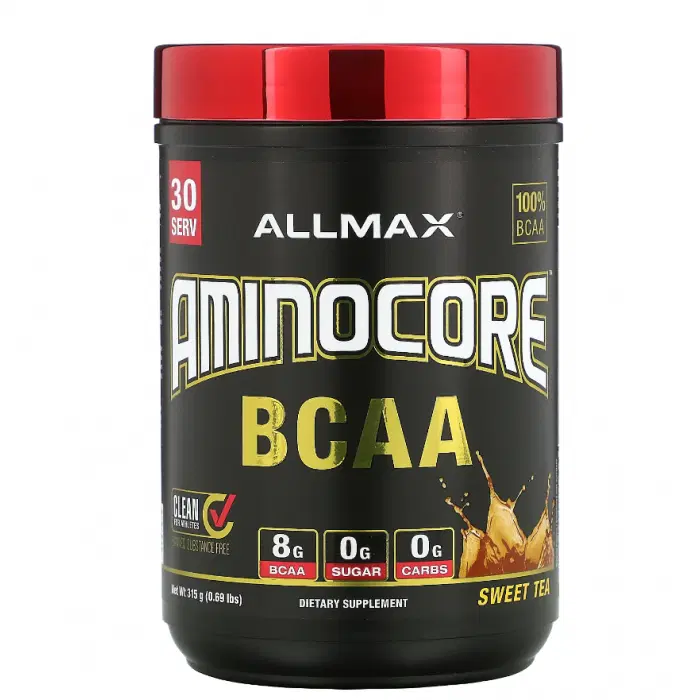
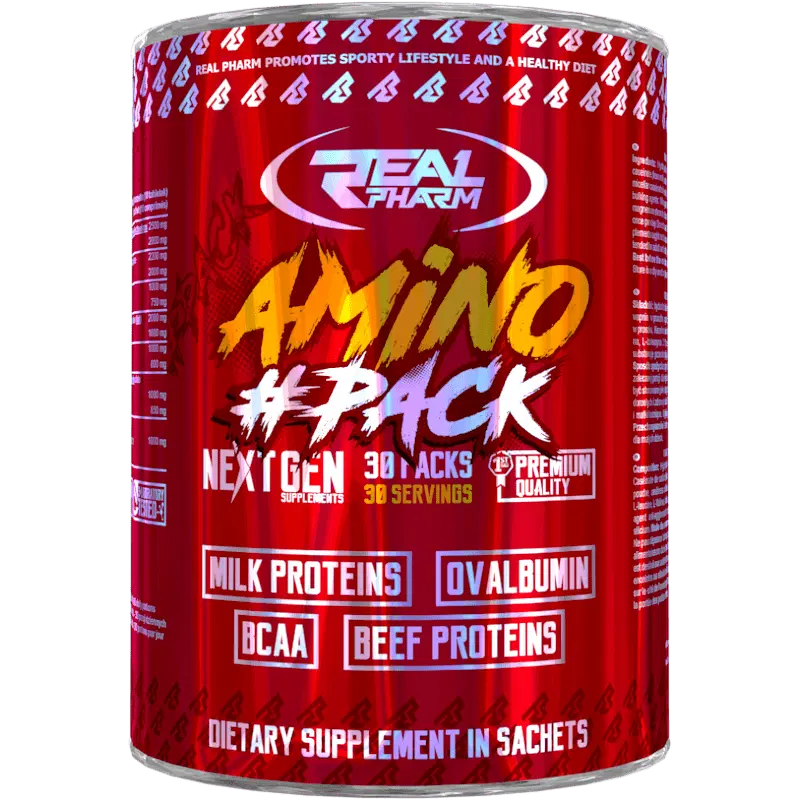
Frequently asked questions
Can EAAs and nitric oxide boosters be combined?
Yes, combining them is highly recommended and is referred to as the "Gold Standard" in professional sports. Nitric oxide boosters improve the transport of EAAs to muscle cells, leading to more effective growth and recovery.
Which product is more important for muscle growth?
EAAs are the primary building blocks for muscles. Without them, growth is impossible. Nitric oxide boosters improve the environment and speed up delivery, but they do not provide the building material itself.
When is the best time to take EAAs and nitric oxide boosters?
Nitric oxide boosters are taken before training (about 45 minutes prior) to prepare the blood vessels. EAAs are taken during training to ensure a constant supply of building blocks through the already dilated pathways.
For whom are EAAs more suitable if the budget is limited?
If the budget is limited, EAAs are an absolute priority. They provide the fundamental amino acids necessary for muscle growth and protection, making them the most important supplement when funds are restricted.