Animal vs. Plant Proteins: Bioavailability and Amino Acid Software
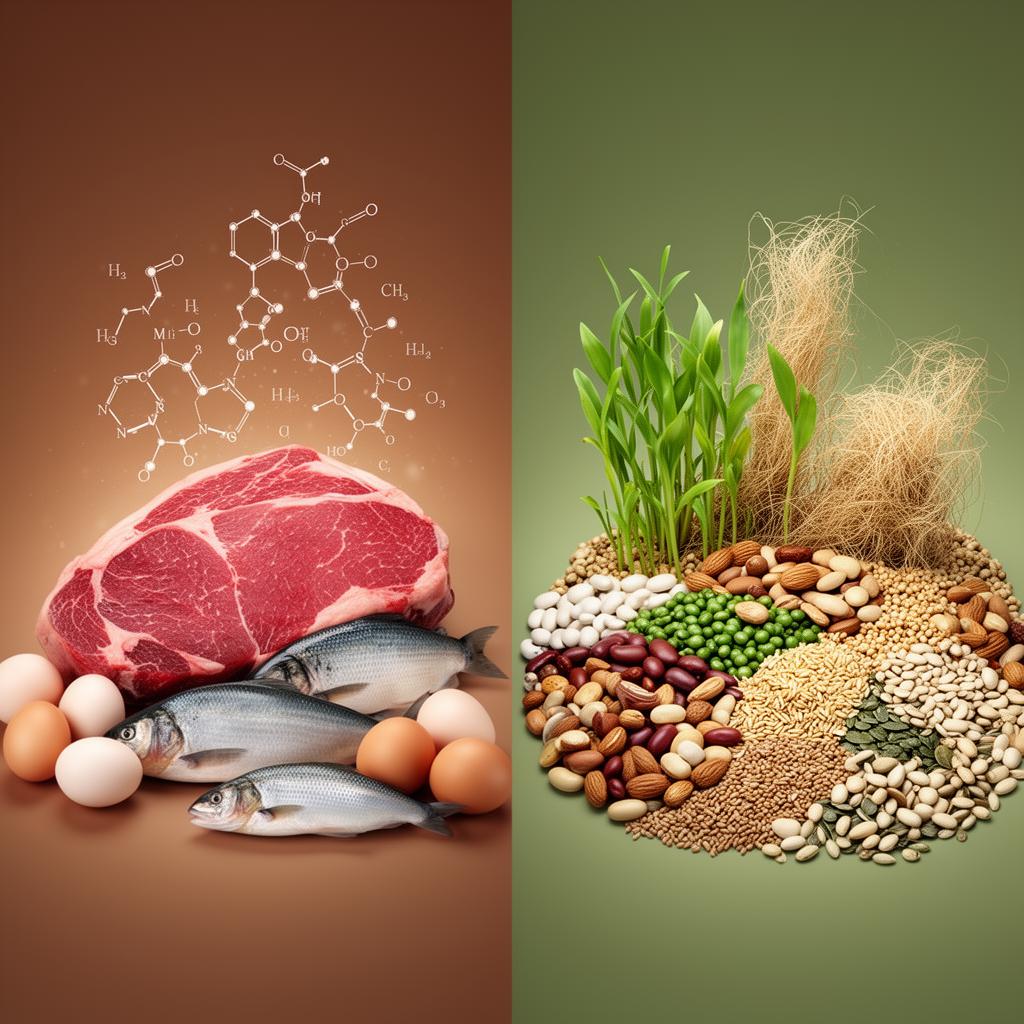
The quality of protein is determined not by grams, but by what comes "in the package" with it. The DIAAS index measures how much actually reaches the muscles and what side effects the body absorbs.
Why "protein quality" is determined by what comes "in the package" with it
In the protein debate, we often focus only on grams. In 2026, science emphasizes DIAAS (Digestible Indispensable Amino Acid Score) – an index that measures how much of the protein you consume actually reaches your muscles and organs, and what "side data" (cholesterol vs. fiber) your body takes in with it.
📊 Comparison Matrix: System Analysis
🧬 In-depth Analysis of Mechanisms
1. The Leucine Threshold: The Key to Muscle Anabolism
Leucine is the amino acid that "switches on" the muscle growth engine (the mTOR pathway).
- Animal sources: Contain a high concentration of leucine. A small portion of whey protein or steak easily crosses the "leucine threshold."
- Plant sources: You need to eat a significantly larger amount (e.g., 500g of lentils vs. 150g of chicken) to achieve the same anabolic signal.
💬 Simply put: Leucine is like the ignition key for the muscle engine. Animal proteins have this key built-in. With plant-based proteins, you need to assemble the key from several pieces (different foods).
2. Antinutrients vs. Bioavailability
Plant proteins come with the plant's own "defense mechanisms."
- Phytic acid and Lectins: These compounds in legumes and grains can bind to minerals (zinc, calcium) and block enzymes that break down protein.
- The Solution: Soaking, sprouting, and fermenting plant proteins "unlocks" their potential, making them almost as digestible as animal proteins.
🛡️ The Package: What Else Comes in the Cell?
This is the most important argument in modern dietetics. Protein never comes alone.
🥩 The Animal Package
With a steak, you get Vitamin B12, Creatine, and Heme Iron, but often also saturated fats, which can raise LDL cholesterol levels.
🌱 The Plant Package
With chickpeas, you get folate, magnesium, and fiber. Fiber slows digestion and feeds bacteria that produce Short-Chain Fatty Acids (SCFAs) – these protect against colon cancer and improve immunity.
🛠️ Practical Selection Algorithm
🥩 ANIMAL Focus
- Maximum speed of muscle mass building
- Recovery after injury
- Anemia or B12 deficiency
- Over 65 years old (fighting sarcopenia)
🌱 PLANT Focus
- Longevity and prevention of chronic diseases
- Gastrointestinal issues (need for fiber)
- Reduction of systemic inflammation
- Ecological footprint
📊 From SportZone Practice
Our observations from working with thousands of athletes show clear patterns:
- Bodybuilders achieve peak muscle mass with 60–70% animal protein, but their LDL levels are often borderline.
- Endurance athletes (marathon runners, triathletes) with a 50/50 balance have better recovery markers and lower systemic inflammation.
- Vegan strength athletes manage to maintain muscle mass but consume an average of 25% more total protein to compensate for the lack of leucine.
🎯 Choose the right product for your goal:
→ Plant-based proteins with a complete amino acid profile
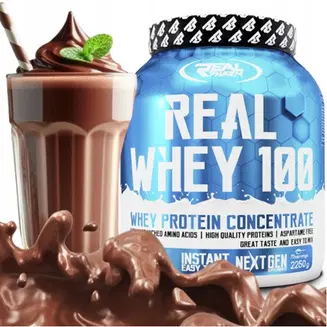
→ Whey protein isolate
→ Amino acids (EAA/BCAA)
⚡ Combined protocol for maximum effectiveness:
💡 Combining products increases effectiveness. According to SportZone practice data.
🧭 The "Protein Synergy" Protocol (2026)
The smartest approach is the Combined Strategy:
- The Golden Ratio: Aim to get 50% of your protein from plants and 50% from lean animal sources (fish, eggs, turkey).
- Amino Acid Supplementation: If you are vegan, use the "Grain + Legume" rule (e.g., Rice + Lentils). The amino acids lacking in one (methionine) are abundant in the other (lysine).
- Timing Window: Consume animal proteins post-workout (for rapid repair), and plant-based proteins throughout the rest of the day (for stable energy and health).
⚠️ Expert Note: Collagen
Do not underestimate the fact that Collagen is an animal protein, but it is incomplete (lacks tryptophan). Do not use it for muscle growth, only for the health of joints, skin, and connective tissue.
📚 Scientific Sources
- Schaafsma, G. (2012). The Protein Digestibility-Corrected Amino Acid Score. Journal of Nutrition, 122(11), 2231–2237.
- van Vliet, S., et al. (2015). The Skeletal Muscle Anabolic Response to Plant- versus Animal-Based Protein. Nutrients, 7(4), 2511–2522.
- Fontes-Villalba, M., et al. (2019). The importance of dietary protein on atherosclerosis. Current Opinion in Lipidology, 30(1), 35–41.
- Lynch, H., et al. (2018). Plant-based diets and metabolic health. Current Diabetes Reports, 18(11), 94.
Would you like to see a comparison of specific protein sources?
Recommended products
Frequently asked questions
Can muscle mass be built with plant-based proteins alone?
Yes, but it requires a more strategic approach. Plant-based proteins have a lower leucine threshold, so you need to consume an average of 25% more total protein and combine different sources (grains + legumes) to ensure a complete amino acid profile.
How much protein per day is needed for muscle growth?
For active athletes, the recommendation is 1.6-2.2 g/kg of body weight daily. With predominantly plant-based protein, aim for 2.0-2.4 g/kg to compensate for lower bioavailability. Distribute intake evenly across 4-5 meals.
What is the best plant-based protein for athletes?
The combination of pea + rice protein is among the best options. Together, they provide a complete amino acid profile, close to whey. Soy protein is also complete, but some people avoid it due to phytoestrogens.
Is animal protein harmful to the kidneys?
For healthy kidneys - no. However, in cases of existing kidney disease, high intake of animal protein increases glomerular filtration (load). In such cases, plant-based protein is gentler and preferred.