Coffee vs. Matcha: Caffeine Kinetics and Neural Stability
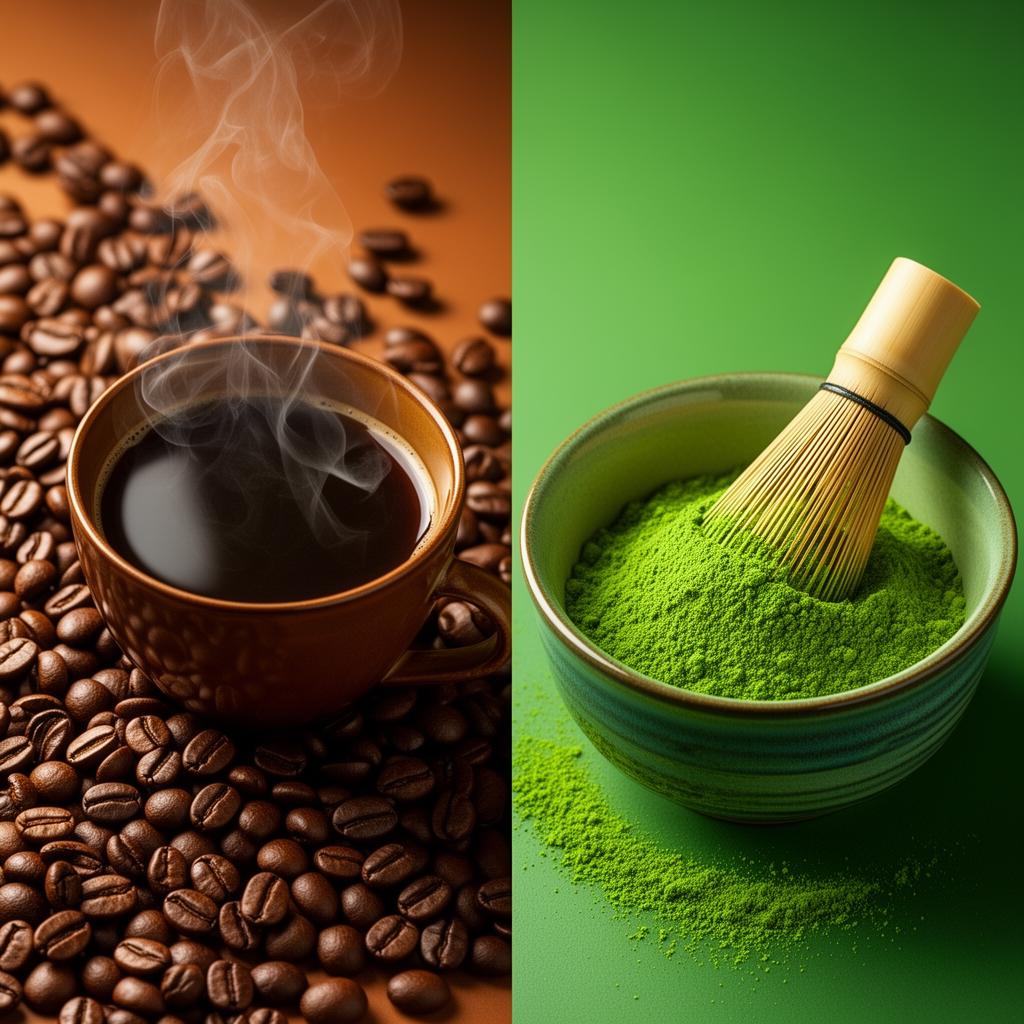
Coffee is a quick energy loan with a high interest rate, while matcha is a strategic investment in long-term cognitive endurance. The difference is not in the caffeine, but in the "escort" – the L-theanine in matcha transforms stimulation into stable focus without a crash.
Why Coffee's "Crash" Effect is a Biological Debt Matcha Refuses to Pay
The main difference isn't in the caffeine molecule itself, but in the "escort" it arrives with. While coffee is a quick energy loan with high interest, matcha is a strategic investment in long-term cognitive endurance.
📊 Comparative Matrix: System Analysis
| Characteristic | Coffee (Espresso/Schwarz) | Matcha (Ceremonial Grade) |
|---|---|---|
| Caffeine (per cup) | 80–150 mg | 35–70 mg |
| Absorption Rate | Extremely Fast (15–45 min) | Slow and Smooth (4–6 hours) |
| Main Co-factor | Chlorogenic Acid | L-Theanine + EGCG |
| Brain Waves | Beta Waves (Stress/Action) | Alpha Waves (Calm Alertness) |
| Cortisol Effect | High (Anxiety Risk) | Low/Modulating |
| Antioxidant Capacity | Medium | Extremely High (ORAC) |
🧬 In-depth Mechanism Analysis
1. Coffee and the Adenosine Trap
Caffeine in coffee works by "borrowing" adenosine receptors (the molecule that tells us we're tired).
- The Alertness Illusion: Coffee doesn't eliminate fatigue; it merely prevents the brain from sensing it. Meanwhile, adenosine continues to accumulate.
- The Crash: When caffeine is metabolized and leaves the receptors, the accumulated massive amount of adenosine hits them all at once. The result is sudden, paralyzing fatigue.
2. Matcha: The L-Theanine Synergy
Matcha is an entire green tea leaf ground into powder, meaning you consume its full chemical profile.
- L-Theanine (The Zen Amino Acid): It crosses the blood-brain barrier and increases GABA, serotonin, and dopamine levels. L-Theanine "softens" the caffeine hit, preventing vasoconstriction and nervous tension.
- Alpha Waves: Matcha induces a state typical of deep meditation – high concentration without physiological stress.
💬 Simply Put: Coffee is like a high-interest loan – you get energy fast, but then you pay with a crash. Matcha is like an investment – slow, steady, and interest-free.
🛡️ The Antioxidant Shield: Epigallocatechin Gallate (EGCG)
Matcha contains up to 137 times more EGCG (a potent catechin) than regular green tea.
- Metabolic Boost: EGCG aids thermogenesis (fat burning) and protects cells from oxidative stress caused by intense workouts or polluted environments.
- Acidity: Coffee is highly acidic and can irritate the stomach lining, whereas matcha is more alkaline and gentler on digestion.
🛠️ Practical Algorithm for Choice
☕ Choose COFFEE, if:
- You need explosive energy for a strength workout (PR attempt).
- You need to overcome severe jet lag or occasional sleep deprivation.
- You love the ritual and specific aroma (the psychological stimulus is also important).
💡 Tip: Drink it at least 90 minutes after waking up to allow your cortisol levels to drop naturally.
🍵 Choose MATCHA, if:
- You are working on complex projects requiring deep focus and creativity.
- You are prone to anxiety, heart palpitations, or panic attacks.
- You want to support your immune system and metabolism in the long term.
- You are looking for a drink that won't disrupt your sleep if consumed in the early afternoon.
🎯 Choose the Right Product for Your Goal:
→ Vitamins and Minerals (especially B-complex and magnesium)
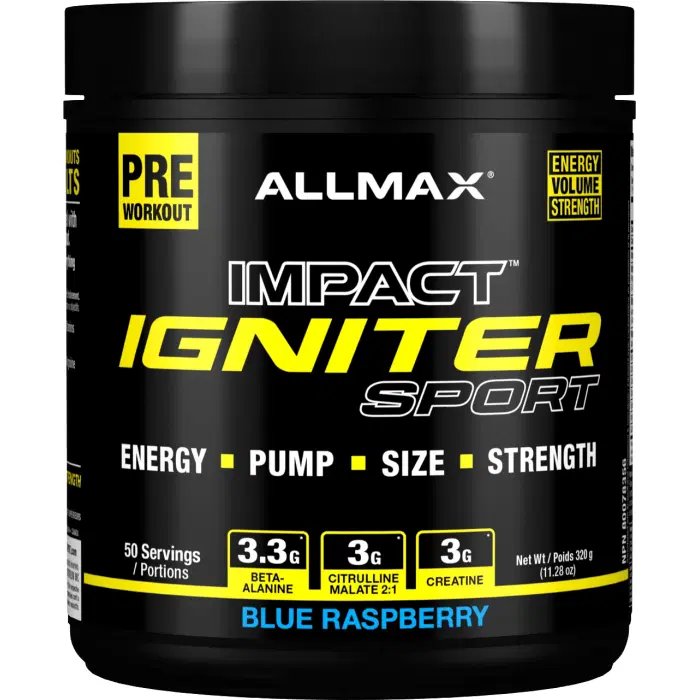
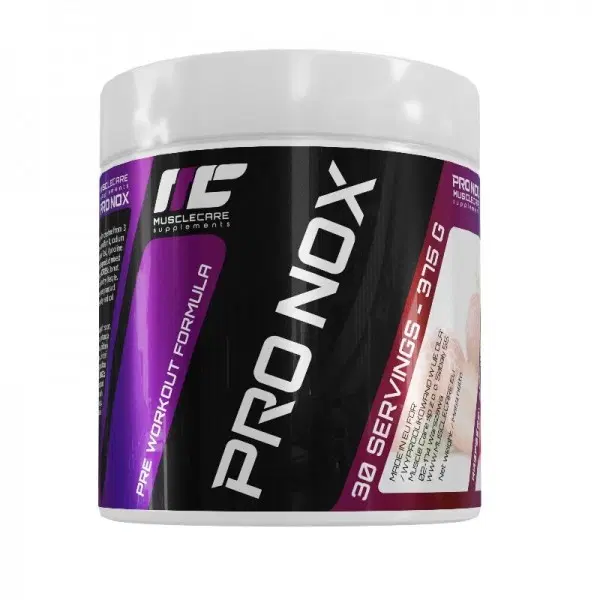
→ Pre-workout Products
→ Electrolytes
⚡ Combined Protocol for Maximum Effectiveness:
💡 Combining products increases effectiveness. According to SportZone practice data.
🧭 The "Smart Stimulant" Protocol (2026)
Optimize stimulation according to your circadian rhythm:
- Morning Peak (9:30 AM – 11:30 AM): Coffee. Use it when cortisol levels begin to drop naturally.
- Afternoon Focus (2:00 PM – 4:00 PM): Matcha. It will provide a smooth transition into the evening without the risk of insomnia.
The Golden Test: If your hands tremble after your second cup of coffee, your nervous system is in "fight or flight" mode. Switch to matcha for 7 days to reset your receptors.
- Nobre A.C. et al. (2008). „L-theanine, a natural constituent in tea, and its effect on mental state." Asia Pacific Journal of Clinical Nutrition, 17(S1), 167–168.
- Weiss D.J. & Anderton C.R. (2003). „Determination of catechins in matcha green tea by micellar electrokinetic chromatography." Journal of Chromatography A, 1011(1-2), 173–180.
- Dietz C. & Dekker M. (2017). „Effect of green tea phytochemicals on mood and cognition." Current Pharmaceutical Design, 23(19), 2876–2905.
- Drake C. et al. (2013). „Caffeine effects on sleep taken 0, 3, or 6 hours before going to bed." Journal of Clinical Sleep Medicine, 9(11), 1195–1200.
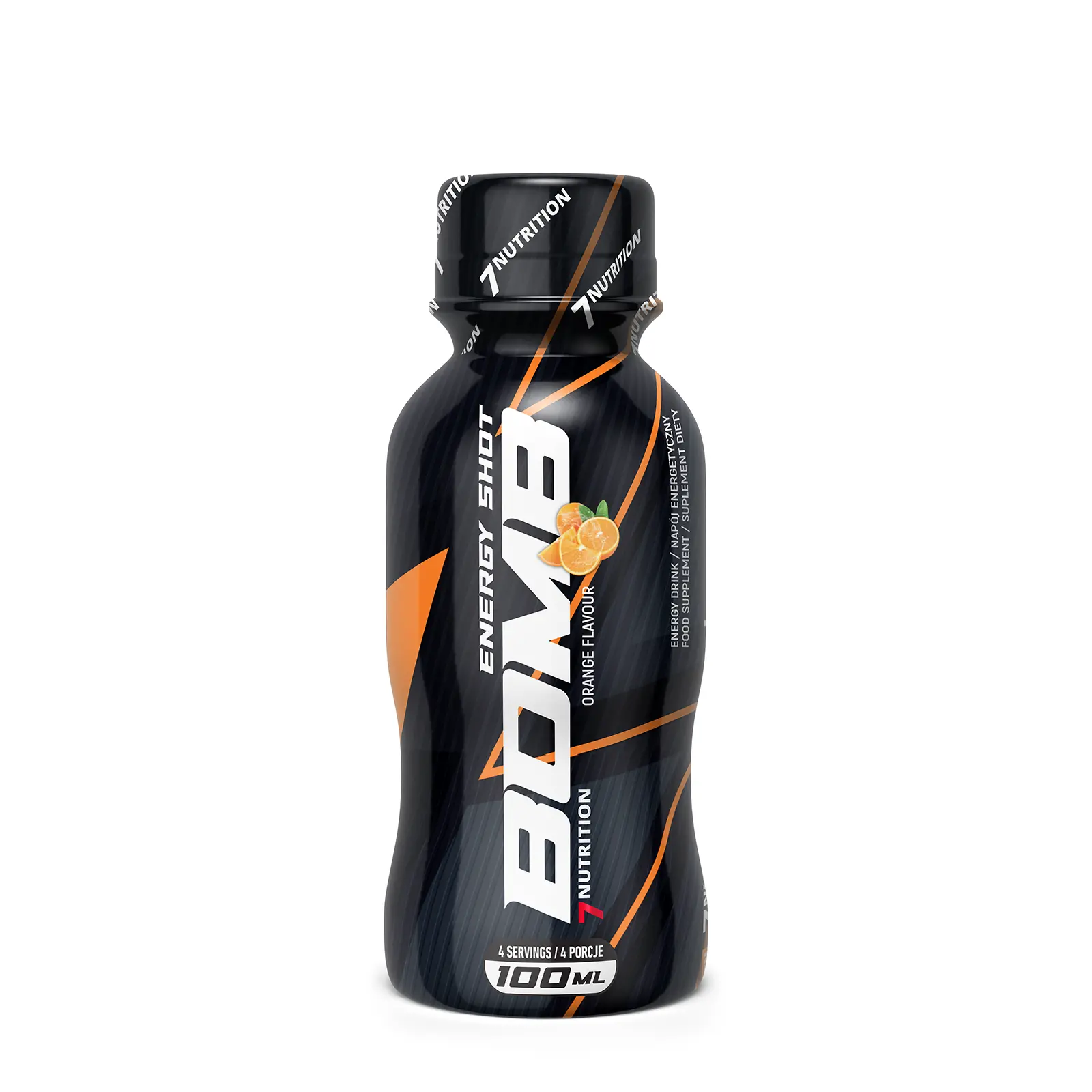
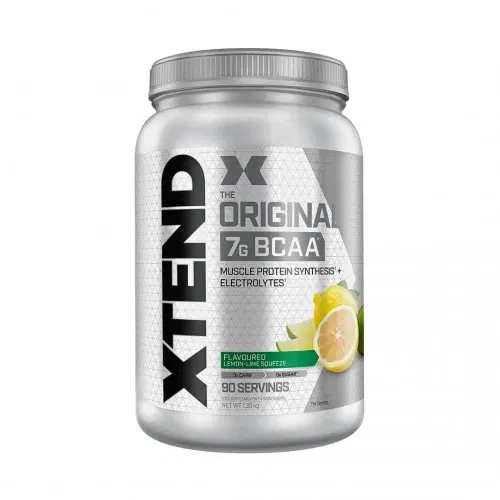
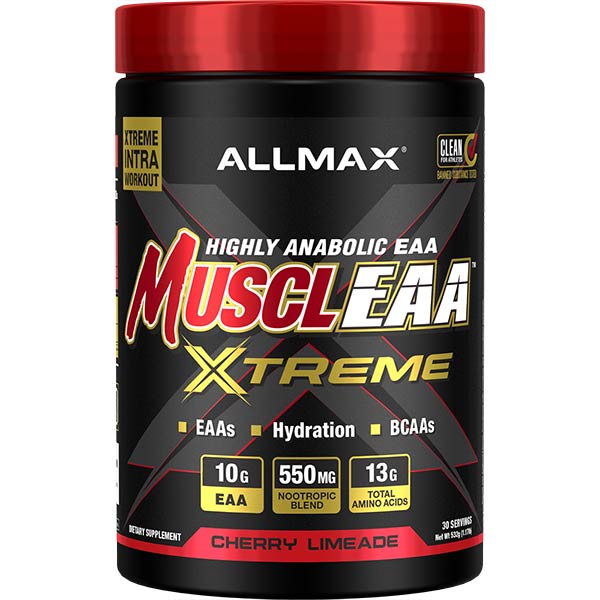
Recommended products
Frequently asked questions
Can matcha be drunk every day?
Yes, matcha is safe for daily use in quantities of 1-2 cups (around 70-140 mg of caffeine). Thanks to L-theanine, it does not cause anxiety like coffee and provides stable energy without crashes.
Which is better for weight loss - coffee or matcha?
Both support metabolism, but matcha has an advantage due to EGCG catechins, which stimulate thermogenesis and fat oxidation. Coffee temporarily increases energy expenditure but can raise cortisol, which promotes abdominal fat accumulation.
How much caffeine is in matcha compared to coffee?
One cup of matcha contains 35-70 mg of caffeine, while espresso delivers 80-150 mg. The key difference is that caffeine in matcha is absorbed slowly (4-6 hours) thanks to L-theanine, while coffee acts within 15-45 minutes.
When is the best time to drink matcha?
Matcha is ideal between 2 PM and 4 PM, when the afternoon energy slump is strongest. Unlike coffee, it will not disrupt your sleep if consumed by 4 PM. In the morning, coffee is more suitable for a quick start.