DASH diet
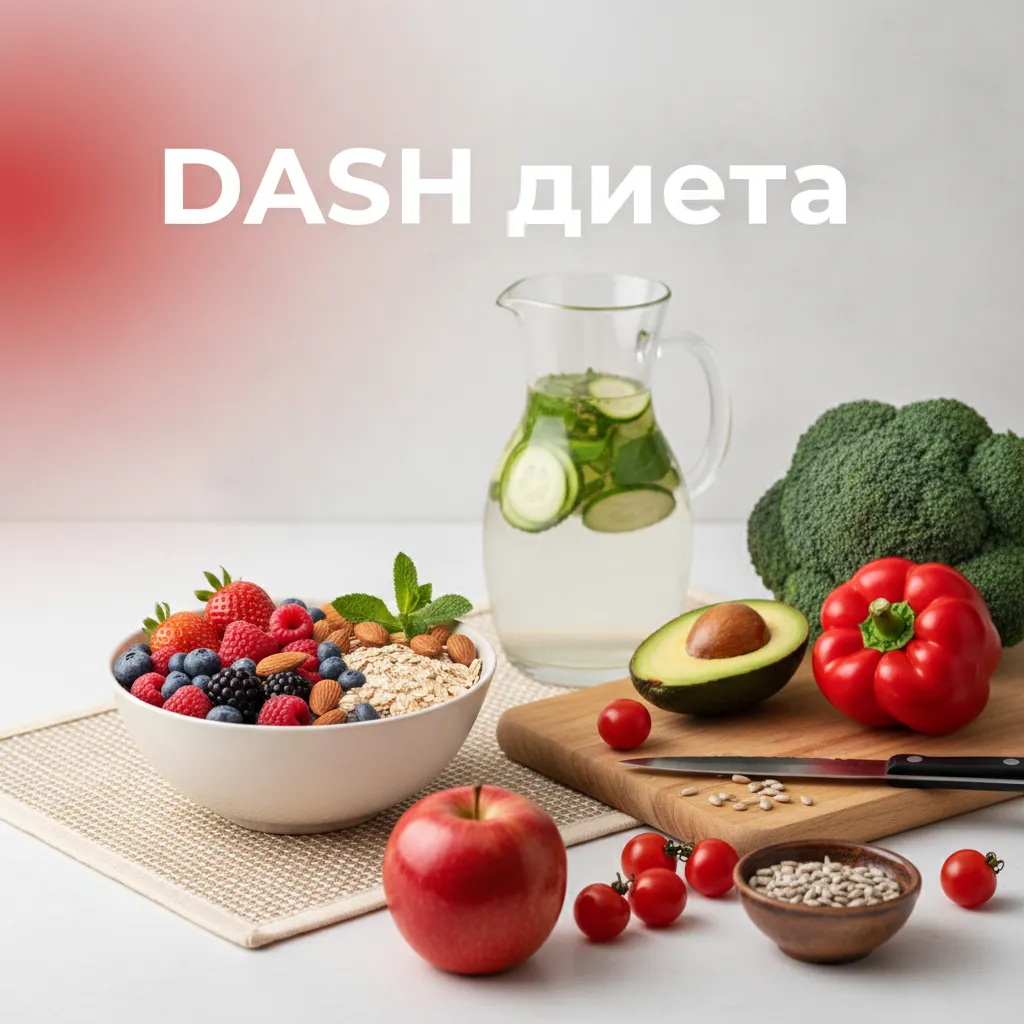
Brief expert definition: What is the DASH diet, how it works in the body, and how it is applied in sports nutrition.
Short answer: The DASH diet is a scientifically based nutritional plan that, through a balanced intake of potassium (3500-4700 mg), magnesium (310-420 mg), and calcium (1000-1200 mg), optimizes cardiovascular health and electrolyte balance, crucial for muscle function and recovery in athletes. Practical advice: To improve your athletic performance and recovery, focus on consuming fruits, vegetables, whole grains, and lean proteins, while limiting sodium and saturated fats.
DASH diet is a dietary regimen that emphasizes foods high in potassium, magnesium, and calcium, using a balanced approach to lower blood pressure.
For a comprehensive overview, see the complete guide to proper nutrition — a foundational guide from the expert team at Sport Zona.
What is the DASH diet?
The DASH diet is a healthy eating plan designed to lower high blood pressure by focusing on the consumption of whole foods rich in potassium, magnesium, and calcium.
📖 DASH Diet
The DASH diet is a dietary regimen focused on lowering blood pressure by increasing intake of potassium, magnesium, and calcium, and limiting sodium, saturated, and trans fats.
The DASH diet (Dietary Approaches to Stop Hypertension) is a scientifically based nutritional plan originally developed to control and prevent hypertension. It represents a comprehensive approach to nutrition that does not exclude entire food groups but rather emphasizes specific macro- and micronutrients, altering their ratio in daily intake. This regimen is based on consuming abundant amounts of fruits and vegetables, whole grains, lean protein sources such as chicken, fish, and legumes, as well as low-fat dairy products.
The main principle of the DASH diet is sodium restriction, which is directly linked to blood pressure regulation. At the same time, it encourages increased intake of potassium, magnesium, and calcium – three minerals that play a crucial role in maintaining normal heart function and vascular tone. The diet also minimizes the consumption of saturated and trans fats, cholesterol, red meat, sugary drinks, and foods with added sugars, which are known risk factors for cardiovascular diseases and inflammatory processes.
What is the DASH diet and why does it work?
The DASH diet is a dietary regimen that lowers blood pressure, as well as LDL cholesterol and triglyceride levels, while providing a balanced intake of macro- and micronutrients important for muscle function and the nervous system.
- Lowers blood pressure, as well as LDL cholesterol and triglyceride levels.
- Provides a balanced intake of macro- and micronutrients important for muscle function and the nervous system.
- Offers a consistent energy source thanks to complex carbohydrates, supporting workouts.
- It is rich in antioxidants, which reduce oxidative stress in athletes.
Disadvantages
- Requires careful meal planning to ensure adequate caloric intake for athletes.
- Can be challenging for people accustomed to high consumption of salt, red meat, or sweets.
- Initially, it may lead to a lack of taste due to reduced sodium intake.
The mechanism of action of the DASH diet involves several interconnected pathways that contribute to improving cardiovascular health and overall metabolism. A key aspect is the regulation of electrolyte balance. Reducing sodium helps decrease fluid retention in the body and lower blood volume, which directly reduces pressure on blood vessel walls. Simultaneously, high potassium intake counteracts the effects of sodium by aiding its excretion from the body and contributing to the relaxation of blood vessel walls. Magnesium and calcium also contribute to muscle contraction and relaxation, including those in blood vessels.
Another important component is the improved fat consumption profile. Limiting saturated and trans fats, along with reduced cholesterol intake, leads to lower levels of LDL ("bad") cholesterol and triglycerides in the blood, reducing the risk of atherosclerosis. The high fiber content from fruits, vegetables, and whole grains contributes to better blood sugar control, improved digestion, and a feeling of fullness, which can aid in weight management. These aspects work in combination to comprehensively improve metabolic function and reduce systemic inflammation.
Why is the DASH diet important for athletes?
For athletes, the DASH diet represents a valuable nutritional regimen as it provides adequate intake of electrolytes such as potassium (3500-4700 mg/day), magnesium (310-420 mg/day), and calcium (1000-1200 mg/day), which are critical for normal muscle function, the nervous system, energy metabolism, and bone health.
The high content of complex carbohydrates from whole grains and fiber provides a consistent energy source essential for maintaining training intensity and recovery. For athletes, caloric intake should be adjusted to their energy needs, but the DASH principles of macronutrient balance remain valid. For example, the emphasis on lean proteins (around 1.2-2.0 g/kg body weight for athletes) supports muscle mass recovery and growth. Additionally, the high intake of antioxidants from fruits and vegetables can help reduce oxidative stress caused by intense physical exertion, accelerating recovery and improving the body's resistance to inflammatory processes.
What are related concepts to the DASH diet?
Related concepts to the DASH diet include the Mediterranean Diet, Diet for Hypertension, Diet for High Cholesterol, and Diet for Metabolic Syndrome, as the DASH diet shares principles with the former and is effective in managing the latter conditions.
For active athletes, I recommend the DASH diet as a foundation, but with an adjustment of protein intake to 1.6-2.0 grams per kilogram of body weight for complete recovery and muscle growth. — Petar Mitkov
Remember: The DASH diet is a comprehensive, scientifically based nutritional plan that effectively improves cardiovascular health and overall metabolism, offering significant benefits for athletes as well.
Expert Note from Sport Zona
In my work with athletes in Bulgaria, I often see how eliminating processed foods and incorporating more whole, unprocessed products yields significant results. Especially with high blood pressure, a diet like DASH, focused on potassium, magnesium, and calcium, has a very positive effect. It's a practical approach that I often recommend as a first step.
Recommended products

Frequently asked questions
What is the main goal of the DASH diet?
The main goal of the DASH diet is to lower blood pressure. It achieves this through a balanced intake of nutrients, emphasizing foods rich in potassium, magnesium, and calcium.
Which food groups are recommended for the DASH diet?
Fruits, vegetables, whole grains, lean proteins (such as chicken, fish, legumes), and low-fat dairy products are recommended. At the same time, sodium, saturated and trans fats, and added sugars are limited.
How does the DASH diet help athletes?
The DASH diet provides optimal intake of electrolytes such as potassium and magnesium, which are important for muscle function and preventing cramps. Complex carbohydrates, in turn, ensure a constant energy source for workouts.
Are there specific restrictions regarding sodium intake in the DASH diet?
Yes, limiting sodium intake is a key principle of the DASH diet. This helps reduce fluid retention and lower blood pressure.