Nutrition for Hypothyroidism
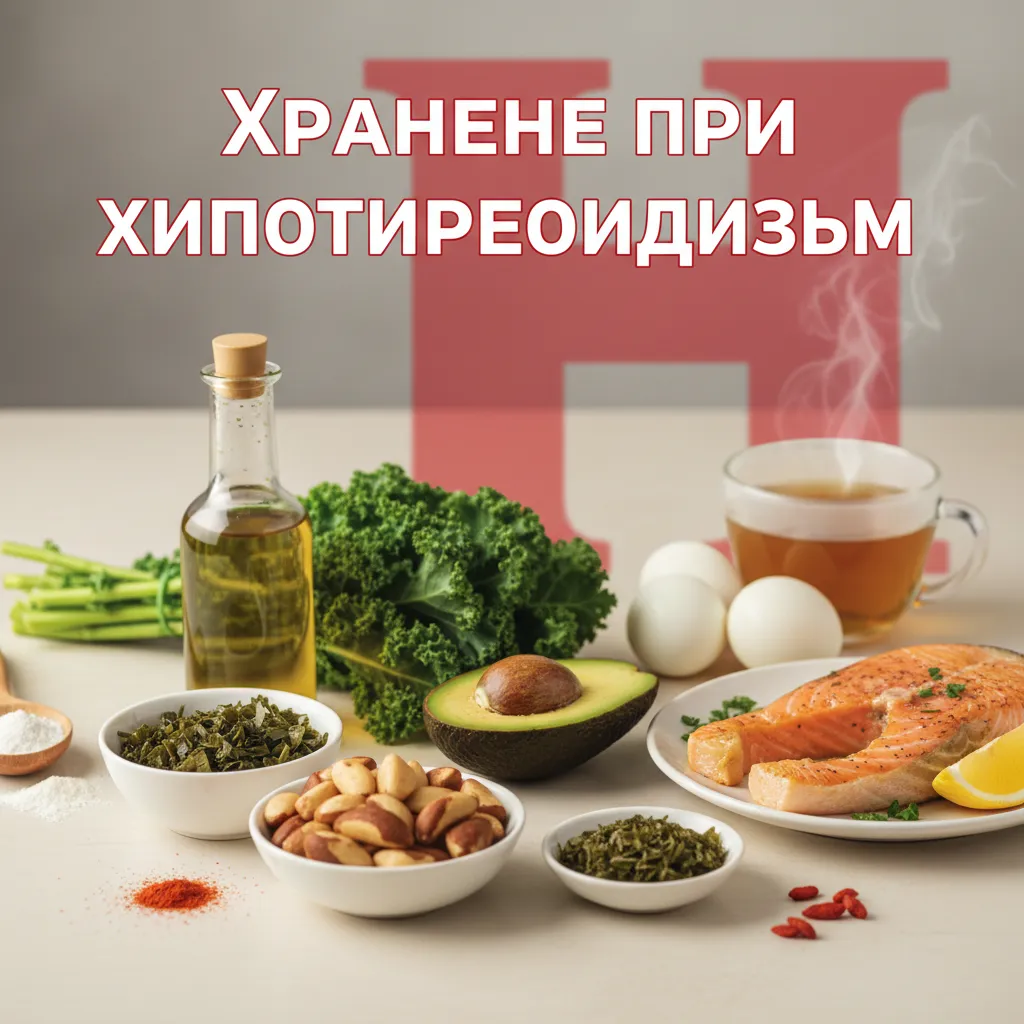
Brief expert definition: What is Hypothyroidism Nutrition, how it works in the body, and how it is applied in sports nutrition.
Short answer: Nutrition for hypothyroidism is a specialized dietary approach that supports thyroid function by regulating metabolism and reducing inflammation, especially important for athletes whose energy expenditure is reduced. Practical advice: Ensure adequate protein intake (1.2-1.6 g/kg body weight) and healthy fats to maintain muscle mass and reduce inflammation.
Nutrition for hypothyroidism is a specialized dietary approach aimed at optimizing thyroid function by regulating metabolism.
For a more in-depth review, see the complete guide to proper nutrition — a fundamental guide from the expert team at Sport Zona.
What is hypothyroidism?
Hypothyroidism is a condition in which the thyroid gland does not produce enough hormones, leading to a slowing of metabolism.
📖 Diet for hypothyroidism
A specialized nutritional regimen aimed at supporting thyroid function and regulating metabolism in a state of reduced thyroid hormone production.
Hypothyroidism is an endocrine disorder characterized by reduced thyroid gland function and insufficient production of thyroid hormones (thyroxine T4 and triiodothyronine T3). These hormones are responsible for regulating almost all metabolic processes in the body, including energy expenditure, body temperature, protein synthesis, and fat breakdown. Insufficient levels lead to a slowed metabolism, which can manifest with a variety of symptoms such as fatigue, weight gain, hair loss, dry skin, constipation, and cold sensitivity.
In the context of nutrition, managing hypothyroidism requires a precise approach aimed at addressing the primary symptoms and supporting the synthesis and metabolism of thyroid hormones. This includes ensuring adequate intake of key nutrients involved in these processes, as well as adapting caloric and macronutrient balance to the altered metabolism. Furthermore, nutrition aims to minimize inflammatory processes, especially in autoimmune forms like Hashimoto's thyroiditis, which are often the cause of hypothyroidism.
How does nutrition for hypothyroidism work?
Nutrition for hypothyroidism is a lifestyle that supports thyroid hormone production through key micronutrients (iodine, selenium, zinc), regulates weight and metabolic processes, reduces systemic inflammation, and optimizes energy levels for athletes.
- Supports thyroid hormone production through key micronutrients (iodine, selenium, zinc).
- Helps regulate weight and metabolic processes that are slowed down.
- Reduces systemic inflammation, especially important in autoimmune forms like Hashimoto's.
- Optimizes energy levels and recovery for athletes, compensating for slowed metabolism.
Disadvantages
- Requires precise planning and attention to detail, which can be time-consuming.
- May lead to excessive restrictions if not properly balanced.
- The effect does not replace medication but only supports it.
Nutrition for hypothyroidism works through several key mechanisms. First, it provides the necessary "building blocks" for thyroid hormone production. Iodine is a fundamental component of T4 and T3, and selenium is vital for the enzymes (deiodinases) that convert inactive T4 to active T3. Zinc also plays a role in hormone synthesis and T3 metabolism. A deficiency in any of these elements can compromise thyroid function, even with appropriate medication.
Second, dietary strategies help regulate the metabolic effects of hypothyroidism. Since metabolism is slowed, weight gain is often observed. Adequate protein intake (1.2-1.6 g/kg body weight) can help maintain muscle mass and increase thermogenesis. A moderate amount of carbohydrates, primarily from complex sources with a low glycemic index, maintains stable blood sugar levels and energy. Healthy fats, especially omega-3 fatty acids, have anti-inflammatory effects, which are particularly beneficial in autoimmune conditions. Limiting highly processed foods, added sugars, and saturated fats also contributes to reducing systemic inflammation and improving overall well-being.
Why is an adequate diet important for athletes?
For athletes with hypothyroidism, adequate nutrition is critical for maintaining athletic performance and overall health, as a slowed metabolism requires precise caloric planning to avoid weight gain and due to increased needs for micronutrients and antioxidants.
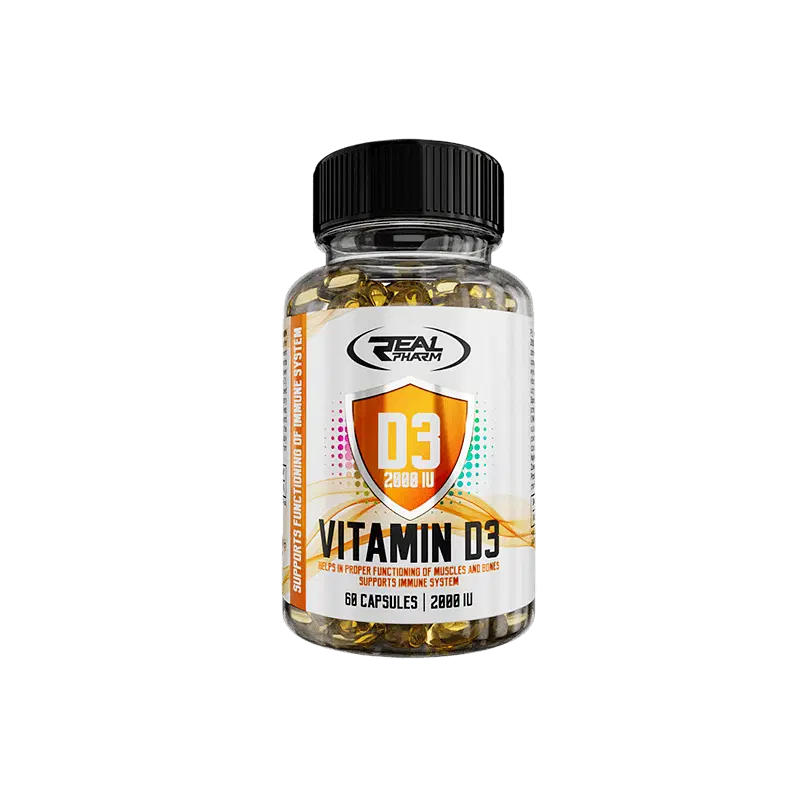
Furthermore, athletes with hypothyroidism may experience greater fatigue and slower recovery. Optimized protein intake (typically 1.6-2.2 g/kg body weight for strength athletes and 1.2-1.8 g/kg for endurance athletes) is essential for muscle repair and regeneration. Carbohydrates (3-10 g/kg body weight depending on intensity and volume) are key for replenishing glycogen stores and providing energy. Iron deficiency, common in hypothyroidism and even more so in female athletes, can lead to anemia and a significant decline in aerobic capacity. Studies show that low levels of vitamin D also correlate with poorer thyroid function, and for athletes, it is important for bone health and immunity, with recommended doses potentially reaching 1000-4000 IU/day.
What are the related concepts?
BMR (Basal Metabolic Rate) is a concept related to energy needs in hypothyroidism, which significantly reduces it. Nutrition for autoimmune diseases is relevant, as a large proportion of hypothyroidism cases are autoimmune (Hashimoto's thyroiditis).
In hypothyroidism, an intake of 1.2-1.6 grams of protein per kilogram of body weight per day is key for maintaining muscle mass and metabolic balance, especially in athletes. — Petar Mitkov
Remember: Nutrition for hypothyroidism is an important element for supporting thyroid function, managing symptoms, and optimizing athletic performance by balancing nutrient intake and energy consumption.
Scientific sources
- A Brief Overview of Hashimoto's Thyroiditis (HT) and the Importance of Iodine, Selenium, Vitamin D, and Gluten for Autoimmunity and Dietary Management of HT Patients, 2017
- The Importance of Nutritional Factors and Dietary Management in Hashimoto's Thyroiditis, 2020
- The Effect of Gluten-Free Diet on Thyroid Autoimmunity in Untreated Women with Hashimoto's Thyroiditis: A Pilot Study, 2019
Expert note from Sport Zona
For 12 years, I have observed that most Bulgarian athletes with hypothyroidism achieve very good results when they combine proper nutrition with active movement. The focus on quality nutrients and avoiding highly processed foods is key. We often underestimate the great role of individual approach and patience in this process.
Recommended products
Frequently asked questions
What are the main nutrients important for thyroid function in hypothyroidism?
Key nutrients are iodine, which is part of thyroid hormones, and selenium, which helps convert them into an active form. Zinc also plays a role in hormone synthesis and metabolism.
How can nutrition help with the slowed metabolism characteristic of hypothyroidism?
Adequate protein intake supports muscle mass and increases heat production. A moderate amount of complex carbohydrates provides stable energy, and healthy fats, such as omega-3s, reduce inflammation.
Why should athletes with hypothyroidism pay special attention to their diet?
Slowed metabolism requires careful calorie planning to avoid weight gain, which affects performance. Sports activity increases the need for micronutrients and antioxidants, which these individuals may process more difficultly.
Which foods should be limited when following a diet for hypothyroidism?
It is recommended to limit highly processed foods, added sugar, and saturated fats. These foods can contribute to systemic inflammation and may not support thyroid function.