Cortisol and nutrition

Brief expert definition: What is Cortisol and nutrition, how it works in the body, and how it is applied in sports nutrition.
Short answer: Cortisol, the "stress hormone," is key for training adaptation, but chronically high levels, uncompensated by adequate nutrition, lead to overtraining and muscle loss. Practical advice: To mitigate cortisol's catabolic effects, ensure adequate carbohydrate intake before, during, and after training, as well as sufficient protein for recovery.
Cortisol and Nutrition is a hormonal and metabolic mechanism where the effects of the steroid hormone cortisol on the body are modulated through diet, using macronutrients and micronutrients to manage stress and recovery.

For broad context, see the complete guide to proper nutrition — a foundational guide from the Sport Zona expert team.
What is Cortisol?
Cortisol is a stress hormone whose production can be influenced by food. Through proper nutrition, we can control its levels to be healthier and more recovered.
📖 Cortisol and Nutrition
The influence of cortisol on the body, modulated by diet through macro- and micronutrients, to optimize recovery from stress.
Cortisol is a glucocorticoid steroid hormone synthesized in the adrenal cortex under the control of the hypothalamic-pituitary-adrenal axis. It participates in the body's physiological response to stress, whether physical, psychological, or metabolic. Cortisol levels follow a circadian rhythm, being highest in the morning and gradually decreasing throughout the day.
Cortisol's functions are numerous and include regulating carbohydrate, fat, and protein metabolism, modulating the inflammatory response, and maintaining blood pressure. It plays a vital role in providing energy during stress by mobilizing glucose from stores and stimulating its production. In the context of physical activity, cortisol is part of the adaptation to training load, but chronically elevated levels can have adverse consequences.
The relationship between cortisol and nutrition is bidirectional – diet can affect cortisol production and metabolism, while cortisol itself significantly impacts metabolic processes related to nutrient absorption and utilization.
How Does Cortisol Function?
Cortisol is a steroid hormone produced by the adrenal cortex and is involved in a number of important bodily processes, including coping with stress, providing energy through metabolic changes, adapting to intense physical exertion, modulating the inflammatory response, and maintaining blood pressure. High cortisol levels can also be due to an unbalanced diet, leading to overtraining and muscle loss.
- Coping with stress and providing energy through metabolic changes.
- Part of the body's adaptation to intense physical exertion.
- Modulating the inflammatory response and maintaining blood pressure.
- Reducing catabolic processes through proper nutrition.
Disadvantages
- Chronically high levels lead to overtraining and muscle loss.
- Can impair immune function during prolonged stress.
- An unbalanced diet increases its levels and compromises recovery.
- A negative energy balance can lead to increased cortisol.
When the body is under stress, whether from intense training, lack of sleep, or psychological tension, the hypothalamus releases corticotropin-releasing hormone (CRH), which stimulates the pituitary gland to produce adrenocorticotropic hormone (ACTH). ACTH, in turn, signals the adrenal glands to release cortisol. Cortisol acts on multiple tissues to provide energy, such as stimulating the breakdown of proteins (catabolism) in muscles to obtain amino acids, which can then be converted into glucose in the liver (gluconeogenesis).
Nutrition can modulate this response in several ways. Adequate intake of carbohydrates before, during, and after training can reduce cortisol secretion, as it provides a readily available energy source, thus reducing the need for cortisol-induced gluconeogenesis. Protein is necessary for muscle repair and can mitigate the catabolic effects of cortisol. Certain micronutrients, such as magnesium and B vitamins, also play a role in regulating the stress response and supporting adrenal function. Chronic calorie deficit or an unbalanced diet can chronically elevate cortisol levels, worsening recovery and compromising athletic performance.
Why is Cortisol Management Important for Athletes?
Managing cortisol levels through nutrition for athletes is critical for optimizing recovery, preventing overtraining, and maintaining anabolic processes. Chronically elevated cortisol from intense training, if not adequately compensated by recovery and nutrition, can lead to overtraining, muscle loss, reduced immune function, and a decline in overall health.
Carbohydrate intake, especially around training, is key. According to the International Society of Sports Nutrition (ISSN), consuming 1.0-1.2 grams of carbohydrates per kilogram of body weight per hour in the first 4 hours after training can significantly improve glycogen replenishment and reduce catabolic effects. Adequate protein intake (1.6-2.2 grams per kilogram of body weight daily for active individuals) is also vital for minimizing cortisol-induced muscle protein breakdown. Maintaining a healthy energy balance, where energy intake matches energy expenditure, prevents metabolic stress that can also elevate cortisol. Deviations from these recommendations can compromise training adaptation and reduce athletic performance.
What are Related Concepts?
Gluconeogenesis is the process by which the liver produces glucose from non-carbohydrate sources, and catabolism is the breakdown of muscle proteins and fat stores; both are stimulated by cortisol to provide energy during stress.
Athletes should consume a minimum of 1.0-1.2 grams of carbohydrates per kilogram of body weight in the first 4 hours after training for effective glycogen replenishment and to reduce catabolic effects. — Petar Mitkov
Remember: proper management of cortisol levels through balanced nutrition is critical for athletes to maximize recovery and prevent overtraining.
Expert Note from Sport Zona
From my work with Bulgarian athletes over the past 12+ years, I've noticed they often underestimate the connection between stress and food. A balanced approach to macronutrients and quality sleep have a greater impact on cortisol levels than many people realize.
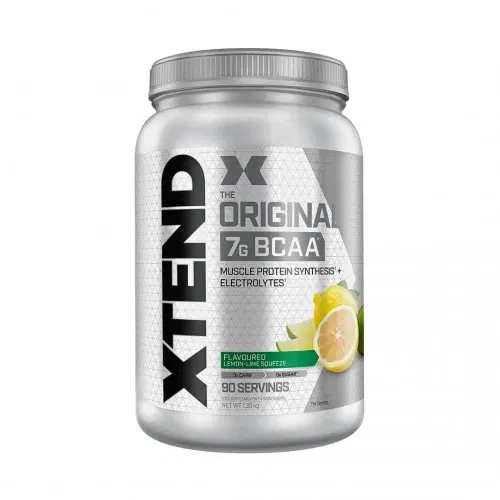
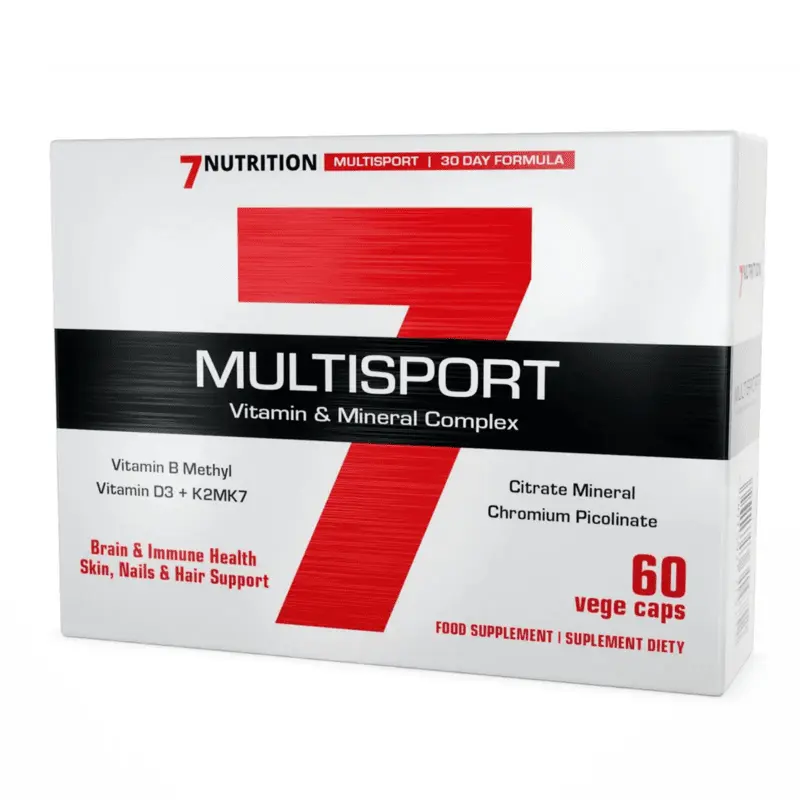
Recommended products

Frequently asked questions
What is cortisol and how does it relate to nutrition?
Cortisol is a hormone known as the "stress hormone," produced by the adrenal glands. Nutrition plays a key role in regulating its levels and mitigating its negative effects on the body and athletic performance.
How does nutrition improve the body's response to cortisol?
Adequate intake of carbohydrates and proteins supports the body's energy needs and muscle recovery, thereby reducing the need for increased cortisol production. Certain micronutrients also support the stress response.
Why is cortisol management important for athletes?
For athletes, chronically elevated cortisol levels can lead to overtraining, loss of muscle mass, and reduced immunity. Proper nutrition helps optimize recovery and protect against these negative effects.
How does nutrition during training affect cortisol?
Consuming enough carbohydrates before, during, and after training provides an easily accessible energy source. This reduces the stimulus for the body to produce more cortisol to meet energy demands.