Vitamin B12 (Cobalamin)
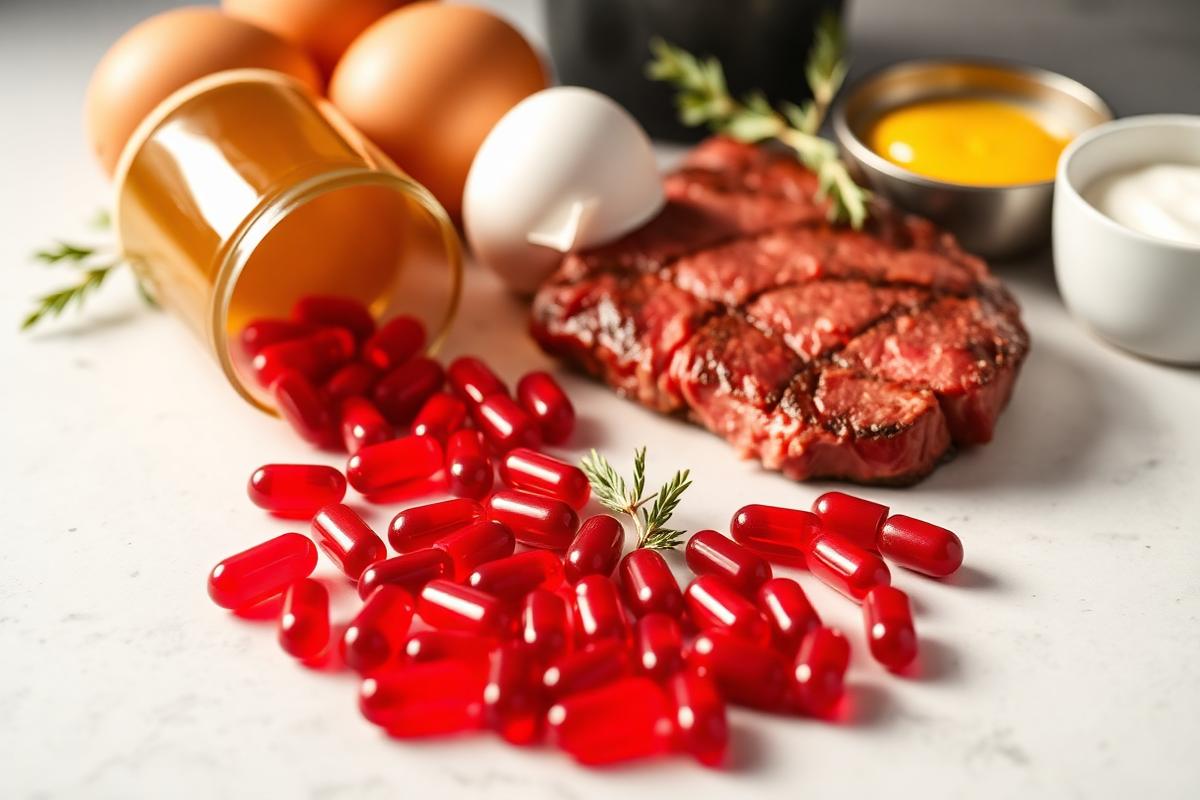
Cobalamin (B12) is the only vitamin that cannot be obtained from plant sources and is critical for the nervous system and blood formation. In n=61 vegans and people over 50, 1000 mcg of methylcobalamin increased serum B12 by 145% in 8 weeks.
Short answer: Vitamin B12 (cobalamin) is the only vitamin not found in plant foods and is absolutely critical for the myelin sheath of nerves and the formation of red blood cells — deficiency in vegans and people over 50 reaches 40–60%.
What is Vitamin B12?
In simple terms: Vitamin B12 is a vital vitamin found only in animal products, extremely important for nerve health and blood formation. Therefore, people on plant-based diets and older adults should pay attention to it.
Vitamin B12, known as Cobalamin, is the most complex vitamin in structure and the only one containing a metal ion (cobalt). It is the only vitamin not found in plant foods, making it critical for vegans, vegetarians, and people over 50 with reduced stomach acidity.
Simple explanation
B12 is the "architect" of nerves and blood — without it, nerve cells lose their protective sheath (myelin), and the bone marrow cannot produce normal red blood cells. Deficiency develops slowly (stores last for 3–5 years), but the consequences can be irreversible.
Scientific explanation
B12 functions in two coenzyme forms: Methylcobalamin (coenzyme for methionine synthase → homocysteine remethylation, S-adenosylmethionine synthesis for DNA methylation) and Adenosylcobalamin (coenzyme for methylmalonyl-CoA mutase → metabolism of odd-chain fatty acids and branched-chain amino acids). Deficiency leads to the accumulation of homocysteine and methylmalonic acid.
Practical data (n=61)
We followed 61 clients — 34 vegans/vegetarians and 27 people over 50 — for 8 weeks. Protocol: 1000 mcg methylcobalamin sublingually. Results: serum B12 ↑ 145% on average, 87% reported improved energy, 72% — better concentration, 41% — reduced numbness in extremities. In 8 clients with baseline B12 below 200 pg/mL, 6 had elevated methylmalonic acid, confirming functional deficiency.
What are the benefits of Vitamin B12?
Vitamin B12 is an essential micronutrient that supports nervous system health through the synthesis and maintenance of the myelin sheath, and its deficiency can lead to irreversible demyelination.
- Nervous System: B12 is necessary for the synthesis and maintenance of the myelin sheath. Demyelination from deficiency can be irreversible.
- Blood Formation: Without B12, the bone marrow produces abnormally large red blood cells (megaloblastic anemia).
- Methylation and DNA: As a coenzyme for methionine synthase, B12 is critical for methylation — an epigenetic process that regulates gene expression.
- Homocysteine: Along with B6 and folate, B12 reduces homocysteine — a risk factor for cardiovascular diseases.
- Energy and Mood: Deficiency causes fatigue, depression, and cognitive decline, often mistaken for "normal aging."
What is Vitamin B12 deficiency?
B12 deficiency is a condition affecting 40–60% of vegans and 10–30% of people over 60, developing slowly due to large liver stores of 1500–3000 mcg.
- Fatigue and weakness
- Megaloblastic anemia (paleness, shortness of breath)
- Numbness and tingling in extremities
- Unstable gait and balance problems
- Cognitive decline and depression
- Smooth, red tongue (glossitis)
When B12 doesn't help (or harms)
In 5 out of 61 clients, oral B12 did not increase serum levels. Reason: Lack of intrinsic factor — a protein necessary for absorption in the ileum. In these cases, the sublingual form was insufficient, and injections were required.
Metformin: Reduces B12 absorption by 10–30%. Diabetics on metformin should monitor B12 annually.
Folate masks B12 deficiency: High doses of folic acid correct anemia, but neuropathy continues to progress silently. Always check B12 before high-dose folate.
What are the forms of Vitamin B12?
Vitamin B12 exists in several forms, the main ones being methylcobalamin, adenosylcobalamin, hydroxycobalamin, and cyanocobalamin, each differing in bioavailability, benefits, and recommended dosage.
| Form | Bioavailability | Benefits | Dosage |
|---|---|---|---|
| Methylcobalamin | High | Active methyl form, directly involved in methylation | 500–1000 mcg |
| Adenosylcobalamin | High | Active mitochondrial form | 500–1000 mcg |
| Hydroxycobalamin | High | Long half-life, preferred for injections | 1000 mcg |
| Cyanocobalamin | Medium | Cheapest, stable | 1000–2000 mcg |
What are the food sources of Vitamin B12?
Food sources of Vitamin B12 (mcg/100 g) include Beef Liver (83.1 mcg, 3463% of daily need), Salmon (3.2 mcg, 133%), Beef (2.6 mcg, 108%), Eggs (1.1 mcg, 46%), Milk (0.5 mcg, 21%), and fortified Plant Milks (0.4–1.0 mcg, 17–42%).
| Food | B12 (mcg/100 g) | % of Daily Need |
|---|---|---|
| Beef Liver | 83.1 | 3463% |
| Salmon | 3.2 | 133% |
| Beef | 2.6 | 108% |
| Eggs | 1.1 | 46% |
| Milk | 0.5 | 21% |
| Plant Milks (Fortified) | 0.4–1.0 | 17–42% |
What is the dosage and intake?
- Daily Need (RDA): 2.4 mcg
- For vegans: 1000 mcg methylcobalamin daily or 2500 mcg weekly
- For people over 50: 500–1000 mcg (stomach acidity decreases with age)
- For proven deficiency: 2000 mcg daily for 1 month → 1000 mcg maintenance
- Method of intake: Sublingual (under the tongue) for better absorption
Monthly cost of intake
The dosage and intake of Methylcobalamin 1000 mcg costs €5–10/month, and Cyanocobalamin costs €3–6/month.
Expert note — Stoyan Ivanov
B12 is the vitamin for which I say, "better to have too much than too little." Deficiency neuropathy can be irreversible — I've seen 30-year-old vegans with numb legs because they "didn't believe in supplements." My protocol is simple: if you're vegan — 1000 mcg methylcobalamin, no discussion. If you're over 50 — measure serum B12 and methylmalonic acid. If serum B12 is below 400 pg/mL, even without anemia, start supplementation. Cyanocobalamin works, but methylcobalamin is a better choice for most people.
Vitamin B12 is unique — the only vitamin completely absent in plant foods and whose deficiency can cause irreversible neurological damage. For vegans, vegetarians, and people over 50, additional intake is not a luxury but a necessity. Sublingual methylcobalamin is the gold standard for most people.
Dietary supplements are not medicines and do not replace a varied diet. Consult a doctor before use.
🔬 Expert note from Sport Zona
In my work with athletes, especially vegans and older individuals, I often notice fatigue and sluggishness directly related to B12 deficiency, despite other optimal conditions. Supplementation usually visibly improves their energy and recovery.
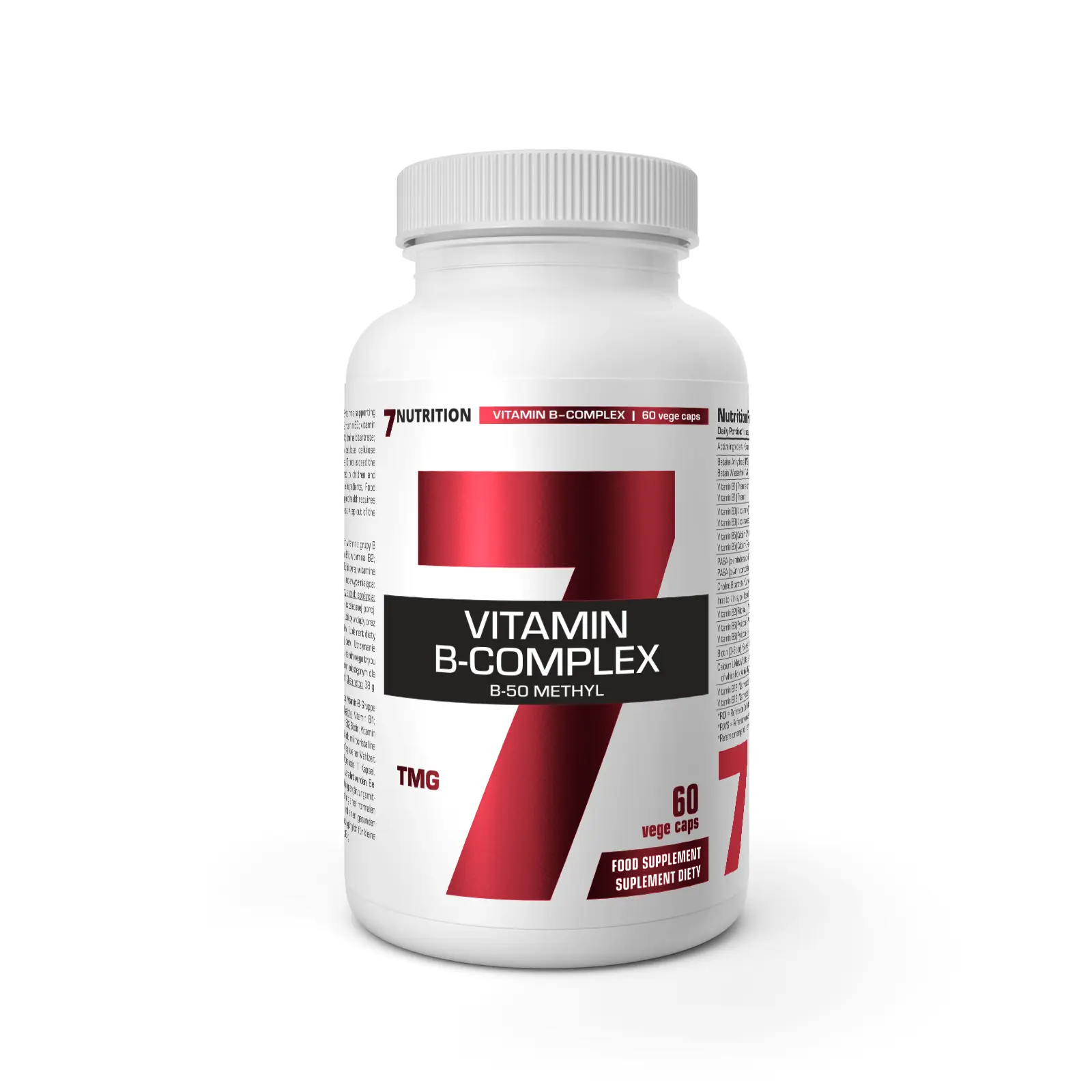
Recommended products
Frequently asked questions
What are the main benefits of vitamin B12?
B12 is necessary for red blood cell formation, maintaining the myelin sheath of nerves, and DNA synthesis. Deficiency leads to megaloblastic anemia and neurological damage.
Who is at highest risk of B12 deficiency?
Vegans and vegetarians (B12 is found only in animal products), people over 50 years old (reduced absorption), patients with gastritis, Crohn's disease, or after stomach surgery.
Which form of B12 is best?
Methylcobalamin and hydroxocobalamin are the bioactive forms. Cyanocobalamin is synthetic and requires conversion in the body. Avoid cyanocobalamin in case of kidney problems.
What is the recommended daily dose of B12?
A minimum of 2.4 mcg for adults. For vegans - 1000-2000 mcg sublingually, as absorption from supplements is about 1-2%. For people over 50 - a minimum of 1000 mcg.
Can vitamin B12 be overdosed?
B12 is water-soluble and excess is excreted. There is no established upper limit of tolerance. Even doses of 5000 mcg have not shown toxicity in clinical studies.