Antinutrients
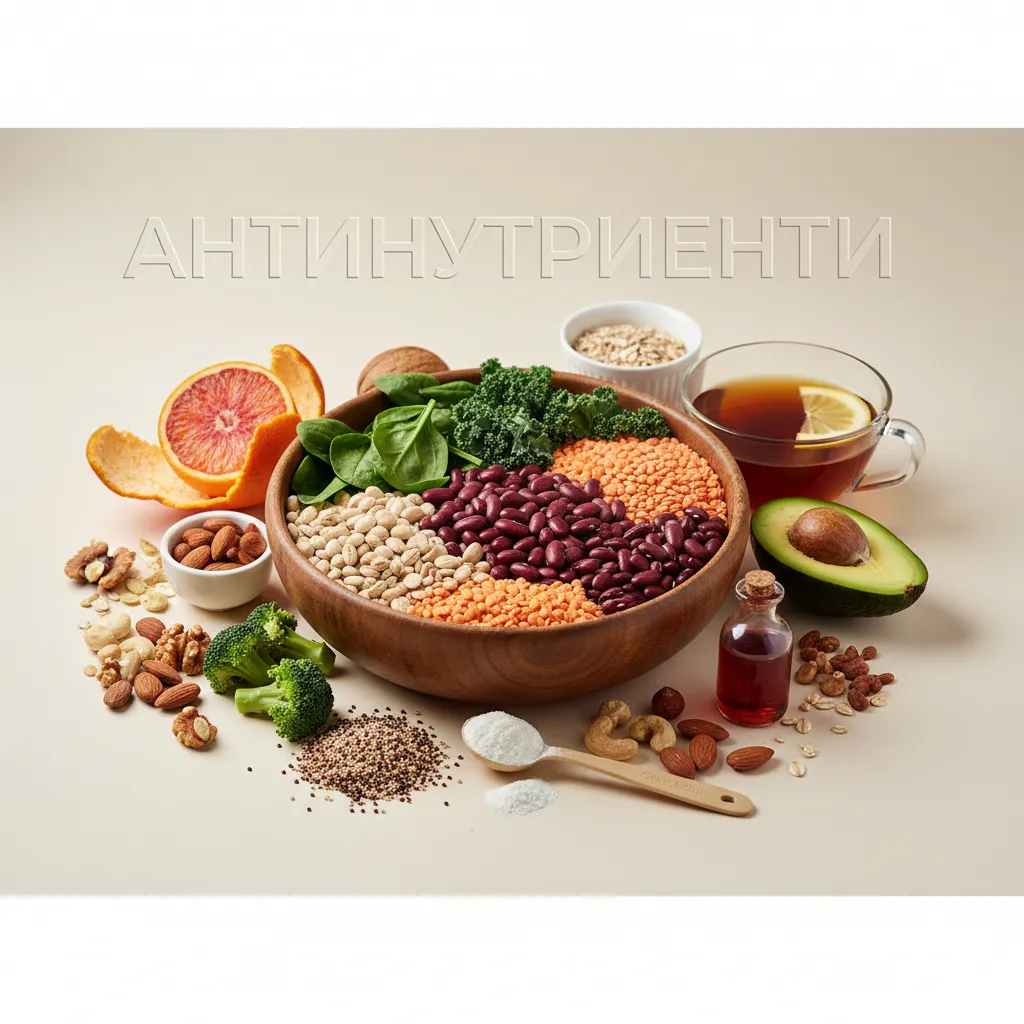
Brief expert definition: What are antinutrients, how do they work in the body, and how are they applied in sports nutrition.
Short answer: Antinutrients are compounds in foods like legumes and grains that reduce the absorption of essential nutrients (e.g., iron, zinc). They can impact athletic performance, especially with high energy demands, by reducing mineral bioavailability by up to 90% (phytates) or 99% (lectins) if improperly processed. Practical advice: For athletes, it's crucial to use culinary techniques like soaking, sprouting, and cooking to minimize the effect of antinutrients and ensure optimal nutrient absorption.
Antinutrients is a group of natural or synthetic compounds that interfere with the proper absorption of nutrients by utilizing biological mechanisms in the body.
This article is part of the complete guide to proper nutrition — a foundational guide from the expert team at Sport Zona.
What are Antinutrients?
Antinutrients are substances in food that hinder the absorption of beneficial nutrients by the body.
📖 Antinutrients
Antinutrients are compounds that prevent the body from absorbing nutrients, such as vitamins, minerals, and proteins, but they can also have health benefits.
Antinutrients are bioactive compounds that, when consumed, can reduce the absorption of essential nutrients like vitamins, minerals, proteins, and fats. They are part of plants' natural defense against pests and diseases but can also have physiological effects on the human body. Despite their negative name, many antinutrients also offer health benefits – they act as antioxidants or improve gut microflora.
The variety of antinutrients is vast and includes phenolic compounds like tannins, phytates (phytic acid), lectins, oxalates, saponins, protease inhibitors, and glucosinolates. Their presence in food varies significantly depending on the plant species, variety, growing conditions, and processing methods. Although they pose a challenge for nutrient absorption, they rarely lead to serious deficiencies in a balanced diet.
What are Antinutrients?
Antinutrients are natural compounds present in plant-based foods that can reduce the body's absorption of nutrients.
- Many of them exhibit antioxidant properties
- Some can positively influence gut microflora
- They represent a plant's natural defense
- They rarely lead to serious deficiencies in a balanced diet
The mechanism of action of antinutrients is diverse and depends on the specific compound. Generally, they interfere with digestion or nutrient absorption. For example, phytates have a strong affinity for divalent ions like iron, zinc, calcium, and magnesium, forming insoluble complexes that cannot be absorbed in the intestinal tract. This reduces the bioavailability of these key minerals.
Lectins, on the other hand, can bind to glycoproteins on the intestinal walls, thus altering their permeability and potentially disrupting the action of digestive enzymes. Protease inhibitors block the activity of enzymes like trypsin and chymotrypsin, which are necessary for protein breakdown, leading to reduced amino acid absorption. Oxalates also bind with minerals like calcium, forming crystals that can interfere with absorption and, in rare cases, contribute to kidney stone formation.
Why are Antinutrients Important for Athletes?
For athletes, especially those requiring high energy and adhering to strict dietary regimens, it's important to understand the potential impact of antinutrients. Proper micronutrient absorption is critical for energy metabolism, recovery, and immune function. Insufficient iron absorption, for instance, can lead to anemia, reducing oxygen transport and athletic performance, particularly in endurance athletes. The Recommended Daily Allowance (RDA) for iron is 8 mg for men and 18 mg for women, and athletes may have increased needs.
Antinutrients are significant for athletes as they can compromise the absorption of essential micronutrients like zinc, which is needed for immune function and protein synthesis.
What are the Related Concepts?
Lectins are a specific group of antinutrients that can bind to the intestinal lining and affect nutrient absorption. FODMAPs are short-chain carbohydrates that are poorly absorbed and can cause digestive issues, similar to some antinutrients.
For active athletes, especially women, I recommend methods to reduce antinutrients by 30-90% in legumes and grains to ensure maximum iron and zinc absorption. — Petar Mitkov
Remember: Although antinutrients can interfere with nutrient absorption, with a balanced diet and proper culinary preparation, their negative impact can be minimized, preserving the potential for benefits.
Expert Note from Sport Zona
In my work with athletes over the years, I've seen how optimizing digestion, including managing antinutrients, leads to significant improvements in recovery and performance, especially in individuals with sensitive stomachs. The effect becomes particularly noticeable during high-intensity training and periods of increased volume. It's not about exclusion, but about balance.
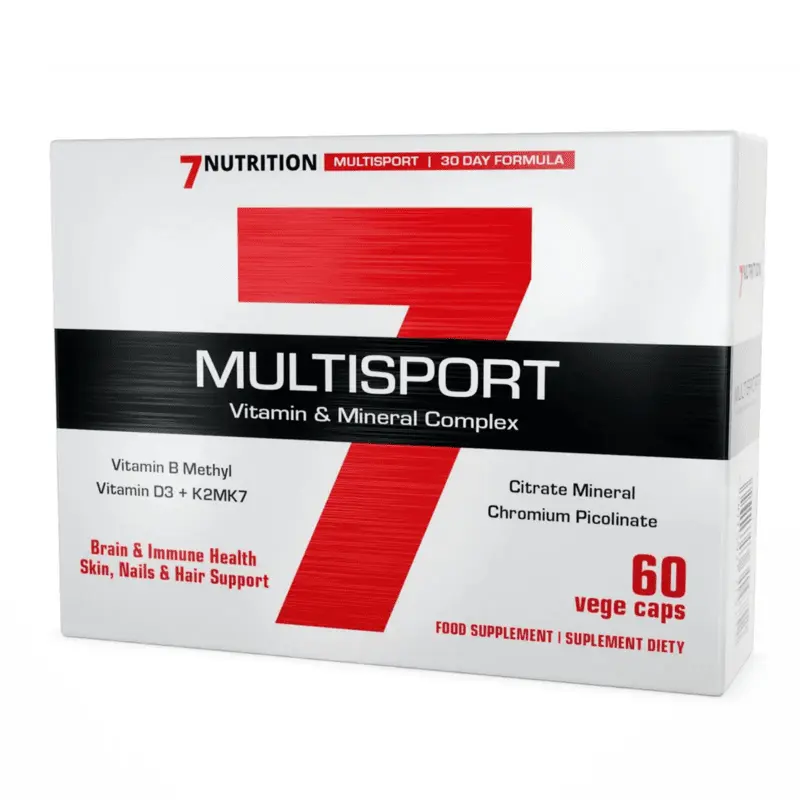
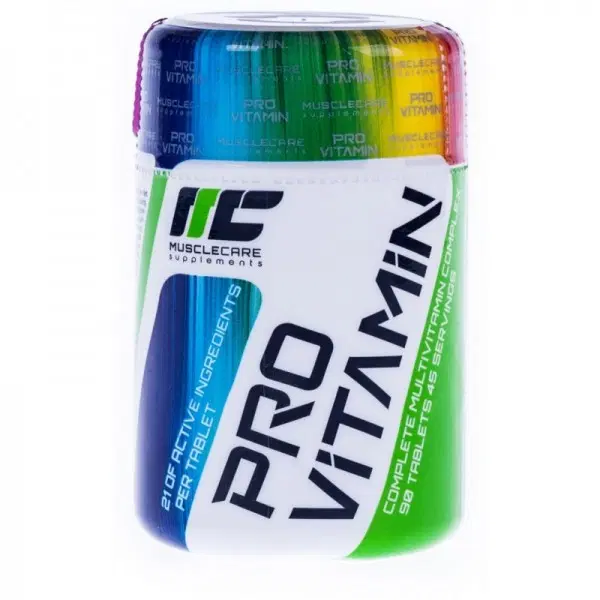
Recommended products
Frequently asked questions
What exactly are antinutrients and how do they affect athletes?
Antinutrients are compounds that hinder the absorption of essential nutrients like minerals and proteins. For athletes, this can lead to slower recovery and reduced energy, as the body doesn't receive optimal nutrient levels.
Can antinutrients be completely eliminated from the diet?
Complete elimination is not necessary, as many foods containing antinutrients are beneficial. Appropriate methods like soaking, sprouting, fermentation, and cooking significantly reduce their quantity and impact.
What are the most common antinutrients in an athlete's diet?
Among the most common are phytates (in legumes and grains), lectins (also in legumes and grains), and oxalates (in leafy green vegetables). Their effect depends on the specific type and preparation method.
Do antinutrients have any health benefits?
Yes, some antinutrients like phenolic compounds can act as antioxidants. Others, like saponins, may have a beneficial effect on gut microflora, although their primary role is related to hindering nutrient absorption.