Calcium vs. Magnesium: The Bone Builder vs. The Muscle Relaxant

Calcium contracts muscles, magnesium relaxes them. Understanding their functions aids better performance and recovery.
Short Answer: Calcium is essential for bone structure and muscle contraction, while Magnesium is key for muscle relaxation, energy production (ATP), and over 300 enzymatic reactions. Magnesium deficiency is more common in athletes and leads to cramps and fatigue. Practical advice: Take them separately. Take 200-400 mg of Magnesium (glycinate/citrate) in the evening for recovery. If needed, supplement with Calcium (up to 500 mg) during the day, with food, but prioritize dietary sources.
Calcium and magnesium are two very important minerals for everyone, especially for active athletes. Although we often see them combined in supplements, they have different but complementary functions. Understanding these functions is key to improving athletic performance, recovery, and overall health.
Calcium triggers muscle contraction, enabling movement and strength. On the other hand, magnesium relaxes muscles, prevents cramps, and regulates energy. Insufficient magnesium leads to muscle overexertion, stiffness, and fatigue.
This article examines the two minerals to help you understand when to take them separately, when to combine them, and how to do so for the best results. We will discuss how they work, how to use them in your regimen, and common mistakes in their intake, so you can make an informed decision.
This article is part of the Expert Hub for Nutritional Supplements — over 270 expertly verified articles by Petar Mitkov and the Sport Zona team.
What is a Comparative Matrix for System Analysis?
A comparative matrix for system analysis is a detailed comparison of key aspects between Calcium and Magnesium, including their biological status, primary focus, mechanism in muscle, time horizon, and key athletic effect. Calcium is a structural mineral (primarily in bones) and is essential for bone density and muscle contraction, while Magnesium is a regulatory cofactor (in over 300 enzymes) and focuses on muscle relaxation, energy metabolism, and the nervous system.
| Criterion | Calcium | Magnesium |
|---|---|---|
| Biological Status | Structural mineral (primarily in bones) | Regulatory cofactor (in over 300 enzymes) |
| Primary Focus | Bone density, muscle contraction | Muscle relaxation, energy metabolism, nervous system |
| Mechanism in Muscle | Binds to troponin to trigger contraction | Competes with calcium, allowing relaxation; ATP synthesis |
| Time Horizon | Long-term (bones), immediate (contraction) | Rapid to moderate (cramps, fatigue, sleep) |
| Key Athletic Effect | Supports strength and explosiveness | Improves endurance and recovery |
| Forms of Intake | Carbonate (with food), Citrate (higher bioavailability) | Bisglycinate, Citrate, Malate (high bioavailability); Oxide (low) |
What are the Mechanisms of Action of Calcium?
1. Calcium: Structural Element and Contraction Stimulator
Calcium is the most abundant mineral in the human body, with over 99% found in bones and teeth, and the remaining 1% circulating in the blood and soft tissues, acting as a crucial signaling element, especially vital for muscle contraction in athletes.
Simply put: Calcium is the spark that starts the muscle engine. Without enough calcium, the nerve signal for contraction will not be transmitted effectively, meaning weaker and less coordinated muscle work.
2. Magnesium: Energy Regulator and Muscle Relaxant
Magnesium is the fourth most abundant mineral in the body and acts as a cofactor in over 300 enzymatic reactions. Its main role is related to energy production – it is absolutely necessary for the synthesis of adenosine triphosphate (ATP), the primary energy currency of cells. For muscle function, magnesium acts as a natural antagonist (counteracting element) to calcium. It performs two key functions:
- Natural Calcium Blocker: Magnesium competes with calcium for binding to troponin. When magnesium concentration increases, it displaces calcium, breaking the actin-myosin bond and allowing the muscle to relax.
- Regulation of Calcium Pumps: The process by which calcium is pumped back into the sarcoplasmic reticulum (leading to relaxation) requires energy in the form of ATP. Since magnesium is crucial for ATP synthesis, it also supports this process.
Simply put: Magnesium is the "brake" and the "mechanic" that recharges the batteries. It instructs the muscle when to stop working and provides it with the energy (ATP) to prepare for the next contraction.
The Synergistic Effect: Why Do They Work Better Together?
Calcium and magnesium, despite their opposing roles, work in coordination. Effective muscle function requires the rapid release of calcium for strong contraction and adequate magnesium for quick and complete relaxation. Often, the problem in today's diets is an imbalance. The appropriate Calcium:Magnesium ratio in food is about 2:1. However, many people consume significantly more calcium (from dairy products and fortified foods) and less magnesium (found in nuts, seeds, and leafy greens).
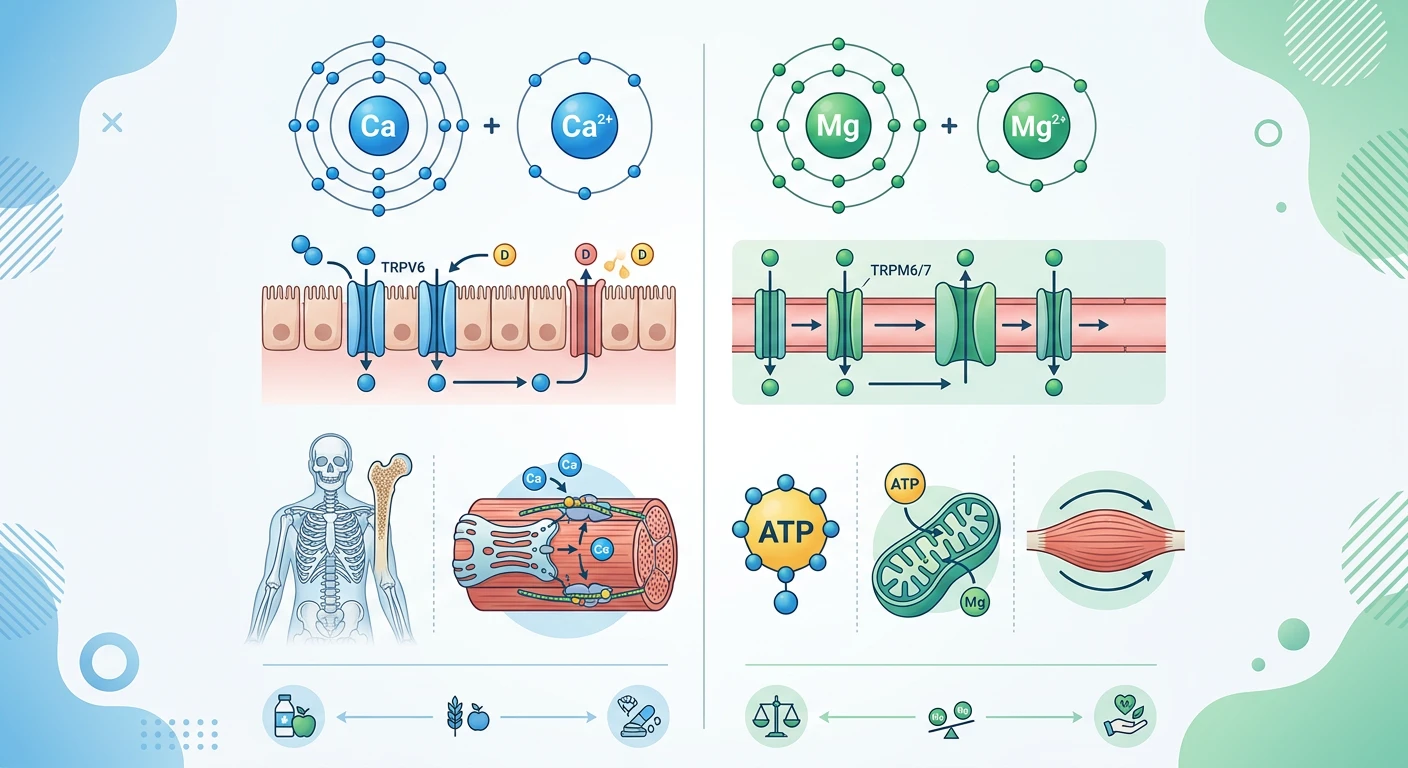
This imbalance can lead to nervous system overexcitation, muscle tension, cramps, and even heart arrhythmias, as the heart is also a muscle. Magnesium is also necessary for the activation of vitamin D, which in turn is important for calcium absorption. Without enough magnesium, even high intake of calcium and vitamin D may not be effective. Therefore, strategic intake of both minerals is often recommended for maximum absorption and function.
What is the Practical Algorithm for Choosing Calcium and Magnesium?
The practical algorithm for choosing calcium and magnesium involves considering your individual goals, diet, and experienced symptoms to determine whether a standalone intake of one of the elements or their combination is necessary.
Choose Calcium if:
- Your main goal is to maintain or increase bone density (e.g., at risk of osteopenia/osteoporosis).
- Your diet is low in dairy products, sardines, or fortified plant milks.
- You are a woman in menopause, when bone mass loss accelerates.
- You are seeking maximum strength explosiveness and have a proven deficiency.
🔵 Choose Magnesium if:
- You regularly suffer from muscle cramps, stiffness, or twitches (especially at night).
- You feel constantly tired, stressed, and have trouble falling asleep.
- Your workouts are long and intense, with heavy sweating (which leads to magnesium loss).
- Your diet is low in nuts, seeds, legumes, and leafy green vegetables.
Recommended Stack for Athletes
For most actively training individuals without specific medical conditions, a combination is the best approach. It's important to separate the intakes: take Calcium Citrate (500-600 mg) in the morning with food, and Magnesium Bisglycinate or Citrate (200-400 mg) in the evening, about an hour before sleep. This way, you avoid competition for absorption and utilize the calming effect of magnesium for better sleep and recovery.
What is the Protocol for 2026: "Foundation and Performance Stack"?
The 2026 protocol is a sample plan for good health and athletic performance, including foundational elements and a supplement stack.
- Daily Foundation (Morning): 500 mg Calcium (as citrate) along with 1000-2000 IU Vitamin D3 and 50-100 mcg Vitamin K2 (MK-7). This combination directs calcium to the bones, not soft tissues.
- Daily Foundation (Evening): 200-400 mg Magnesium (as bisglycinate or malate). Evening intake supports nervous system and muscle relaxation, improving sleep quality.
- During Long Workouts (>90 min): You can take an electrolyte drink containing small amounts of both minerals, as well as sodium and potassium, to compensate for sweat losses.
Expert Note
Always pay attention to the form of the mineral. Calcium carbonate is cheaper but requires stomach acid for absorption (take it with food). Calcium citrate can be taken anytime. For magnesium, avoid magnesium oxide due to its low bioavailability and strong laxative effect. Forms like bisglycinate are excellent for sleep, and malate is preferred for fatigue and muscle pain.
🧭 When to Choose What?
- Choose primarily Calcium if you have established needs related to bone density or your diet is severely limited in dairy and leafy greens.
- Choose primarily Magnesium if your main complaints are muscle cramps, poor sleep, stress, and fatigue. This is the most common deficiency in athletes.
- Combine both (with separate intake) if you are an active athlete and seek comprehensive support for structure (bones) and function (muscles, energy, recovery).
📖 What are Calcium and Magnesium?
Calcium (Ca) is the most abundant mineral in the body, a key structural component of bones and teeth. It is vital for muscle contraction, blood clotting, and nerve impulse transmission.
Magnesium (Mg) is the fourth most abundant mineral, acting as a cofactor in over 300 enzyme systems. It regulates muscle relaxation, energy production (ATP), protein synthesis, blood pressure, and blood sugar control.
⚖ Pros and Cons
| Pros | Cons | |
|---|---|---|
| Calcium |
|
|
| Magnesium |
|
|
🗣 Explained Simply
To understand the difference, think of them with simple analogies:
| Criterion | Calcium | Magnesium |
|---|---|---|
| Metaphor | Gas pedal | Brake pedal |
| Role in Muscle | "Engage" (Contraction) | "Disengage" (Relaxation) |
| Construction Analogy | Bricks (bone structure) | Electrician (energy system) |
If your body were a car, calcium presses the gas for acceleration, and magnesium presses the brake and allows the engine to cool down. You need both to move efficiently and safely.
Choose the Right Product for Your Goal:
- For Bones and Joints: Joint Combinations containing Calcium, Vitamin D3, and K2.
- For Energy and Endurance: Magnesium Complexes (Malate, Citrate).
- 💤 For Better Sleep and Recovery: Magnesium Bisglycinate.
Combined Protocol for Maximum Performance:
- Pre-Workout: Ensure explosive energy with a nitric oxide booster.
- Post-Workout (Immediate): Replenish muscles with whey protein.
- Before Sleep: Accelerate recovery and reduce cramps with magnesium.
When to Choose Calcium
- You want to strengthen your bone structure.
- You consume few dairy products or dark leafy greens.
- You need support for maximum muscle contraction and strength.
- You are going through hormonal changes affecting bone density (menopause).
⛔ When to Choose Magnesium
- You suffer from frequent muscle cramps and stiffness.
- You have trouble falling asleep or poor sleep quality.
- You experience high levels of stress, anxiety, or constant fatigue.
- You train intensely and for long durations, especially in hot weather.
Scientific Sources
- Calcium and Muscle Contraction. Berchtold MW, Brinkmeier H, Müntener M. 2000
- Magnesium - Fact Sheet for Health Professionals, National Institutes of Health.
- Magnesium Research Analysis. Examine.com.
- Calcium. Linus Pauling Institute, Oregon State University.
- Scientific Opinion on Dietary Reference Values for magnesium. EFSA Journal, 2015.
- Is it possible to take too much magnesium? Mayo Clinic.
Expert Note from Sport Zona
In my work with athletes, I often encounter magnesium deficiencies, more so than calcium deficiencies. The modern lifestyle – stress, processed foods, intense training – rapidly depletes magnesium stores. Before starting a combined product, try a quality magnesium supplement (bisglycinate or malate) in the evening for 2-3 weeks. Many athletes complaining of cramps and poor recovery will notice significant improvement from this simple approach. Calcium is important, but an imbalance favoring calcium is a more common problem.
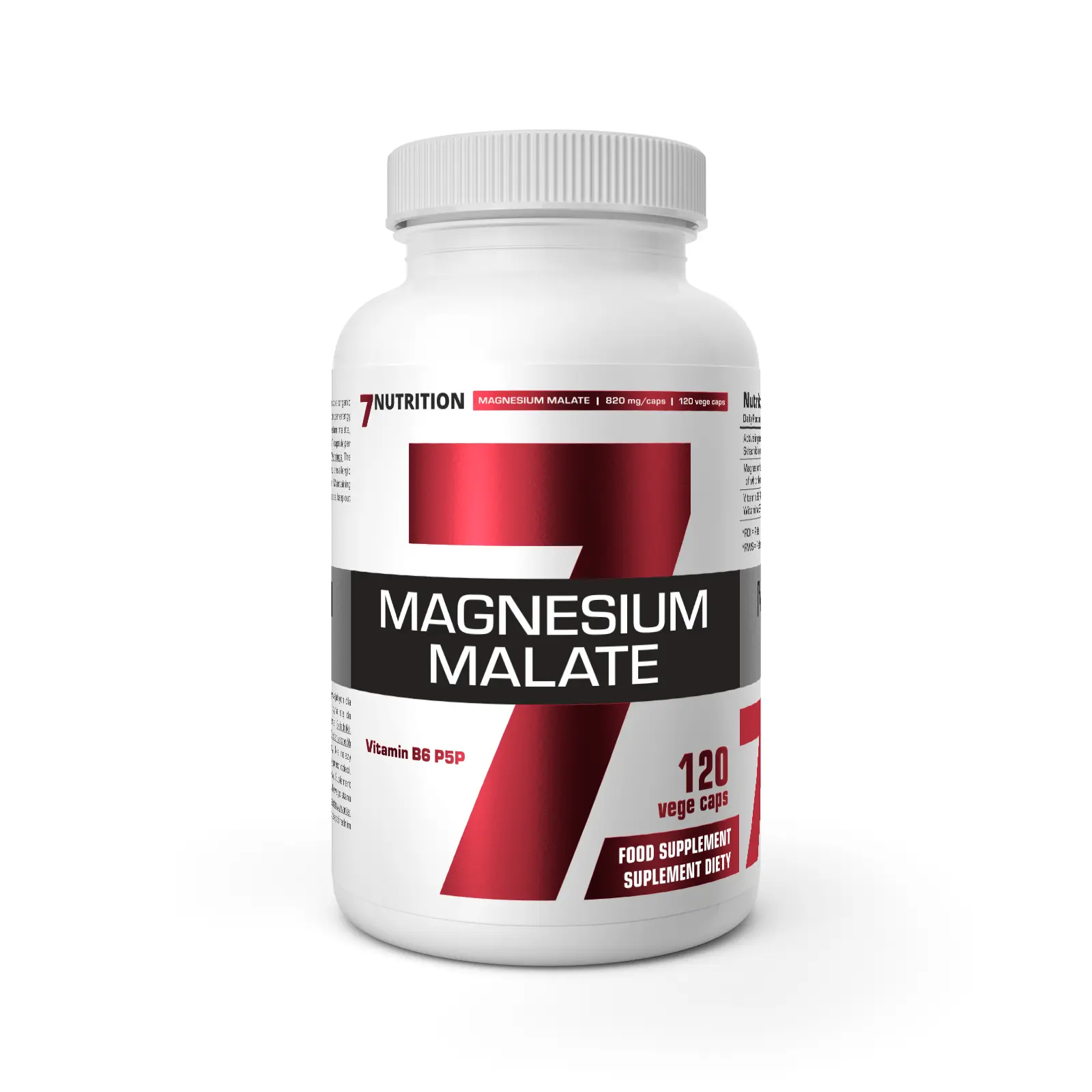
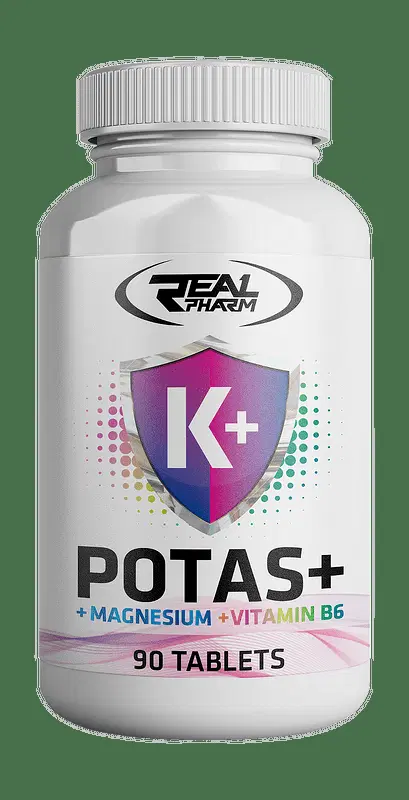
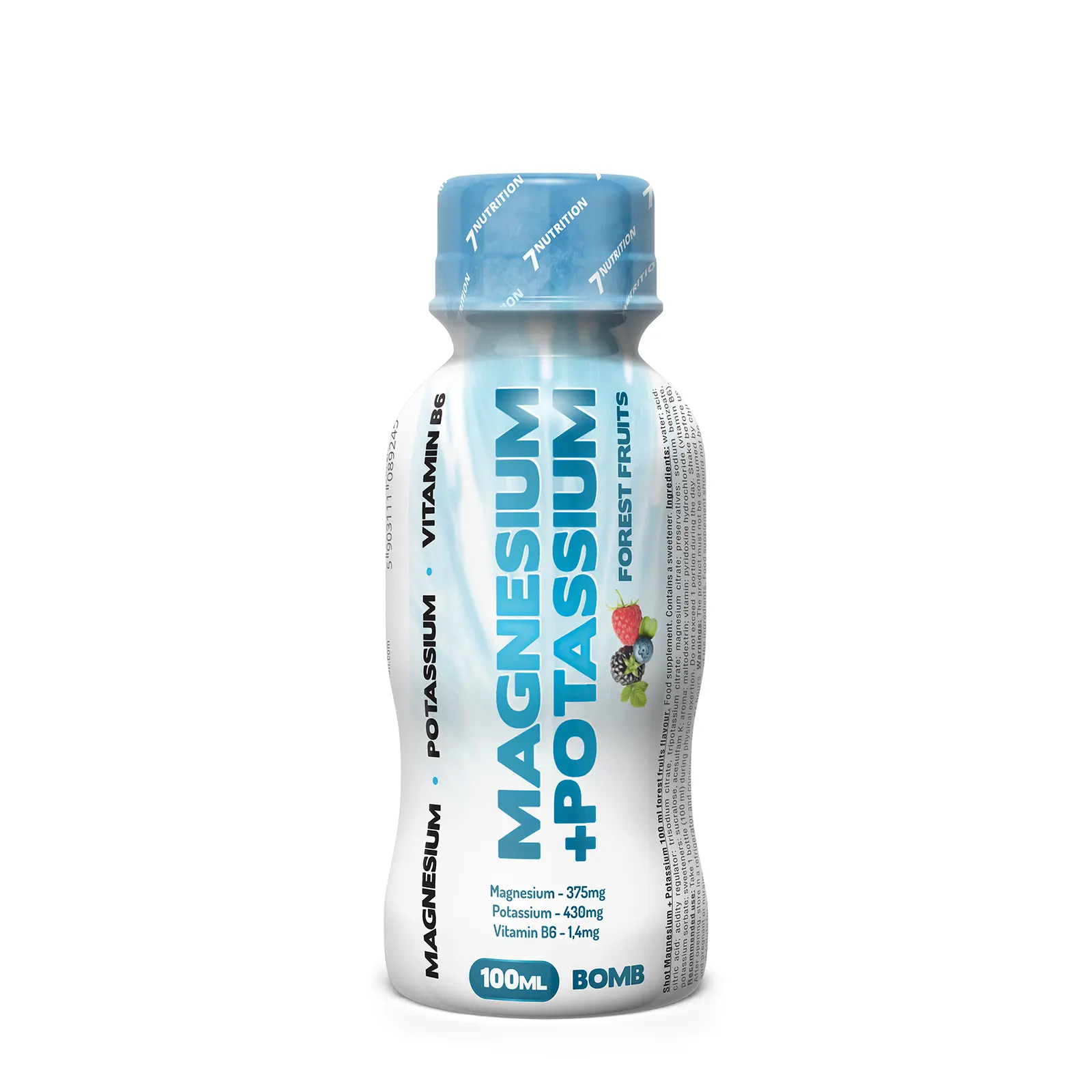
Recommended products


Frequently asked questions
Can Calcium and Magnesium be taken together?
Yes, but it is not optimal, especially in high doses, because they compete for absorption. The best strategy is to separate them: take Calcium in smaller doses throughout the day (with food), and Magnesium in the evening, to avoid competition and maximize the benefits of each mineral.
Which is better for beginners - Calcium or Magnesium?
For most beginner athletes, Magnesium is a more common deficiency and offers more tangible benefits initially – improved sleep, fewer muscle cramps, and better recovery. Calcium deficiency is rarer, except in specific diets (e.g., vegan or dairy-free). Therefore, as an initial supplement, Magnesium is often a higher priority.
When is the best time to take Calcium and Magnesium?
The best practice is to separate them. Take Magnesium in the evening, about 30-60 minutes before bedtime, as it supports the nervous system and relaxation. Calcium is better absorbed in smaller doses (under 500 mg at a time) and should be taken with food, spread throughout the day.
Are there side effects from taking Calcium or Magnesium?
Yes. High doses of Calcium (over 2000 mg daily) can cause constipation and increase the risk of kidney stones. Excessive intake of Magnesium, especially from less absorbable forms like oxide, can lead to diarrhea and stomach discomfort. Always adhere to the recommended daily dosages.
What is the recommended dosage for Calcium and Magnesium?
The total daily intake (from food and supplements) for adults is about 1000–1200 mg of Calcium and 320–420 mg of Magnesium. For athletes, the needs may be higher. As a supplement, 200–400 mg of Magnesium (glycinate, citrate) and, if necessary, 500–600 mg of Calcium (citrate), divided into several doses, are often recommended.