Caffeine vs. Guarana: The Instant Hit vs. The Slow Burn
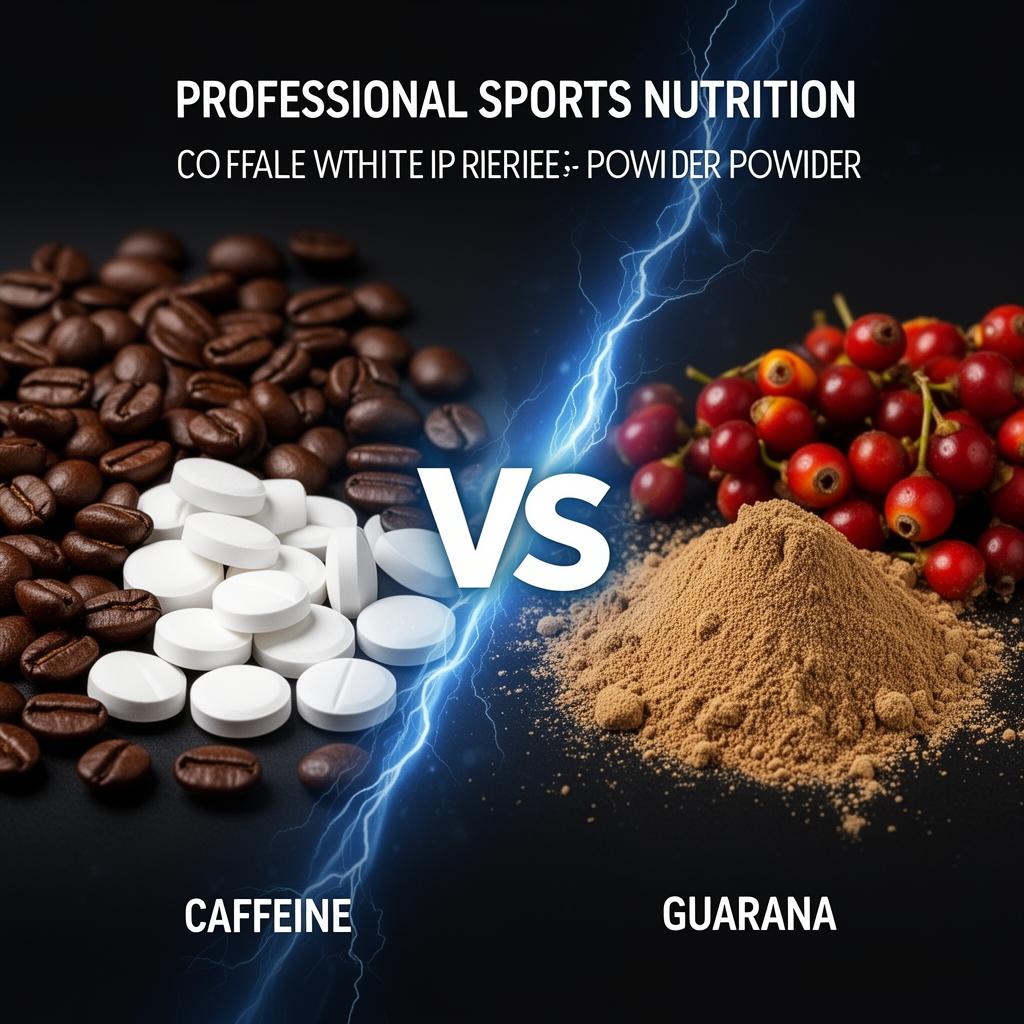
Differences in absorption rate and duration of action make the choice of stimulant key for optimal athletic performance. Caffeine offers a quick boost, while guarana provides longer-lasting energy.
Short answer: Caffeine works fast (up to 20-60 minutes), while guarana has a longer-lasting effect (up to 4-6 hours) due to its gradual release. The effective dose for performance enhancement is 3-6 mg/kg of body weight for caffeine. Practical tip: For a quick pre-workout boost, take 200 mg of caffeine 30-45 minutes beforehand. For sustained energy during long races, consider a combination or guarana 60-90 minutes prior.
Hello, athletes! Welcome to Sport Zona Academy – your go-to place for the best information on sports nutrition. Today, we'll delve into two of the most popular stimulants in the sports world: Caffeine and Guarana. They are often mistaken as interchangeable, but are they really? In this article, we'll do an in-depth comparison to help you understand which is best suited for your goals and why.
Caffeine and guarana are natural stimulants that have been used for centuries to boost energy, focus, and performance. Although both contain caffeine, they have different action profiles and can offer unique benefits for athletes and active individuals. Let's take a closer look at their characteristics.
What is Caffeine?
💬 Simply put: Caffeine provides quick energy for a short time, while guarana provides more sustained energy for a longer period because it's absorbed more slowly.
Caffeine (1,3,7-trimethylxanthine) is a methylxanthine alkaloid naturally found in coffee beans, tea leaves, cocoa pods, and other plants. It is arguably the most widely consumed psychoactive drug in the world, valued for its stimulating effects on the central nervous system (CNS). Its primary mechanism of action is by blocking adenosine receptors in the brain, which prevents fatigue and increases alertness, focus, and energy. In sports nutrition, caffeine is a proven ergogenic aid, enhancing strength, endurance, and cognitive function.
What is Guarana?
Guarana (Paullinia cupana) is a plant native to the Amazon basin, whose seeds are rich in caffeine. Guarana seeds can contain up to 4-6% caffeine by weight, making it one of the richest natural sources of caffeine, significantly more than coffee (up to 2.5%). The distinguishing characteristic of guarana is that the caffeine within it is bound to tannins and other phenolic compounds. This leads to a slower release and absorption of caffeine into the body, often described as a more prolonged and smoother energy boost, without the sudden "crash" some people experience from pure caffeine. In addition to caffeine, guarana also contains other stimulants like theobromine and theophylline, as well as antioxidants.
What is the difference between caffeine and guarana?
Caffeine is a stimulant found in coffee, tea, cocoa, and other products, while guarana is derived from the seeds of the Paullinia cupana plant and is known for its higher caffeine content.
| Characteristic | Caffeine | Guarana |
|---|---|---|
| Source | Coffee, tea, cocoa, energy drinks, supplements | Seeds of the Paullinia cupana plant |
| Caffeine Content | Variable, up to 2.5% in coffee | High, up to 4-6% by weight |
| Onset of Action | Fast (15-45 min), peak after 30-60 min | Slower, gradual (over 1 hour), due to tannins |
| Duration of Effect | Short to medium (2-4 hours) | Longer (up to 4-6 hours), smoother |
| Additional Compounds | Few or none in pure form | Tannins, theobromine, theophylline, antioxidants |
| Likely "Crash" | More pronounced at high doses | Less pronounced, longer-lasting effect |
What are the mechanisms of action?
Caffeine
Caffeine acts as an adenosine receptor antagonist, blocking the action of the neurotransmitter adenosine, which typically induces fatigue. This leads to increased activity of neurotransmitters like dopamine, norepinephrine, and acetylcholine.
- Increased Alertness and Focus: Direct effect on the CNS.
- Improved Endurance Performance: Reduces perceived exertion and mobilizes fatty acids for energy (fat oxidation).
- Increased Strength and Power: Proven in short-duration, high-intensity activities.
- Elevated Pain Threshold: May delay fatigue by affecting pain receptors.
Guarana
Guarana contains caffeine, but also other compounds like theobromine and theophylline (which are also methylxanthines) and tannins. This combination dictates its unique effects. Tannins bind to caffeine, slowing its absorption by the digestive system. The result is:
- Prolonged and Smoother Energy Release: Suitable for long workouts or competitions.
- Less Pronounced Post-Effect "Crash": Due to the more gradual decline in caffeine levels.
- Improved Focus and Concentration: Similar to caffeine, but often with less jitteriness.
- Antioxidant Properties: Thanks to its rich composition of polyphenols like catechins.
Which is better: caffeine or guarana?
Caffeine
Caffeine is a fast and potent stimulant with a peak effect up to 60 minutes, while guarana is taken for smoother and more sustained stimulation, releasing caffeine gradually over 2 to 6 hours.
- Fast Acting: Suitable for workouts requiring an immediate energy boost.
- Proven Ergogenic Effect: Widely researched and proven to enhance performance.
- Easy Dosing: Pure caffeine is easy to dose accurately.
- Lower Cost: Often more cost-effective.
Disadvantages:
- Likely "Crash": Some individuals experience fatigue and irritability after the effect wears off.
- More Side Effects: At high doses, it can cause anxiety, nervousness, heart palpitations, insomnia.
- Shorter Duration: Not suitable for very long endurance activities.
Guarana
Advantages:
- Longer-lasting Effect: Suitable for workouts or competitions of long duration.
- Smoother Action: Reduces the risk of a sudden "crash" and side effects like nervousness.
- Additional Beneficial Compounds: Theobromine, theophylline, and antioxidants.
- Improved Focus: Can provide more stable mental focus.
Disadvantages:
- Harder to Dose: As caffeine content can vary.
- Slower Onset of Effect: Not suitable for an "instant" energy boost.
- Higher Cost: Often more expensive than pure caffeine.
Synergy: Why Combine?
Many pre-workout supplements contain both caffeine and guarana. This combination is not accidental. It aims to leverage the benefits of both ingredients:
- Instant Start: Caffeine provides a rapid surge of energy and focus at the beginning of the workout.
- Sustained Support: Guarana, acting more slowly, maintains energy levels in the latter half of the workout or competition, reducing the risk of a "crash."
- More Stable Focus: The combination can lead to more consistent and prolonged mental focus.
An example is taking 100-200 mg of anhydrous caffeine 30-45 minutes before a workout, combined with guarana extract (e.g., 200-400 mg standardized to 22% caffeine, which is about 44-88 mg of caffeine from guarana) 60-90 minutes before the workout to enjoy the benefits of its longer-lasting effect.
What is a safe dosage protocol?
A practical dosage protocol provides guidelines for safe and effective supplement use, where correct dosages depend on individual tolerance, body weight, and specific athletic goals.
Caffeine (anhydrous):
- Recommended Dose: 3-6 mg per kg of body weight. For a 70 kg person, this is 210-420 mg.
- When: 30-60 minutes before training or competition for a rapid effect.
- Example: 200 mg before a weightlifting session or sprint event.
Guarana (extract):
- Recommended Dose: Extracts are typically standardized to 22% caffeine. Doses of 200-800 mg of extract. This equates to 44-176 mg of caffeine from guarana.
- When: 60-90 minutes before longer workouts or competitions (marathons, cycling) for a more sustained effect.
- Example: 400 mg of guarana extract before a long run or hike.
Combined Protocol:
- For long and intense sessions: Take 200-300 mg of guarana extract (around 44-66 mg caffeine) 90 minutes prior, followed by 100-150 mg of anhydrous caffeine 30 minutes before the workout.
Important: Do not exceed 400 mg of total caffeine per day from all sources for most healthy adults. Avoid consuming caffeine/guarana late in the evening to prevent sleep disruption.
When to choose which?
Choose Caffeine if:
- You need a quick energy boost for short-duration, high-intensity efforts (weightlifting, sprints, power sports).
- You want to enhance focus and alertness for a shorter period.
- You are looking for a cost-effective option.
- You are not sensitive to sharp energy spikes and drops.
Choose Guarana if:
- You are participating in long-duration workouts or competitions (endurance, marathons, ultramarathons).
- You prefer a smoother and more sustained energy flow without a sudden "crash."
- You are sensitive to pure caffeine and experience jitteriness from it.
- You are looking for additional antioxidant benefits.
What is the comparison between caffeine and guarana?
The comparison between caffeine and guarana is like contrasting an instant but short-lived energy surge with a slow but sustained influx. While caffeine provides a rapid and potent energy boost, guarana offers a more stable and long-lasting energy release.
How to choose the right product?
The supplement market offers a wide selection of products containing caffeine, guarana, or a combination of both, which can be taken to enhance energy and focus.
- For a quick energy start: Look for products with pure anhydrous caffeine. Check the dosage per serving.
- For sustained endurance: Opt for guarana extracts or products that explicitly state a slower caffeine release.
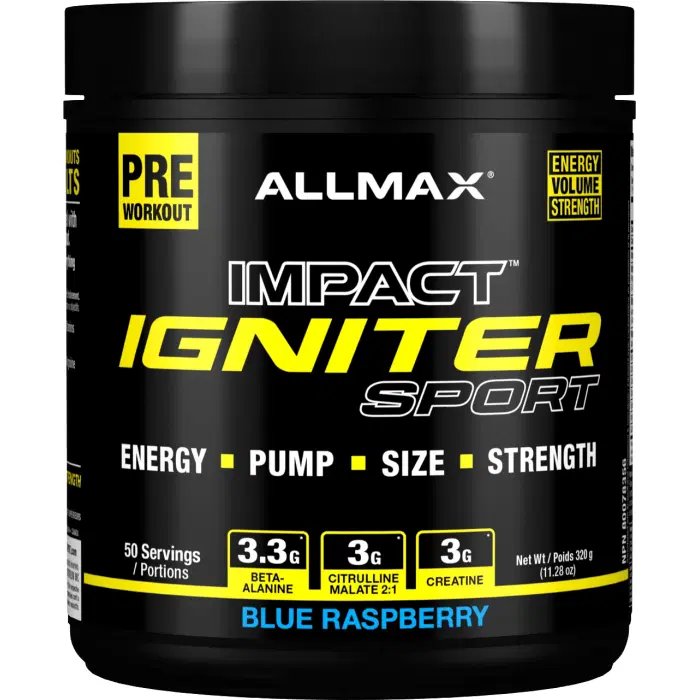
- For overall support: Many "pre-workout" formulas combine caffeine and guarana with other ingredients like beta-alanine, citrulline malate, and creatine. They offer a combined effect to improve various aspects of performance.
Always read labels carefully to be aware of the caffeine amount (whether from pure caffeine or guarana) per serving and the total intake throughout the day. At Sport Zona Academy, we offer a wide range of proven products for €.
Is combining caffeine and guarana safe?
Caffeine and guarana are powerful tools for enhancing athletic performance, and the key lies in their sensible use.
If you have any doubts or pre-existing conditions, always consult with a doctor or a qualified nutritionist before incorporating new supplements into your regimen.
🔬 Expert Note from Sport Zona
For 12 years, I've observed that most local athletes need a quick start and a sharp increase in focus. I primarily use guarana in pre-workout products where it acts synergistically with other ingredients. Caffeine, on the other hand, is my go-to for rapid revitalization.
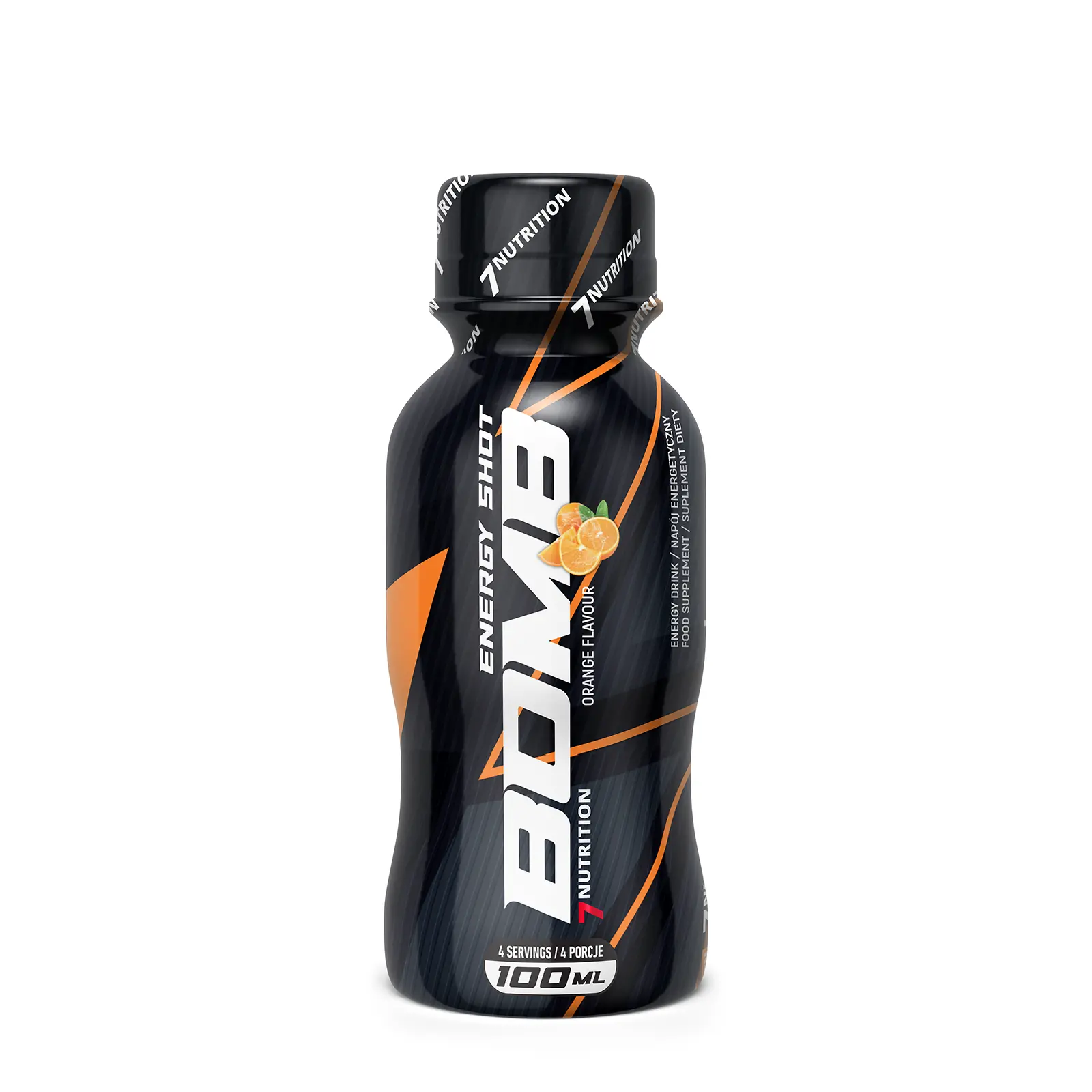
Recommended products
Frequently asked questions
Can Caffeine and Guarana be taken together?
Yes, they can be taken together, as guarana also contains caffeine, but also other xanthines like theobromine and theophylline. The combination can provide both a quick energy boost and a more prolonged effect, but care should be taken with the total caffeine dose taken to avoid side effects.
Which is better for beginners?
For beginners, it is recommended to start with lower doses of caffeine, for example 100-200 mg, to assess individual tolerance. Guarana, due to its smoother effect, can also be a good choice, but again, start with small doses. Always consult a doctor or dietitian before changing your regimen.
When is it best to take them?
Caffeine is best taken 30-60 minutes before training or competition for a quick effect. Guarana, which acts longer, can be taken 60-90 minutes in advance, especially for longer physical exertion. Avoid taking stimulants late in the evening so as not to disrupt your sleep.
Are there side effects?
Yes, both caffeine and guarana can have side effects, especially at high doses. These include nervousness, insomnia, palpitations, digestive disorders, headaches, and increased blood pressure. It is important to follow the recommended doses and assess individual tolerance.
What is the dosage?
The recommended dose of caffeine for improving athletic performance is 3-6 mg/kg body weight, taken 30-60 minutes before exertion. For guarana, which typically contains 1-8% caffeine, doses vary. Common doses are 200-800 mg of guarana extract, which equates to a caffeine dose equivalent to 50-100 mg. Always read product labels.