Butter vs. Margarine: The Evolution of Fats and the Battle for Arteries
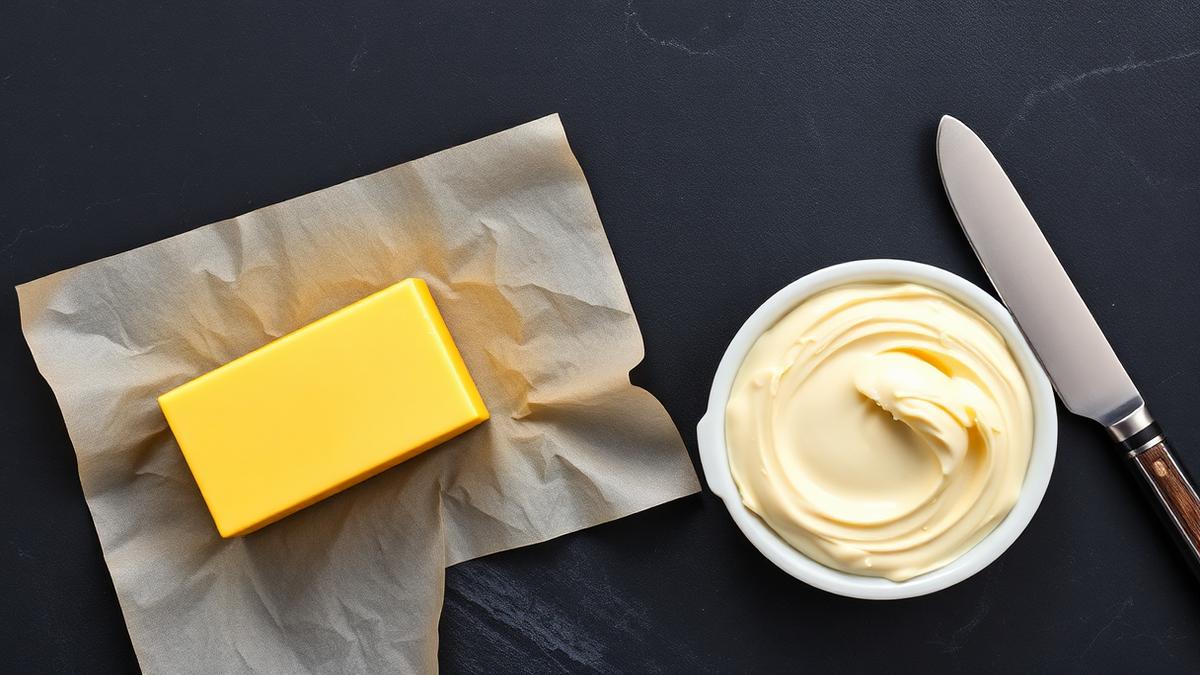
For a long time, the debate was simple: butter is natural, and margarine is plastic. In 2026, science looks much deeper - at the molecular structure of fats, LDL receptors, and the degree of processing.
Beyond Trans Fats: How Processing and Origin Dictate Health
This comparison presents us with the choice between "Natural Saturated Concentrate" and "Technologically Optimized Vegetable Fat". In the body's systemic architecture, butter acts as a stable but heavy energy resource with high hormonal value, while margarine is a product of engineering biotechnology aimed at minimizing cardiovascular risk.
🏋️ From SportZone Practice
When creating nutrition plans, the question "butter or margarine" is one of the most frequent. Our approach is pragmatic: for clients without cardiovascular risks, we recommend a small amount of quality butter for flavor, combined with an olive oil-rich diet. For those with a family history – switching to non-hydrogenated margarine with minimal emulsifiers.
📊 Comparative Matrix: Fatty Acid and Systemic Profile
| Characteristic | Cow's Butter (82%) | Modern Soft Margarine |
|---|---|---|
| Primary Source | Dairy Fat (Animal) | Vegetable Oils (Rapeseed, Sunflower) |
| Saturated Fats | High (~50–60%) | Low (~10–20%) |
| Unsaturated Fats | Low | High (Omega-3 & Omega-6) |
| Trans Fats | 2–5% (Natural – VA) | <1% (Modern Formulas) |
| Vitamins | Natural A, D, E, K2 | Added (Fortification) |
| Processing Level | Minimal | High (Emulsification, Interesterification) |
📚 What Science Says
💬 Simply Put: Imagine fats are like different types of fuel for a car. This section explains how their different components affect the engine (the body) and its overall performance.
A meta-analysis from the Journal of the American Heart Association (2024) confirms that replacing saturated with unsaturated fats reduces LDL cholesterol by 10–15%. Simultaneously, studies in Gut Microbiome (2025) raise questions about the impact of emulsifiers in margarine on the gut barrier.
🧬 In-depth Analysis of Mechanisms
1. The Cholesterol Effect: LDL vs. HDL
The fats in these products "program" the liver differently.
💬 Simply Put: This section is like taking apart a watch to see how each gear affects its movement. Here, it explains how fats act at the cellular level in the body.
- Butter (Saturated Fats): Saturated fats (especially lauric and myristic acid) suppress the activity of LDL receptors in the liver. The result is that less "bad" cholesterol is cleared from the blood, leading to plaque buildup.
- Margarine (Unsaturated Fats): Modern margarines, based on liquid oils, activate these receptors and help remove LDL particles from circulation more effectively.
2. The Ultra-Processing Problem
Although healthier for the heart on paper, margarine is an industrial product with a complex composition.
- Emulsifiers and Microbiome: Margarine requires complex emulsifiers (polysorbate 80, carrageenan) for stability. New research suggests that excessive intake of certain emulsifiers can disrupt the protective mucus layer of the intestines and cause mild chronic inflammation.
- Butter as a Whole Food: Butter contains Butyrate (butyric acid) – a short-chain fatty acid that is the primary fuel for colonocytes (colon cells) and has potent anti-inflammatory properties.
🛡️ The Hidden Factor: Vitamin K2 and CLA
- Vitamin K2 in Butter: Grass-fed butter is one of the few food sources of vitamin K2. It directs calcium to the bones and prevents it from depositing in the arteries. This paradoxically can protect the heart, despite the presence of cholesterol.
- Conjugated Linoleic Acid (CLA): Grass-fed butter contains CLA – a fatty acid linked to improved body composition and insulin sensitivity.
- Interesterification in Margarine: Today, instead of hydrogenation (which created dangerous trans fats), the process of interesterification is used. It is safer, but still under investigation regarding long-term metabolic effects on insulin sensitivity.
🛠️ Practical Selection Algorithm
🧈 Choose COW'S BUTTER if:
- Your goal is minimal consumption of processed foods and a clean nutritional profile.
- You cook at moderate temperatures (butter has a lower smoke point than some vegetable oils).
- You need natural fat-soluble vitamins (A, D, K2) and butyrate for the gut.
- Your consumption is highly limited (a small amount for flavor).
🥄 Choose SOFT MARGARINE if:
- You have a family history of high cholesterol or cardiovascular disease.
- You need to reduce total saturated fat intake as prescribed by a doctor.
- You are looking for a cheaper and easier-to-spread alternative for daily use.
- Important: Always look for a "0% trans fats" or "non-hydrogenated" label and check the ingredient list for minimal additives.
🧭 The "Lipid Guard" Protocol (2026)
How to balance fat intake without extremes:
💬 Simply Put: Imagine that besides the main ingredients, there are also secret spices that change the taste of the dish. This section looks at lesser-known but important compounds in fats.
- For direct consumption: If your health allows, a small amount of quality butter (grass-fed) is better due to the lack of additives and the presence of K2.
- For large quantities: If a recipe requires a lot of fat, replace some of the butter/margarine with extra virgin olive oil. This is the only fat that science has no disputes about.
- The Golden Test: Look at the margarine label. If the ingredient list looks like a chemistry experiment (over 5–6 ingredients), put it back on the shelf.
🔬 Expert Note
Be careful with Ghee (clarified butter). It is almost 100% saturated fat. Although stable for high-temperature cooking (smoke point ~250°C), it is extremely caloric and should be used sparingly by people with high LDL. Its advantage is that it contains no casein or lactose – an option for people with intolerance.
With this article, you now understand that the battle between butter and margarine is a matter of choosing between naturalness and functional cardioprotection. In both cases, moderation and product quality are more important than the choice itself.
🎯 Choose the right product for your goal:
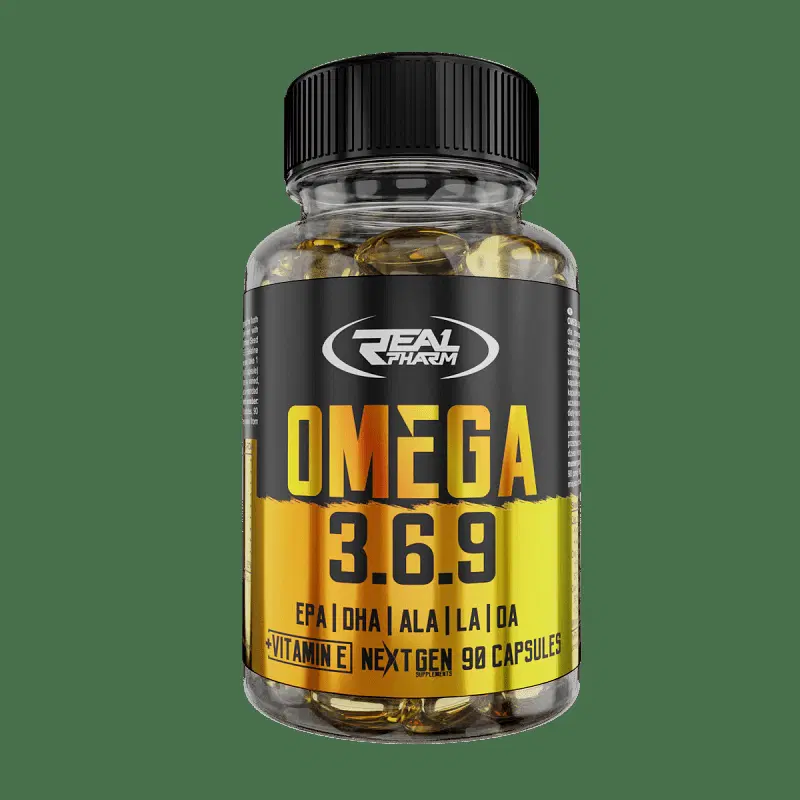
→ Omega-3 Fatty Acids
→ Proteins
→ Isotonic Drinks
⚡ Combined Protocol for Maximum Effectiveness:
💡 Combining products increases effectiveness. According to SportZone practice data.
Recommended products
Frequently asked questions
Which is healthier - butter or margarine?
It depends on the context. For people with high LDL cholesterol or cardiovascular risk, modern soft margarine (without trans fats) is a safer choice. For people without these risks, a small amount of quality grass-fed butter is acceptable due to vitamin K2 and butyrate.
Does modern margarine contain trans fats?
Today's margarines use the interesterification process instead of hydrogenation, which eliminates trans fats. Always check the label for "0% trans fat" or "non-hydrogenated" for safety.
What is butyrate and why is it important?
Butyrate (butyric acid) is a short-chain fatty acid that is the primary fuel for colon cells. It has powerful anti-inflammatory properties and supports a healthy gut barrier. Butter is one of the few food sources.
Is ghee (clarified butter) safe?
Ghee is stable for high-temperature cooking, but it is almost 100% saturated fat. People with high LDL should use it sparingly. It does not contain casein and lactose, making it an option for people with lactose intolerance.