Sweet Potatoes vs. White Potatoes: Blood Sugar Myths and Real Nutritional Power
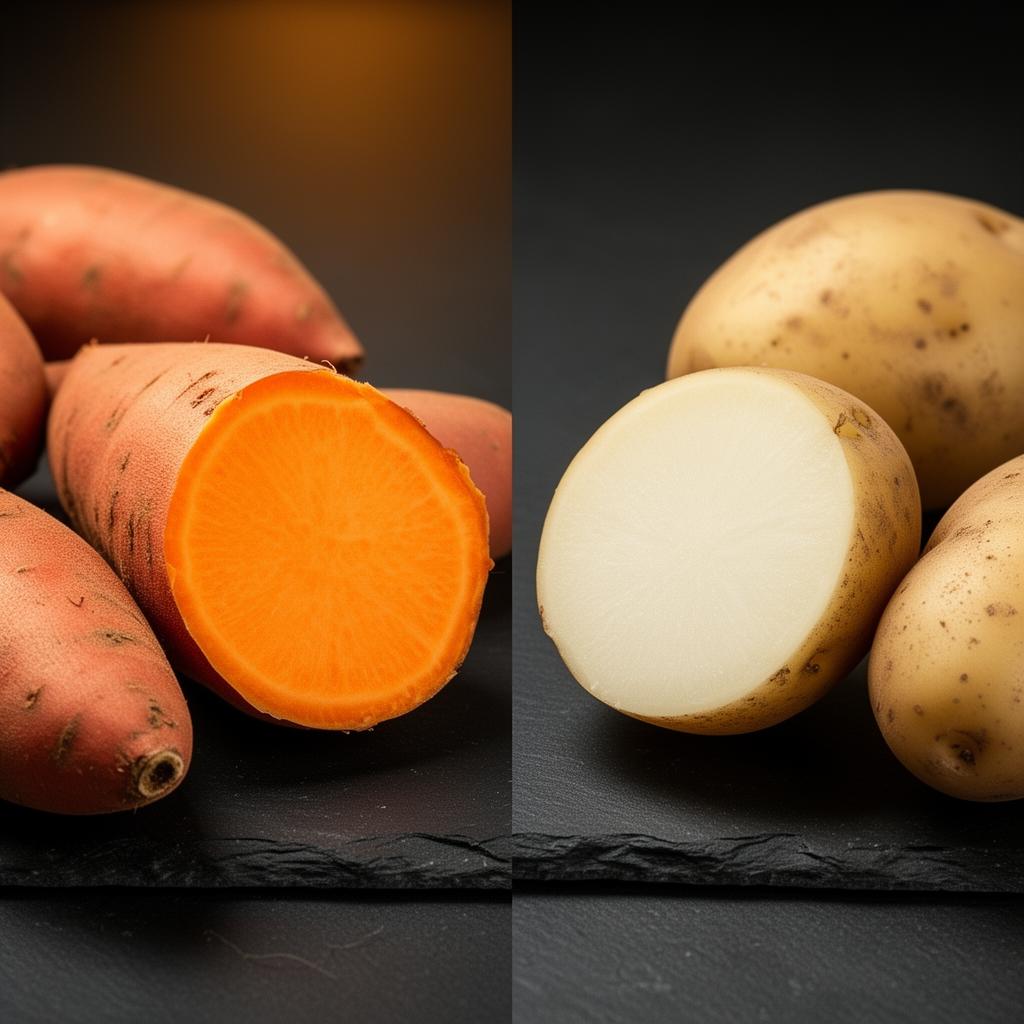
The clash between these two roots is often distorted by marketing labels. The difference is not in which one is "healthier," but in how their specific starch structure reacts to thermal processing and how it affects your insulin sensitivity.
The clash between these two roots is often distorted by marketing labels. The difference is not in which one is "healthier," but in how their specific starch structure reacts to heat treatment and how it affects your insulin sensitivity.
📊 Comparative Matrix: System Analysis (per 100g product)
| Characteristic | Sweet Potato | Regular Potato (White) |
|---|---|---|
| Calories | ~86 kcal | ~77 kcal |
| Glycemic Index (Boiled) | Low (~44) | High (~78) |
| Glycemic Index (Baked) | Very High (~94) | High (~85) |
| Vitamin A (Beta-carotene) | Extremely High | Almost none |
| Potassium | 337 mg | 421–530 mg |
| Resistant Starch | Moderate | High (when cooled) |
🧬 In-depth Analysis of Mechanisms
1. The Glycemic Paradox: Boiling vs. Baking
The notion that sweet potato is always the "slow" carbohydrate is technically inaccurate.
💬 Simply put: This section examines how food affects our body at a cellular level, explaining complex processes as if you were taking apart an engine to see how each part works.
💬 Simply put: Here we will understand why the same potato can affect blood sugar differently depending on whether it is boiled or baked, as if the difference between a slow-burning and a fast-burning fire.
📚 Scientific Sources
- Glycemic index of sweet potatoes as affected by cooking methods - Allen et al., 2012 (DOI: 10.2174/1874256401206010001)
- Resistant starch: promise for improving human health - Birt et al., 2013 (DOI: 10.1093/advances/nmt016)
- Potassium intake, bioavailability, hypertension and glucose control - Stone et al., 2016 (DOI: 10.3390/nu8070444)
- Beta-carotene bioavailability from sweet potatoes - Burri, 2011 (DOI: 10.1016/j.jfca.2010.08.005)
🔬 From SportZone Practice
One of the most common misconceptions we correct with our clients is the belief that sweet potatoes are always the better choice. When we introduced the "Potato Timing" protocol for athletes in pre-competition preparation, we observed significantly better hunger control with chilled white potatoes on rest days – something that surprised many.
Thermal breakdown: Boiling keeps the starch in sweet potatoes more stable. Baking, however, breaks down complex sugars into maltose, which sharply increases their glycemic index.
White potato and insulin: Although it has a higher GI, white potato contains less sugar. Its effect on blood sugar is stronger but shorter, making it an excellent tool for replenishing muscle glycogen after training.
2. The Magic of Resistant Starch (Retrogradation)
White potatoes hide a secret weapon called resistant starch type 3.
💬 Simply put: This section explains how the starch in potatoes can change after cooling, becoming harder to digest, similar to how some foods become firmer and more beneficial when they cool down.
The cooling effect: When you boil a white potato and leave it in the refrigerator for 24 hours, the starch undergoes retrogradation. It turns into a type of fiber that is not absorbed in the small intestine but becomes food for the good bacteria in the large intestine.
Metabolic result: Chilled white potatoes have a 40% lower glycemic index and improve insulin sensitivity – an effect that is less pronounced with sweet potatoes.
🛡️ Micronutrient Battle: Vitamin A vs. Potassium
Sweet Potato (The Defender): The orange color comes from beta-carotene, which the body converts into Vitamin A. This is crucial for immunity, eye health, and skin. One medium sweet potato covers an athlete's daily needs.
White Potato (The Electrolyte Leader): Contrary to popular belief, white potatoes contain more potassium than sweet potatoes and even more than bananas. Potassium is vital for muscle contractions, nerve conduction, and preventing cramps.
Vitamin C: Both types are excellent, often underestimated, sources, supporting collagen synthesis and joint health.
🛠️ Practical Selection Algorithm
🍠 Choose SWEET POTATO if:
- Your goal is stable energy for endurance (when boiled).
- You need high levels of antioxidants to fight inflammation.
- You want a more satiating meal with more fiber.
- Your diet is low in brightly colored vegetables (lack of carotenoids).
🥔 Choose WHITE POTATO if:
- Your goal is maximum recovery immediately after training (fast glycogen).
- You have a sensitive stomach (white potatoes are easier to digest).
- You consume them chilled (in a salad) to support gut flora and a lower GI.
- You are looking for a budget-friendly way to get large amounts of potassium and vitamin C.
👉 Recommended Stack
For optimal carbohydrate timing: boiled sweet potato (200g) with butter 2-3 hours before training for stable energy. After training – baked white potato (250g) for insulin spike and glycogen resynthesis. On rest days – chilled potato salad with vinegar and olive oil.
🧭 The "Potato Timing" Protocol (2026)
For optimal performance, use them in sync with your activity:
Pre-workout (2-3 hours): Boiled sweet potato (with sour cream or butter to slow digestion).
Post-workout (Anabolic Window): Baked white potato (skinless for faster absorption). The insulin spike will help amino acids enter the muscle.
Weight loss days / Rest days: Boiled and then chilled white potatoes (in the form of a salad with vinegar and olive oil). Vinegar further lowers the glycemic response.
⚠️ Expert Note: Always eat the skin of the sweet potato – it contains about ten times more antioxidants than the flesh. For white potatoes, be careful that the skin has no green parts, as they contain solanine (a toxin) that accumulates with improper storage.
🧭 When to Choose Which?
- Choose boiled sweet potato if you want stable energy with a low GI and antioxidant protection from beta-carotene.
- Choose baked white potato if you aim for rapid glycogen resynthesis after intense training.
- Choose chilled white potato if you are in a caloric deficit – resistant starch lowers GI by 40% and feeds the microbiome.
- Avoid baked sweet potato during a diet – its GI jumps to ~94, higher than white bread.
📖 What are sweet and white potatoes?
Sweet potato is a root vegetable rich in beta-carotene (Vitamin A), with a glycemic index highly dependent on the preparation method. White potato is a starchy root vegetable, containing more potassium than bananas, with the unique ability to form resistant starch when cooled.
⚖️ Pros and Cons
| ✅ Pros | ❌ Cons |
|---|---|
|
|
🗣️ Explained Simply
Imagine sweet potato as sunglasses – it protects you from within with antioxidants and provides stable "sunshine" energy. White potato is like a charger – it quickly recharges your battery after training, and if you let it "cool down," it turns into food for the good bacteria in your gut.
🎯 Choose the right product for your goal:
→ Protein bars with carbohydrates
→ Isotonic drinks with complex carbohydrates
→ Vitamins and minerals (chromium, magnesium)
⚡ Combined protocol for maximum efficiency:
💡 Combining products increases effectiveness. According to SportZone practice data.
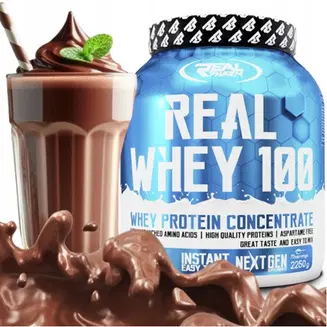
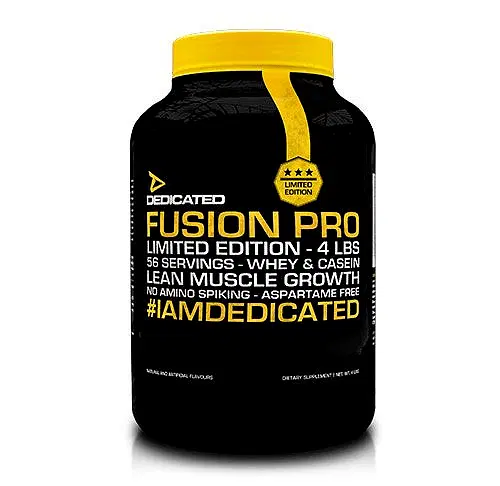
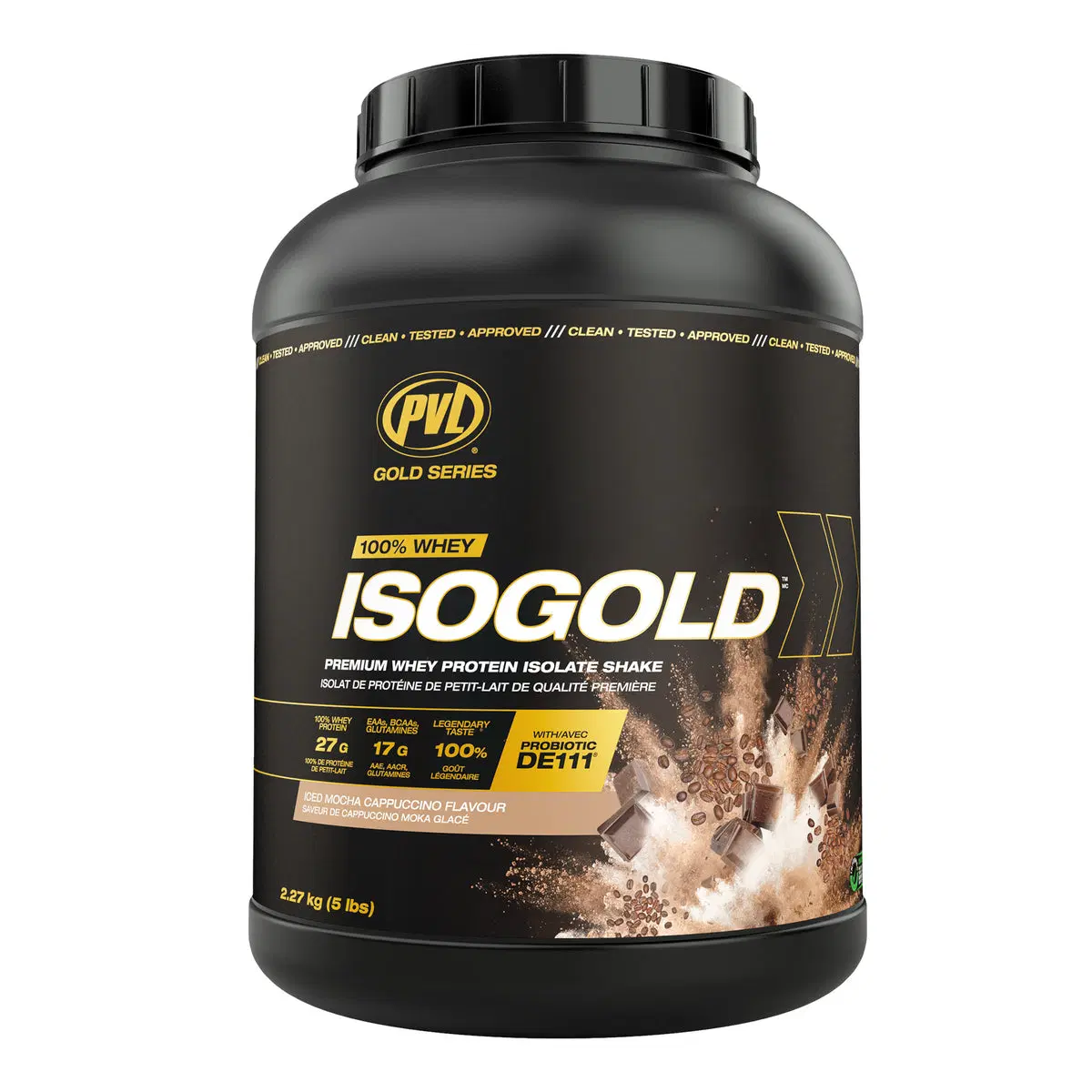
Recommended products
Frequently asked questions
Is it true that sweet potato always has a lower glycemic index than white?
No. Boiled sweet potato actually has a low GI (~44), but baked jumps to ~94, which is higher than white bread. The cooking method is key – boiling preserves the starch, while baking breaks it down into fast sugars.
How does cooling white potato reduce its glycemic index?
When cooled for 24 hours, the starch in white potato undergoes retrogradation – it turns into resistant starch type 3, which is not broken down in the small intestine. This reduces the GI by up to 40% and turns the potato into a prebiotic for the gut flora.
Which of the two potatoes contains more potassium?
White potato contains 421-530 mg of potassium per 100g, which is more than sweet potato (337 mg) and even more than bananas. Potassium is vital for muscle contractions and preventing cramps.
Is it safe to eat the skin of potatoes?
For sweet potato – definitely, the skin contains ten times more antioxidants. For white potato – yes, but avoid green areas, which contain solanine (a toxin) that accumulates when exposed to light.