Whey Protein vs. Matrix Protein: Peak Speed vs. Metabolic Endurance

Optimizing amino acid flow for 24-hour anabolism. The choice between pure whey and a blend is not just a matter of price, but of managing your "nitrogen balance." While whey triggers an anabolic peak, a blend maintains a plateau, protecting muscles from breakdown during periods without food.
Short Answer: Whey protein is the "anabolic trigger" with an instant leucine peak and mTOR activation for 30–60 minutes, while matrix protein is the "drip system" with multi-stage absorption up to 7 hours thanks to casein and egg albumin. The combination: Whey post-workout, Blend for breakfast and before bed.
What is absorption dynamics?
Absorption dynamics represent a comparison of the characteristics of pure whey (isolate/concentrate) and a protein blend (multi-source), including biological speed, anabolic window, insulin response, hunger impact, texture, and key component.

| Characteristic | Pure Whey (Isolate/Concentrate) | Protein Blend (Multi-Source) |
|---|---|---|
| Biological Speed | Fast (30–60 min) | Multi-stage (1–7 hours) |
| Anabolic Window | Suitable for post-workout | Suitable for daytime and sleep |
| Insulin Response | High (stimulates growth) | Moderate and stable |
| Hunger Impact | Low (stomach empties quickly) | High (better satiety) |
| Texture | Thinner and watery (Isolate) | Thick, creamy, and satiating |
| Key Component | High content of Leucine | Often contains Casein and Egg Albumin |
How do Whey and Matrix Protein work?
1. Whey Protein: The "Anabolic Trigger"
Whey protein is a fast-digesting protein that sharply increases blood amino acid concentration immediately after consumption.
For a broader perspective, check out the complete guide to sports supplements — over 270 expert-verified articles by Petar Mitkov and the Sport Zona team.
Simply put: This section is like comparing how quickly a car accelerates (whey protein) versus how long it can maintain high speed on one tank (matrix protein).
Scientific Sources
- Boirie, Y., et al. (1997). "Slow and fast dietary proteins modulate postprandial muscle protein accretion." PNAS, 94(26), 14930-14935. (PubMed: 9405680)
- Devries, M. C., & Phillips, S. M. (2015). "Supplemental protein in support of muscle mass and health: advantage whey." Journal of Food Science, 80(S1), A8-A16. (DOI: 10.1111/1750-3841.12802)
- Reitelseder, S., et al. (2011). "Whey and casein provide different amino acid kinetic and substantially affect whole-body protein metabolism." American Journal of Physiology-Endocrinology and Metabolism, 301(5), E872-E884. (DOI: 10.1152/ajpendo.00392.2010)
- Kim, H. K., et al. (2018). "Effect of different protein blend ratios on postprandial amino acid concentrations in healthy young men." Food Science & Nutrition, 6(8), 2297-2305. (DOI: 10.1002/fsn3.784)
We see that many people don't realize the differences between fast-acting whey protein and blends. A common mistake is to use only whey protein throughout the day, when a blend would provide better satiety and a steady supply of amino acids. For maximum results, the key is smart combination based on your schedule and goals.
Leucine Peak: It is the richest source of leucine. This instant surge activates the mTOR pathway, signaling the cell to begin repair.
Hydrolysates and Isolates: These forms pass through the stomach with minimal digestion, making them invaluable in the critical window after intense exertion.
2. Protein Blend: The Body's "Drip System"
Blends are designed to mimic natural food intake, where proteins are broken down at different rates.
Combined Effect: They typically contain whey (for a start), egg albumin (medium speed), and casein (slow speed).
Anti-Catabolic Protection: The casein component in blends forms a "gel" in the stomach, releasing amino acids for up to 7 hours. This prevents catabolism (muscle breakdown) during sleep or long work hours.
Is the higher price for whey protein worth it over matrix protein?
Nutrient economics represent the ratio between the price and quality of a product, especially when it comes to protein blends, which are often chosen for their lower price but also offer specific advantages.
Bioavailability: Combining different sources (e.g., Whey and soy, or pea and rice) often leads to a more complete amino acid profile that is closer to the body's needs.
Digestive Enzymes: Quality blends often include protease and lactase to compensate for longer stomach residence time.
When to choose Whey Protein?
Choosing whey protein (isolate/hydrolysate) is recommended when the goal is rapid protein absorption for maximum post-workout recovery or as a quick source of amino acids.
- You train with very high intensity and need immediate recovery.
- You are in an extreme cutting phase and every calorie counts.
- You have a sensitive stomach and prefer light, "watery" shakes.
🔵 Choose a PROTEIN BLEND if:
- You use protein as a meal replacement.
- You are looking for a pre-sleep protein to fuel muscles overnight.
- You don't have time for regular meals every 3-4 hours.
- You want the best taste and texture (blends are much tastier with water).
Recommended Stack
For complete recovery and growth, try: 30g whey isolate immediately after training for a rapid anabolic response, followed by 30g casein or matrix protein before bed for sustained anti-catabolic protection.
What is the Synergy Protocol (2026)?
The Synergy Protocol (2026) is a preliminary supplement intake plan, starting with breakfast at 08:00 AM, including a blend for a stable start to the day and satiety.
18:00 (Immediately Post-Workout): Whey isolate – for lightning-fast muscle repair.
22:00 (Before Bed): Blend (with casein) – for overnight muscle tissue protection.
🤖 Expert Note: Always read the blend's label. Look for products where the first ingredient is Whey Isolate or Concentrate, not cheaper plant-based fillers. A good blend is about smart timing, not just a price compromise.
🧭 When to choose which?
- Choose whey protein if your goal is maximum rapid recovery after intense workouts and the need for a quick amino acid supply.
- Choose matrix protein if you are looking for sustained amino acid release throughout the day or night to support muscle growth and prevent catabolism.
- Combine both if you want to ensure both immediate and sustained protein supply, maximizing recovery and muscle growth in different phases.
📖 What are Whey Protein and Matrix Protein?
Whey protein is a fast-digesting milk protein, suitable for direct consumption after training due to its high concentration of amino acids that stimulate muscle growth. Matrix protein (often a blend of several protein sources like whey, casein, egg, and plant proteins) provides a gradual release of amino acids into the body, supporting sustained muscle nutrition and recovery.
⚖ Pros and Cons
| Pros | Cons |
|---|---|
|
|
🗣 Simply Explained
Whey protein is like a fast sprinter – it gives you energy right when you need it, for example, after a workout. Matrix protein, on the other hand, is like a marathon runner – it releases energy slowly and continuously, keeping your body nourished throughout the day. If you're looking for quick recovery, whey is for you. If you want to be energized for a long time, choose matrix.
Choose the right product for your goal:
→ Whey Protein
→ Matrix Protein
Combined protocol for maximum effectiveness:
Combining products increases effectiveness. According to Sport Zona practice.
⚖ When to choose Whey Protein
- The athlete trains with high intensity and needs immediate recovery after exertion.
- Maximum rapid amino acid supply is needed to stimulate muscle growth.
- There is a need for protein intake in the critical window immediately after strenuous exercise.
- The athlete is in a calorie deficit and every calorie counts for recovery.
⚖ When to choose Matrix Protein
- The athlete seeks sustained amino acid release throughout the day or night.
- Protein is needed as a meal replacement, providing good satiety.
- Wants to prevent catabolism (muscle breakdown) during sleep or long periods without food.
- Does not have time for regular meals every 3-4 hours and wants a constant protein supply.
Expert Note from Sport Zona
From our experience with Bulgarian athletes, I notice that the combination of whey protein post-workout and matrix protein before bed yields the best results for muscle growth and recovery. Whey is excellent for rapid loading, while the matrix provides amino acids throughout the night. By implementing this, I see a significant difference in the progress of the people we work with.
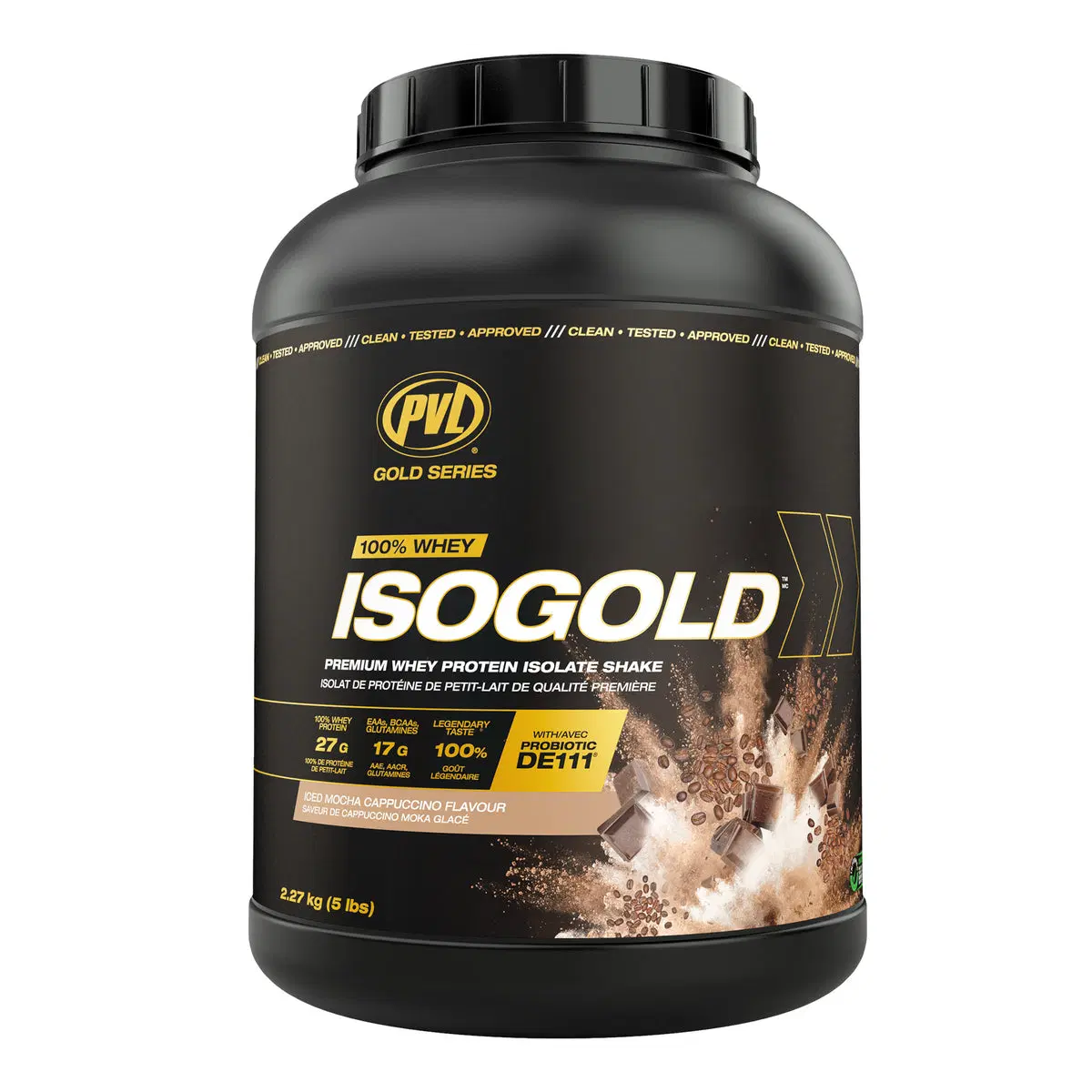
Recommended products

Frequently asked questions
Can whey protein and protein blend be combined?
Yes, you can combine whey protein and protein blend. Use whey immediately after training for a quick anabolic effect, and the blend throughout the day or before bed to support muscle maintenance.
Which protein is better for beginners?
For beginners just starting with supplementation, pure whey protein (isolate or concentrate) is often a good choice due to its fast absorption and targeted post-workout effect.
When is the best time to take whey protein?
Whey protein is most effective within 30-60 minutes after training when muscles have the greatest anabolic potential. Protein blend is more suitable for intake between meals or before bed.
Are there any side effects from taking these proteins?
Most people experience no side effects with moderate intake. If you have lactose intolerance, isolate (with less lactose) or casein blends might be a more suitable option.