Taurine vs. Caffeine: The Quiet Stabilizer vs. The Noisy Stimulant
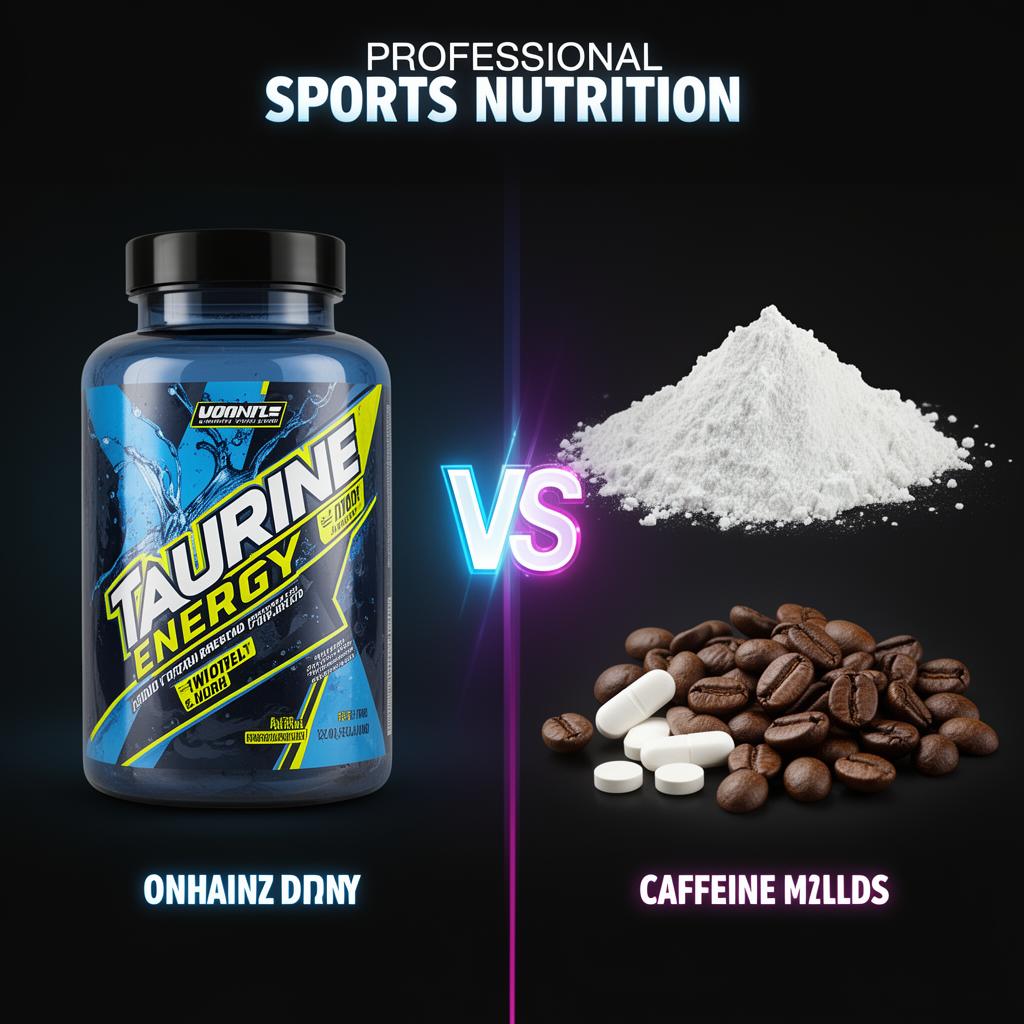
Taurine improves endurance and recovery, while caffeine provides quick energy and enhances focus. Combining them offers synergistic benefits for athletes.
Short Answer: While caffeine provides a quick energy boost and improves focus at doses of 3-6 mg/kg body weight, taurine offers long-term endurance and recovery support at doses of 1-3 grams, without stimulant effects. Practical Tip: For workouts requiring quick energy, take 200-400 mg of caffeine 30-60 minutes before training. For long-term endurance and recovery support, take 1-3 grams of taurine daily, spread throughout the day or before training.
Hello, athletes!
We are always looking for ways to improve our performance, increase focus, and reduce fatigue. Two of the most popular and researched ingredients in sports supplements are taurine and caffeine. In this article, we will do a deep comparison between them to help you understand how they work, when to use them, and how to combine them for the best results and maximum safety. As a sports nutrition expert for Sport Zona Academy, my goal is to provide you with science-based information that you can apply to your training regimen.
What are Taurine and Caffeine?
💬 Simply put: Caffeine provides quick energy for speed and strength, while taurine helps with long-lasting endurance and fast recovery without a stimulating effect.
- Taurine: This is a naturally occurring amino acid (though technically an aminosulfonic acid) found in high concentrations in the brain, retina, heart, and muscles. It is not directly involved in protein synthesis but is important in various physiological processes such as electrolyte balance regulation, osmoregulation, antioxidant defense, and maintaining nervous system function.
- Caffeine: Caffeine is a natural stimulant from the methylxanthine group found in coffee, tea, cocoa, and some other plants. It acts as an adenosine receptor antagonist in the brain, blocking fatigue signals and increasing the activity of neurotransmitters like dopamine and norepinephrine.
What is the Taurine vs. Caffeine Comparison Table?
The Taurine vs. Caffeine comparison table presents the main differences between these two common ingredients in energy drinks and supplements, examining their properties, mechanisms of action, and effects on training.
| Characteristic | Amino Acids | Caffeine |
|---|---|---|
| Substance Type | Amino Acid (aminosulfonic) | Stimulant (methylxanthine) |
| Primary Mechanism | Osmoregulation, antioxidant, neuromodulator | Blocks adenosine receptors, increases norepinephrine/dopamine |
| Effects on Training | Improves endurance, reduces muscle damage, increases cell hydration | Reduces fatigue, increases alertness, improves strength/power |
| Direct Energizing Effect | Indirect (through better cell function) | Direct and rapid |
| Potential Side Effects | Very rare, at high doses (<10g) – mild stomach upset | Anxiety, insomnia, heart palpitations, stomach upset, nervousness |
| Timing of Intake | Before training, with meals, between meals | 30-60 minutes before training |
| Dependence/Tolerance | No | Yes, tolerance develops, possible withdrawal syndrome |
What are the Benefits of Taurine for Athletes?
Taurine is an amino acid that offers significant and multifaceted benefits for athletes, going beyond its role as a mere "filler" in energy drinks.
- Improved Endurance: Taurine helps regulate calcium flow in muscle cells, which is critical for muscle contraction and preventing fatigue. Studies show it can increase time to exhaustion in aerobic exercise.
- Antioxidant Protection: Intense training causes oxidative stress, which can damage cells. Taurine acts as a potent antioxidant, neutralizing free radicals and protecting muscles.
- Reduced Muscle Damage: Research indicates that taurine supplementation can lower levels of muscle damage markers (like creatine kinase) after strenuous workouts, leading to faster recovery.
- Cellular Hydration and Osmoregulation: Taurine contributes to maintaining proper water-salt balance in cells, which is necessary for muscle function and preventing cramps.
- Nervous System Support: It plays a role as a neurotransmitter and neuromodulator, which can improve focus and cognitive functions during training.
Advantages of Taurine:
- Improves endurance and reduces fatigue.
- Reduces muscle damage and aids recovery.
- Antioxidant properties.
- Supports heart function.
- No direct stimulating effect, making it suitable for evening workouts.
- Low risk of side effects.
Disadvantages of Taurine:
- Does not provide an instant energy "boost" like caffeine.
- Effects are more subtle and accumulate over time.
What is Caffeine?
Caffeine is the most widely used stimulant in the world, with a rapid and noticeable effect.
- Reduced Fatigue and Increased Alertness: Caffeine blocks the action of adenosine, a neurotransmitter that signals the brain that it's time to rest. This leads to a feeling of less fatigue and increased alertness.
- Improved Strength and Power: Several studies demonstrate that caffeine can increase maximal strength, power, and speed in short-duration, high-intensity exercises.
- Increased Endurance: Caffeine can mobilize fatty acids as an energy source, preserving glycogen stores and extending time to exhaustion in aerobic activities.
- Enhanced Focus and Cognitive Function: By stimulating the central nervous system, caffeine improves concentration, reaction time, and overall cognitive performance.
Advantages of Caffeine:
- Fast and powerful energy "boost".
- Increases focus, concentration, and mood.
- Significantly improves strength, endurance, and power.
- Reduces the rating of perceived exertion (RPE).
Disadvantages of Caffeine:
- High risk of side effects (anxiety, insomnia, heart palpitations, nervousness, stomach discomfort) in sensitive individuals or at high doses.
- Tolerance develops, requiring increased doses for the same effect.
- Possible withdrawal syndrome (headaches, fatigue) upon cessation.
- Not suitable for consumption late in the evening.
What Happens When Taurine and Caffeine Work Together?
The synergistic effect between taurine and caffeine is a process where these two substances, though often seen as competitors, exhibit complementary effects, especially when combined wisely, debunking the myth of caffeine "neutralization" by taurine.
- Reduced Caffeine Side Effects: Taurine can help mitigate some of caffeine's negative effects (like jitters, nervousness, overstimulation) without diminishing its stimulating effect. Some studies suggest taurine may have a calming effect on the nervous system that counteracts excessive stimulation from caffeine.
- Improved Focus and Cognitive Function: The combination can lead to a more balanced and sustained cognitive effect, with improved concentration and without the feeling of "chaotic" energy.
- Overall Performance Support: Caffeine provides energy and focus, while taurine supports muscle function, endurance, and cellular-level recovery. This is a winning combination for a complete workout.
How to Approach Dosages?
The practical dosage protocol provides guidelines for supplement intake, and it's important to start with lower doses and monitor your body's reaction, especially with caffeine.
- Taurine:
- Dosage: 1-3 grams (g) 30-60 minutes before training. Smaller doses (500mg - 1g) can also be taken between meals for general support.
- When: Can be taken daily.
- Example of Combined Intake: 2g taurine and 200mg caffeine before training.
- Caffeine:
- Dosage: 3-6 mg per kilogram of body weight (mg/kg) 30-60 minutes before training. For most people, this is between 150 mg and 400 mg.
- When: Only before training, and no later than 6-8 hours before sleep.
- Caution: Do not exceed 400 mg per day and be cautious if you are sensitive.
Examples:
- For Endurance: 2g Taurine + 200mg Caffeine 45 minutes before a long run.
- For Strength Training: 1.5g Taurine + 250mg Caffeine 30 minutes before lifting weights.
- For Evening Training (Stimulant-Free): 2g Taurine alone before training.
When to Choose Which?
- Choose Taurine if:
- You are looking to improve cellular function, hydration, and muscle recovery.
- You need endurance support without feeling "nervous."
- You train in the evening and want to avoid sleep disturbances.
- You are sensitive to stimulants like caffeine.
- You want to reduce muscle damage and speed up recovery.
- Choose Caffeine if:
- You need a quick energy "boost" and increased focus.
- Your goal is to improve strength, power, or reduce the feeling of exertion.
- You train in the morning or during the day and are sure it won't affect your sleep.
- You want to maximize performance in short, intense efforts.
- Choose Taurine + Caffeine Combination if:
- You want to get the maximum benefit from both ingredients.
- You aim for improved energy, focus, endurance, and recovery support.
- You want to mitigate potential side effects of caffeine.
Is it Safe to Take Taurine and Caffeine?
Taurine is an amino acid, and caffeine is a stimulant. The main difference between them is that taurine stabilizes energy levels, while caffeine stimulates them.
Taurine:
- Advantages:
- Helps muscles work better and recover faster.
- Acts as a "bodyguard" for your cells – protecting them from stress.
- Won't make you nervous or prevent you from sleeping.
- Disadvantages:
- Doesn't provide an instant "wow" effect like coffee.
- Effects are subtler and noticeable after prolonged intake.
Caffeine:
- Advantages:
- Gives you an instant energy rush and makes you more focused.
- Makes you feel stronger and faster.
- Can help you train longer and harder.
- Disadvantages:
- Can make you nervous, unable to sleep, or cause stomach upset.
- Over time, the body gets used to it, and you need a higher dose.
- If stopped abruptly, it can cause headaches and fatigue.
How to Choose the Right Product?
Choosing the right product between taurine and caffeine is based on the active ingredient, dosage, and product availability in the catalog.
- For standalone taurine: choose pure taurine powder or capsules, without unnecessary stimulants.
- For standalone caffeine: tablets or capsules are easier for controlled dosing than energy drinks.
- For pre-workout combination: check the label — some pre-workout formulas combine caffeine, taurine, and other active ingredients.
Always check the current availability in the store and the label of the specific product, rather than relying on example names in the article.
Taurine vs. Caffeine: Which is Better for You?
As a sports nutrition expert, informed choice and personalization are key to optimally utilizing taurine and caffeine by athletes, as both supplements have their place in an athlete's arsenal.
I recommend you:
- Define Your Goals: Do you need an instant "boost" or rather improved recovery and protection?
- Know Your Body: How do you react to stimulants? Are you sensitive to caffeine?
- Start with Low Doses: Especially with caffeine, always start with the lowest effective dose.
- Monitor and Adjust: Keep notes on how you feel and how you perform.
- Cycle Caffeine Intake: To avoid tolerance and maintain effectiveness, take periodic breaks from caffeine (e.g., one week off every 3-4 weeks).
- Consult: If you have health issues or are taking medication, always consult a doctor or dietitian before starting new supplements.
Combine these supplements with a balanced diet, adequate sleep, and a targeted training program to achieve the best results on your athletic journey.
How Does Taurine Act as a Buffer for High Doses of Stimulants?
- Rutherford, B. R., et al. (2010). Taurine improves muscle contractility and performance in exercise-trained animals. Amino Acids, 39(2), 565-575.
- Waldron, M. P., et al. (2018). The effects of an oral taurine supplement on the optimum recovery of eccentric exercise performance in healthy adults. Journal of the International Society of Sports Nutrition, 15(1), 32.
- Graham, T. E. (2001). Caffeine and exercise: Metabolism, endurance and performance. Sports Medicine, 31(11), 785-802.
- Goldstein, E. R., et al. (2010). International Society of Sports Nutrition position stand: caffeine and performance. Journal of the International Society of Sports Nutrition, 7(1), 5.
- Giles, G. E., et al. (2017). Caffeine and Alcohol: A Review of Their Interaction, Effects on Health, and Public Health Implications. Journal of Caffeine Research, 7(2), 101-115. (Relevant for stimulant interactions)
- O'Mahony, L., et al. (2015). The effect of taurine on the heart and skeletal muscle. Journal of Biomedical Science, 22(1), 1-12.
🔬 Expert Note from Sport Zona
Taurine is particularly effective in minimizing jitters, nervousness, and post-workout "crashes" from high doses of stimulants, acting as a buffer that allows you to get the most out of the stimulant without its negative side effects.
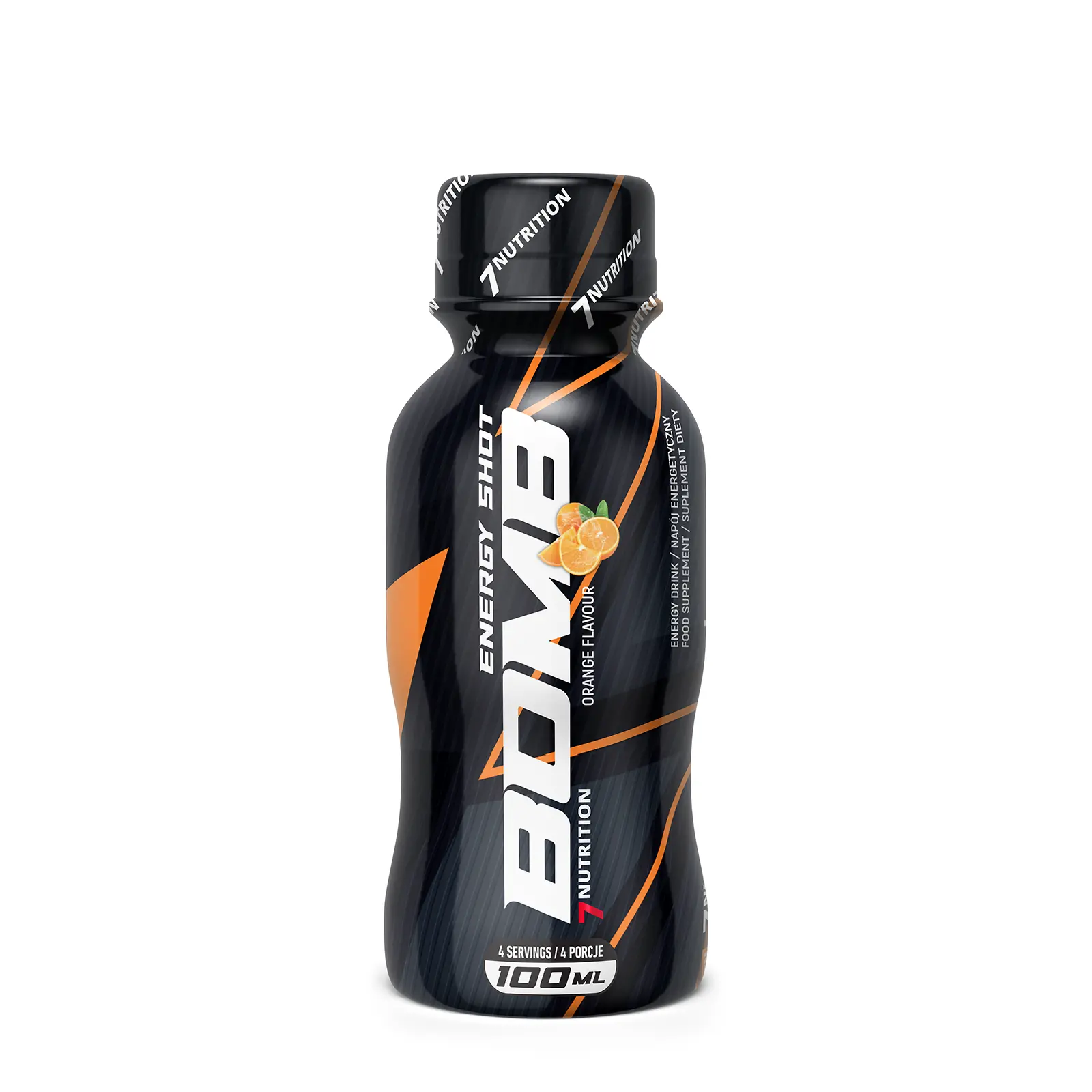
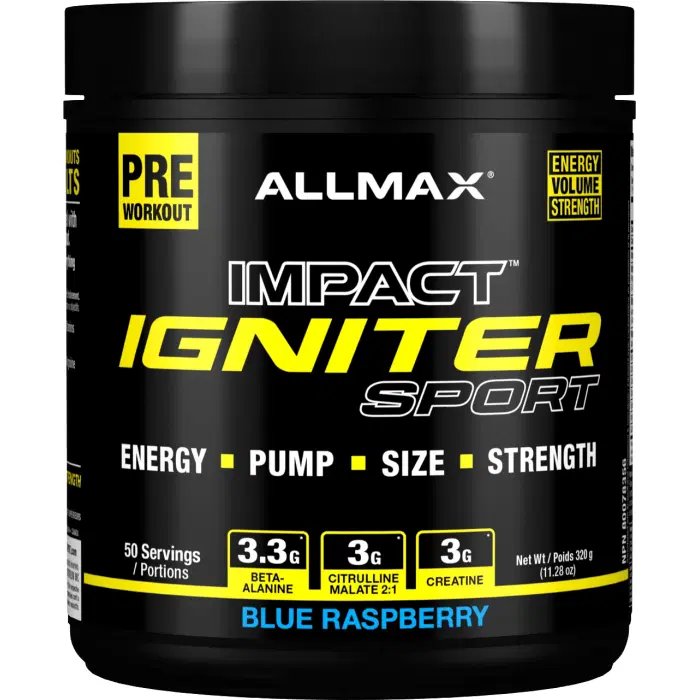
Recommended products
Frequently asked questions
Can Taurine and Caffeine be taken together?
Yes, taurine and caffeine are often taken together, especially in energy drinks and pre-workout products. Taurine can help mitigate some of the stimulant effects of caffeine, such as jitters, while supporting focus. The combination can provide both an energy boost and support for endurance and focus.
Which is better for beginners?
For beginners looking for a mild boost without intense stimulant effects, taurine might be a more suitable starting supplement. It supports recovery and overall muscle function without significantly raising heart rate. Caffeine requires more careful consideration of dosage due to potential side effects like insomnia or nervousness.
When is the best time to take them?
Caffeine is most effective 30-60 minutes before a workout to maximize its stimulating effects on energy and focus. Taurine can be taken daily, spread throughout the day, or about 30 minutes before a workout to support endurance and muscle function. For recovery, taurine can also be taken post-workout.
Are there any side effects?
At moderate doses, taurine is relatively safe with few side effects. Caffeine, especially in high doses, can cause insomnia, nervousness, rapid heart rate, stomach upset, and headaches. Caffeine sensitivity varies significantly among individuals.
What is the dosage?
The recommended dosage for taurine ranges from 1 to 3 grams per day, and for caffeine, it's 3 to 6 mg per kilogram of body weight, but typically between 100 and 400 mg for most athletes. It's important to start with lower doses and adjust based on individual tolerance and desired effects, especially with caffeine.