Zinc vs. Vitamin D: The Immune Shield vs. The Sun Activator

Zinc and Vitamin D support the immune system, recovery, and strength. The article explains the two substances, when to choose which, how to combine them, and what doses to take.
Short Answer: Zinc is a mineral critical for over 300 enzymatic reactions, immune function, and protein synthesis. Vitamin D functions as a hormone, regulating calcium metabolism, bone density, and testosterone levels. Practical advice: Take 2000-5000 IU of Vitamin D3 daily with a fat-rich meal, and 15-30 mg of elemental zinc (picolinate or bisglycinate) in the evening on an empty stomach for optimal absorption and results.
Zinc and Vitamin D are important for anyone who trains. Their roles in the body differ, but I often recommend them together to support the immune system. Effective recovery, strength, and overall health depend on understanding how each one works. Many athletes take them without a clear strategy, which reduces the benefits.
Vitamin D leads the major systems and sets the overall structure. Zinc provides the tools for each specific task. Without Vitamin D, direction is lacking, and without Zinc, nothing happens.
In this article, I explain how the two micronutrients work, when to choose which, how to combine them for maximum effect, and what dosages are needed for the best results.
This article is part of the Expert Hub for Supplements — over 270 expertly reviewed articles by Petar Mitkov and the Sport Zona team.
What is the comparison matrix for zinc and vitamin D?
The comparison matrix for zinc and vitamin D is a systematic analysis of the two nutrients, evaluating them based on criteria such as biological status, primary focus, mechanism of action, time horizon, benefits for athletes, and risk.
| Criterion | Zinc | Vitamin D |
|---|---|---|
| Biological Status | Essential Mineral | Fat-soluble Vitamin (Prohormone) |
| Primary Focus | Enzymatic Function and Protein Synthesis | Gene Expression and Calcium Metabolism |
| Mechanism of Action | Cofactor for over 300 enzymes | Binds to VDR receptor and alters gene transcription |
| Time Horizon | Rapid (hours to days) | Slow accumulation (weeks to months) |
| Benefits for Athletes | Testosterone support, recovery, healthy skin | Bone density, immune modulation, reduced risk of injuries |
| Risk with Supplementation | May interfere with copper absorption at high doses | Toxicity (hypercalcemia) at very high doses |
What are the mechanisms of action of Zinc and Vitamin D?
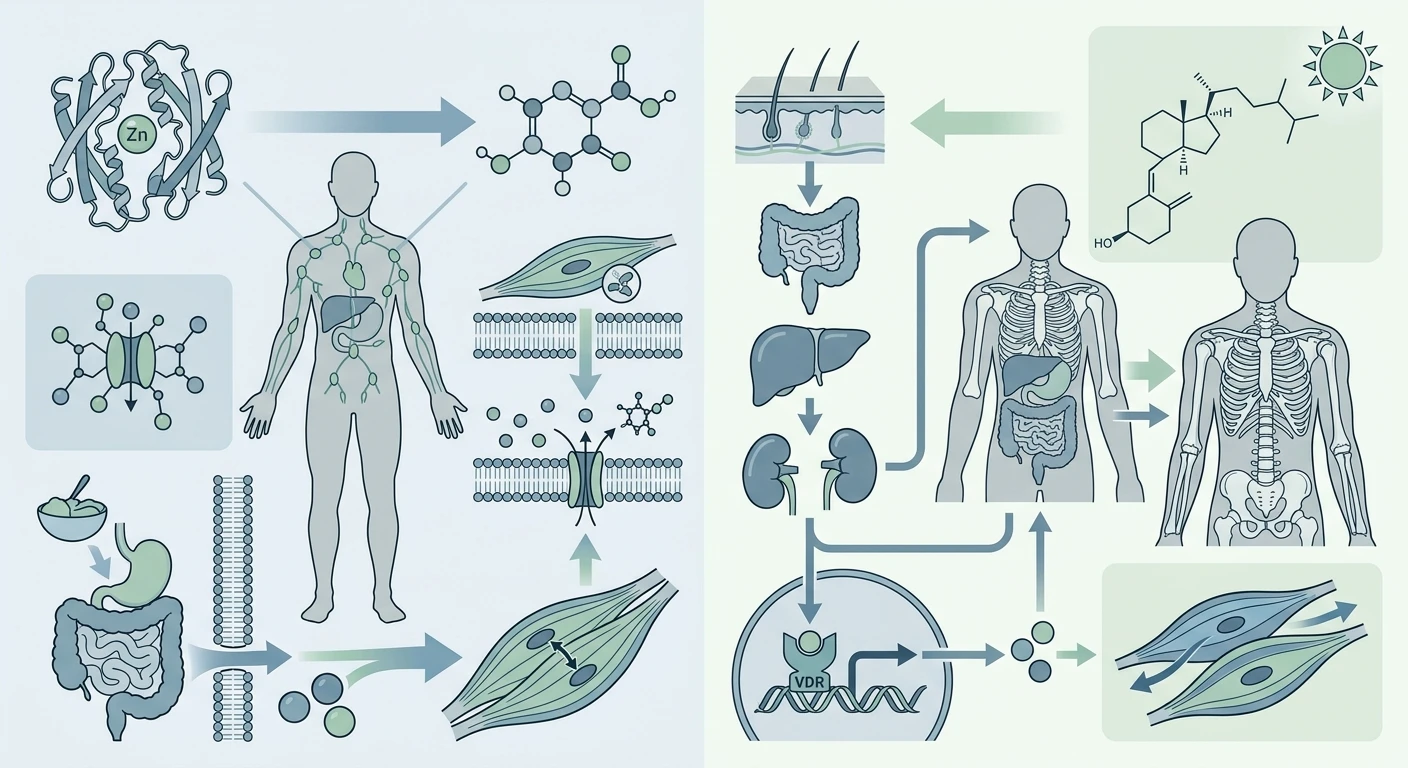
1. Zinc: Enzymatic Engine and Hormonal Regulator
Zinc is an essential trace element that the body does not produce and therefore must be obtained through food or supplements. It acts as a cofactor – a structural or catalytic element in over 300 enzymes responsible for almost every bodily function.
- Protein Synthesis: Zinc is key for the enzymes that build new muscle fibers. Without sufficient zinc, recovery and muscle mass gain after intense training are impaired.
- Hormonal Support: Zinc is involved in testosterone production. It aids in the conversion of cholesterol to testosterone and can influence luteinizing hormone (LH), which signals the testes to produce more.
- Immune Function: The mineral is necessary for the development and function of immune cells such as T-lymphocytes and natural killer cells. Zinc deficiency leads to a weakened immune response.
Simply put: Zinc is a universal key that initiates hundreds of biochemical processes in the body. Without it, functions like muscle growth and hormone production do not start effectively.
2. Vitamin D: Systemic Regulator at the Gene Level
Vitamin D, known as the "sunshine vitamin," acts more like a Steroid Hormone than a typical vitamin. After being synthesized in the skin under the influence of UVB rays or taken as a supplement, it is converted into its active form, calcitriol. Its mechanism of action is different from that of zinc:
- Gene Expression: Calcitriol binds to a specific receptor (Vitamin D Receptor, VDR), which is located in the nucleus of almost every cell in the body. This VDR-calcitiol complex acts as a "transcription factor" – it attaches to DNA and "turns on" or "turns off" specific genes. It regulates over 200 genes.
- Calcium Metabolism: Its most well-known role is to increase the absorption of calcium and phosphorus in the intestines. This is critical for bone mineralization and density – essential for preventing stress fractures in athletes.
- Immune Modulation: Vitamin D doesn't just "boost" immunity; it "modulates" it. It helps the innate immune system respond quickly to pathogens while suppressing the overreaction of the adaptive immune system. This keeps inflammation in check and is important for autoimmune conditions.
Simply put: Vitamin D is a "software engineer" that enters your cells' operating system and installs new instructions. It doesn't do the work itself but tells the cell how to function more effectively.
Scientific Sources
- Role of Vitamin D in Athletes and Their Performance: Current Concepts and New Trends, 2018
- Zinc - Linus Pauling Institute, Oregon State University
- Vitamin D - Fact Sheet for Health Professionals, National Institutes of Health (NIH)
- Zinc is an Antioxidant and Anti-Inflammatory Agent: Its Role in Human Health, 2017
- Scientific Opinion on the substantiation of a health claim related to vitamin D and contribution to the normal function of the immune system, EFSA Journal, 2014
The synergistic effect: How do they work better together?
The relationship between zinc and vitamin D is an example of biochemical synergy. Vitamin D cannot perform its functions properly without sufficient zinc. The vitamin D receptor (VDR), which is key to its action, contains "zinc fingers" – structural motifs in the protein. These require zinc ions to bind correctly to DNA. Without zinc, the vitamin D receptor is ineffective.
This means you might have adequate vitamin D levels, but with a zinc deficiency, the benefits of vitamin D are reduced. Their combined intake, especially during the autumn-winter season, provides the "plan" (Vitamin D) and the "tools" (Zinc) for a healthy immune system and good hormonal balance.
Which should I choose between zinc and vitamin D?
The choice between zinc, vitamin D, or their combination is an individual decision based on specific health goals, personal lifestyle, and the current season.
Choose ZINC if:
- You experience symptoms of low testosterone (low libido, lack of energy).
- You notice slow wound healing or acne.
- You eat a predominantly plant-based diet (phytates in it hinder zinc absorption).
- You need to quickly boost your immunity at the first signs of a cold.
🔵 Choose VITAMIN D if:
- You live in a region with little sun, especially in autumn and winter.
- You have a family history of osteoporosis or are prone to bone injuries.
- You suffer from frequent mood swings or seasonal depression.
- You are looking for long-term immune system modulation and prevention of autoimmune conditions.
Recommended Stack for Overall Support
For maximum results and synergistic effect, combine the two supplements. This is important for athletes during periods of intense training and in the colder months. The typical protocol is:
- Vitamin D3: 2000-4000 IU daily, taken with a meal containing fat.
- Zinc (Picolinate or Bisglycinate): 15-30 mg daily, taken in the evening on an empty stomach to avoid competition with other minerals.
What is the 2026 Protocol: "Foundation and Performance Stack"?
The 2026 Protocol: "Foundation and Performance Stack" is an effective supplementation method based on the latest data on athletes' needs.
- 📅 Daily Foundation (Year-round):
- Vitamin D3: 3000 IU. Taken in the morning with breakfast (should contain fat for better absorption). It is recommended to combine it with Vitamin K2 (MK-7) for proper calcium direction to the bones.
- Post-Workout / Evening Stack:
- Zinc (Picolinate): 20-25 mg. Taken at least 2 hours after the last meal, before bedtime. This supports recovery processes and hormonal synthesis during the night.
Expert Note
Almost every athlete who doesn't take Vitamin D during winter shows deficient or suboptimal levels in blood tests. Vitamin D supplementation is the first thing I recommend testing and taking. Zinc is my choice for clients who complain of frequent colds or an unexplained drop in strength and libido. I always consider Vitamin D as a mandatory foundation and zinc as a powerful amplifier when needed.
🧭 When to choose which?
- Choose Zinc if your primary goal is direct support of hormonal balance (testosterone), rapid skin recovery, and immune response at the first signs of illness.
- Choose Vitamin D if you are looking for long-term, systemic support for bone density, prevention of seasonal illnesses, and mood regulation, especially in the absence of sunlight.
- Combine both for the best results, especially if you are a serious athlete. Their synergy is important for overall health and performance.
📖 What are Zinc and Vitamin D?
Zinc: An essential mineral that acts as a cofactor in hundreds of enzymatic reactions vital for protein synthesis, cell division, and immune function.
Vitamin D: A fat-soluble prohormone that the body can synthesize from sunlight. It regulates gene expression, calcium metabolism, and modulates the immune system.
What are the pros and cons of zinc and vitamin D?
Zinc offers rapid action and direct effect on hormones but can cause stomach discomfort, while high doses interfere with copper absorption. Vitamin D has broad-spectrum effects and is important for bones and immunity, but it accumulates slowly and carries a risk of toxicity with megadoses.
| Pros | Cons |
|---|---|
| Zinc: Rapid action, direct effect on hormones, easy to dose. | Zinc: Can cause stomach discomfort, high doses interfere with copper absorption. |
| Vitamin D: Broad-spectrum action, important for bones, long-term immune benefits. | Vitamin D: Slow accumulation, risk of toxicity with megadoses, absorption depends on fats. |
How do zinc and vitamin D differ?
Zinc acts as an immune shield that strengthens the body's defenses, while vitamin D is considered a solar activator, playing a key role in bone health and immune system regulation.
| Criterion | Zinc | Vitamin D |
|---|---|---|
| Metaphor | Craftsman with tools | Architect with plans |
| Type of Action | Executor | Manager |
| Speed | Rapid response | Long-term strategy |
| How it helps? | "Repairs" and "builds" | "Leads" and "regulates" |
You need both: a good plan (Vitamin D) and a good executor (Zinc) to maintain a strong and healthy body.
Which to choose: Zinc or Vitamin D?
- For immunity and general health: Explore our curated vitamins and minerals.
- For hormonal balance and recovery: Explore our specialized energy and testosterone products.
- For bone and joint density: Products for joints and bones often include combined ingredients.
Combined Protocol for Maximum Effect:
- Morning (with food): Vitamin D3 + K2 for systemic regulation.
- Pre-workout: Energy booster from the pre-workout category.
- Evening (on an empty stomach): Zinc picolinate for overnight recovery and hormonal synthesis.
⚖ When to choose ZINC
- You want to support testosterone levels.
- You need a rapid immune response.
- You have skin issues like acne or slow healing.
- Your diet is low in meat and high in grains/legumes.
⚖ When to choose VITAMIN D
- You live in northern latitudes and it's winter.
- You work in an office and spend little time outdoors.
- You want to strengthen your bone density.
- You are looking for long-term immune modulation and mood support.
Expert Note from Sport Zona
Vitamin D is a mandatory foundation for health and good immunity in Bulgaria from October to April due to widespread deficiency, and Zinc is a powerful amplifier recommended for frequent colds or unexplained drops in strength and libido.
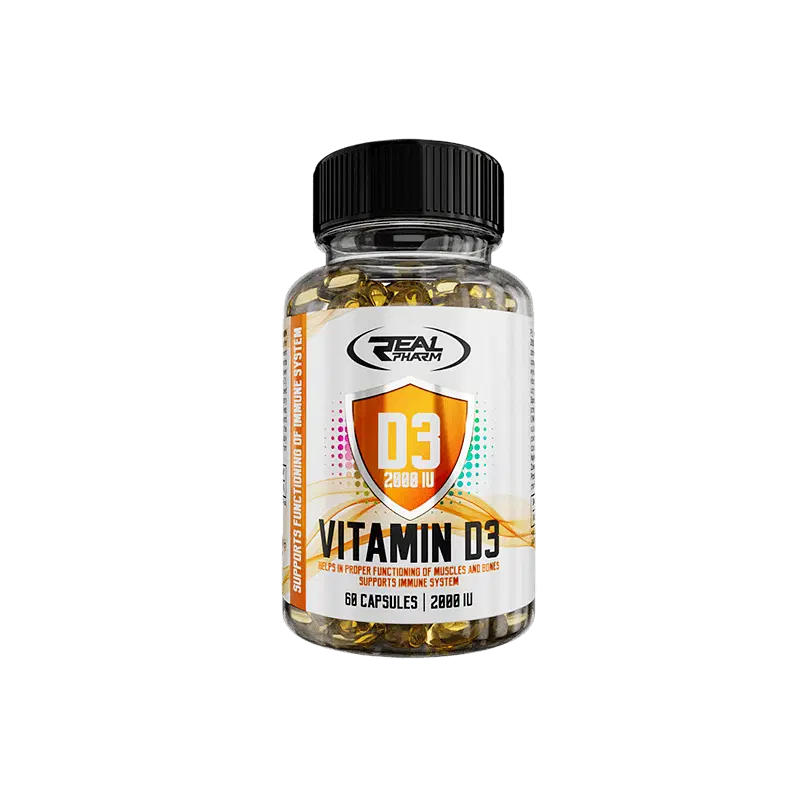
Recommended products
Frequently asked questions
Can Zinc and Vitamin D be taken together?
Yes, they can be taken together and there are no direct negative interactions. However, for optimal absorption, it is better to take them at different times. Vitamin D is best absorbed with food containing fat (e.g., at lunch), and zinc on an empty stomach to avoid competition with minerals like calcium and iron from food (e.g., in the evening before bed).
Which is better for beginners - Zinc or Vitamin D?
Both nutrients are fundamental. However, Vitamin D deficiency is extremely common, especially in Bulgaria during the autumn-winter period. For this reason, for most beginners, correcting Vitamin D levels is the first priority. After that, attention can be paid to adequate zinc intake.
When is the best time to take Zinc and Vitamin D?
The best time to take Vitamin D is during or immediately after your largest meal of the day that contains fat. For most people, this is lunch. The best time to take zinc is in the evening, about 30-60 minutes before sleep and at least 2 hours after your last meal.
Are there side effects from taking Zinc or Vitamin D?
Yes, if recommended doses are exceeded. Excessive intake of zinc (over 50-60 mg daily for a long period) can lead to stomach discomfort and interfere with copper absorption. Vitamin D toxicity is very rare but possible with extremely high doses (over 10,000 IU daily for months) and leads to hypercalcemia (dangerously high blood calcium levels).
What is the recommended dosage of Zinc and Vitamin D?
For active athletes, the recommended dose of Vitamin D3 is between 2000 and 5000 IU daily, depending on baseline blood levels. For zinc, the recommended dose is between 15 and 30 mg of elemental zinc daily from a quality form such as zinc picolinate or bisglycinate.