Zinc vs. Vitamin D (for Testosterone): Hormone Producer vs. Testosterone Booster

Zinc participates in testosterone synthesis, and Vitamin D regulates the process. Both are important for maintaining hormonal balance.
Short answer: Vitamin D directly regulates testosterone production genes and can increase levels by up to 25% in cases of deficiency. Zinc is a key "building material" and enzyme cofactor, especially important for active athletes and those with poor nutrition. Practical advice: Start with 2000-4000 IU of Vitamin D3 daily (with food) and 15-30 mg of elemental Zinc (on an empty stomach, in the evening). It is best for intake to be based on blood tests.
Maintaining good testosterone levels is crucial for anyone who trains seriously. This hormone directly affects strength, muscle mass, recovery, and motivation. When looking for natural ways to maintain these levels, zinc and vitamin D often come to the forefront. And while we mention them together, they act through different mechanisms that, however, complement each other.
Many athletes mistakenly believe they can replace one supplement with another. This is not true. Zinc is a fundamental element for testosterone production – without it, the process is difficult. Vitamin D is more of a regulator that signals the start of the entire process. It does not directly participate in synthesis, but without its command, production will not start appropriately.
Here we will examine zinc and vitamin D in detail to understand how they work, when one element is more important than the other, and how to combine them for maximum effect on hormonal balance.
This article is part of the expert hub for food supplements — over 270 expertly verified articles by Petar Mitkov and the Sport Zona team.
What is the systemic difference between Zinc and Vitamin D?
Zinc is an essential mineral, and Vitamin D is a fat-soluble prohormone, which determines their different biological statuses and mechanisms of action in the body.
| Criterion | Zinc | Vitamin D |
|---|---|---|
| Biological Status | Essential Mineral | Fat-soluble Prohormone |
| Primary Mechanism | Cofactor for enzymes in steroidogenesis | Regulation of gene expression via the VDR receptor |
| Speed of Action | Relatively fast (weeks), in case of deficiency | Slower and cumulative (months) |
| Type of Effect | Corrective (returns levels to normal) | Enhancing (improves systemic capacity) |
| Primary Goal | Provides "raw material" for production | Sends the signal to start production |
| Most Effective For | Athletes who sweat a lot, or with an unbalanced diet | People with little sun exposure |
What is the mechanism of action of zinc?
Understanding how zinc and vitamin D work helps you use them correctly. Both supplements support testosterone, but their pathways of action are different.1. Zinc: Direct Enzyme Driver
Zinc acts as a cofactor for over 300 enzymes in the body, some of which are directly related to testosterone synthesis and directly participate in the physical biochemical process without sending signals.
- Luteinizing Hormone (LH) Production: The pituitary gland needs zinc to effectively produce luteinizing hormone. This hormone stimulates the testes (Leydig cells) to produce testosterone. With low zinc levels, the LH signal is weaker.
- Enzymatic Conversions: Zinc is necessary for the enzymes that convert cholesterol and other precursors into testosterone. Without enough zinc, this process slows down.
- Aromatase Inhibition: Zinc helps regulate the enzyme aromatase, which converts testosterone into estrogen. Zinc deficiency can increase aromatase activity, leading to lower levels of free testosterone.
Simply put: Zinc is like the spark plug in an engine. You have fuel, but without the spark, the engine can't run efficiently.
Practical Observation (Zinc)
Athletes who sweat heavily, especially in the summer, often develop mild to moderate zinc deficiency. Supplementing with 15-25 mg of zinc, in forms like picolinate or bisglycinate, often improves immunity and recovery within a few weeks.
2. Vitamin D: Systemic Genetic Regulator
Vitamin D is a powerful prohormone that regulates the expression of hundreds of genes. Its effect on testosterone is strategic and long-term. Here's how it works:
- Gene Expression Activation: Vitamin D binds to its receptor (VDR) in cells. This complex enters the cell nucleus and binds to DNA, activating or deactivating genes. In Leydig cells, it "switches on" the genes responsible for producing the enzymes for testosterone synthesis.
- Increasing Receptor Sensitivity: Sufficient vitamin D levels improve the sensitivity of androgen receptors in muscle cells. This means that available testosterone acts more effectively.
- Reducing SHBG: Some studies suggest that vitamin D may reduce levels of sex hormone-binding globulin (SHBG). SHBG binds to testosterone and makes it inactive. Lower SHBG means more "free" and bioavailable testosterone.
Simply put: Vitamin D is like the general manager of the factory. It's in the control room (cell nucleus), reviewing the blueprints (DNA) and issuing orders to "increase production" throughout the plant (Leydig cells).
Practical Observation (Vitamin D)
In Bulgaria, almost everyone who doesn't take a supplement has suboptimal vitamin D levels between October and April. A dose of 2000-4000 IU daily is almost mandatory. The effect is not immediate, but after 2-3 months, many athletes report better mood, more energy, and better recovery.
Scientific Sources
- Prasad AS, et al. Zinc status and serum testosterone levels of healthy adults. Nutrition, 1996
- Pilz S, et al. Effect of vitamin D supplementation on testosterone levels in men. Horm Metab Res, 2011
- Linus Pauling Institute at Oregon State University: Zinc
- National Institutes of Health, Office of Dietary Supplements: Vitamin D Fact Sheet for Health Professionals
- EFSA Panel on Dietetic Products, Nutrition and Allergies (NDA). Scientific Opinion on Dietary Reference Values for zinc. EFSA Journal, 2014
- Examine.com: Zinc Research Analysis - Testosterone
The synergistic effect: Why do they work better together?
Taking only zinc or only vitamin D is like trying to build a house with only bricks but no plan, or only a plan but no bricks. The real effect is achieved when the two elements work in sync.
Vitamin D gives the genetic "green light" for testosterone production. It tells the cells to prepare and synthesize the necessary enzymes. But if zinc is lacking, these newly synthesized enzymes simply have nothing to work with. The process stops at the operational level.
On the other hand, if you have enough zinc but are severely deficient in vitamin D, your body simply doesn't receive a strong enough signal to produce testosterone. Your "factory" is operating at minimal capacity. The combination of the two provides both the strategic command (vitamin D) and the tactical tools (zinc) for proper production.
What is the selection algorithm?
Choose Zinc if:
- You have a proven deficiency from a blood test.
- You eat primarily a plant-based diet.
- You train hard and sweat a lot, especially in hot weather.
- You are looking for a quick correction of symptoms like weakened immunity or poor skin condition.
🔵 Choose Vitamin D if:
- You live in Bulgaria or another country with less sun in winter.
- You work in an office and spend most of your day indoors.
- You aim for long-term systemic optimization of hormonal balance, not a quick fix.
- You experience symptoms like seasonal depression, muscle weakness, or frequent illnesses.
Recommended Stack for Combined Effect
The recommended selection algorithm is a combination of 20-25 mg of Zinc (picolinate or bisglycinate, taken in the evening) with 2000-4000 IU of Vitamin D3 (taken in the morning with food containing fat). Adding 100 mcg of Vitamin K2 (MK-7) to vitamin D further improves calcium absorption and targeting.
What is the 2026 Protocol: "Foundation and Performance Stack"?
The 2026 Protocol: "Foundation and Performance Stack" represents a simple and effective approach for athletes aiming to maintain a healthy hormonal foundation, based on current scientific understanding.
- Daily (morning with breakfast): Take 3000 IU of Vitamin D3 along with 100 mcg of Vitamin K2 (MK-7). Taking it with food containing fat is essential for vitamin D absorption.
- Daily (evening, 30-60 min. before sleep): Take 25 mg of Zinc (form such as picolinate, bisglycinate, or citrate). Taking it on an empty stomach in the evening improves absorption and avoids competition with other minerals like copper and iron from food.
- Check-up: Once a year, at the end of winter (March/April), get a blood test for 25(OH)D to adjust the vitamin D dose if necessary. Aim for levels between 40-60 ng/mL.
Expert Note: ZMA and Timing Windows
Many athletes take zinc through a ZMA formula (zinc, magnesium, and vitamin B6). This is a good option as magnesium further supports sleep and recovery. It is important not to take zinc/ZMA together with foods rich in calcium (like dairy products), as calcium can interfere with its absorption. Leave at least a 2-hour window between taking ZMA and your last meal containing dairy products.
🧭 When to Choose What? Quick Guide
- Choose Zinc only if: you are sure you are getting enough sun and your vitamin D levels are correct, but your diet is low in zinc or you sweat a lot.
- Choose Vitamin D only if: your diet is rich in zinc (meat, seafood), but you live in a northern country and don't get enough sun exposure.
- Combine both if: you are a serious athlete, live in Bulgaria, and want complete optimization. This is the correct approach in most cases.
📖 What are Zinc and Vitamin D?
Zinc: An essential mineral that the body can neither produce nor store. It is a cofactor for hundreds of enzymatic reactions related to immunity, DNA and protein synthesis, and hormone production. Its deficiency directly affects these processes.
Vitamin D: This is a fat-soluble steroid hormone, not just a vitamin. The body synthesizes it upon exposure to sunlight. Its primary role is to regulate gene expression, influencing calcium metabolism, immune function, and the synthesis of steroid hormones, including testosterone.
⚖ Pros and Cons
| Pros | Cons | |
|---|---|---|
| Zinc | Quickly corrects deficiency, supports immunity and skin, directly involved in synthesis. | No effect if no deficiency. Overdose is toxic and disrupts copper balance. |
| Vitamin D | Systemic effect on the whole body, critical for bones and mood, long-term optimization. | Acts slowly, requires fat for absorption, risk of toxicity at very high doses. |
🗣 Simply Explained: The Key and the Blueprint
If you're still wondering, here's the simplest analogy:
- Zinc is the KEY. It unlocks and activates specific enzymes. Without it, the machine won't start.
- Vitamin D is the BLUEPRINT. It gives instructions to the entire system on what to produce. Without it, the workers don't know what to do.
To build a healthy "testosterone house," you need both the blueprint and the keys to the machines.
Choose the right product for your goal:
- For hormonal foundation: Explore high-quality vitamins and minerals.
- For energy and performance: Check out pre-workout and nitric oxide boosters.
- For muscle recovery: Combine with amino acids and proteins.
Combined protocol for maximum effect:
- Morning: 3000 IU Vitamin D3 with food.
- Pre-workout: A quality pre-workout product for focus and energy.
- Evening before sleep: A ZMA-type formula, containing Zinc and Magnesium.
⚖ When to choose Zinc
- When quick results are needed for deficiency.
- If you get sick often or have skin problems.
- If you sweat heavily during workouts.
- If your diet is low in red meat and seafood.
⚖ When to choose Vitamin D
- When seeking long-term, systemic optimization.
- If you spend little time in the sun (especially in winter).
- If you suffer from seasonal fatigue or mood changes.
- If your goal is overall health improvement, including bones.
Expert Note from Sport Zona
With over 12 years of working with athletes, I notice a recurring mistake: searching for a "magic" testosterone supplement while neglecting the fundamental factors. Zinc and vitamin D are very important and effective, but only if they are part of a comprehensive strategy. Before investing in any supplements, make sure you get enough sleep (7-9 hours) and are not in excessive or prolonged caloric deficit. Chronic stress and lack of sleep will affect your testosterone much faster than any supplement can boost it.
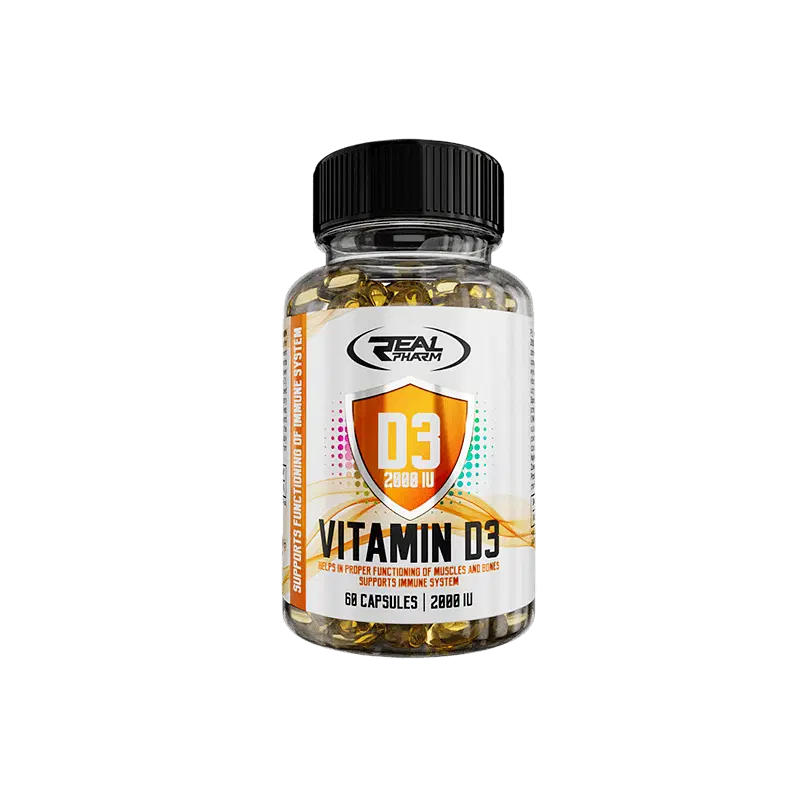
Recommended products
Frequently asked questions
Can Zinc and Vitamin D be taken together?
Yes, absolutely. They act through different mechanisms and do not interfere with each other. Vitamin D is fat-soluble (take it with food), and Zinc is best on an empty stomach (in the evening, away from calcium and iron), so their intake naturally differs. Combining them addresses two different potential deficiencies.
Which is better for beginners - Zinc or Vitamin D?
For most people living in Bulgaria, especially during the autumn-winter season, Vitamin D deficiency is more likely. Therefore, starting with Vitamin D (2000-4000 IU/day) usually has a greater effect. Zinc is a priority for athletes with intensive training or people with restrictive diets.
When is the best time to take Zinc and Vitamin D?
Vitamin D: Take it with breakfast or lunch that contains healthy fats (avocado, nuts, olive oil) to improve its absorption. Zinc: Best in the evening, before bed, on an empty stomach. This improves absorption and avoids potential interaction with minerals like calcium and iron from food.
Are there side effects from taking Zinc or Vitamin D?
Yes, if recommended doses are exceeded. Vitamin D overdose (over 10,000 IU daily for a long period) can lead to toxicity (hypercalcemia). Excessive intake of Zinc (over 40-50 mg of elemental zinc daily) can cause copper deficiency, stomach discomfort, and weaken immune function. Always follow the recommendations.
What is the recommended dosage of Zinc and Vitamin D for testosterone?
For Vitamin D: The recommended dose to maintain optimal levels in adults is between 2000 and 4000 IU (international units) daily, especially during the darker months. For Zinc: An effective dose for athletes is 15 to 30 mg of elemental zinc per day. It is important to look at the amount of "elemental" zinc, not the total weight of the compound.