Zinc Gluconate vs. Zinc Picolinate: Common Source vs. Optimized Absorption

We are comparing zinc gluconate and zinc picolinate. Gluconate is economical for general maintenance, while picolinate is more effective for deficiency, but at a higher cost.
Short answer: The main difference is in absorption — zinc picolinate is absorbed slightly better (around 61%) than gluconate (around 50-58%), although the difference is small. Practical advice: For general health maintenance, choose the more affordable zinc gluconate. If you have gastrointestinal problems, a proven deficiency, or are looking for maximum absorption, invest in zinc picolinate. Take 15-30 mg of elemental zinc daily.
Zinc is an important micronutrient for anyone who trains. It participates in over 300 enzymatic reactions that support testosterone and growth hormone production, immune function, and protein synthesis. For the body to function effectively, adequate zinc levels must be maintained. Deficiency leads to slower recovery, reduced strength, and increased risk of infections.
The market offers many forms of zinc. Zinc gluconate and zinc picolinate are among the most common. The choice between them depends on your goals, physiology, and budget. Gluconate works in most cases and is an economical choice. Picolinate provides maximum effectiveness, but at a higher price.
This article is part of the expert hub for dietary supplements — over 270 expertly verified articles by Petar Mitkov and the Sport Zona team.
Which is better: zinc gluconate or zinc picolinate?
Zinc gluconate is zinc bound to gluconic acid, suitable for mass use and general maintenance of zinc levels, while zinc picolinate is taken for high bioavailability and rapid action through active chelation for easier absorption.
| Criterion | Zinc Gluconate | Zinc Picolinate |
|---|---|---|
| Biological Carrier | Gluconic acid | Picolinic acid (natural chelator) |
| Primary Focus | Mass use, general maintenance | High bioavailability, rapid action |
| Absorption Mechanism | Standard ionic dissociation in the stomach | Active chelation for easier transport across the intestinal wall |
| Time Horizon | Long-term level maintenance | Rapid deficiency correction (4-8 weeks) |
| Price Range | Affordable (€) | Premium (€€) |
| Specific Bonus | Used in lozenges for colds | Preferred for digestive issues (e.g., low acidity) |
How does zinc achieve its absorption?
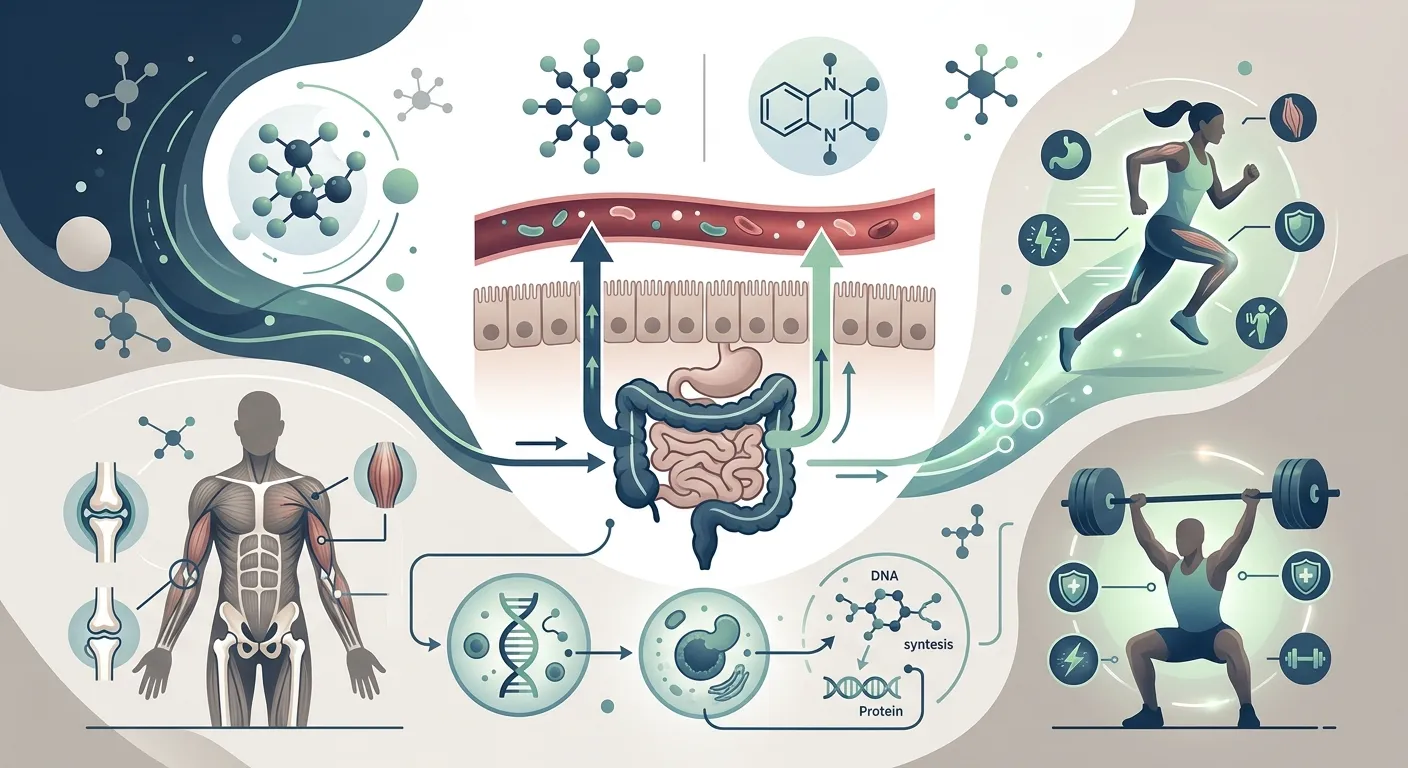
Zinc absorption is a complex process, and the difference lies not in the zinc itself, but in the "vehicle" (chelating agent) it is bound to.
1. Zinc Gluconate: The Workhorse
Zinc gluconate is a zinc salt of gluconic acid. It is widely available and well-researched, often used in supplements and some medications. In the acidic environment of the stomach, the bond breaks, releasing zinc ions (Zn2+). These ions can compete with other minerals like calcium and iron for absorption in the small intestine. They can also bind to phytates (antinutrients in plant-based foods), which hinder absorption.
Gluconate may not be the most bioavailable form, but it is adequate for people who do not have specific health problems and simply want to get their daily dose of zinc. Its effectiveness has been proven in many studies, especially for supporting immune function.
Simply put: Zinc gluconate is a standard, affordable, and reliable form of zinc. It releases zinc in the stomach, where it is absorbed in the usual way, making it good for general maintenance.
2. Zinc Picolinate: The Specialist
Zinc picolinate is zinc bound to picolinic acid – this is the main difference. Picolinic acid is a natural metabolite of the amino acid tryptophan, which our body produces. It acts as a chelator, binding strongly to minerals like zinc, iron, and chromium to form a stable complex.
This chelated complex (zinc-picolinate) is more resistant to the digestive environment. It protects zinc from binding with phytates and transports it to the intestinal wall, where it is absorbed more effectively. A 1987 study published in *Agents and Actions* compared the absorption of zinc from picolinate, citrate, and gluconate and showed higher levels of zinc in the blood and urine after picolinate intake, confirming better absorption.
Scientific Sources
- Barrie, S. A., et al. Comparative absorption of zinc picolinate, zinc citrate and zinc gluconate in humans. Agents Actions, 1987.
- Office of Dietary Supplements - NIH. Zinc: Fact Sheet for Health Professionals.
- Linus Pauling Institute at Oregon State University. Zinc.
- European Food Safety Authority (EFSA). Scientific Opinion on Zinc picolinate as a source of zinc. EFSA Journal, 2009.
- Examine.com. Zinc: An evidence-based analysis of supplementation.
How can zinc gluconate and zinc picolinate be strategically combined?
Strategically combining zinc gluconate and zinc picolinate involves using them as tools for different purposes, as they do not exhibit synergistic enhancement at the biochemical level.
For example, an athlete might use zinc gluconate for daily maintenance for most of the year. When entering a heavy training period, experiencing stomach upset, or suspecting low levels (frequent illnesses, slow recovery), they can switch to zinc picolinate for 4-6 weeks. This approach ensures a rapid and effective increase in zinc stores when the body needs it most, without straining the budget year-round.
How to choose between zinc gluconate and zinc picolinate?
The choice between zinc gluconate and zinc picolinate is a decision that depends on your specific goal, intended budget, and the individual characteristics of your digestive system.
Choose Zinc Gluconate if:
- You are looking for an economical option for long-term daily maintenance.
- You have no known digestive or mineral absorption issues.
- Your goal is general immune strengthening and hormonal balance maintenance.
- You are taking zinc preventatively and have no symptoms of deficiency.
🔵 Choose Zinc Picolinate if:
- You want maximum and rapid absorption.
- You suspect or have a diagnosed zinc deficiency that needs quick correction.
- You suffer from digestive problems such as low stomach acidity, Crohn's disease, or celiac disease.
- Your diet is rich in phytates (vegan, vegetarian), which hinder absorption.
Recommended Strategic Stack
For maximum results and economy, use 15-25 mg of zinc gluconate daily for basic maintenance. During periods of increased physical or mental stress, the first symptoms of a cold, or during intensive training cycles, switch to 30 mg of zinc picolinate for a period of 2 to 4 weeks.
What is the best for the 2026 protocol: "Foundation and Performance Stack"?
The strength athlete protocol for an 85 kg individual represents a sample plan aimed at optimizing recovery and hormonal profile.
- Daily Foundation (off-season): 20 mg zinc gluconate, taken with the evening meal (along with magnesium). This provides stable support for the immune and endocrine systems.
- Preparation Cycle (6-8 weeks before competition): 30 mg zinc picolinate, taken 30-60 minutes before sleep on an empty stomach. This aims for maximum absorption and supports nighttime recovery and anabolic hormone production.
- At the first signs of a cold: Short-term intake of high doses (up to 50 mg daily, divided into 2-3 doses) of zinc picolinate for 3-5 days. The tolerable upper intake level (UL) for adults is 40 mg daily from all sources, so this protocol should be short and consulted with a specialist.
Expert Recommendation for Intake
For maximum absorption, always take zinc separately from supplements containing high doses of iron or calcium. Taking it with food may reduce the risk of stomach discomfort, but taking it on an empty stomach (especially in the evening) can improve absorption, as long as it does not cause nausea.
🧭 When to Choose Which?
- Choose Zinc Gluconate if your priority is long-term, economical maintenance of adequate levels.
- Choose Zinc Picolinate if you need rapid deficiency correction, have absorption issues, or cost is not a primary factor.
- Combine the two strategically – gluconate for year-round foundation and picolinate for intensive periods.
📖 What are Zinc Gluconate and Zinc Picolinate?
Zinc Gluconate: A zinc salt of gluconic acid. It is the most common, affordable, and well-researched form for general use.
Zinc Picolinate: Zinc chelated (bound) to picolinic acid. It is a premium form known for its high bioavailability and effectiveness, especially in individuals with impaired digestion.
⚖ Pros and Cons
| Pros | Cons |
|---|---|
| Zinc Gluconate | |
|
|
| Zinc Picolinate | |
|
|
🗣 Explained Simply
Without getting too deep into biochemistry, the choice is easy with a few simple comparisons.
| Criterion | Zinc Gluconate | Zinc Picolinate |
|---|---|---|
| Metaphor | Standard Key | Master Key |
| Absorption | Good | Excellent |
| Price | Low | High |
| When to use it? | For daily, budget-friendly maintenance. | When results are needed quickly and reliably. |
It's like this: zinc gluconate is a sturdy, standard key that unlocks the cell door in most cases. Zinc picolinate is like a master key – it's specially designed to bypass complex locks (antinutrients, poor stomach environment) and open the door every time, smoothly.
Choose the right product for your goal:
- For general health and immunity: Check out our selection of vitamins and minerals.
- For hormonal support and strength: Browse products in the energy and nitrogen boosters category.
- For metabolism and weight control: Find suitable supplements in the weight loss section.
⚖ When to Choose Zinc Gluconate
- When budget is the leading factor.
- For daily, preventive maintenance.
- If you have healthy digestion.
- As part of a comprehensive multivitamin formula.
⚖ When to Choose Zinc Picolinate
- When you seek rapid results.
- If you suspect a deficiency or malabsorption.
- During heavy training periods.
- If your diet is rich in plant-based foods (phytates).
Expert Note from Sport Zona
From my years of working with athletes, I've noticed that rotation is a very good approach. For the main season, I recommend the more affordable gluconate to maintain stable levels without unnecessary expenses. About 8 weeks before an important competition or during flu season, switching to picolinate provides an extra boost to the immune system and recovery, which can be crucial. The most accurate assessment of your body's needs, however, remains a blood test.
Recommended products
Frequently asked questions
Can Zinc Gluconate and Zinc Picolinate be taken together?
No, there is no point. It is simply taking the same mineral in two different forms. It is better to choose one form according to your goals and budget and adhere to the recommended total daily dose of elemental zinc.
Which is better for beginners - Zinc Gluconate or Zinc Picolinate?
Zinc gluconate is an excellent and economical choice to start with. It is widely available, well-researched, and effective for most people. Picolinate is more of an optimization if you have specific absorption issues or are looking for the highest bioavailability.
When is the best time to take Zinc Gluconate and Zinc Picolinate?
It is best to take them with food to avoid potential stomach discomfort or nausea. Avoid taking them simultaneously with high doses of iron, calcium, or copper supplements, as they compete for absorption. Taking them in the evening may support sleep quality for some individuals.
Are there any side effects from taking Zinc Gluconate or Zinc Picolinate?
The main side effect is stomach upset, especially when taken on an empty stomach or in high doses. Long-term intake of over 40 mg of elemental zinc per day can interfere with copper absorption and lead to copper deficiency. Always adhere to the recommended dosages.
What is the recommended dosage of Zinc Gluconate and Zinc Picolinate?
For active athletes or to correct a deficiency, the usual dose is between 15 mg and 30 mg of *elemental* zinc per day. The tolerable upper intake level for prolonged intake in adults is 40 mg per day from all sources (food and supplements). It is important to check the label for the amount of elemental zinc, not the total weight of the compound (e.g., zinc gluconate).