Vitamin C vs. Iron: The Absorption Accelerator vs. The Oxygen Carrier
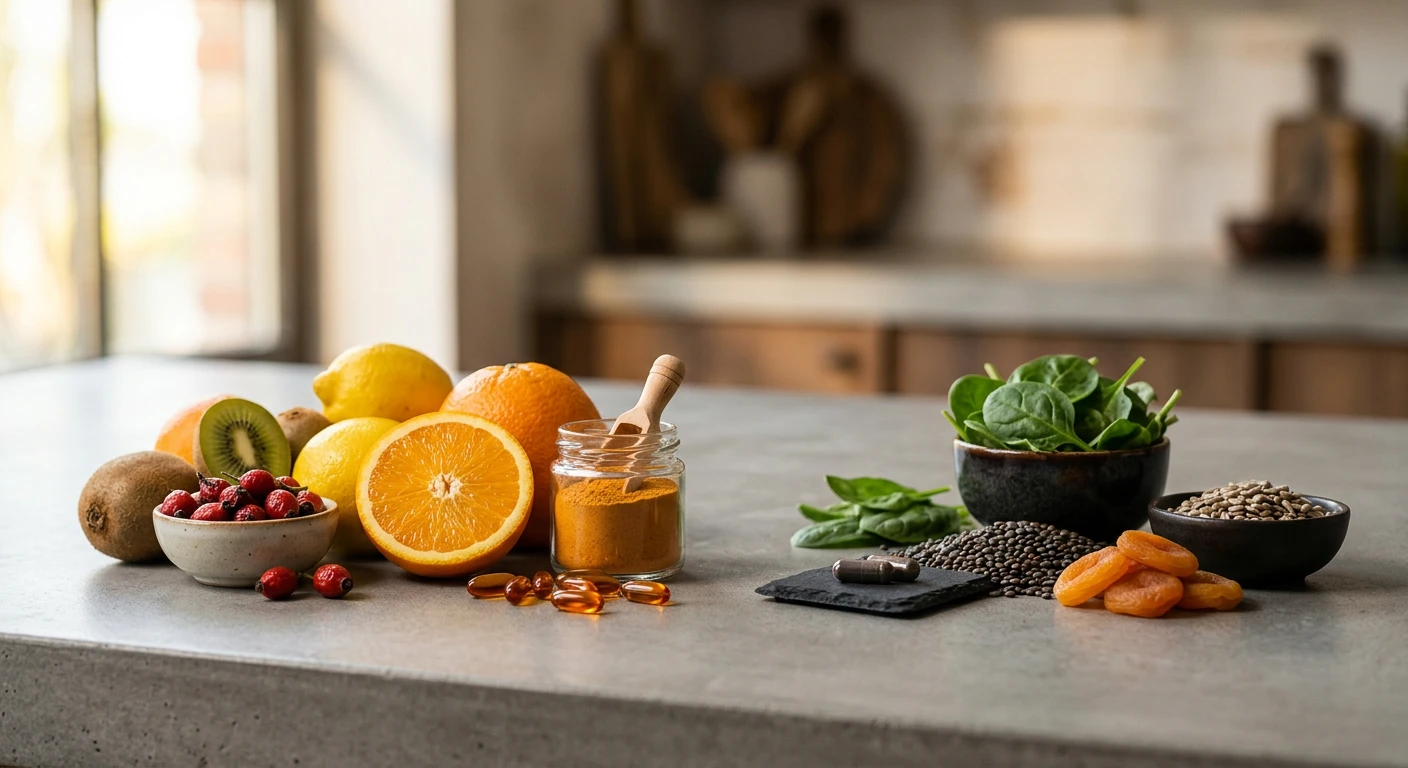
Vitamin C protects cells and aids iron absorption, which is key for oxygen transport. Understand how they work together for energy and endurance.
Short Answer: Vitamin C is an antioxidant, key for immunity and collagen, while iron is essential for oxygen transport and energy production. Their synergy is critical: Vitamin C can increase the absorption of plant-based iron up to 6 times. Practical advice: For athletes at risk of deficiency, take 50-100 mg of elemental iron (like bisglycinate) along with 200-500 mg of Vitamin C on an empty stomach. Avoid simultaneous intake with coffee, tea, or dairy products.
Vitamin C and iron are constantly discussed in sports circles. Both are important for good shape and recovery, but they work in different ways. Many athletes take them together, often without knowing why or how exactly they work.
The body converts food into energy. Iron is key for the production and transport of oxygen to every cell. Without it, these processes stop. Vitamin C keeps cells healthy, protects them from oxidative stress, and helps in the efficient use of iron.
It is important to know how they work individually and even more so – how they interact. This will help you avoid chronic fatigue, increase your endurance, and protect yourself from injuries. Here I will explain when to choose one, when the other, and when the combination is mandatory.
This article is part of the Expert Hub for Nutritional Supplements — over 270 expert-verified articles by Petar Mitkov and the Sport Zona team.
What is the comparative matrix of Vitamin C and Iron?
The comparative matrix of Vitamin C and iron systematically analyzes these two essential nutrients, with Vitamin C being a water-soluble vitamin and a powerful antioxidant that aids absorption, and iron being a mineral critical for oxygen transport and energy metabolism.
| Criterion | Vitamin C | Iron |
|---|---|---|
| Biological Status | Water-soluble vitamin (essential) | Mineral (essential) |
| Main Focus | Antioxidant protection, immunity, collagen | Oxygen transport, energy metabolism |
| Mechanism | Neutralizes free radicals, cofactor in enzymatic reactions | Central atom in hemoglobin and myoglobin |
| Time Horizon | Fast (hours), but requires consistent intake | Slow (weeks to months to correct deficiency) |
| Impact on Training | Reduces muscle soreness (DOMS), aids recovery | Directly affects endurance and VO2max |
| Specific Bonus | Improves absorption of non-heme iron | Critical for cognitive function and focus |
What are the mechanisms of Vitamin C?
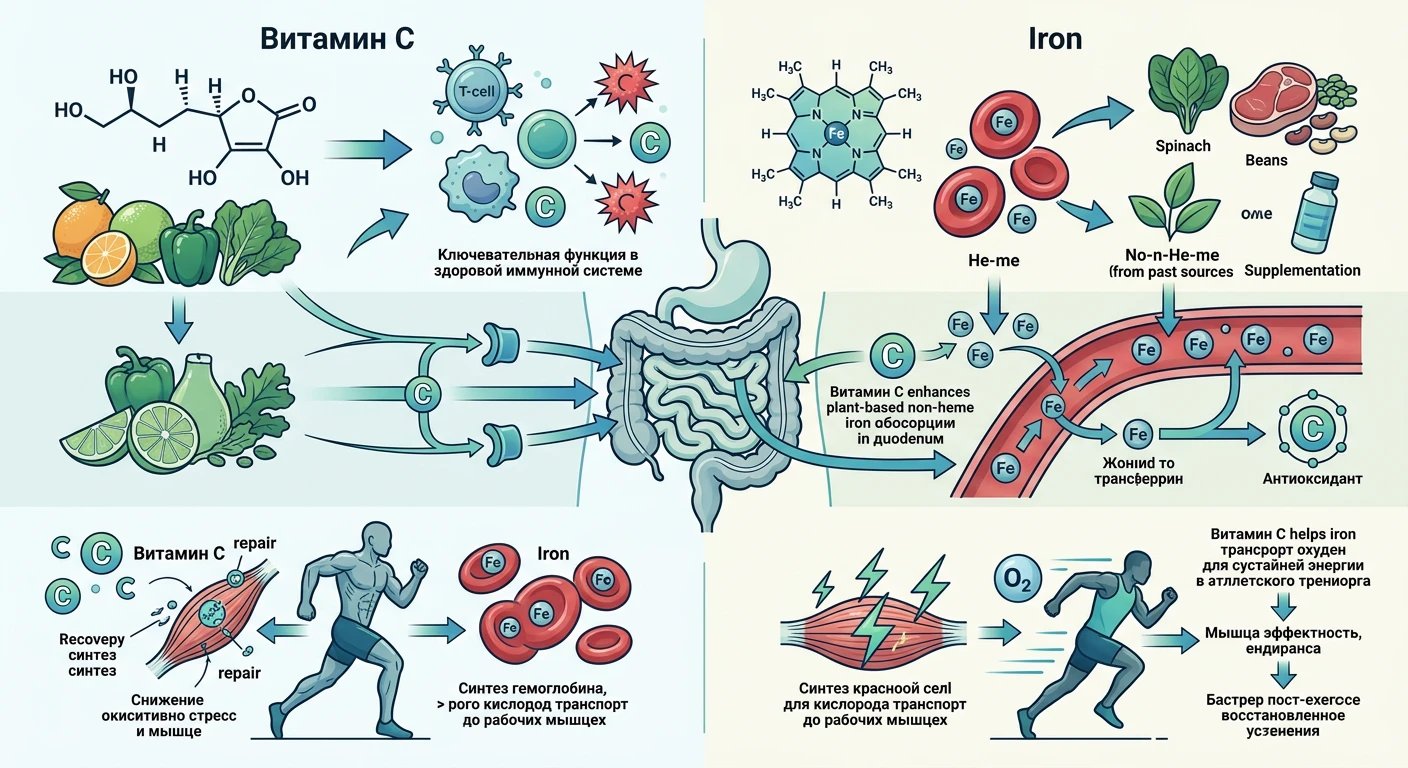
1. Vitamin C: Antioxidant Protection and Structural Support
Vitamin C (ascorbic acid) is a water-soluble vitamin that our body neither produces nor stores for long. Therefore, it must be taken regularly. Its primary role is as a strong antioxidant. During intense training, the body releases more free radicals. Vitamin C neutralizes these unstable molecules, protecting cell membranes, proteins, and DNA from damage. Vitamin C is also important for collagen synthesis. Collagen is the main structural protein in connective tissue – tendons, ligaments, skin, and bones. For athletes, this means healthier joints and faster recovery from micro-injuries. Vitamin C is also involved in the synthesis of carnitine, which transports fatty acids into the mitochondria for energy production.Vitamin C is a key element for maintaining physical fitness, effectively neutralizing free radicals, participating in collagen synthesis for structural support, and optimizing energy metabolism through carnitine synthesis.
2. Iron: Oxygen Transport and Energy Engine
Iron is a mineral primarily known for its function in the blood. It is a key component of hemoglobin – the protein in red blood cells that binds and transports oxygen from the lungs to all tissues, including muscles. In the muscles themselves, iron is part of myoglobin – a local oxygen reserve. Without enough iron, the body experiences oxygen deprivation at the cellular level. Iron deficiency is serious for athletes, as it reduces maximal oxygen consumption (VO2max) and leads to a drop in endurance. Iron is also an element of cytochromes in the electron transport chain in the mitochondria, where energy – ATP – is produced. Insufficient iron hinders energy metabolism.Simply put: Iron is like a transport fleet (hemoglobin) that delivers fuel (oxygen) to the factories (muscles). Without enough transport, energy production drops, and everything slows down.
Scientific Sources
- Iron Fact Sheet for Health Professionals, NIH Office of Dietary Supplements, 2022
- Vitamin C, Linus Pauling Institute, Oregon State University, 2018
- The role of vitamin C in the treatment of iron deficiency anemia in elderly patients, 2014
- Iron Summary of Scientific Research, Examine.com, 2023
- Scientific Opinion on the substantiation of health claims related to vitamin C, EFSA Journal, 2010
The effect of mutual enhancement: Why do they work better together?
Vitamin C and iron interact in the intestines during absorption. Iron from food exists in two forms: heme (from animal products, easily absorbed) and non-heme (from plant sources, harder to absorb). Most supplements contain non-heme iron. Non-heme iron is most commonly in the trivalent form (Fe³⁺), which the body cannot absorb directly. This is where Vitamin C helps by converting trivalent iron (Fe³⁺) into divalent iron (Fe²⁺) in the acidic environment of the stomach. This form is more easily absorbed by the cells of the small intestine. Studies show that 100 mg of Vitamin C with food can increase the absorption of non-heme iron by up to 67%. For athletes, especially vegetarians and vegans, this interaction is very important. Taking an iron supplement without enough Vitamin C is less effective and can lead to gastrointestinal problems, as unabsorbed iron irritates the lining.What is the optimal intake of iron and Vitamin C?
Choose Vitamin C if:
- You experience severe muscle soreness after training and want faster recovery.
- You have high training volume and want to boost your immune system.
- You are recovering from a connective tissue injury (tendon, ligament) and want to support collagen synthesis.
- You eat mainly plant-based foods and want to improve iron absorption from them.
🔵 Choose Iron if:
- You have iron deficiency or anemia diagnosed by a blood test.
- You suffer from unexplained chronic fatigue, shortness of breath, and lack of endurance.
- You are an endurance athlete (running, cycling, triathlon), especially if you are female.
- You follow a strict vegan or vegetarian diet and have symptoms of deficiency.
The optimal intake of iron and Vitamin C is the following combination: 20-25 mg of chelated iron (like iron bisglycinate) and 250-500 mg of Vitamin C, taken in the morning on an empty stomach, 30-45 minutes before breakfast, avoiding coffee, tea, and dairy products for the next hour.
Is it safe to take iron without need?
- Daily (base): 500-1000 mg of Vitamin C, divided into two doses (morning and evening) to maintain stable plasma levels and antioxidant protection.
- ♀ Post-workout: An additional 500 mg of Vitamin C immediately after a heavy workout to reduce oxidative stress and aid recovery.
- As needed (deficiency correction): 25-50 mg of elemental iron (like iron bisglycinate) along with the morning dose of Vitamin C. IMPORTANT: Iron intake should only be after blood tests and consultation with a specialist.
Expert Note
Iron taken without actual need is toxic to the body, as it has no effective mechanism for eliminating excess, which accumulates in organs like the liver and heart, causing serious damage. Always get blood tests (hemoglobin, ferritin, iron, TIBC) before starting supplementation.
🧭 When to choose which?
- Choose only Vitamin C if your energy levels are good, but you want to improve your immunity, recovery, and joint health.
- Choose only Iron (with a little Vitamin C for absorption) if you have confirmed deficiency, but otherwise consume enough antioxidants from fruits and vegetables.
- Combine the two strategically if you are an endurance athlete on a plant-based diet, aiming to simultaneously increase energy and boost recovery.
📖 What are Vitamin C and Iron?
Vitamin C (Ascorbic Acid) is an important water-soluble vitamin that acts as an antioxidant, supports the immune system, and is key for collagen synthesis and iron absorption. The body cannot produce it on its own.
Iron is an important mineral, vital for oxygen transport in the blood (via hemoglobin) and for energy production in cells (via the electron transport chain). Its deficiency leads to anemia and chronic fatigue.
⚖ Pros and Cons
| Pros | Cons |
|---|---|
| Vitamin C: Powerful antioxidant, improves immunity, aids iron absorption. Has low toxicity. | Vitamin C: Very high doses (>2000 mg) can cause gastrointestinal discomfort or diarrhea. |
| Iron: Directly increases endurance in case of deficiency, improves energy levels, critical for VO2max. | Iron: Risk of toxicity with overdose. Often causes constipation and stomach discomfort. Its effect is reduced by calcium, tea, coffee. |
🗣 Explained Simply
If you're still wondering, here's a simple comparison:
| Criterion | Vitamin C | Iron |
|---|---|---|
| Main Role | Shield and Engine | Transport and Energy |
| Metaphor | Bodyguard | Oxygen Truck |
| When is it felt? | Faster recovery | More endurance |
Think of Vitamin C as a mechanic who keeps the engine clean and helps with better fuel combustion. Iron is the fuel itself (or rather, the tank that carries it). You can have a full tank (enough iron), but if the engine is clogged (oxidative stress), the car still won't run well.
Choose the right product for your goal:
- For energy and endurance: Focus on the problem. If you have a deficiency, choose a quality iron product.
- For immunity and recovery: Your primary choice is Vitamin C, combined with other antioxidants.
- For healthy joints: Combine Vitamin C with quality collagen for maximum effect on connective tissue.
Combined protocol for endurance athletes:
- Before breakfast: Iron bisglycinate with 500 mg Vitamin C.
- Before workout: A complex pre-workout formula for energy and focus.
- After workout: Whey protein with added 500 mg Vitamin C for recovery.
⚖ When to choose Vitamin C
- You want preventive care for your immunity.
- You want faster recovery after hard workouts.
- You want to boost skin and joint health.
- You eat predominantly plant-based foods.
⚖ When to choose Iron
- You have anemia proven by tests.
- You feel constantly tired and get breathless easily.
- You are a woman with a heavy menstrual cycle.
- You are a professional endurance athlete.
Expert Note from Sport Zona
From experience with athletes, a common mistake is self-diagnosing iron deficiency with every manifestation of fatigue. Chronic fatigue can have many causes – from poor sleep to overtraining. Before starting iron supplements, I advise you to first optimize your Vitamin C intake and ensure you are absorbing maximum iron from your diet. Often, just this step, along with an improved diet, is enough. Iron is not candy – its intake should be the result of an objective need confirmed by a blood test, not a subjective feeling.
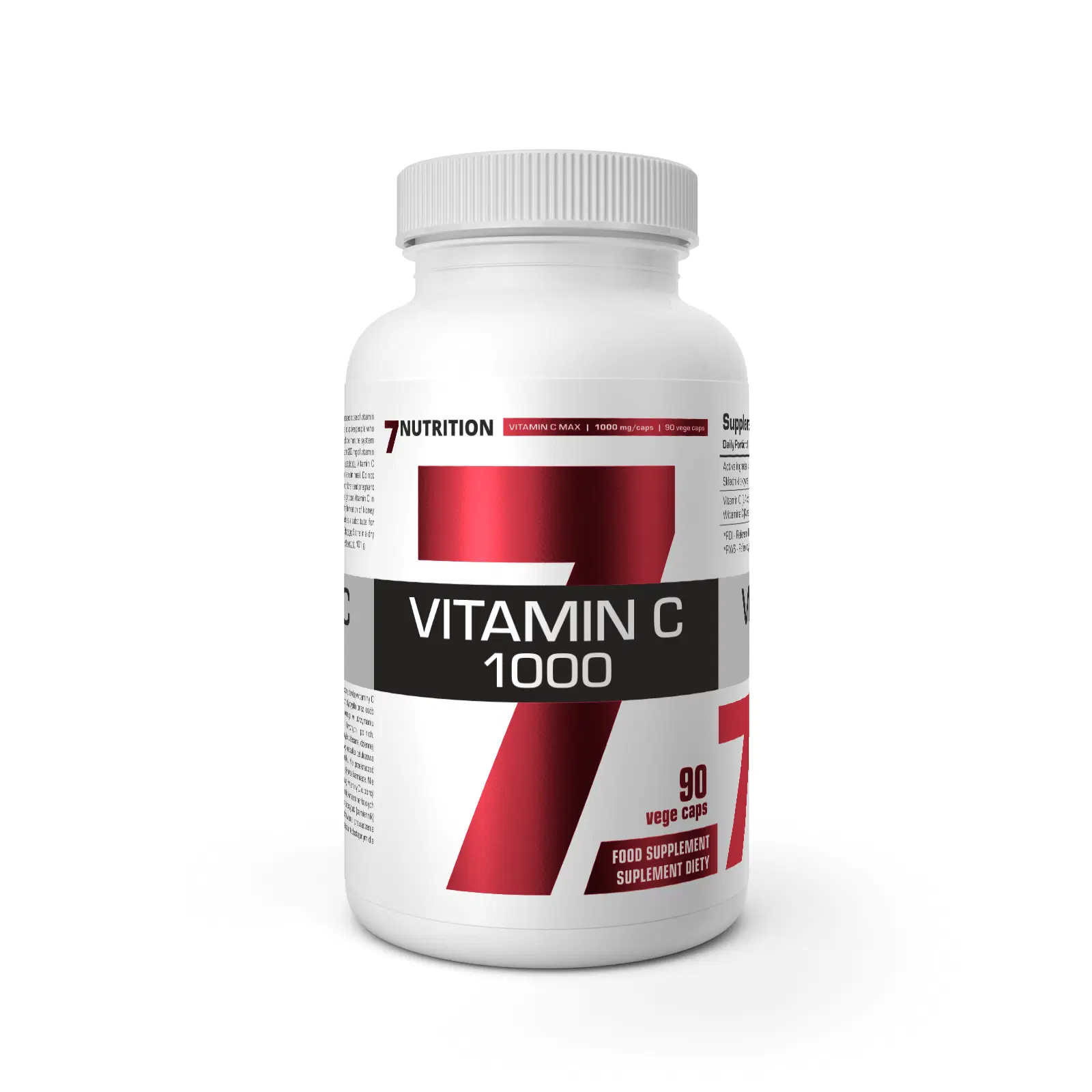
Recommended products
Frequently asked questions
Can Vitamin C and Iron be taken together?
Yes, and it is highly recommended. Vitamin C significantly improves the absorption of non-heme iron (from plant sources and supplements). Taking them together, especially on an empty stomach, increases iron bioavailability and reduces the risk of stomach discomfort.
Which is better for beginners - Vitamin C or Iron?
It depends on individual needs, determined by blood tests. Vitamin C is a fundamental antioxidant, beneficial for almost everyone. Iron should only be supplemented if a deficiency or anemia is diagnosed, as excess is toxic. For most beginners, the focus is first on adequate Vitamin C intake.
When is the best time to take Vitamin C and Iron?
It is best to take iron in the morning on an empty stomach, along with Vitamin C, for maximum absorption. Avoid taking it with foods rich in calcium (dairy products), phytates (whole grains), or polyphenols (coffee, tea), as they hinder its absorption.
Are there side effects from taking Vitamin C or Iron?
Yes. High doses of Vitamin C (over 2000 mg daily) can cause diarrhea and stomach upset. Excessive iron intake is more dangerous and can lead to hemochromatosis (iron accumulation in organs), causing liver and heart damage. Common side effects from iron include constipation and nausea, which can be mitigated with forms like iron bisglycinate.
What is the recommended dosage for Vitamin C and Iron?
For Vitamin C, the recommended daily intake is around 90 mg for men and 75 mg for women, but athletes often take 500-1000 mg for immune support. For iron, the dosage depends on the severity of the deficiency, as determined by a doctor. For mild deficiency, 50-100 mg of elemental iron daily is sufficient. Always get blood tests before starting iron supplementation.