Egg Protein vs. Beta-Alanine: Biological Perfection vs. Acid Control
In the world of sports nutrition, egg protein represents the fundamental fuel, while beta-alanine is the metabolic tool for converting that fuel into longer and more productive work. Their synergy allows for simultaneous increases in training volume and recovery quality.
Short answer: Egg protein is the biological benchmark (BV 100) for muscle repair, and beta-alanine is the intracellular thermostat that prevents muscle failure during high-intensity work. Their combination allows for more reps AND better recovery.
This comparison presents us with a choice between the "Gold Standard for Biological Value" and the "Cellular Buffer Against Fatigue." In the body's systemic architecture, Egg protein is a great assistant, providing the right profile of amino acids for recovery, while Beta-alanine is the supplement that allows the system to operate under high stress (intensity) without shutting down.
For context on the entire category, see the complete guide to supplements — over 270 expert-verified articles by Petar Mitkov and the Sport Zona team.
Why are the functional parameters for egg protein and beta-alanine important?
Functional parameters such as biological value (100 for egg protein), primary function (structural repair and anabolism for egg protein, endurance enhancement for beta-alanine), and mechanism (complete EAA profile and leucine for egg protein, muscle Carnosine synthesis for beta-alanine) highlight the differences in the application and effects of egg protein and beta-alanine (CarnoSyn).

Which protein was the standard for measuring others?
1. Egg Protein: The Biological Benchmark
Egg protein (albumin) was the standard by which all other proteins were measured before whey gained widespread popularity.
Simply put: This section explains exactly how these supplements work in our bodies, as if we're taking apart a clock to see every gear and spring.
Scientific Sources
- Hoffman, J. R., & Falvo, C. J. (2004). Protein – Its Role in the Body. - PubMed (PMID: 15216390)
- Derave, W., et al. (2007). Beta-alanine supplementation enhances performance during high-intensity exercise. - PubMed (DOI: 10.1111/j.1600-0838.2007.00790.x)
- Blancquaert, L., et al. (2017). Beta-Alanine Supplementation: An Update on Physiological Performance and Clinical Applications. - PubMed (DOI: 10.3390/nu9020087)
- Phillips, S. M., & Van Loon, L. J. C. (2011). Dietary protein for athletes: from requirements to optimum adaptation. - PubMed (DOI: 10.1080/17461391.2011.643916)
We see that the combination of quality protein and beta-alanine often yields the best results for muscle growth and endurance. A common mistake is neglecting sufficient protein intake in favor of "trendy" boosters, when in reality, the foundation is key. We notice that for athletes with dairy allergies, egg protein is an excellent substitute that supports anabolic processes.
- The Anabolic Effect of the Yolk: New research suggests that consuming whole eggs stimulates muscle protein synthesis about 40% more strongly than egg whites alone. The fats and micronutrients in the yolk act as factors for amino acid utilization.
- Lactose-Free: Unlike whey protein, egg protein is naturally free of milk sugars, making it a good "clean" source for people with sensitive digestion.
2. Beta-Alanine: The Intracellular "Thermostat"
Beta-alanine does not build muscle directly, but it regulates the environment in which it works.
- Eliminating H⁺ Ions: During strenuous exercise, muscles become acidic. This acidification hinders calcium ions from activating muscle contraction. Carnosine (synthesized from beta-alanine) acts like a "sponge," absorbing acid and maintaining pH balance.
- Delaying Neuromuscular Fatigue: Beta-alanine improves communication between nerves and muscles, allowing you to maintain explosiveness even at the end of a workout.
What is the correct intake for egg protein and beta-alanine?
- Egg Protein as a "Bridge": Because it is absorbed more slowly than whey but faster than casein, egg protein is excellent for consumption between meals or before bed for a steady supply of amino acids.
- Beta-Alanine and "Tingling": Paresthesia is a result of sensory neuron activation. It is harmless, but if it is too intense, take beta-alanine with eggs – the fats in the yolk will slow absorption and mitigate the tingling sensation.
Egg protein is taken between meals or before bed for a steady supply of amino acids, as it is absorbed more slowly than whey but faster than casein. Beta-alanine is taken with eggs if paresthesia is too intense, as the fats in the yolk slow absorption and mitigate the tingling sensation.
For good muscle growth and increased endurance, combine Egg Protein (25-30g post-workout and/or between meals) with Beta-alanine (3-5g daily, divided into 2-3 doses, for a period of 8-12 weeks for saturation).
Which is better: Egg Protein or Beta-Alanine?
Egg protein is a dietary supplement that can be a preferred choice if you are looking for a complete protein source of high biological quality.
- You are looking for the highest quality protein with maximum absorption.
- You have a dairy allergy or lactose intolerance.
- You want a protein that provides longer satiety (suitable for weight loss diets).
- Your goal is overall muscle building and health of bones and hair (thanks to biotin).
Choose BETA-ALANINE if:
- You are already consuming enough protein but "hit a wall" during your workout.
- You participate in high-intensity sports (wrestling, football, CrossFit).
- You train with high repetition volume and want to eliminate muscle burn.
- You want to improve your endurance without adding extra calories.
💜 The "Elite Standard" Synergy Protocol (2026)
- Every day (Base): 3.2 – 6.4g Beta-alanine daily. Divide into 2 doses to keep carnosine levels high 24/7.
- Breakfast or Post-Workout: Omelet from 3–4 whole eggs or a scoop of egg protein powder. This provides the phospholipids and amino acids for structural repair.
- Result: Beta-alanine allows you to "tear" more muscle fibers through harder work, and egg protein ensures that these fibers will recover denser and stronger.
Expert Conclusion
Egg protein is rich in sulfur-containing amino acids (methionine and cysteine), which are vital for joint and immune system health – something beta-alanine cannot provide. Therefore, eggs remain the "golden foundation" for any athlete.
🧭 When to Choose Which?
- Choose Egg Protein if the goal is muscle mass building and recovery after training.
- Choose Beta-Alanine if the goal is to improve endurance during high-intensity interval training.
- Combine Both if you aim for both increased muscle mass and significant improvement in athletic performance during aerobic and anaerobic loads.
- Choose Egg Protein if you are looking for an easily digestible and complete source of amino acids to support metabolism.
📖 What is Egg Protein?
Egg protein is a high-quality protein derived from eggs. It contains all the essential amino acids necessary for muscle growth and repair. It is slowly digested, providing a sustained release of amino acids.
📖 What is Beta-Alanine?
Beta-alanine is a non-essential amino acid that helps muscles produce carnosine. Carnosine acts as a buffer against acid buildup during intense exercise. It increases endurance and reduces muscle fatigue.
⚖ Pros and Cons
| Pros | Cons |
|---|---|
|
|
| Pros | Cons |
|---|---|
|
|
🗣 Simply Explained
Egg protein is like an excellent building block – your body uses it easily and effectively to build your muscles. Beta-alanine, on the other hand, helps you cope with the acidity that builds up during exercise, allowing you to last longer.
Choose the right product for your goal:
→ Whey protein or egg protein
→ Beta-alanine
→ Creatine monohydrate
Combined protocol for maximum effectiveness:
Combining products increases effectiveness. Based on Sport Zona's practical experience.
⚖ When to Choose Egg Protein
- If you are looking for protein with the highest absorption and biological value.
- If you have a dairy allergy or lactose intolerance.
- If you want a protein that provides longer satiety during weight loss diets.
- If your goal is overall muscle building and health of bones and hair.
⚖ When to Choose Beta-Alanine
- If you are already consuming enough protein but reach your limit during a workout.
- If you participate in high-intensity sports like wrestling, football, or CrossFit.
- If you train with high repetition volume and want to eliminate muscle burn.
- If you want to improve your endurance without additional calories.
Expert Note from Sport Zona
From personal experience with dozens of athletes over the years, I have always observed that the combination of sufficient protein and beta-alanine yields the best adaptation results. Egg protein is a great choice, especially for people with dairy sensitivities, or those looking for an alternative to whey. And beta-alanine provides a tangible effect in workouts that no one disputes. For me personally, it was a game-changer.
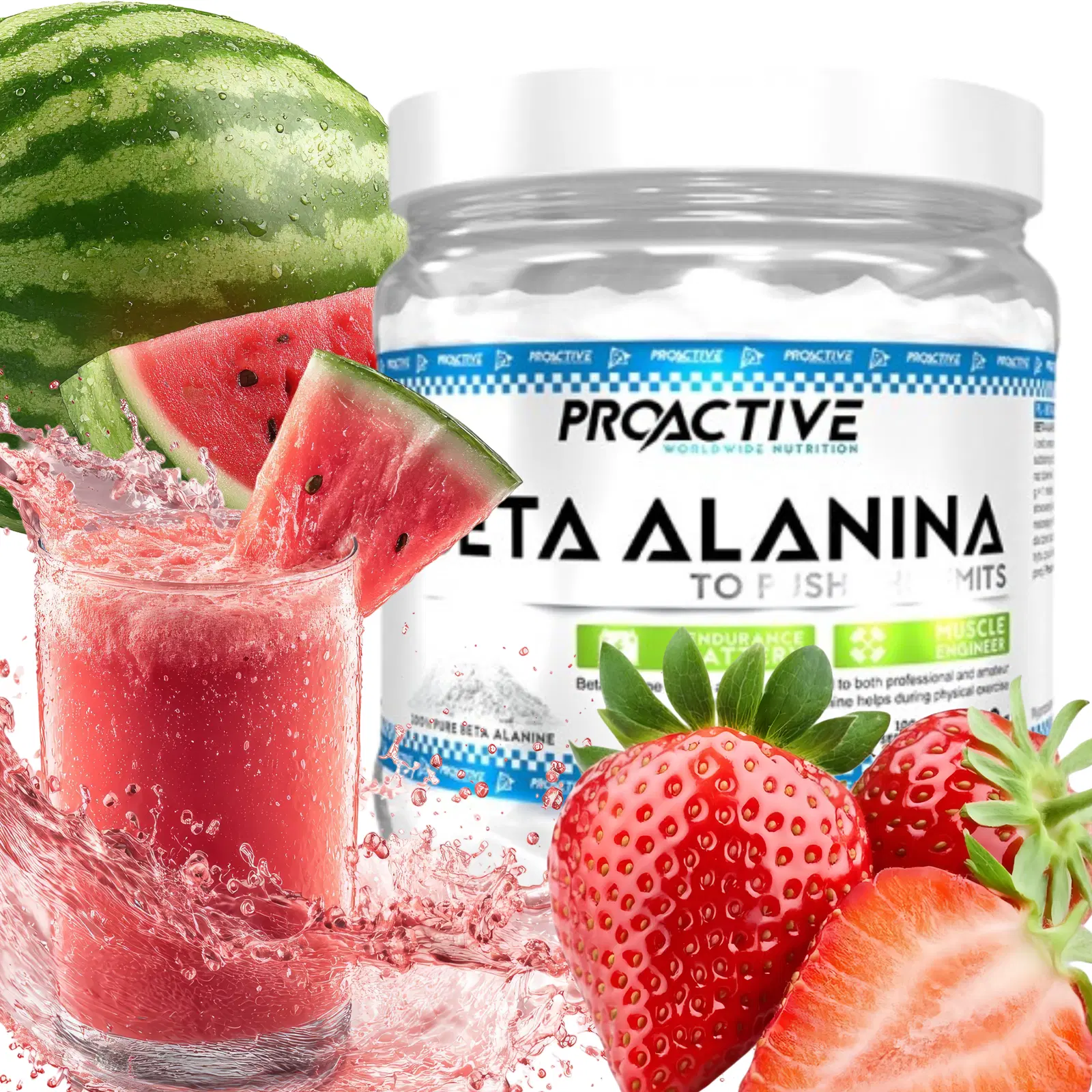
Recommended products

Frequently asked questions
When is the best time to take egg protein and beta-alanine?
Egg protein can be taken between meals or before bed for a steady supply of amino acids. Beta-alanine is taken daily, divided into two doses, to maintain high carnosine levels.
Are there any side effects to taking beta-alanine?
Beta-alanine can cause a temporary tingling sensation (paresthesia), which is harmless. Taking it with egg protein may mitigate this effect.
How is egg protein better than whey protein?
Egg protein is an excellent choice as it is naturally lactose-free, making it suitable for people with sensitive digestion. Also, whole eggs stimulate muscle protein synthesis more strongly than just the whites.
Who is recommended to take egg protein and beta-alanine?
Egg protein is suitable for muscle building, satiety, and people with lactose intolerance. Beta-alanine is for people who train intensely and want to improve their endurance without adding calories.