Eggs versus Beef: The Clash of Biological Benchmarks
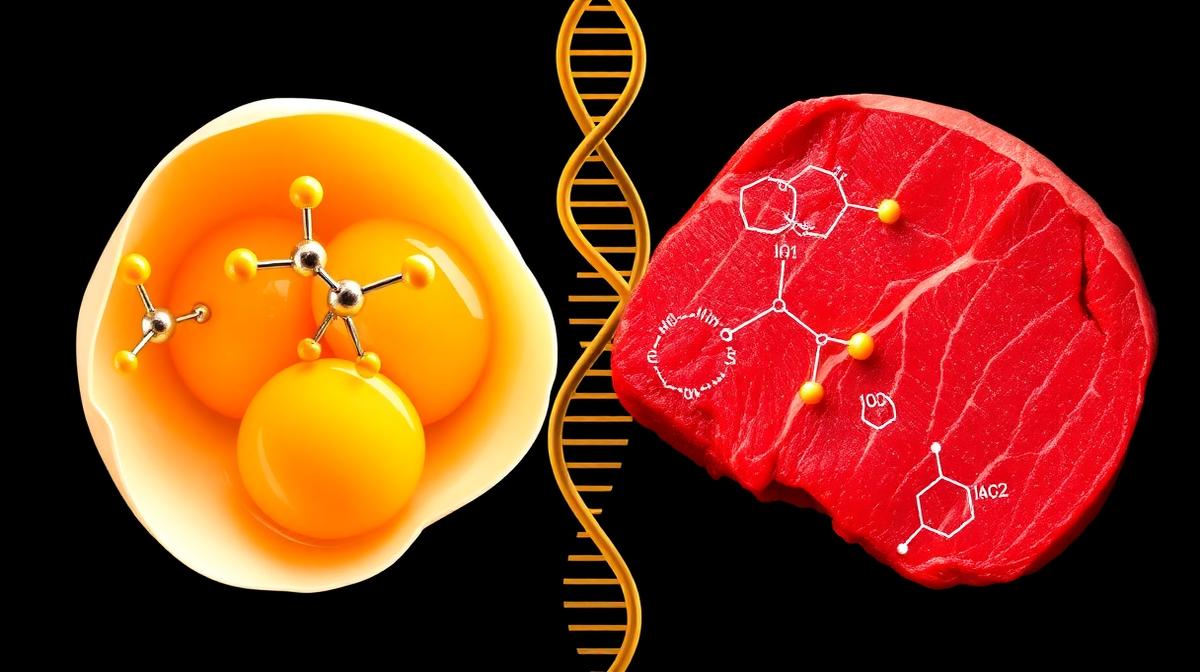
When choosing between eggs and beef, you are not just choosing a source of nitrogen, but determining what "cofactors" will accompany your protein. While the egg offers unique support for the nervous system, beef provides the mineral foundation for strength achievements.
Short answer: Eggs (BV 100, PDCAAS 1.0) dominate with choline for the neuro-muscular connection, while beef offers natural creatine and heme iron for peak strength. The optimal protocol: eggs in the morning for the brain, beef in the evening for hormonal recovery.
When choosing between eggs and beef, you're not just picking a nitrogen source, but determining what "cofactors" will accompany your protein. While the egg offers unique nervous system support, beef provides the mineral foundation for strength performance.
See also the expert knowledge base on supplements — over 270 expert-verified articles by Petar Mitkov and the Sport Zona team.
What is the nutritional density of eggs and beef?
The nutritional density of whole eggs includes a biological value of 100, protein of ~13 grams per 100 grams, choline as a key metabolite, and minerals like selenium and iodine, while lean beef offers a biological value of 80-90, protein of ~26-30 grams per 100 grams, creatine as a key metabolite, and minerals like zinc, heme iron, and B12.

| Characteristic | Whole Eggs | Lean Beef |
|---|---|---|
| Biological Value | 100 (Benchmark for digestibility) | 80–90 (Very High) |
| Protein per 100g | ~13 grams | ~26–30 grams |
| Key Metabolite | Choline (Neuroprotection) | Creatine (Strength and Volume) |
| Mineral Profile | Selenium, Iodine | Zinc, Heme Iron, B12 |
| Bioavailability | Maximum (PDCAAS 1.0) | Very High (PDCAAS 0.92) |
| Digestion Time | Moderate (2–3 hours) | Slow (4–6 hours) |
What is the deep dive into mechanisms?
1. Eggs: The "Lubricant" for the Neuro-Muscular Connection
A deep dive into mechanisms explains that eggs are unique due to the fat-soluble components found in the yolk.
Simply put: This section looks at exactly how foods affect our bodies at a molecular level, like tiny keys unlocking different processes.
Scientific Sources
- Zeisel, S.H., & da Costa, K.A. (2009). Choline: an essential nutrient for public health. Nutr Rev, 67(11), 615-23. (DOI: 10.1111/j.1753-4887.2009.00246.x)
- Buford, T.W. et al. (2007). International Society of Sports Nutrition position stand: creatine supplementation and exercise. J Int Soc Sports Nutr, 4, 6. (PMCID: PMC2048496)
- USDA FoodData Central (2023). Egg, whole, raw, fresh. (FDC ID: 748967)
- USDA FoodData Central (2023). Beef, ground, 90% lean meat / 10% fat, raw. (FDC ID: 173491)
We see that a large portion of athletes underestimate the importance of micronutrients from whole foods. A common mistake is to focus only on protein grams, without considering cofactors like choline from eggs or creatine from beef, which optimize absorption and function.
Choline Engine: Eggs are the best source of choline, which is a precursor to acetylcholine. This neurotransmitter is responsible for transmitting signals from the brain to the muscles. Better choline levels mean a better "mind-muscle connection."
Antioxidant Protection: The lutein and zeaxanthin in eggs maintain visual acuity while also acting as anti-inflammatory agents that help the body cope with post-workout oxidative stress.
2. Beef: The Chemical Laboratory for Strength
Beef is much more than just protein; it's a natural "stack" for performance.
Natural Creatine: Beef is one of the richest sources of creatine, which increases ATP (adenosine triphosphate) levels in cells, allowing you to lift heavier and longer.
Heme Iron and B12: This combination ensures maximum oxygen transport to the muscles. Iron deficiency (anemia) is the biggest enemy of endurance, and beef offers its most easily absorbed form.
What is egg albumin?
Applied to nutritional supplements, this comparison shows the following:Egg albumin (egg white protein) represents the "purest" available protein, devoid of yolk fats. It is suitable for rapid fueling without excess calories.
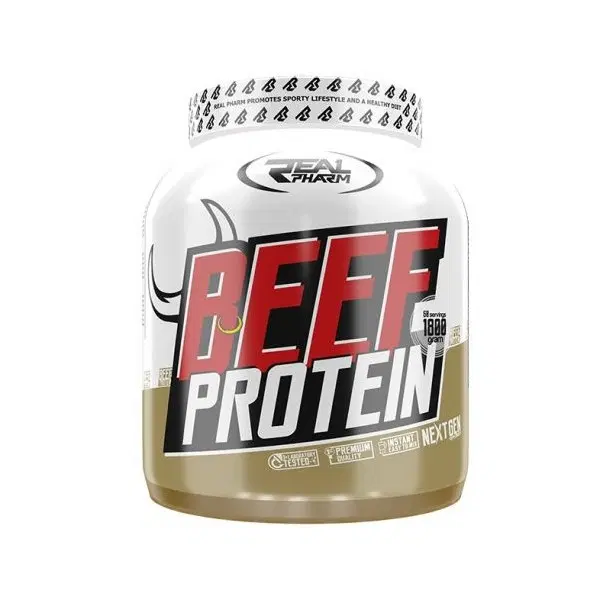
Beef Isolate: Modern beef protein powders are hydrolyzed into peptides, making them more rapidly absorbed than a steak. They are often rich in specific amino acids like hydroxyproline, which build the collagen matrix of joints and tendons.
What to choose: eggs or beef?
Choose EGGS if:
Choose BEEF if:
- Your main goal is maximum strength and hypertrophy.
- You need a satiating meal that provides a steady supply of amino acids for hours (anti-catabolic effect).
- You often feel fatigued (possible iron or B12 deficiency).
- You are looking for higher protein density in a smaller amount of food.
The practical algorithm for choosing eggs or beef represents a set of criteria that help in making an informed decision about which protein source is more suitable for individual needs and goals.
For maximum synergistic effect, combine 3 whole eggs for breakfast (for choline and antioxidants) with 200g of lean beef for lunch or dinner (for creatine, iron, and B12). Supplement with 5g of creatine monohydrate daily for a good effect on strength.
What is the combined effect protocol (2026)?
The combined effect protocol (2026) represents the best approach for functional rotation to optimize the effects of consuming eggs and beef.
Morning Meal: 3–4 whole eggs. Choline will "wake up" your brain, and moderate digestion will provide stability until lunch.
Evening Meal: 150–200g lean beef. Creatine and zinc will support hormonal recovery and protein synthesis during sleep.
For Athletes: Use egg protein powder between meals for pure fueling and beef isolate if you need extra joint support.
🤖 Expert Note: Beef and eggs are two sides of the same coin. While the egg provides the "biological command" for growth, beef provides the "mineral fuel." Combining them within the week is the surest way to avoid micronutrient deficiencies that often halt progress.
🧭 When to Choose Which?
- Choose Eggs if you are looking for a quick, easy, and accessible source of high-quality protein for recovery or as part of a healthy breakfast.
- Choose Beef if you need a larger amount of protein and iron for maximum muscle building and strength increase, especially after intense workouts.
- Combine Both if you want to achieve a proper balance of amino acids and nutrients throughout the day, ensuring a steady supply of energy and supporting recovery.
- Choose Eggs if you are vegetarian, seeking balanced nutrition with less saturated fat, or need fast-absorbing protein.
📖 What are Eggs and Beef?
Eggs are a high-quality source of protein, vitamins, and minerals, containing all essential amino acids. Beef is a rich source of complete protein, iron, zinc, and B vitamins, making it valuable for muscle growth and energy metabolism.
⚖ Pros and Cons
| Pros | Cons |
|---|---|
|
|
🗣 Explained Simply
Eggs are like a good balanced superfood that contains everything needed to build strong muscles. Beef, on the other hand, is like a very powerful building material, rich in iron and other important things. Both are top protein sources, but they come from different 'sources' and have slightly different advantages.
Choose the right product for your goal:
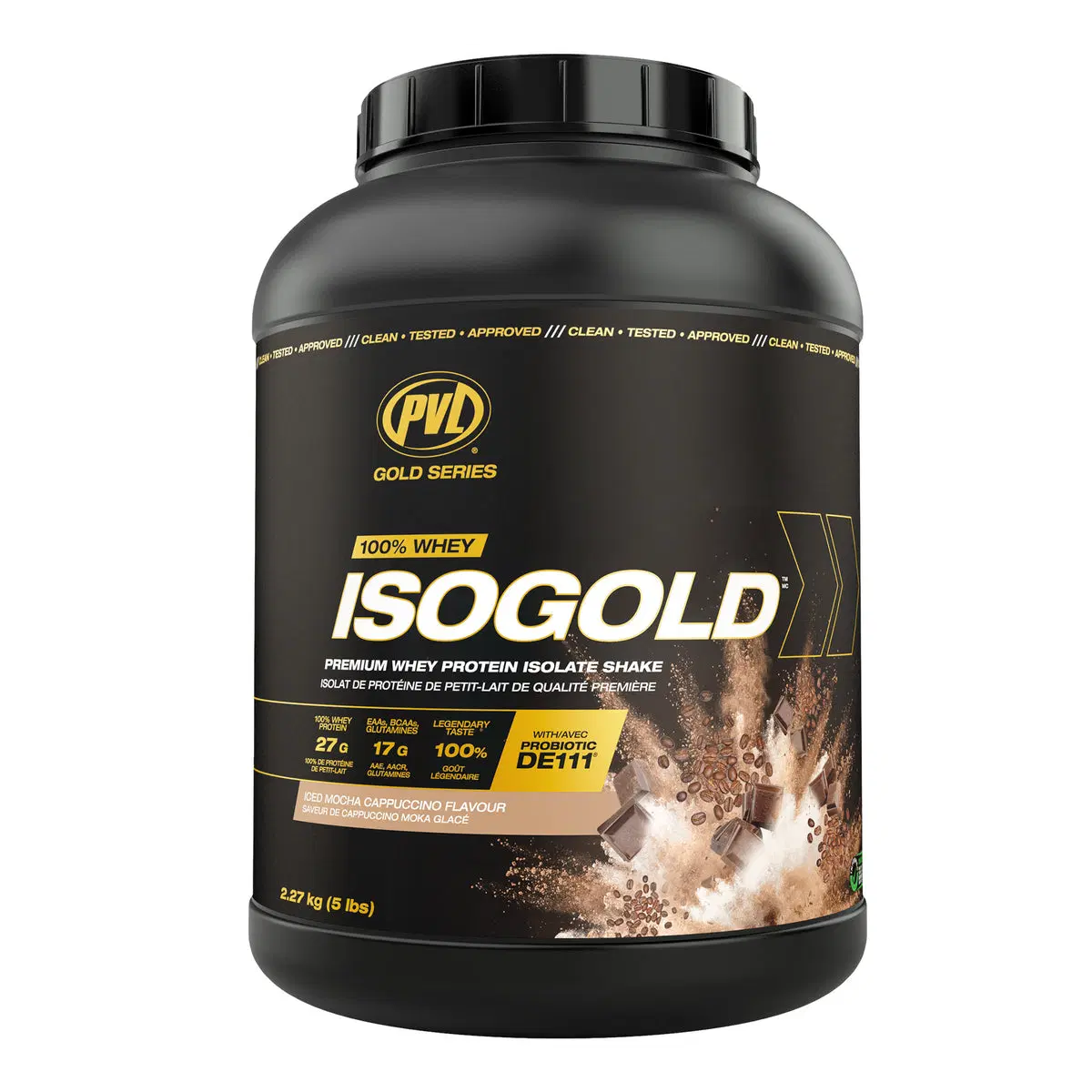
→ Whey protein for rapid absorption
→ BCAAs to prevent catabolism
→ Pre-workout products with creatine
Combined protocol for maximum effectiveness:
Combining products increases effectiveness. According to Sport Zona practice.
⚖ When to Choose Eggs
- You are looking for the cheapest source of high-quality protein for recovery.
- Your goal is to improve cognitive function and focus during training.
- You prefer a lighter meal that doesn't burden digestion for long.
- You need quick, easy, and accessible protein for a healthy breakfast.
⚖ When to Choose Beef
- Your main goal is maximum strength and hypertrophy after intense workouts.
- You need a satiating meal for a steady supply of amino acids.
- You often feel fatigued and have a possible iron or B12 deficiency.
- You are looking for higher protein density in a smaller amount of food.
Expert Note from Sport Zona
From many years of working with Bulgarian athletes, I have noticed that both eggs and beef have their place in the diet. Some recover faster with red meat, while others feel more energetic with more eggs. The key. The key is to listen to your body and experiment to find your right balance.
Recommended products


Frequently asked questions
Can eggs and beef be combined for better results?
Yes, combining eggs and beef is an excellent approach to maximize the anabolic response. Eggs provide a rapid leucine pulse, while beef offers a sustained amino acid inflow and additional collagen.
Which is better for beginners - eggs or beef?
For beginners, eggs are a more accessible and easier-to-prepare protein source with an excellent nutritional profile. Beef is suitable for those who already have an established diet and are looking for a more diverse amino acid profile.
How much protein from eggs or beef is needed per day?
For active individuals, the goal is 1.6-2.2g of protein per kg of body weight. For example, 3-4 whole eggs provide about 24g of protein, and 150g of beef provides approximately 38g of protein.
Is there a difference in digestibility between egg and beef protein?
Both have a PDCAAS score close to 1.0, indicating excellent digestibility. Egg protein is digested slightly faster, while beef protein provides a slower and more sustained amino acid inflow.