Martial arts teams
Martial arts gear is designed to withstand intense training and sparring, offering an optimal balance between durability and comfort. Fabrics like polyester and lycra provide elasticity and freedom of movement, while cotton, often with a weight of 250 to 450 g/m², ensures durability and breathability. Specialized materials such as Dri-Fit effectively wick away moisture, keeping the skin dry during prolonged sessions.
The cut plays a key role in performance. While a "regular fit" is suitable for traditional disciplines like karate and judo, which require greater freedom of movement, a "slim fit" or "compression fit" is preferred for MMA and grappling, where close-fitting apparel reduces the risk of snagging and provides better muscle support. For training in warmer conditions, lighter fabrics with a weight under 200 g/m² are recommended, while for cold gyms or intense contact sports, denser fabrics offer additional protection and impact absorption. The choice of equipment is tailored to the specific discipline's requirements and individual preferences for comfort and functionality.
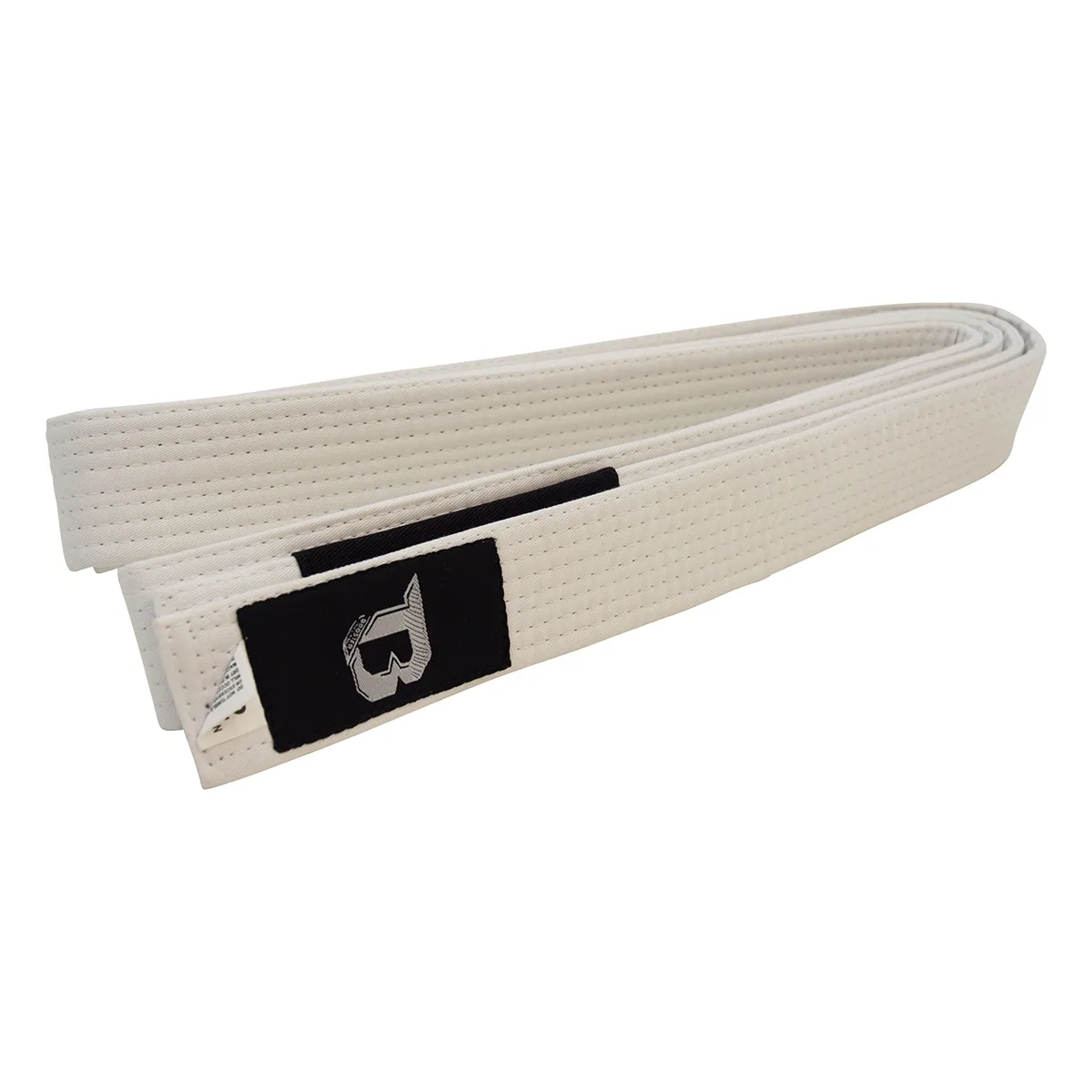
- Booster BJJ BELT WHITE – 16.37 €
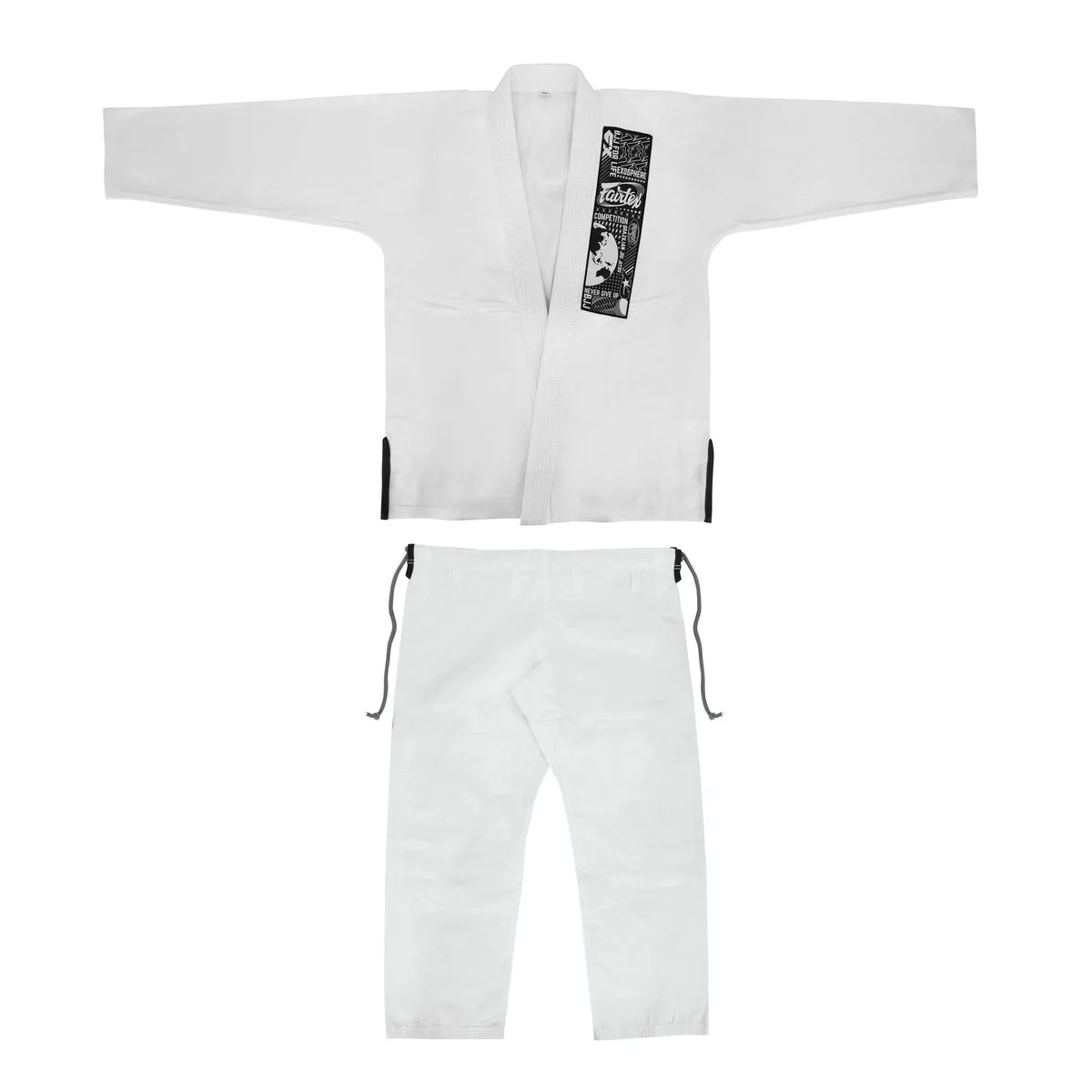 Fairtex BJJ Gi "EXOSPHERE" - White — White – 102.56 €
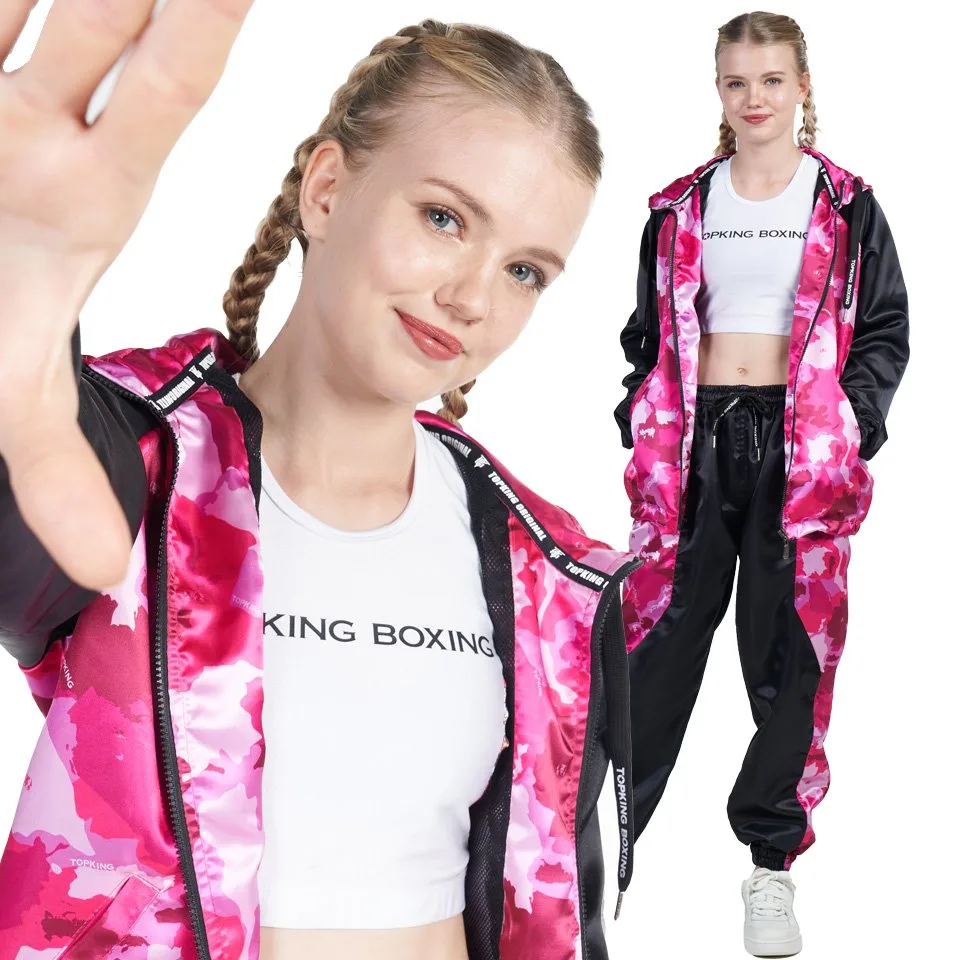 TOPKING TRACKSUIT PINK CAMOUFLAGE
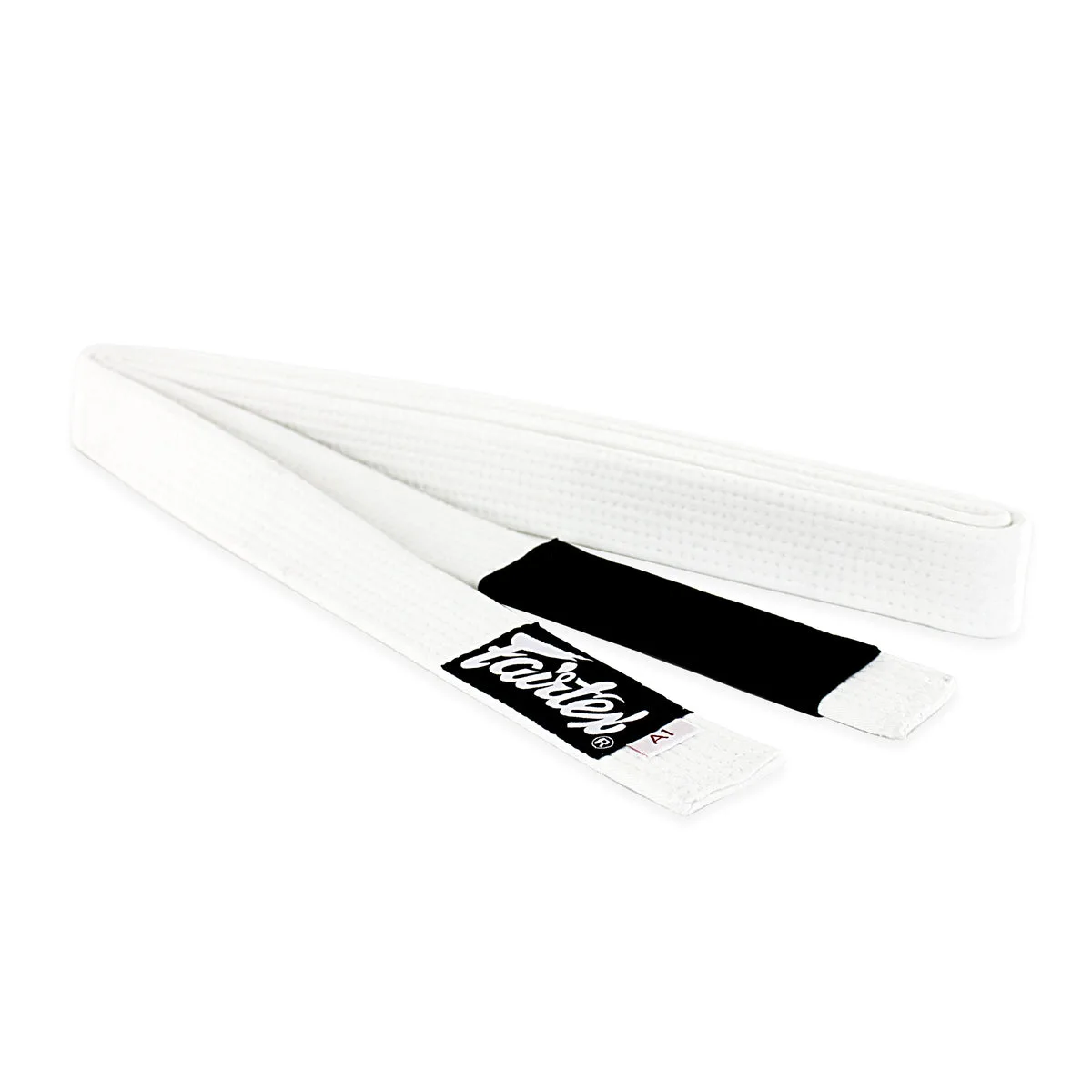 Fairtex Brazilian Jiu-Jitsu Belt Hemp BJJH1 — White – 18.75 €
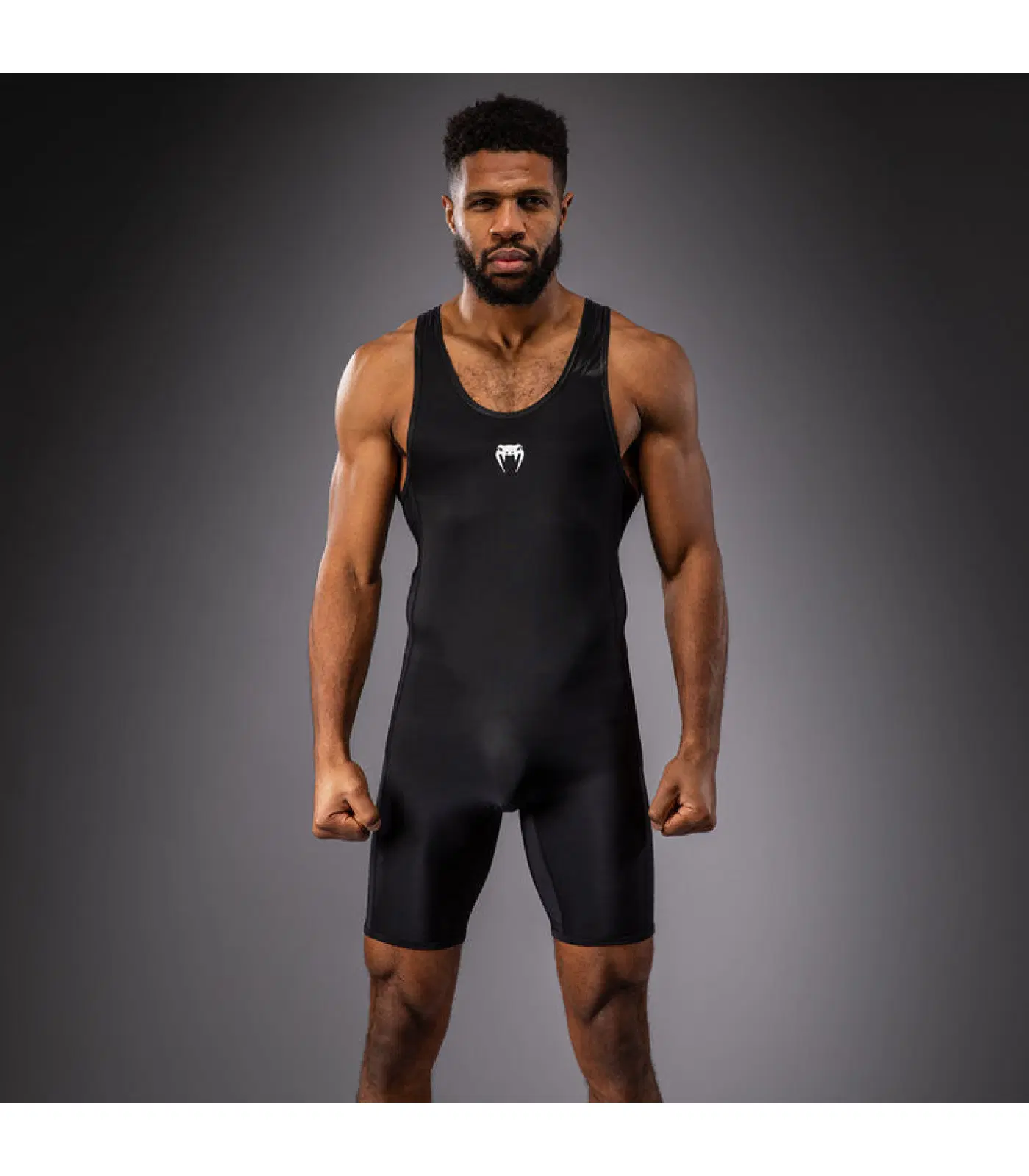 Борцово Трико - Venum Challenger Men's Wrestling Singlet - Black – 44.99 €
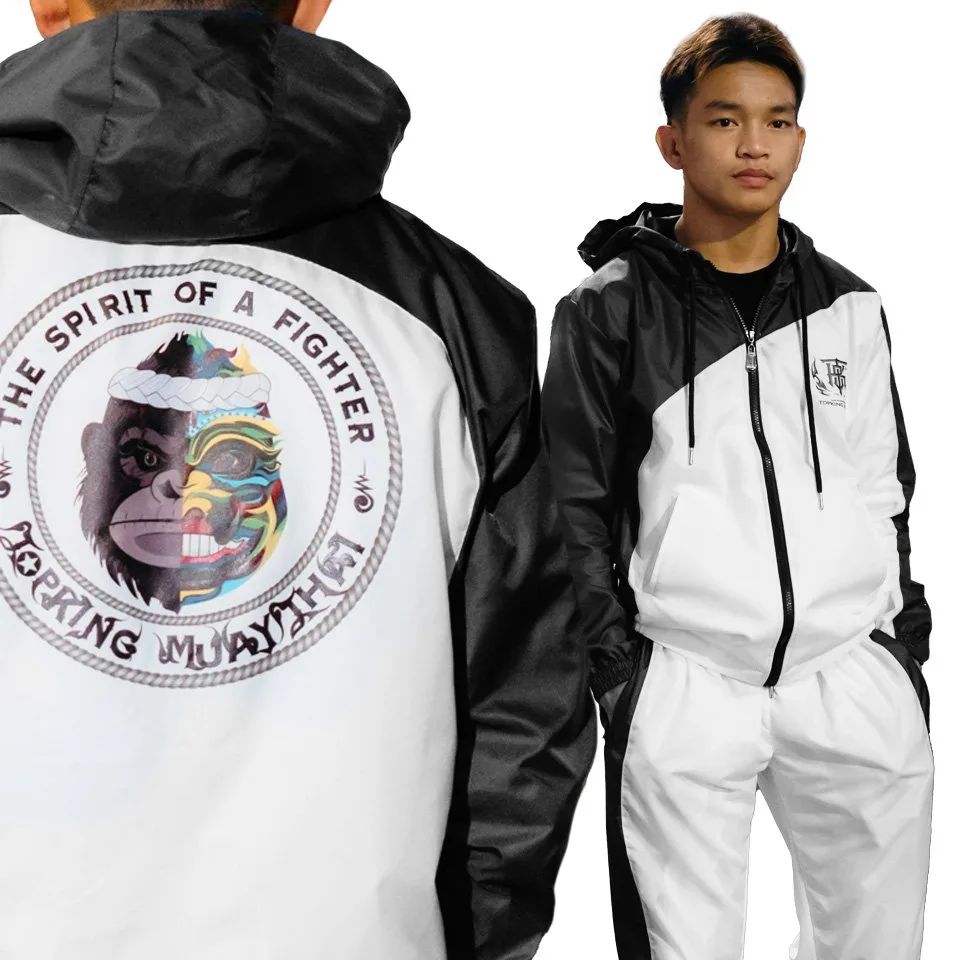 TOPKING WHITE BLACK TRACK SUITS
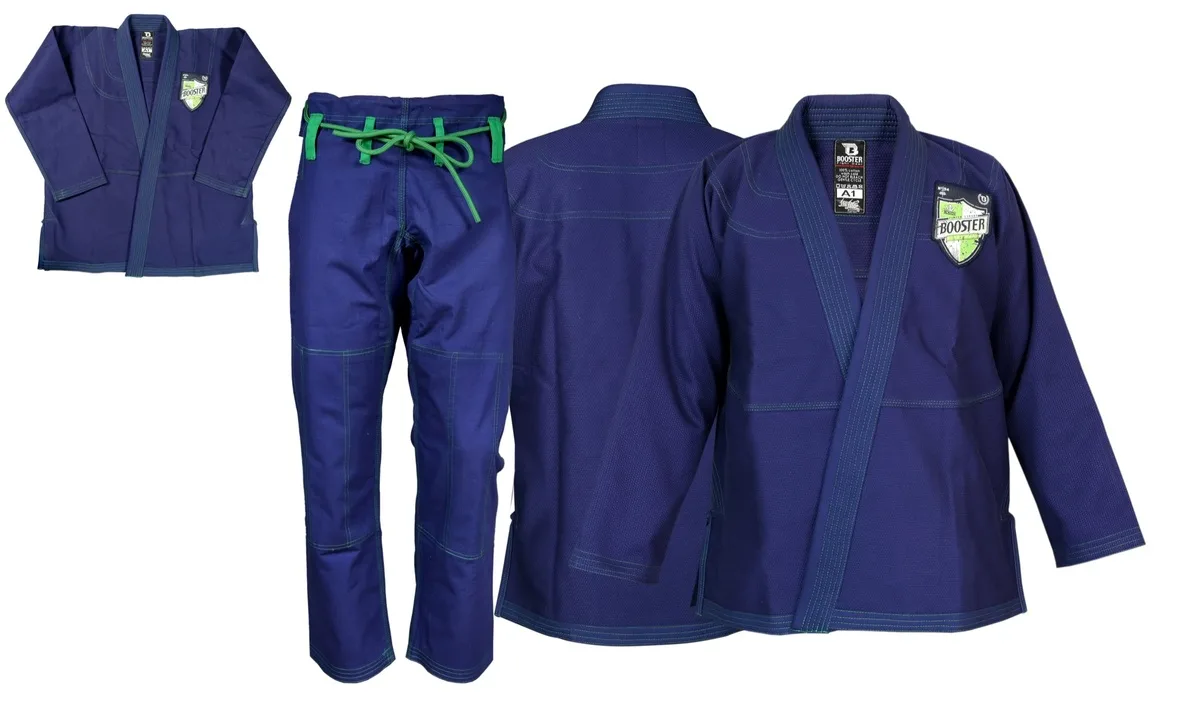 Booster BJJ V 2 PRO SHIELD BLUE – 109.04 €
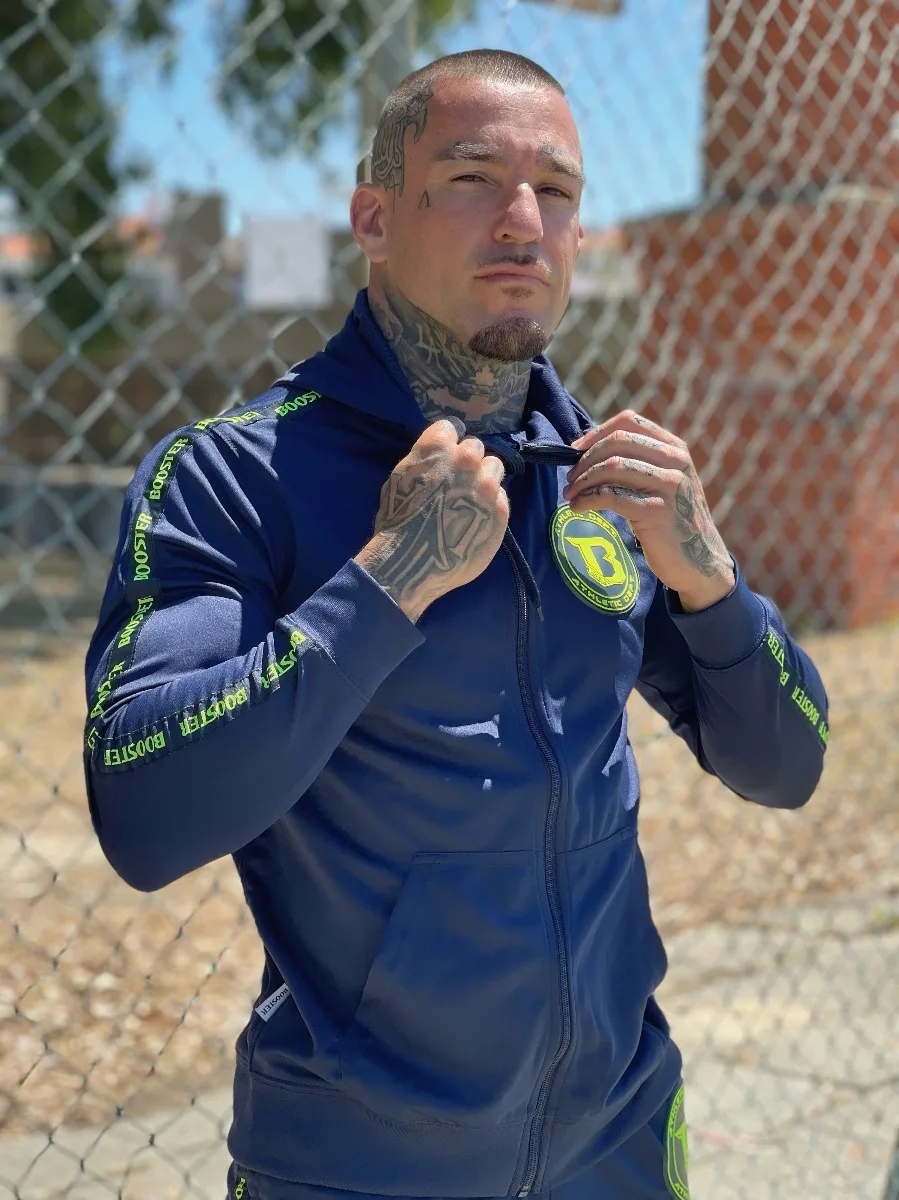 Booster B Athletic Track 2 – 89.21 €
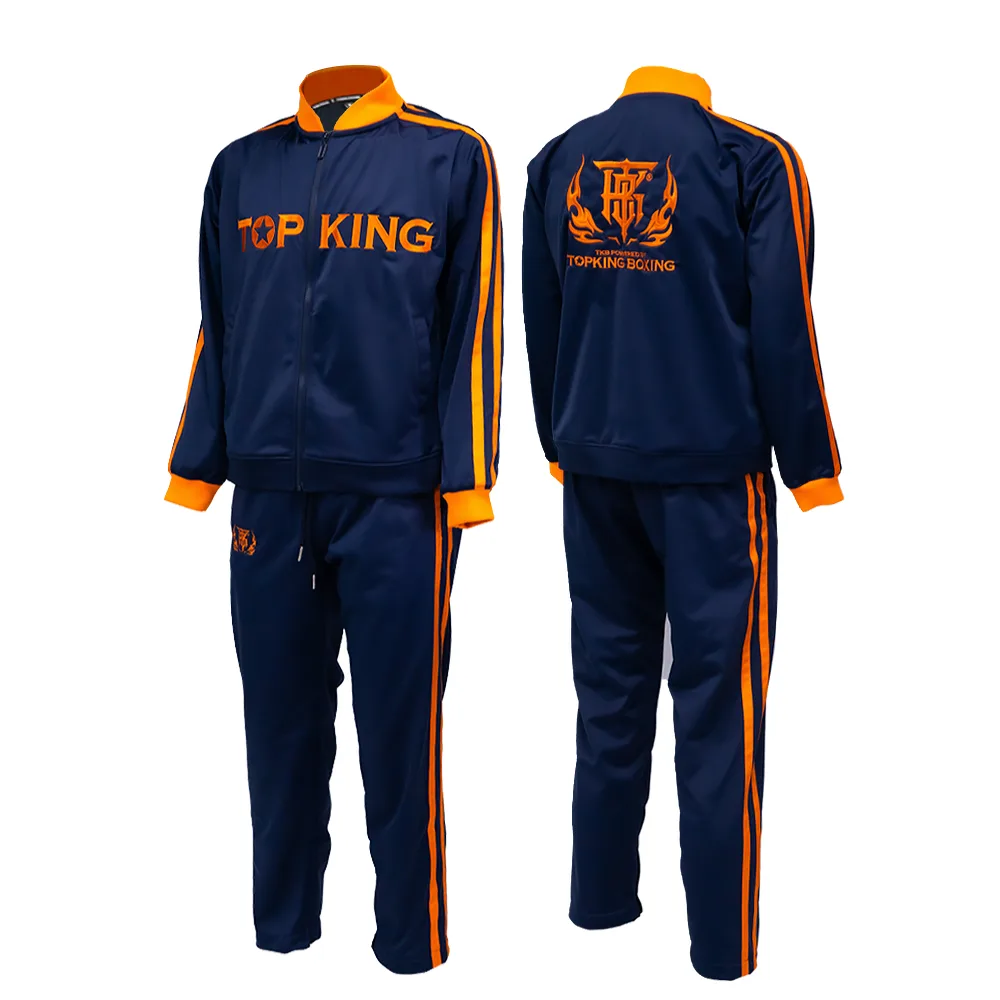 TOPKING TRACKSUIT ORANGE 011
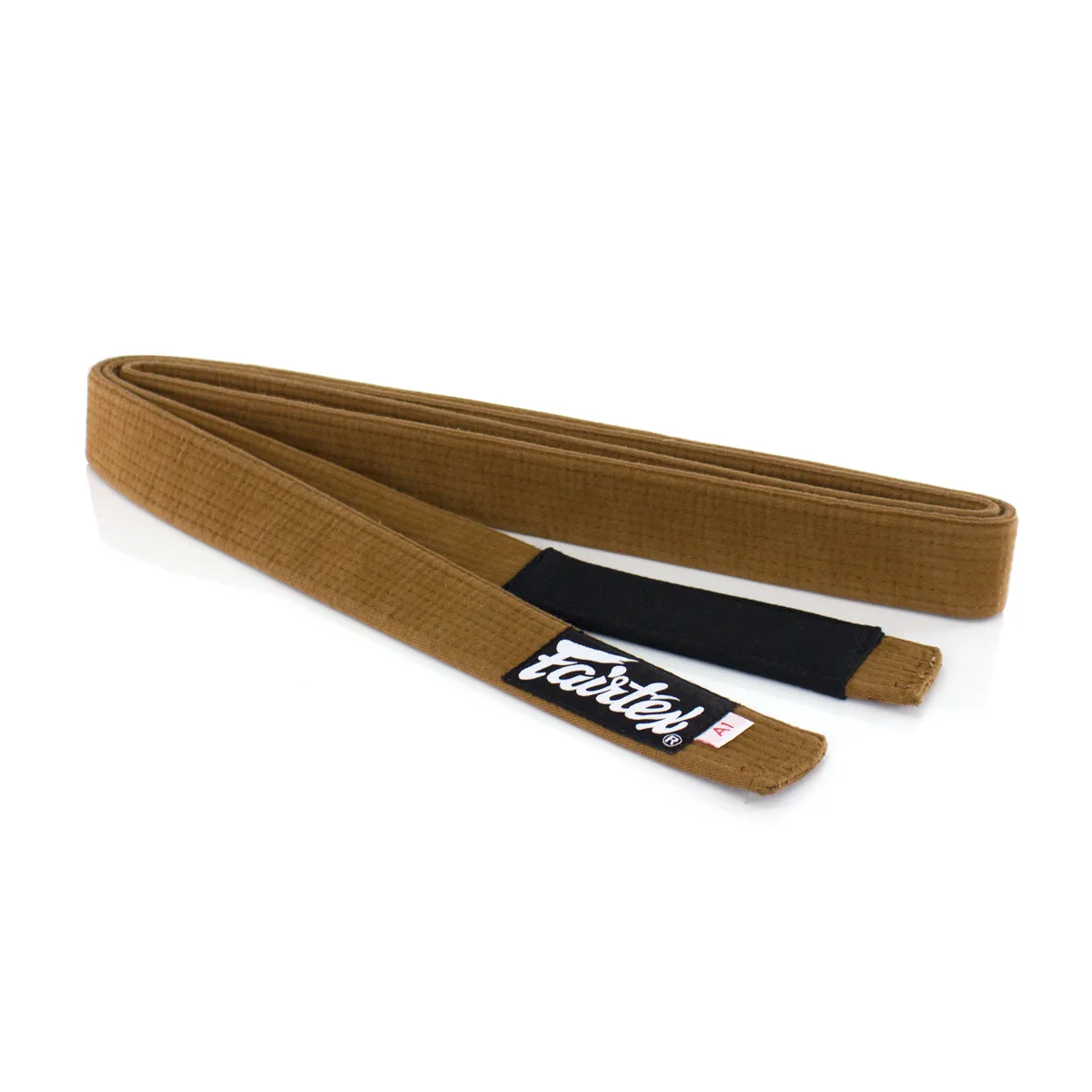 Fairtex Brazilian Jiu-Jitsu Belt (Cotton) — Brown – 11.70 €
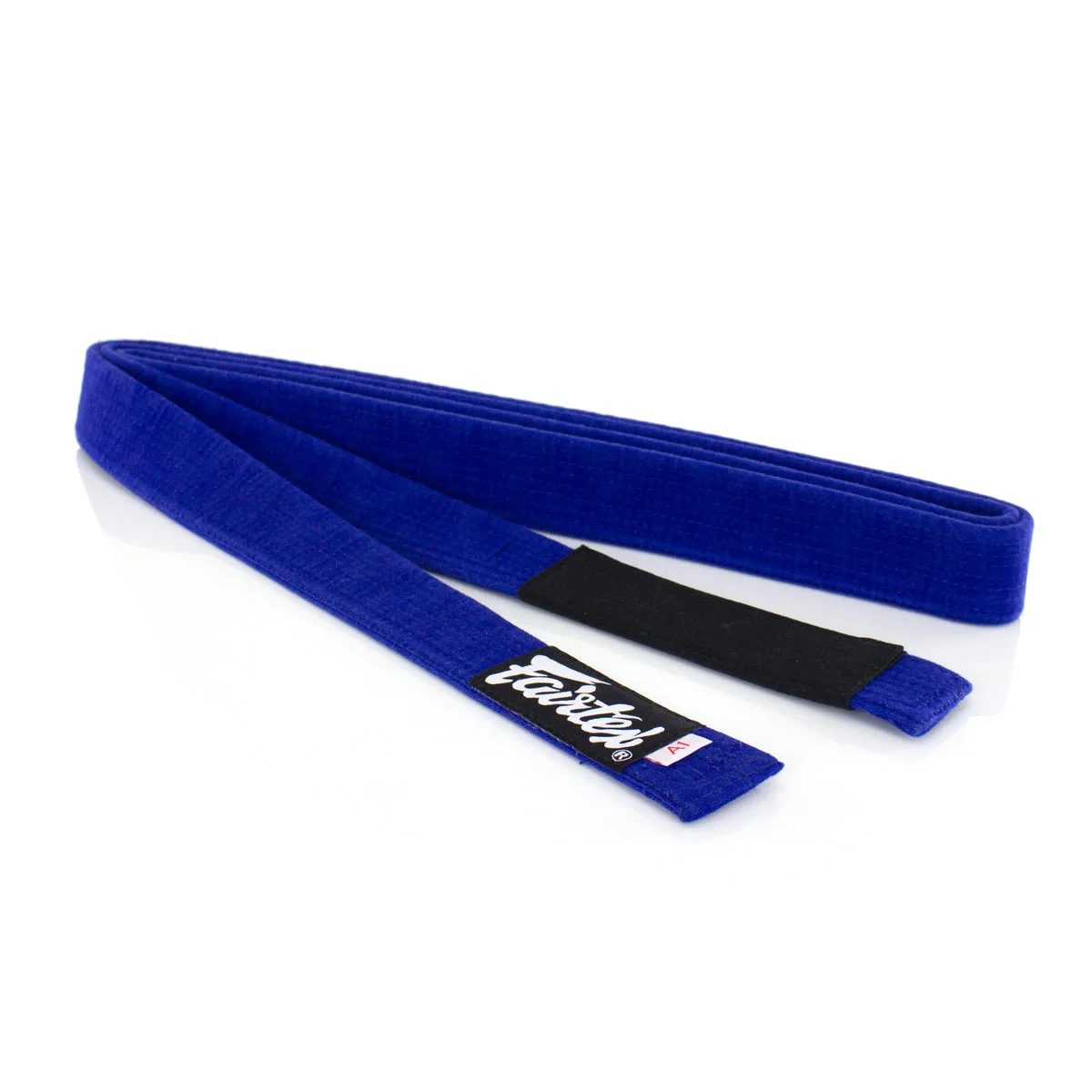 Fairtex Brazilian Jiu-Jitsu Belt (Cotton) — Blue – 11.70 €
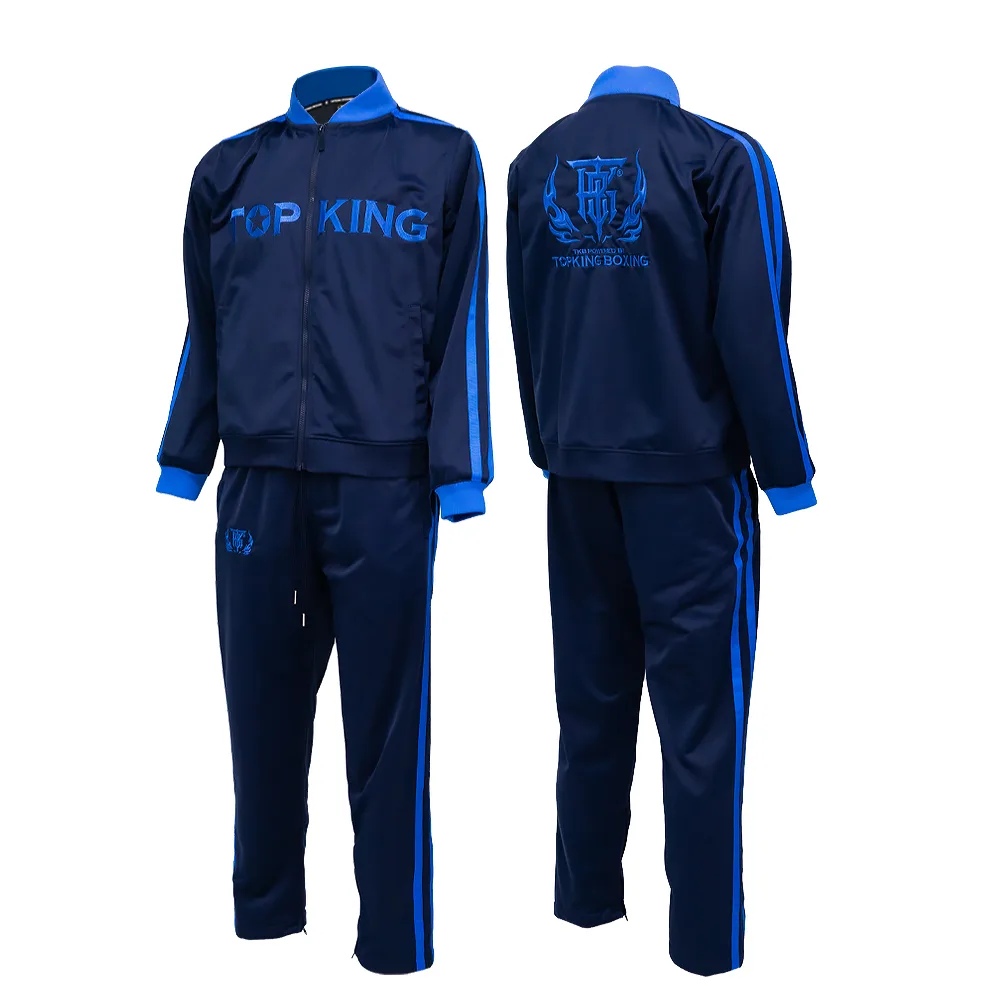 TOPKING TRACKSUIT BLUE 011
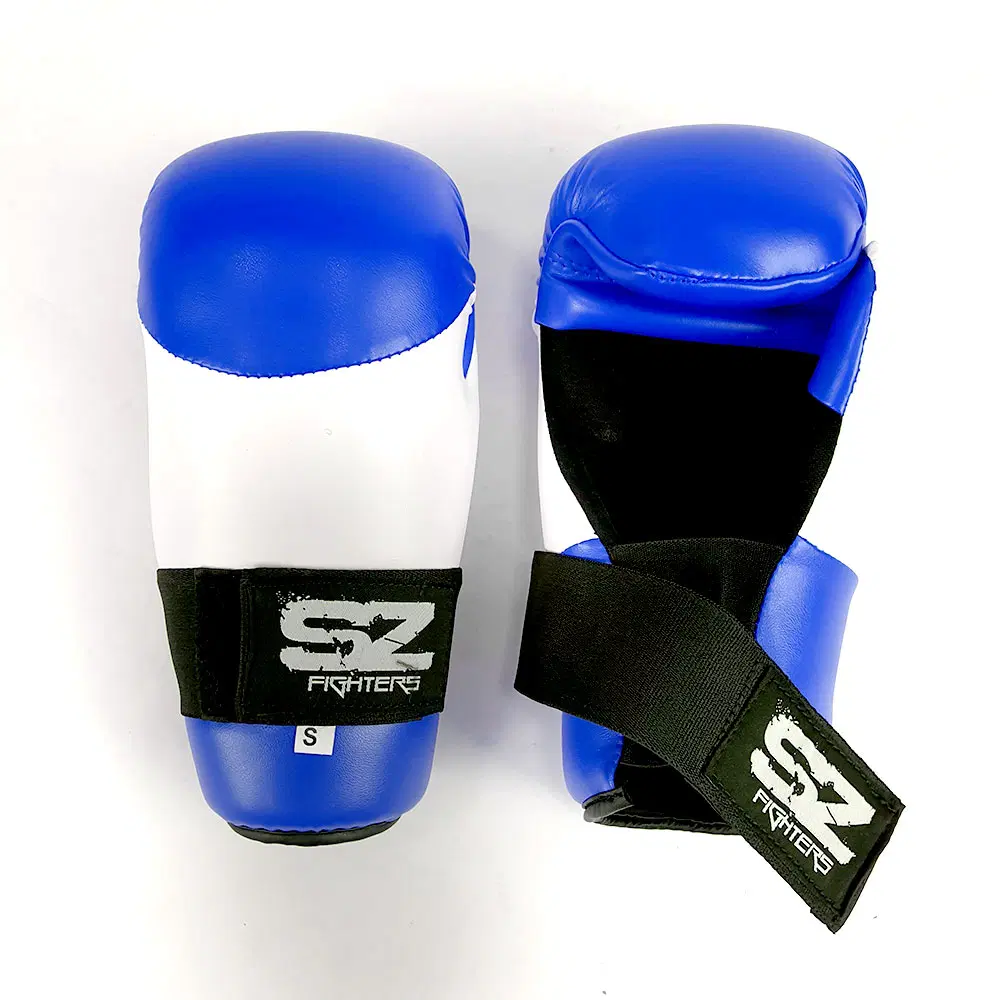 SZ Fighters – Отворени ръкавици за Таекуондо – Blue – 19.02 €
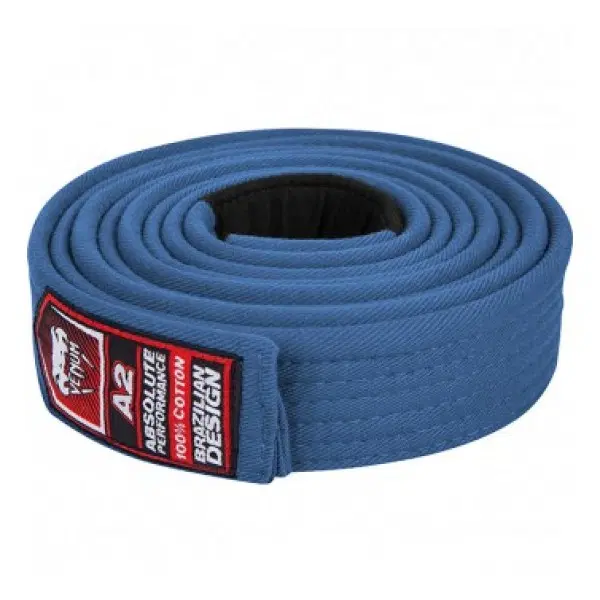 Колан за Джу-джицу / Жиу - Жицу - VENUM BJJ BELT / BLUE – 23.01 €
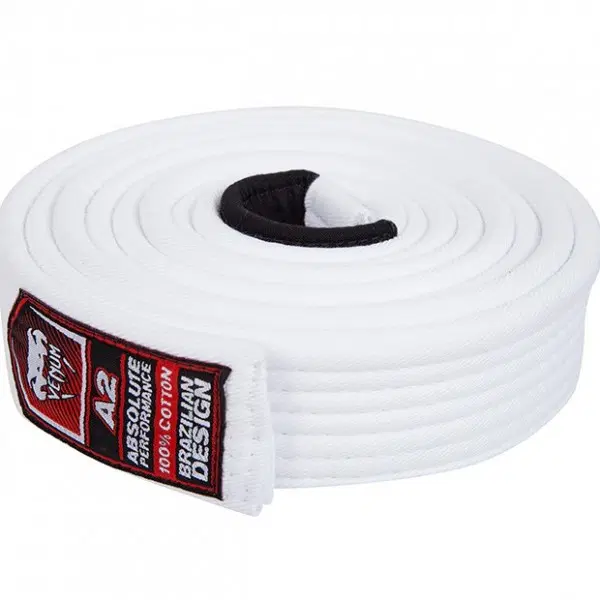 Колан за Джу-джицу / Жиу Жицу - VENUM BJJ BELT / WHITE – 23.01 €
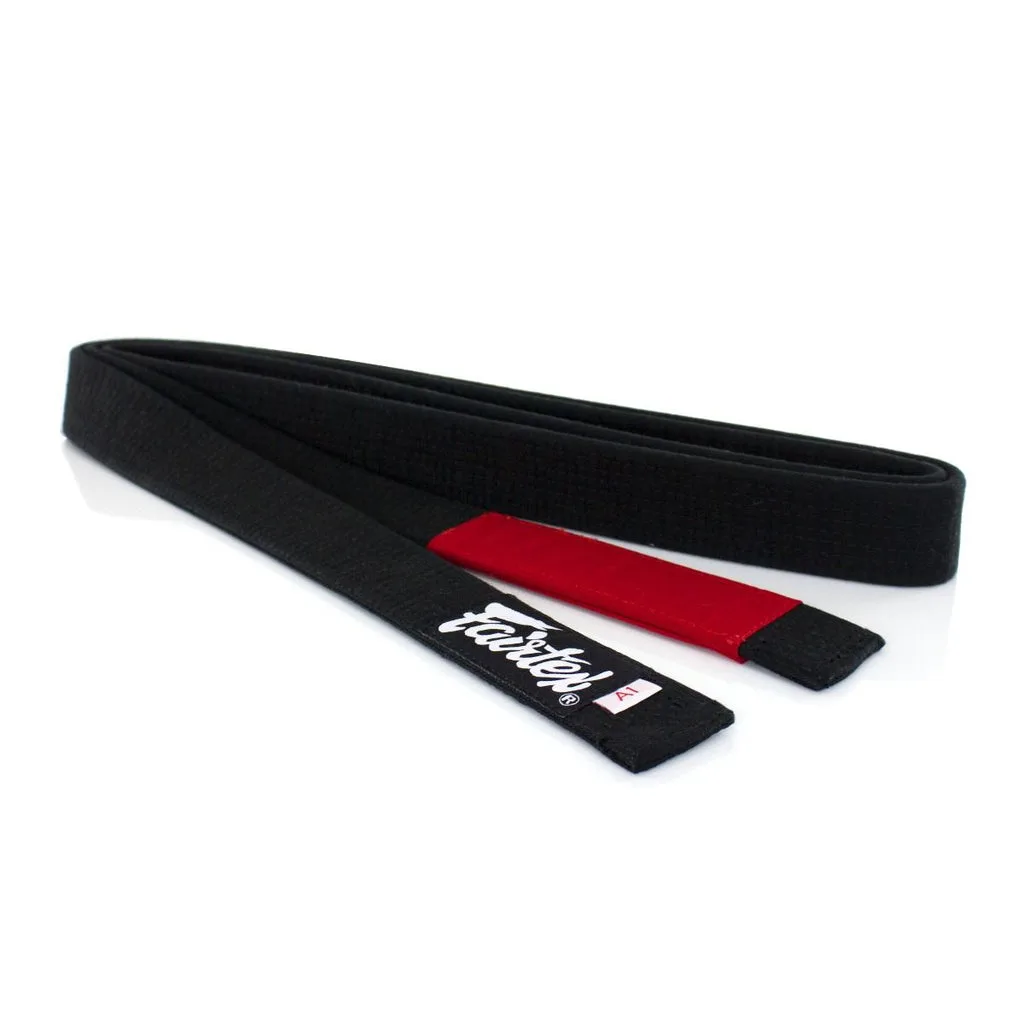 Fairtex Brazilian Jiu-Jitsu Belt Hemp BJJH1 — Black – 18.75 €
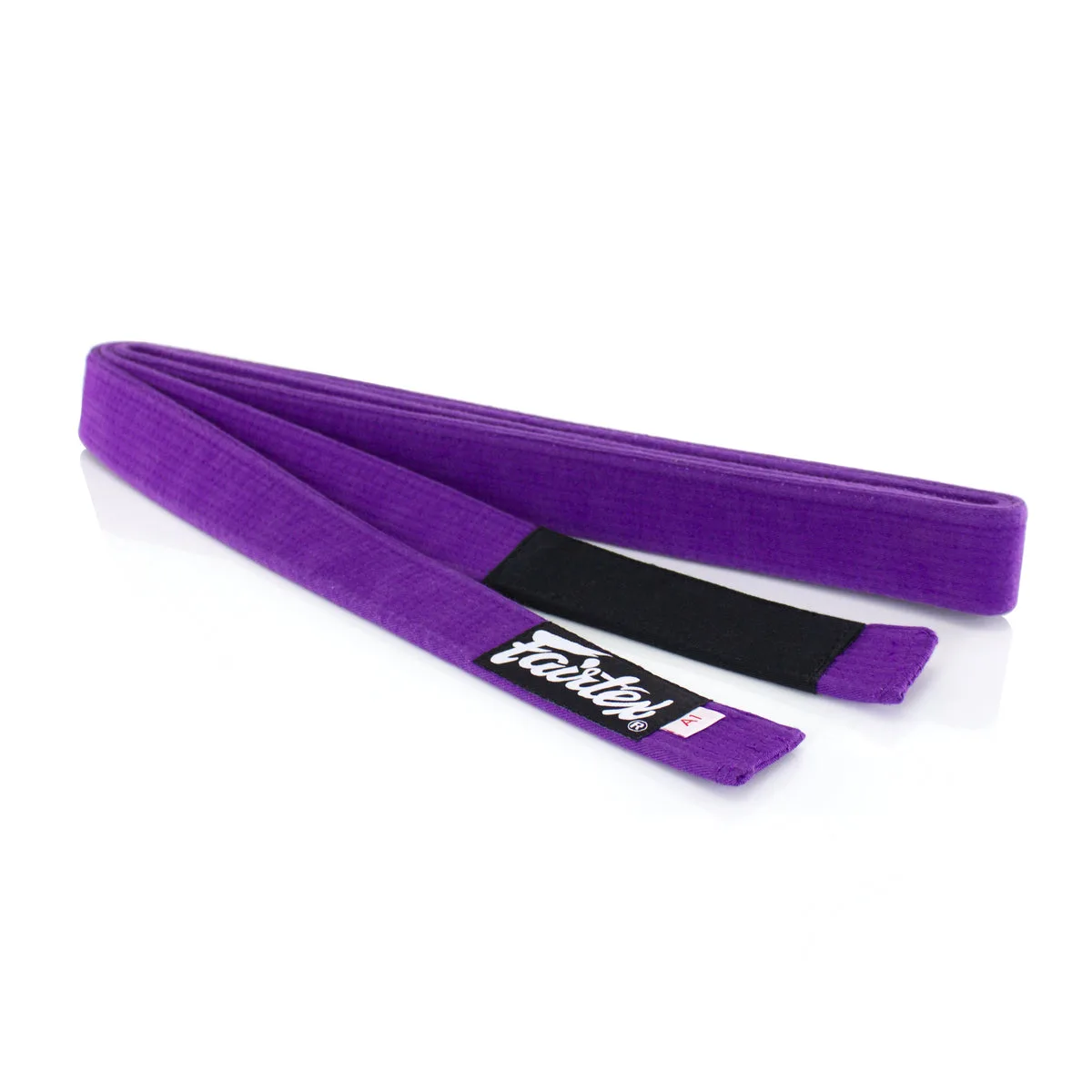 Fairtex Brazilian Jiu-Jitsu Belt (Cotton) — Purple – 11.70 €
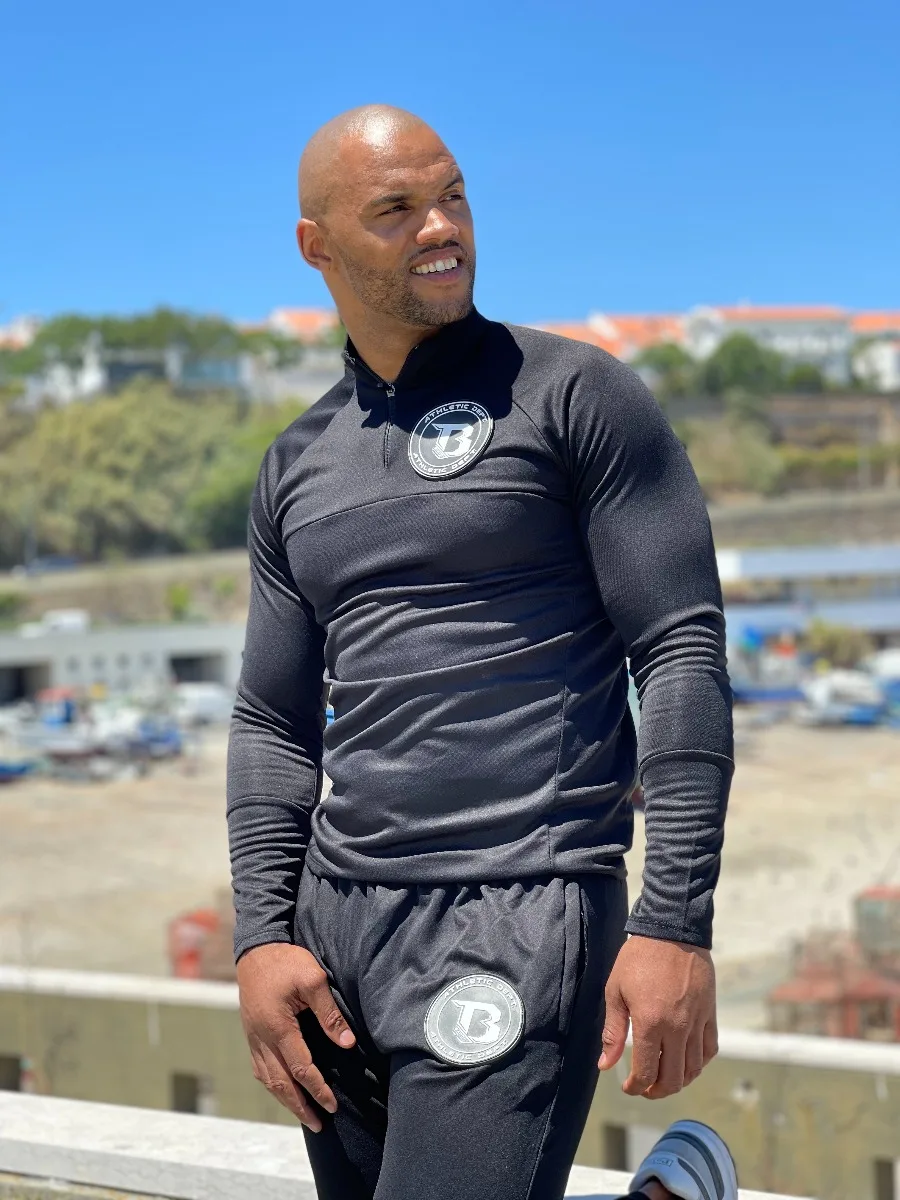 Booster B Force Track 1 – 79.28 €
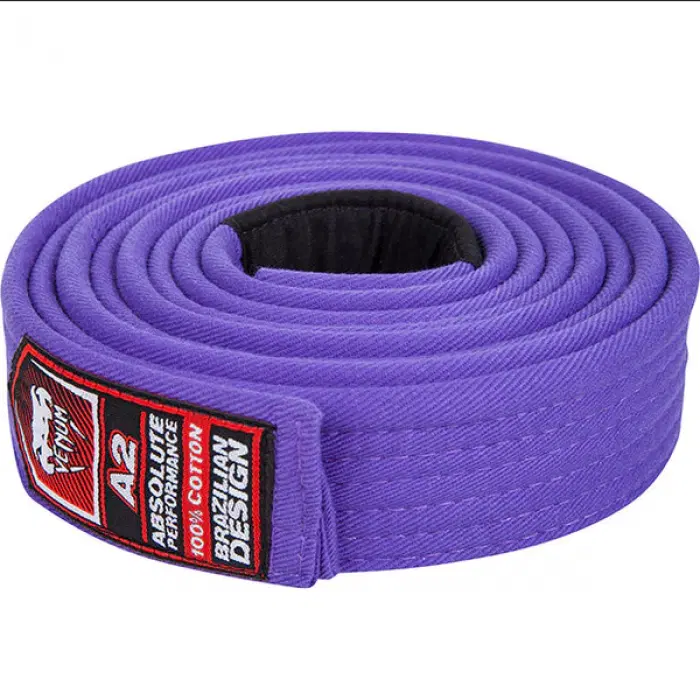 Колан за Джу-джицу - VENUM BJJ BELT / PURPLE – 45.00 €
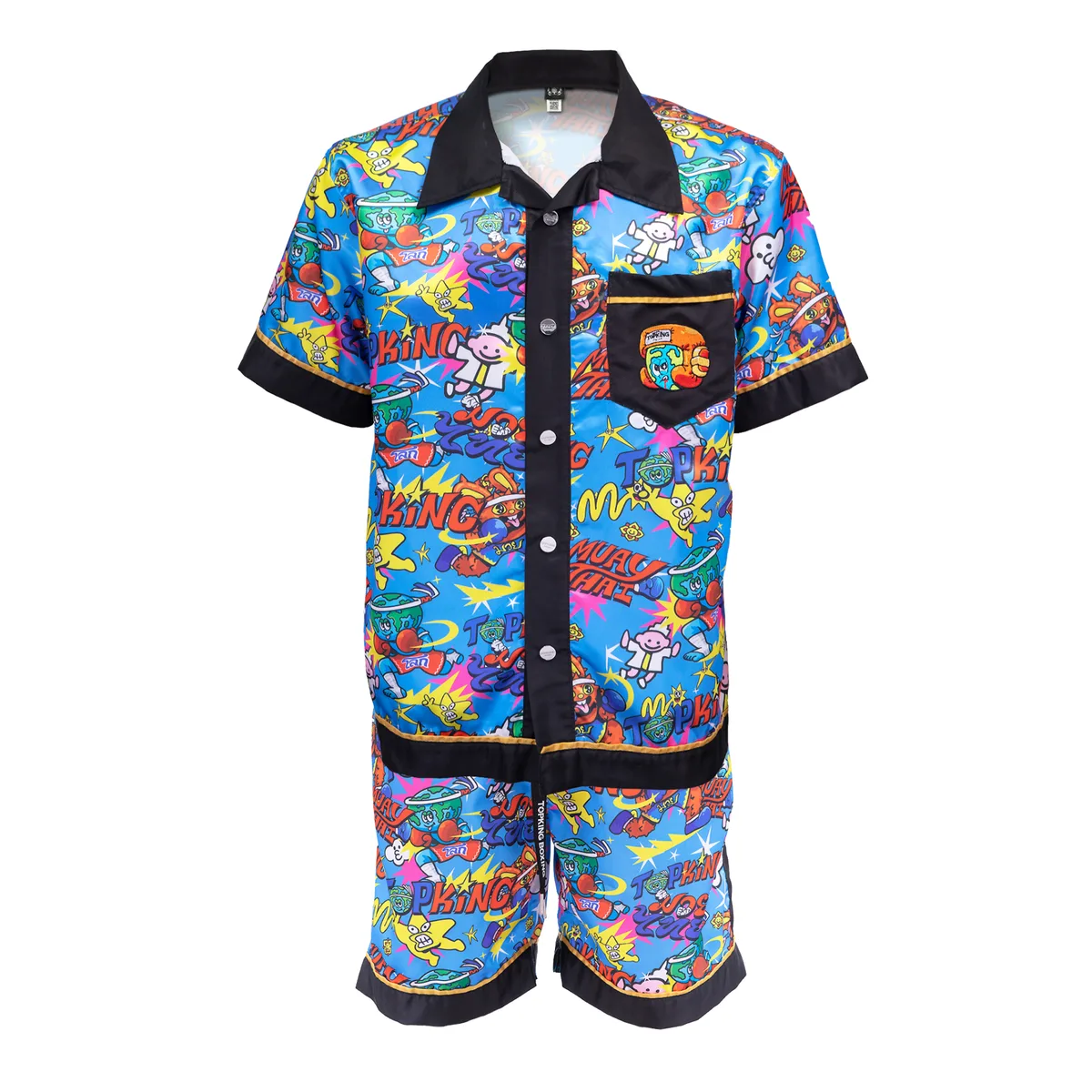 SHORTS SET TOPKING X PUCK 01 SKY BLUE
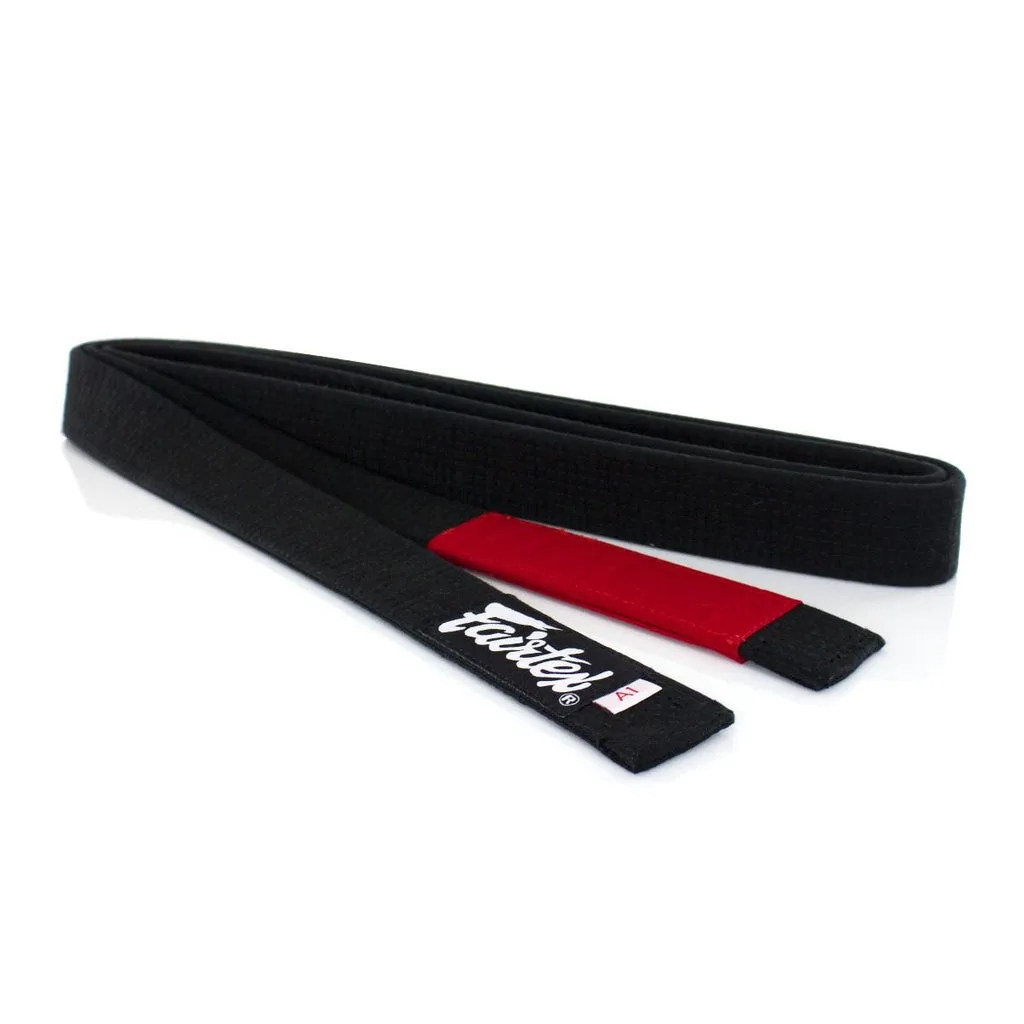 Fairtex Brazilian Jiu-Jitsu Belt (Cotton) — Black – 11.70 €
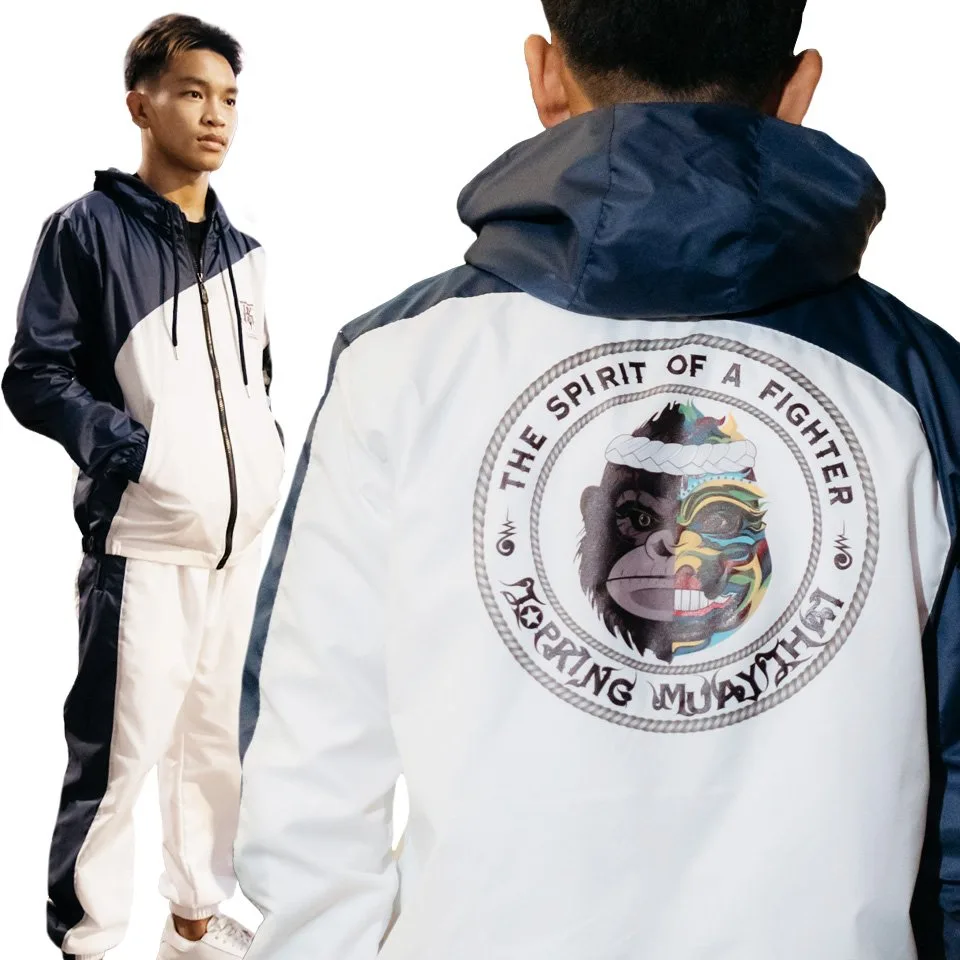 TOPKING WHITE NAVY TRACK SUITS
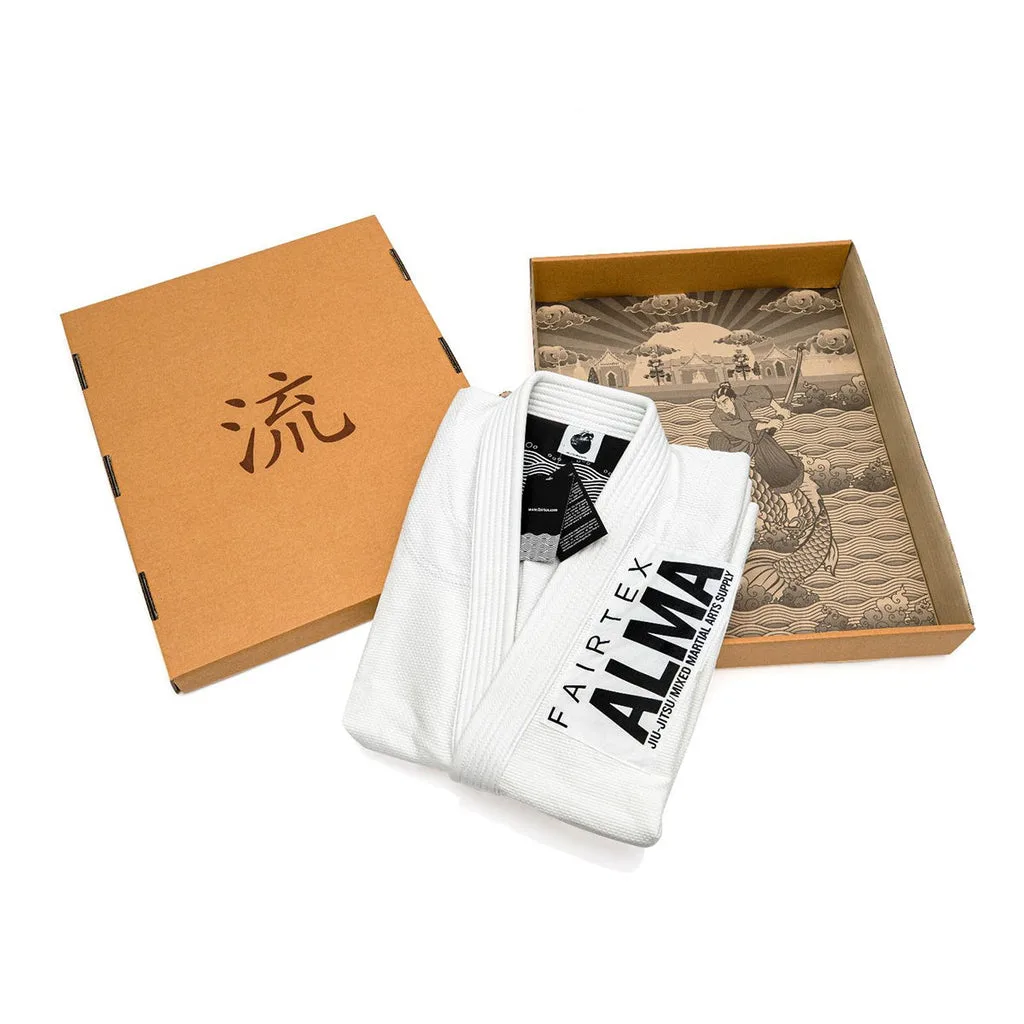 Fairtex X ALMA BJJ Gi — White – 211.55 €
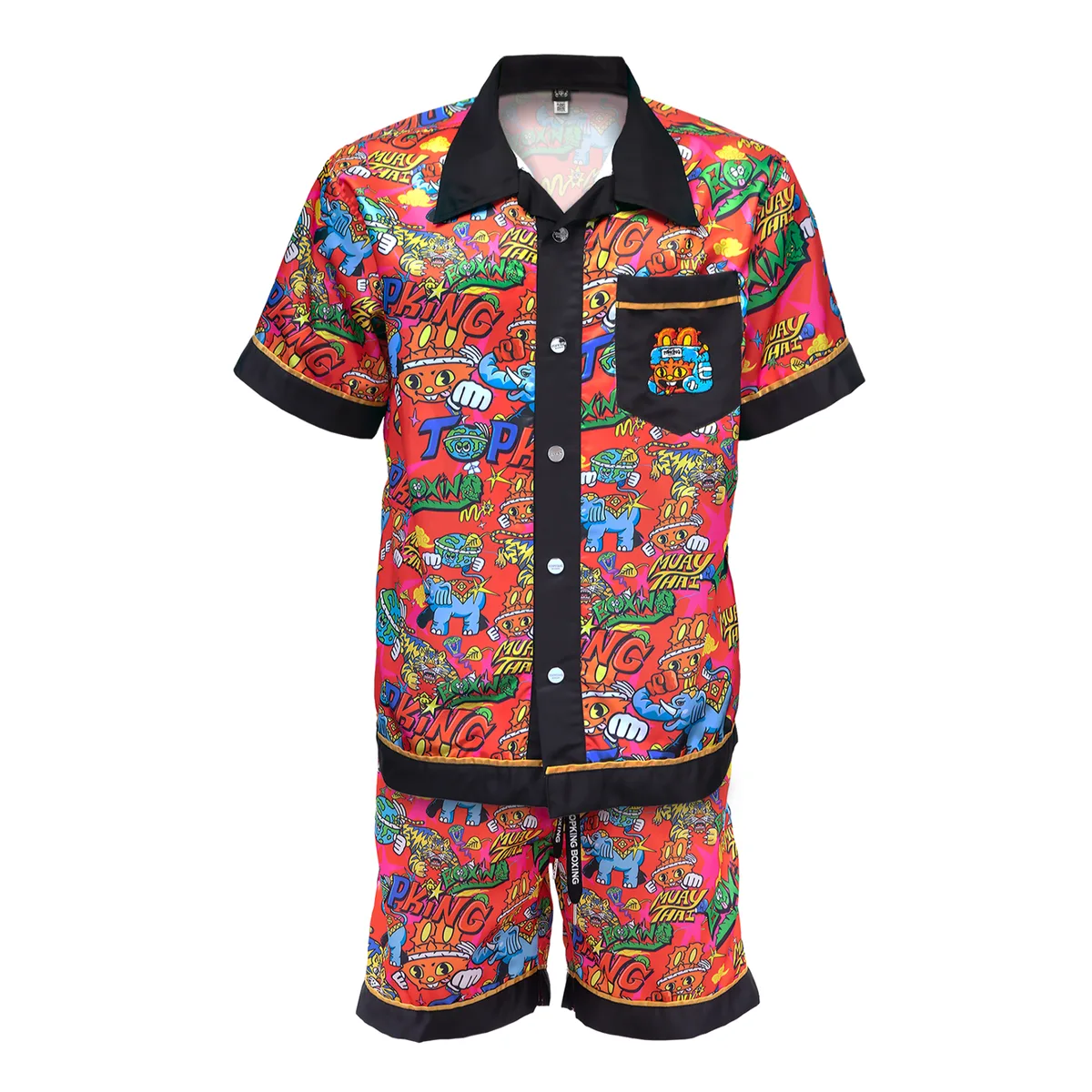 SHORTS SET TOPKING X PUCK 01 RED
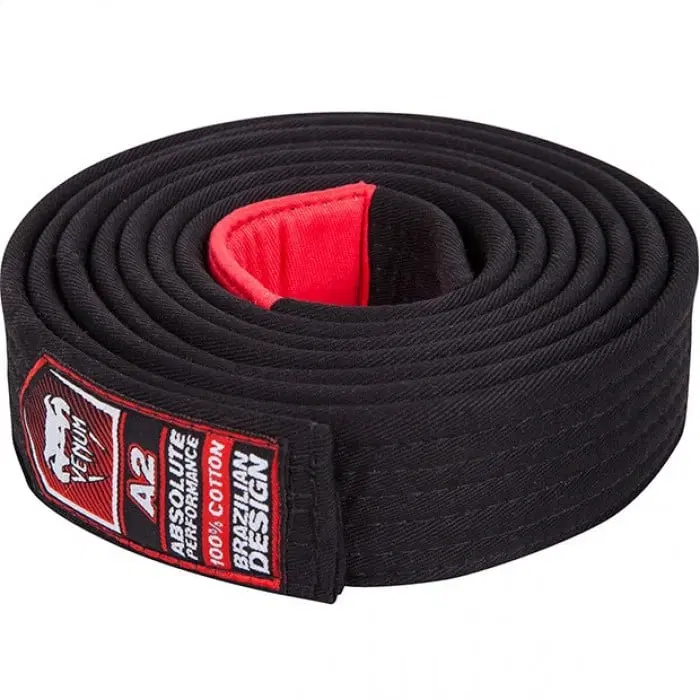 Колан за Джу-джицу - VENUM BJJ BELT / BLACK – 45.00 €
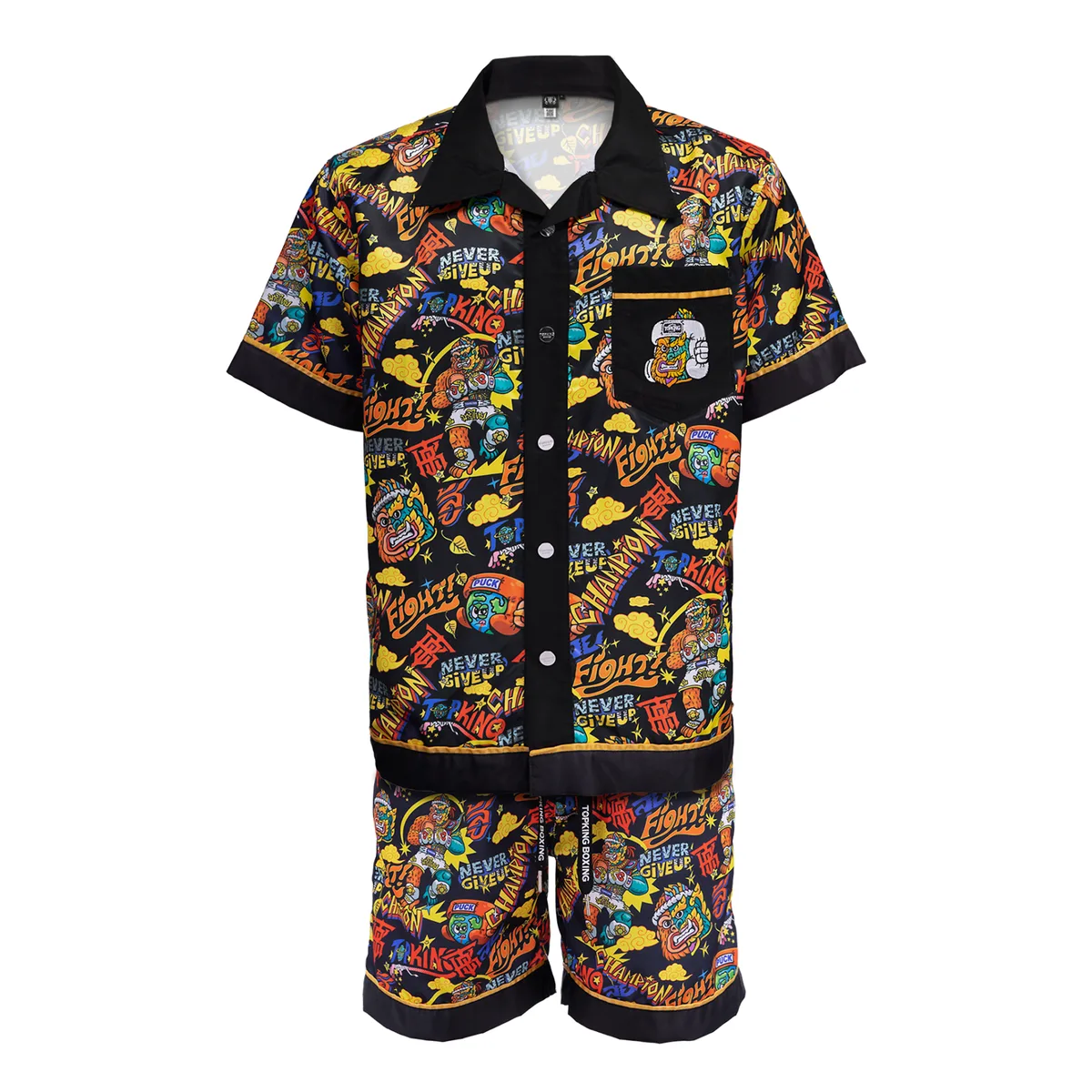 SHORTS SET TOPKING X PUCK 01 BLACK
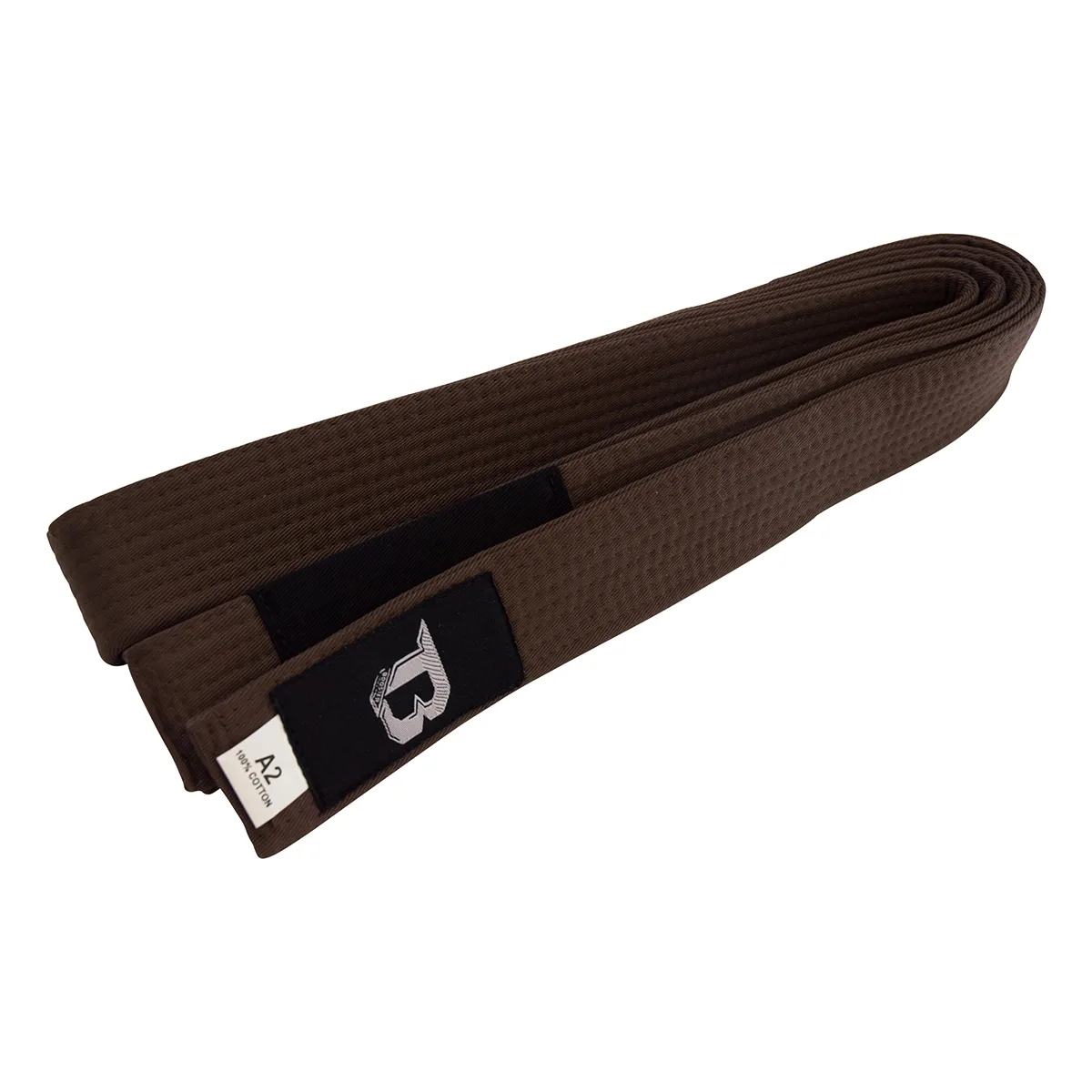 Booster BJJ BELT BROWN – 16.37 €
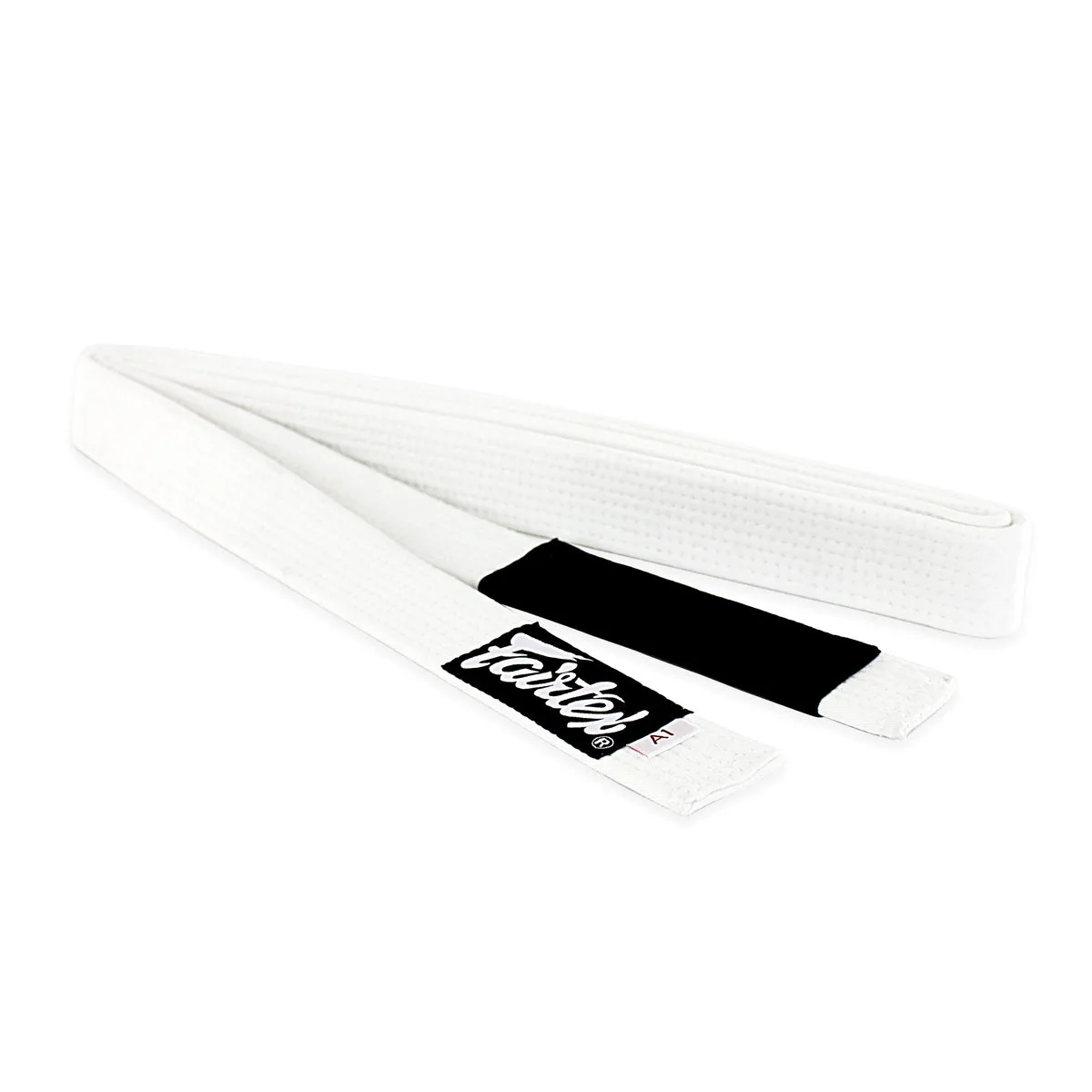 Fairtex Brazilian Jiu-Jitsu Belt (Cotton) — White – 11.70 €
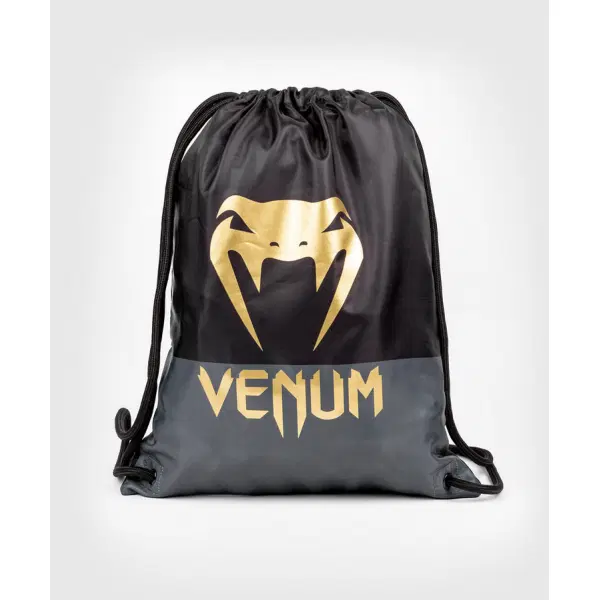 Мешка - Venum Classic Drawstring Bag - Black/Gold – 14.99 €
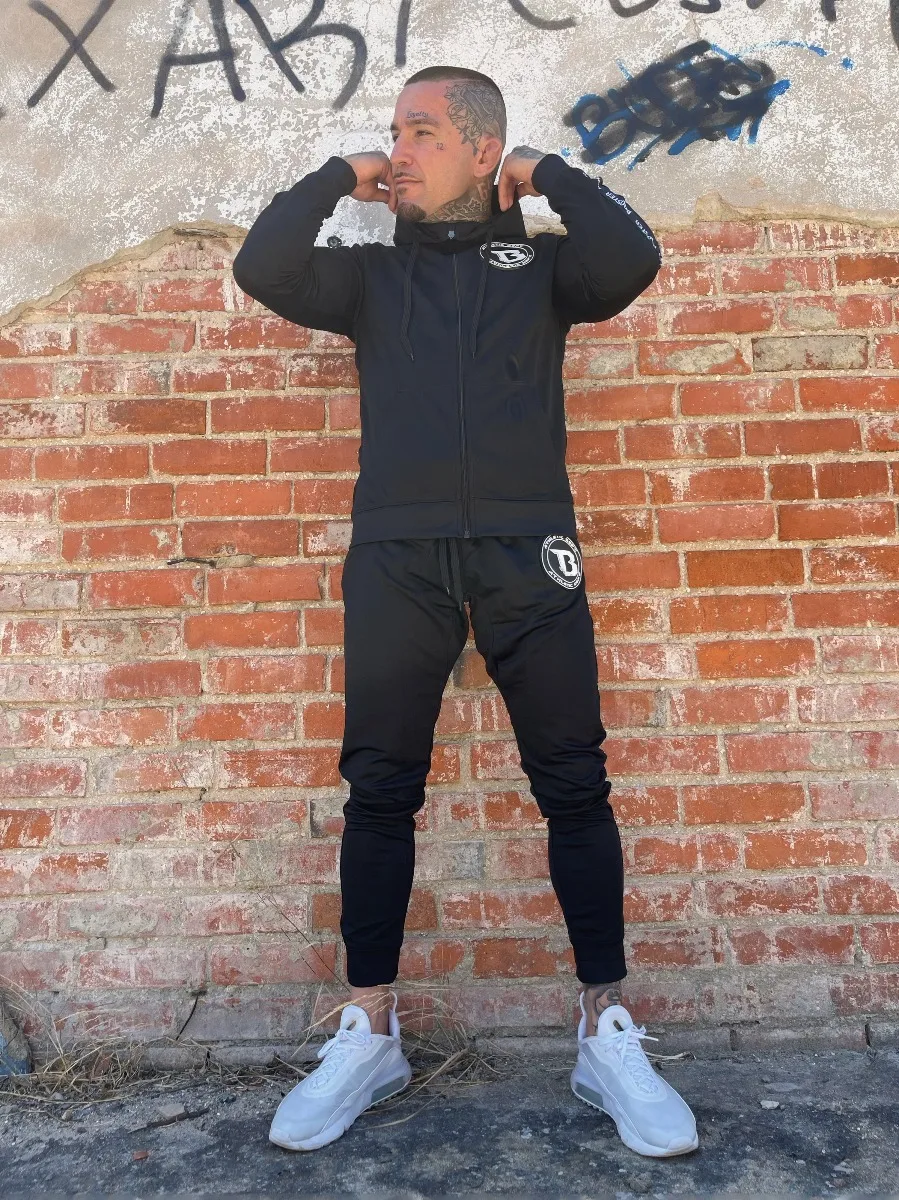 Booster B Athletic Track 1 – 89.21 €
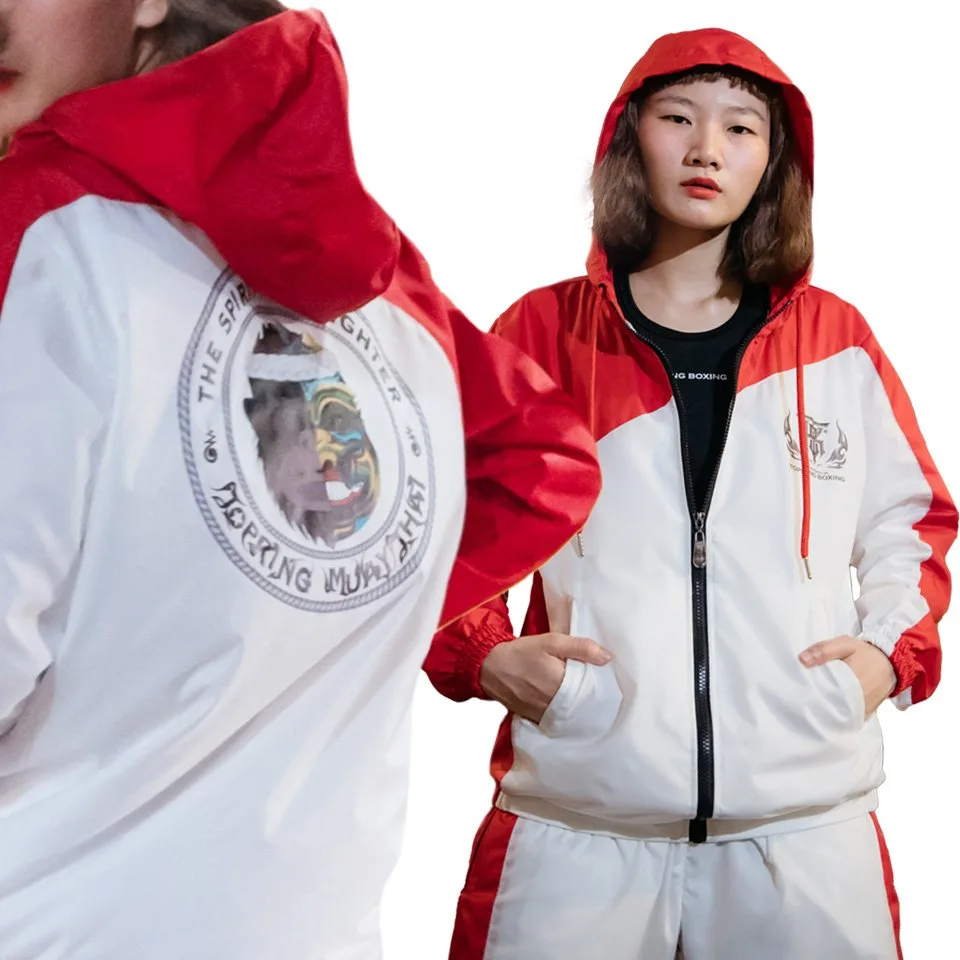 TOPKING WHITE RED TRACK SUITS
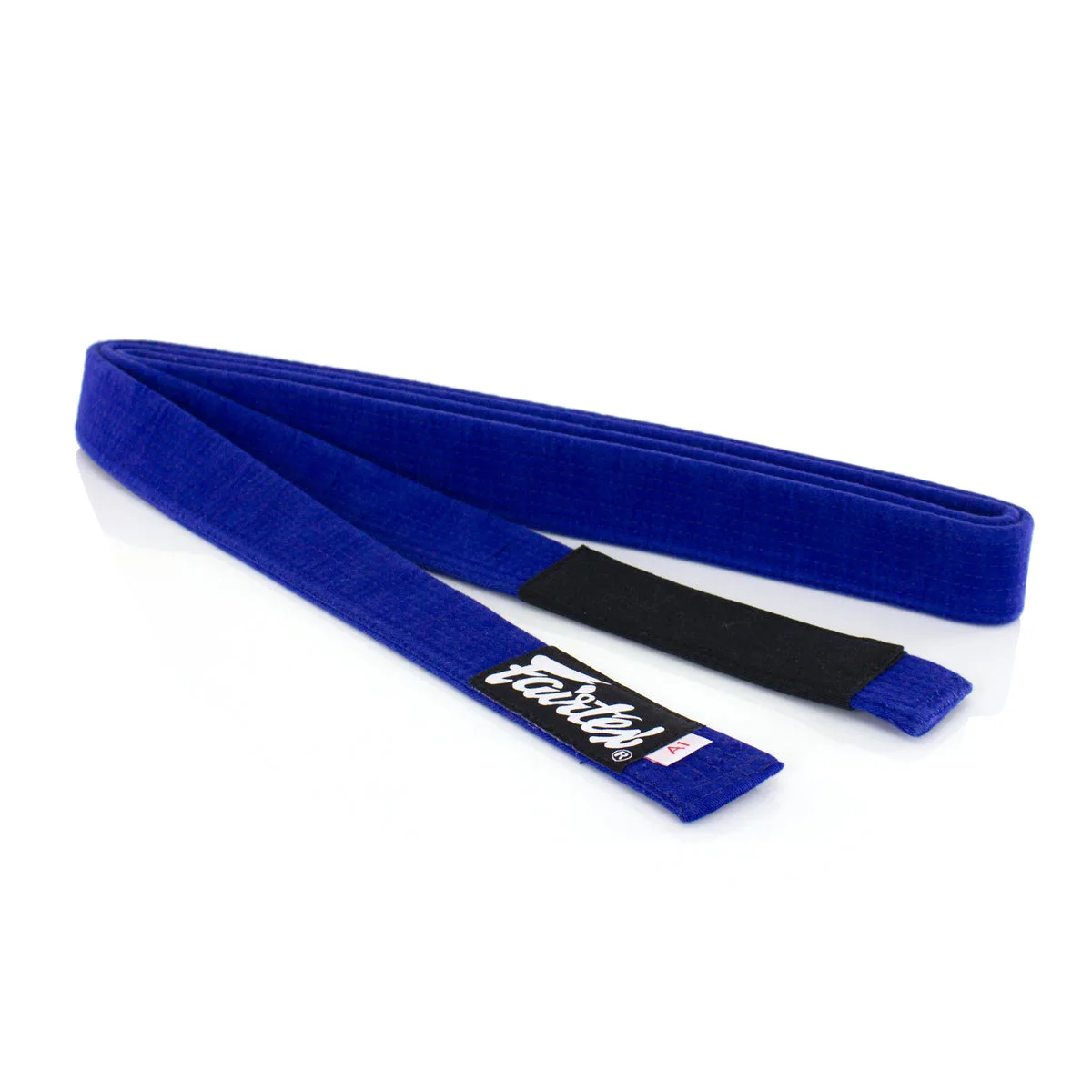 Fairtex Brazilian Jiu-Jitsu Belt Hemp BJJH1 — Blue – 18.75 €
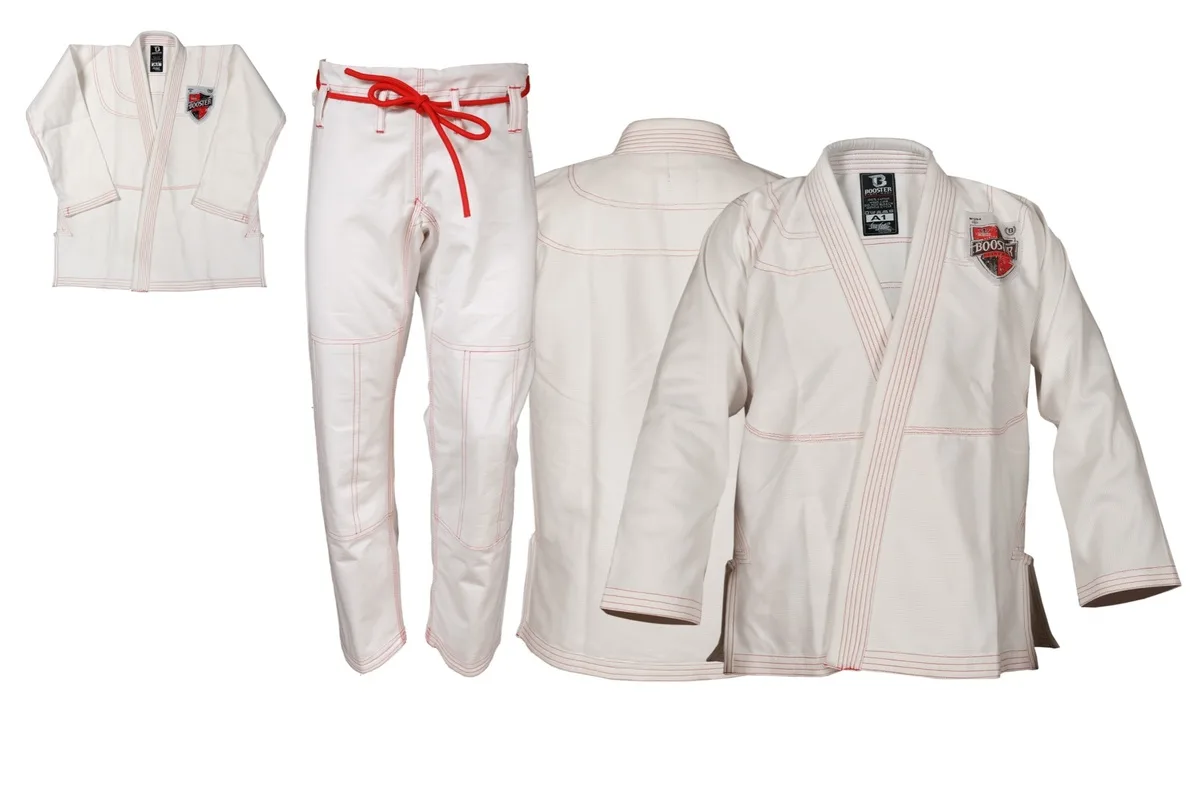 Booster BJJ V 2 PRO SHIELD WHITE – 109.04 €
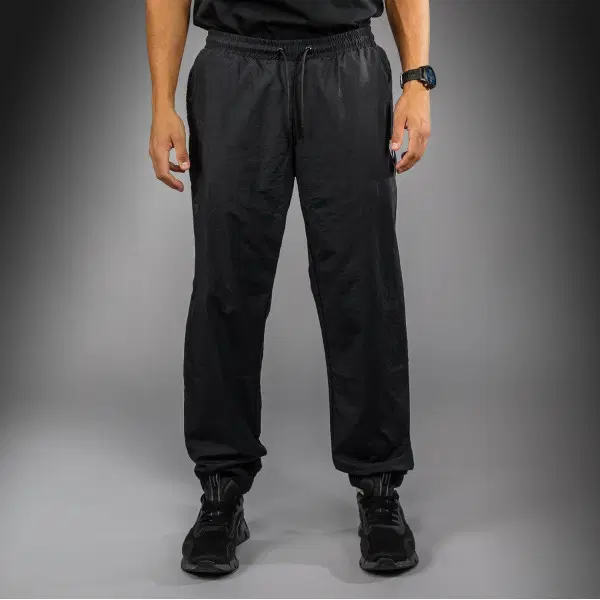 Анцуг долнище - Venum Vectra Joggers - Black/Blue – 49.98 €
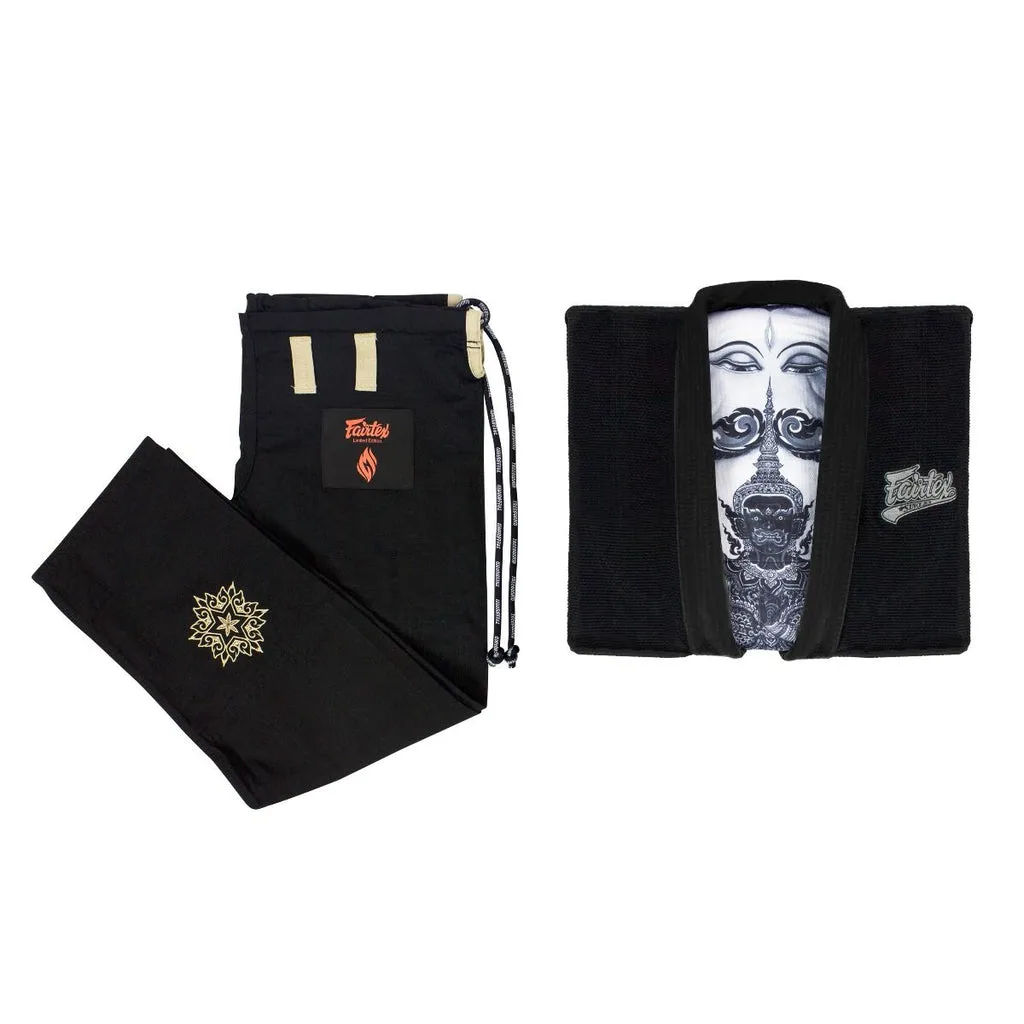 BJJ Gi "Treeburam" — Black – 121.80 €
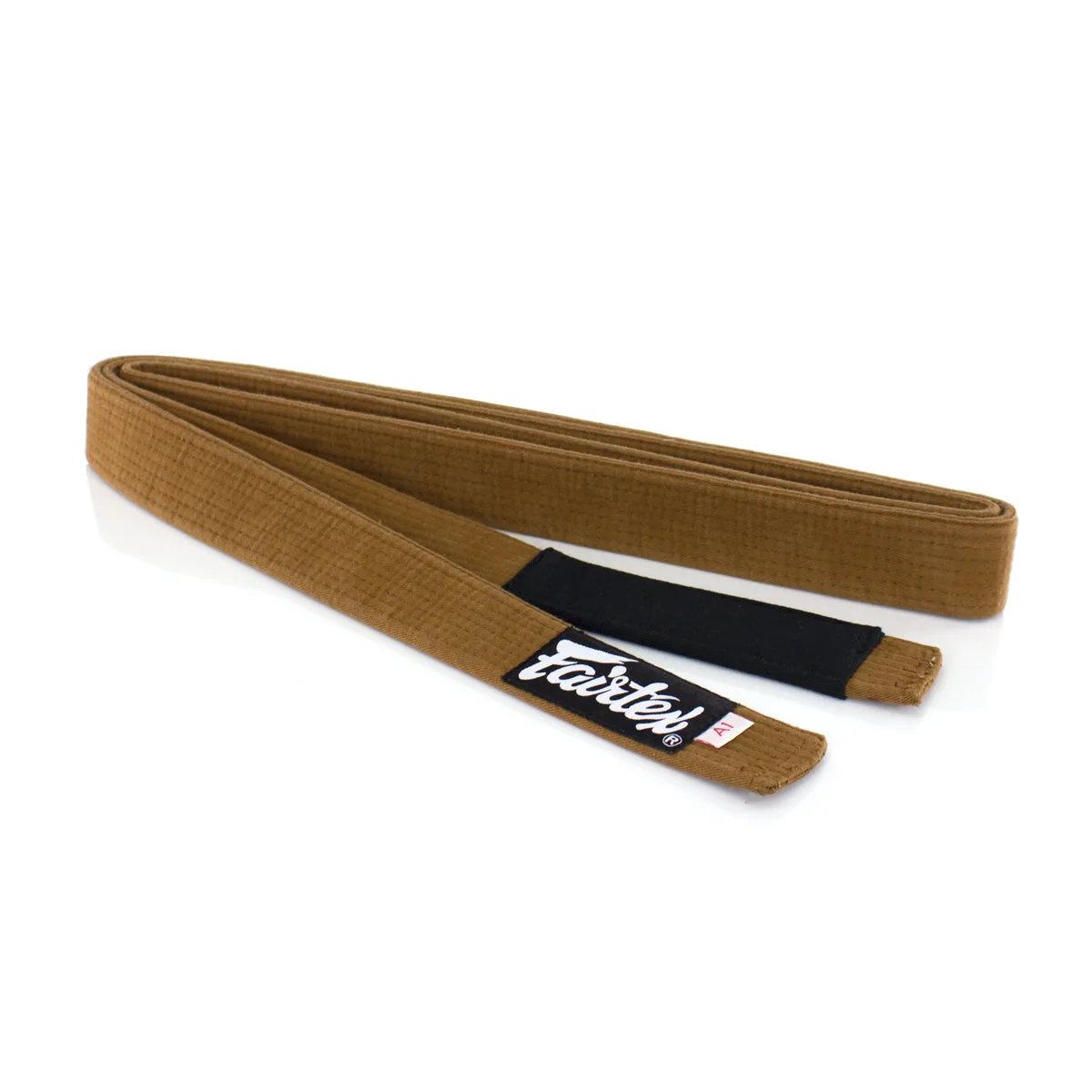 Fairtex Brazilian Jiu-Jitsu Belt Hemp BJJH1 — Brown – 18.75 €
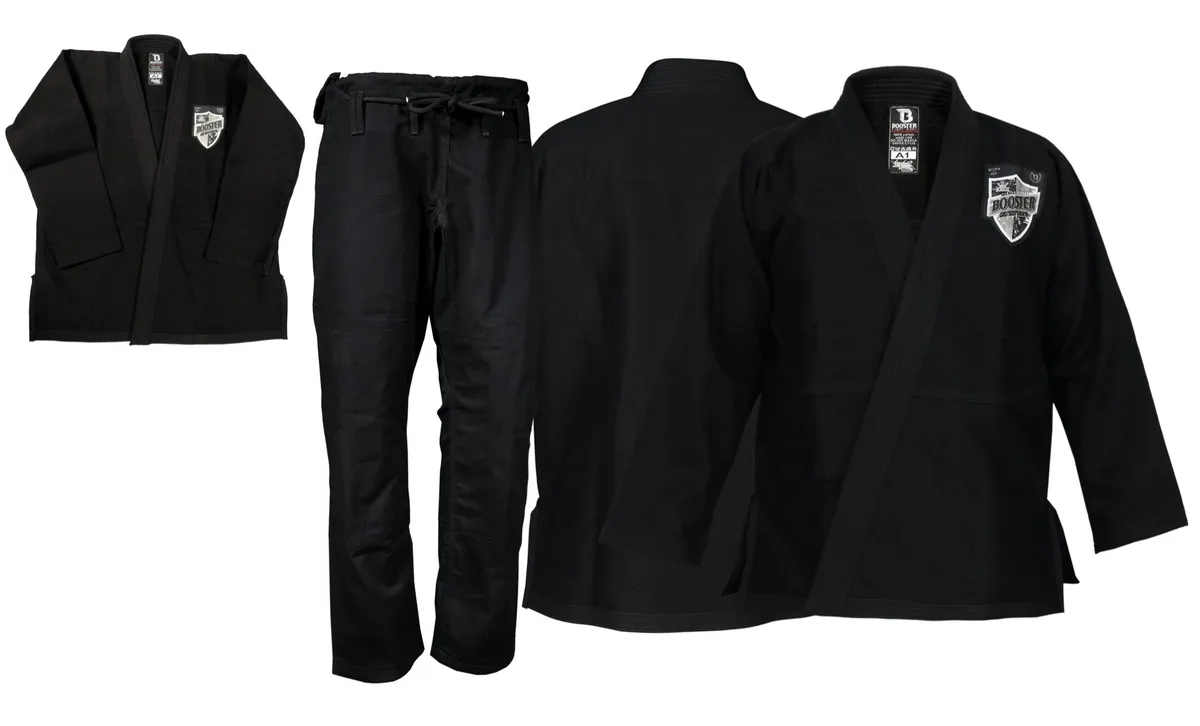 Booster BJJ V 2 PRO SHIELD BLACK – 109.04 €
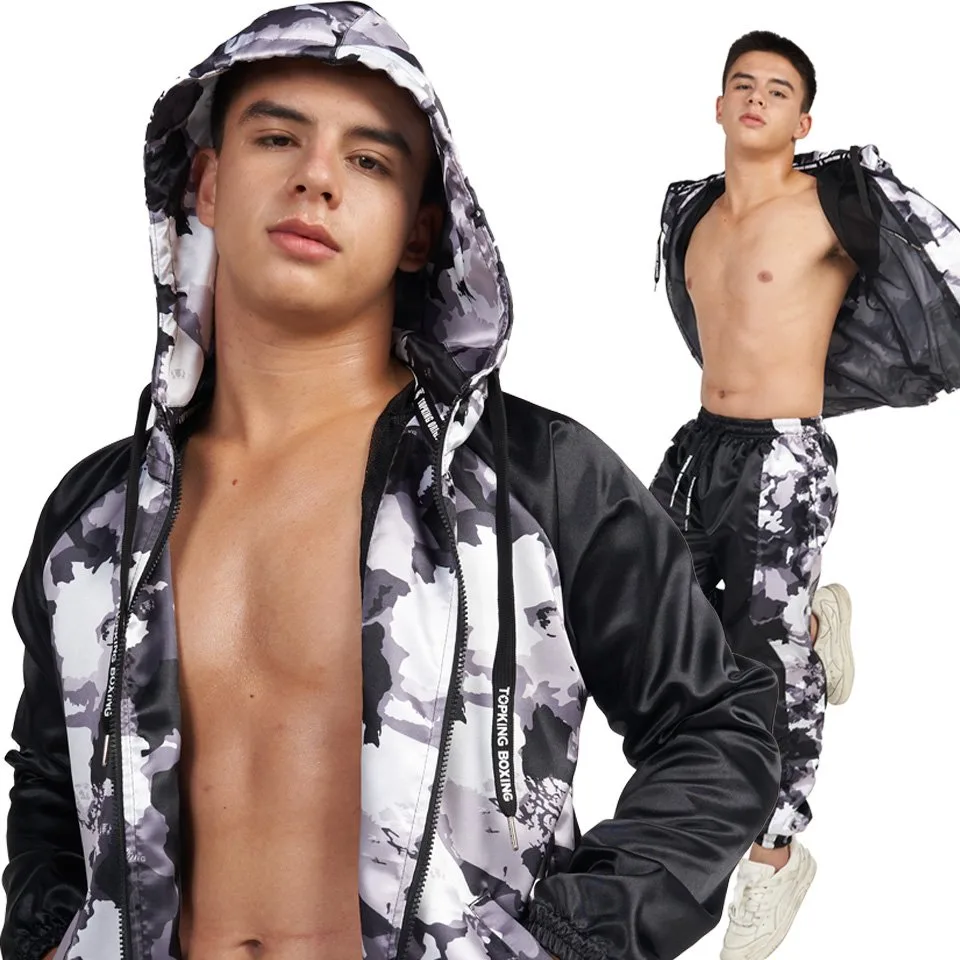 TOPKING TRACKSUIT GREY CAMOUFLAGE
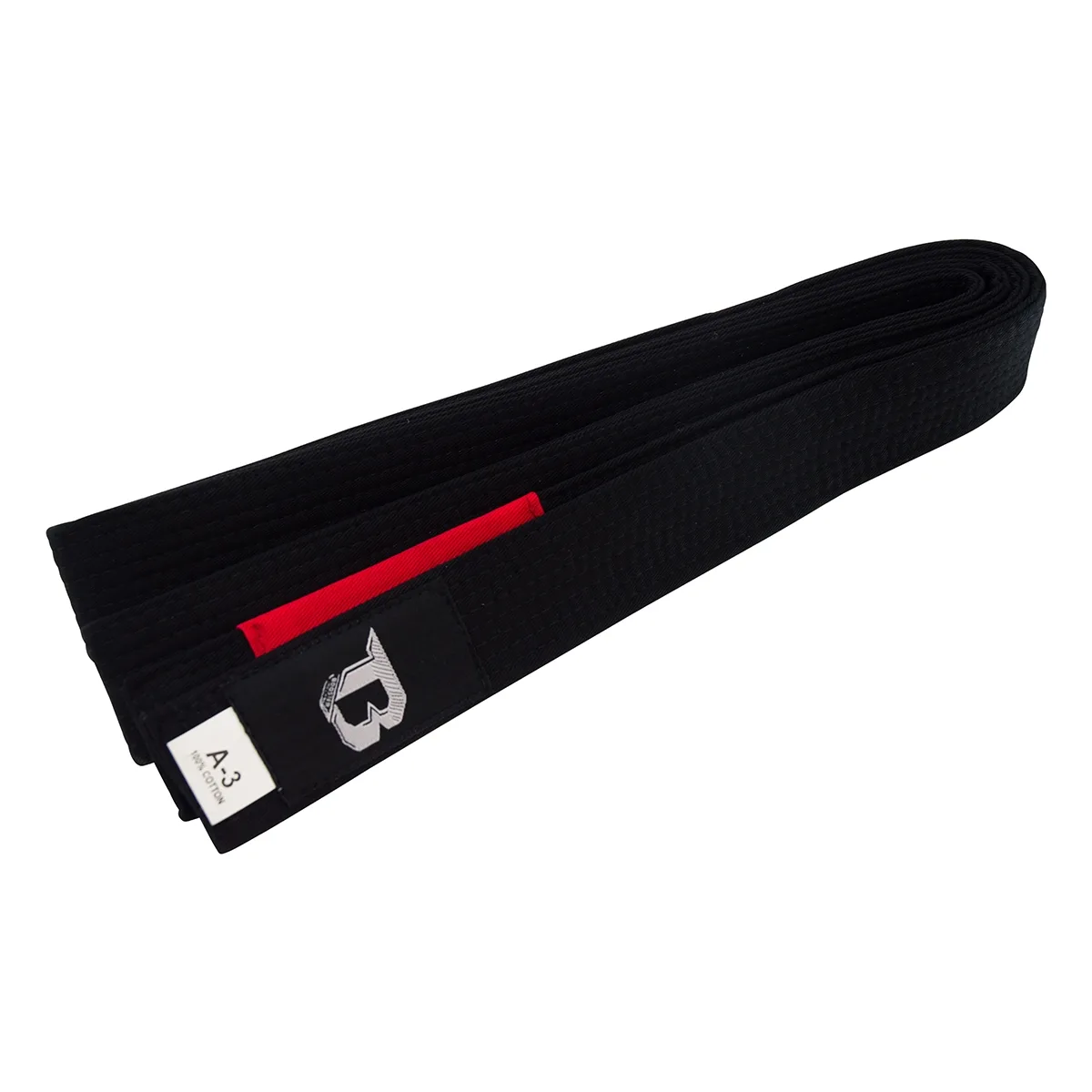 Booster BJJ BELT BLACK – 16.37 €
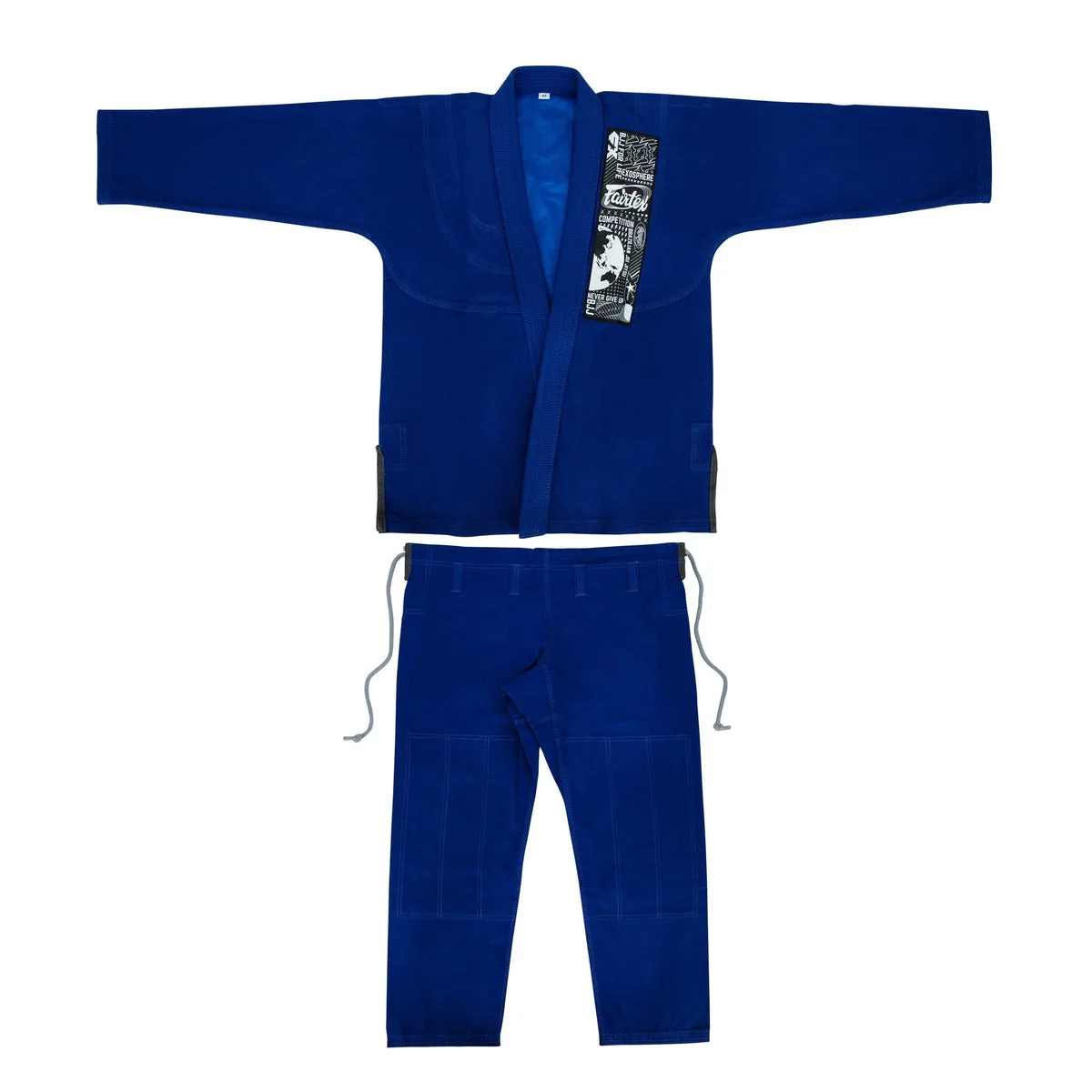 Fairtex BJJ Gi "EXOSPHERE" - Blue — Blue – 102.56 €
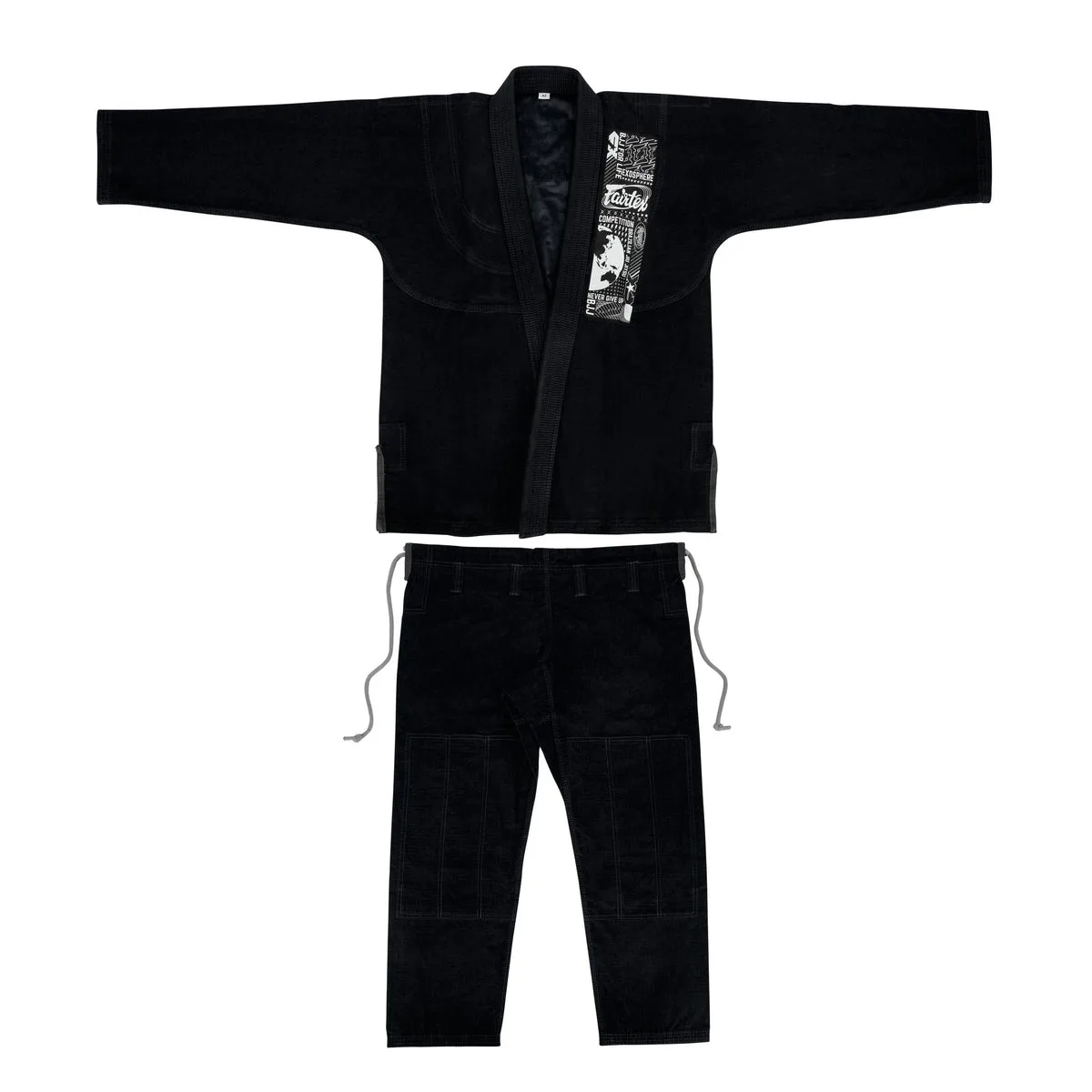 Fairtex BJJ Gi "EXOSPHERE" - Black — Black – 102.56 €
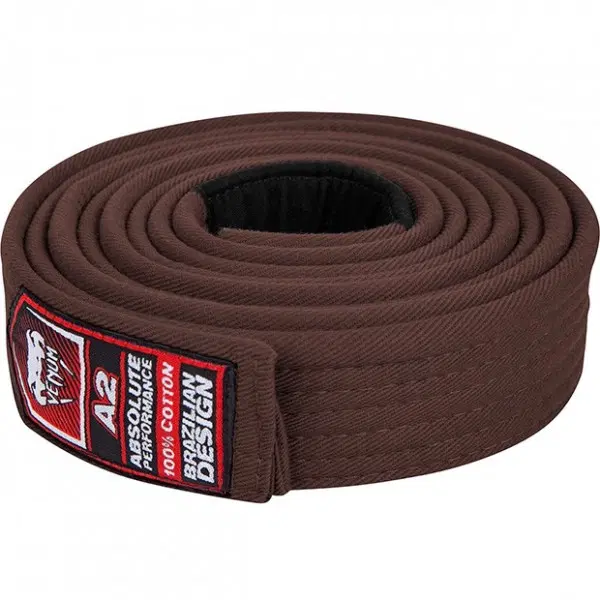 КОЛАН ЗА ДЖУ-ДЖИЦУ / ЖИУ - ЖИЦУ - VENUM BJJ BELT / BROWN – 23.01 €
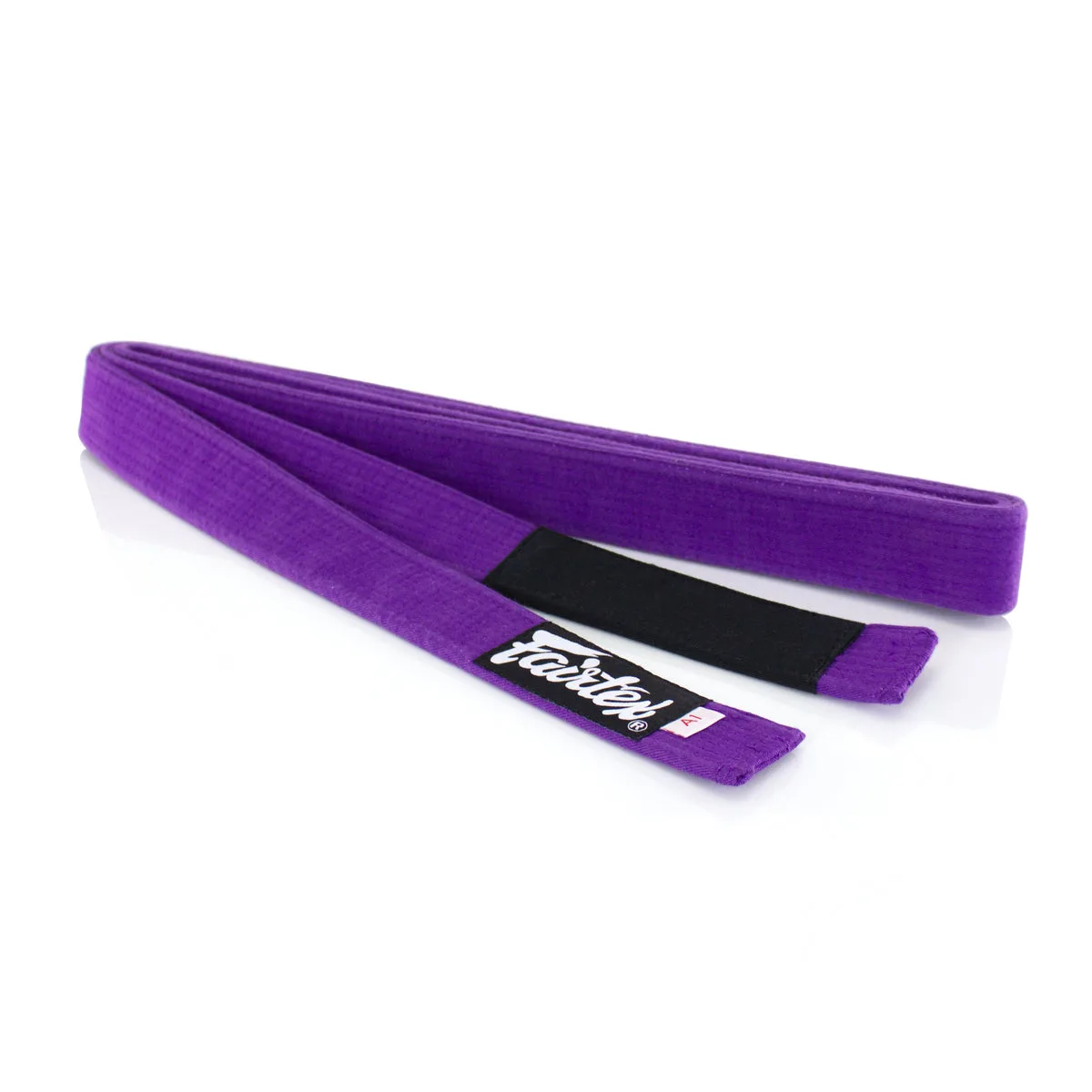 Fairtex Brazilian Jiu-Jitsu Belt Hemp BJJH1 — Purple – 18.75 €
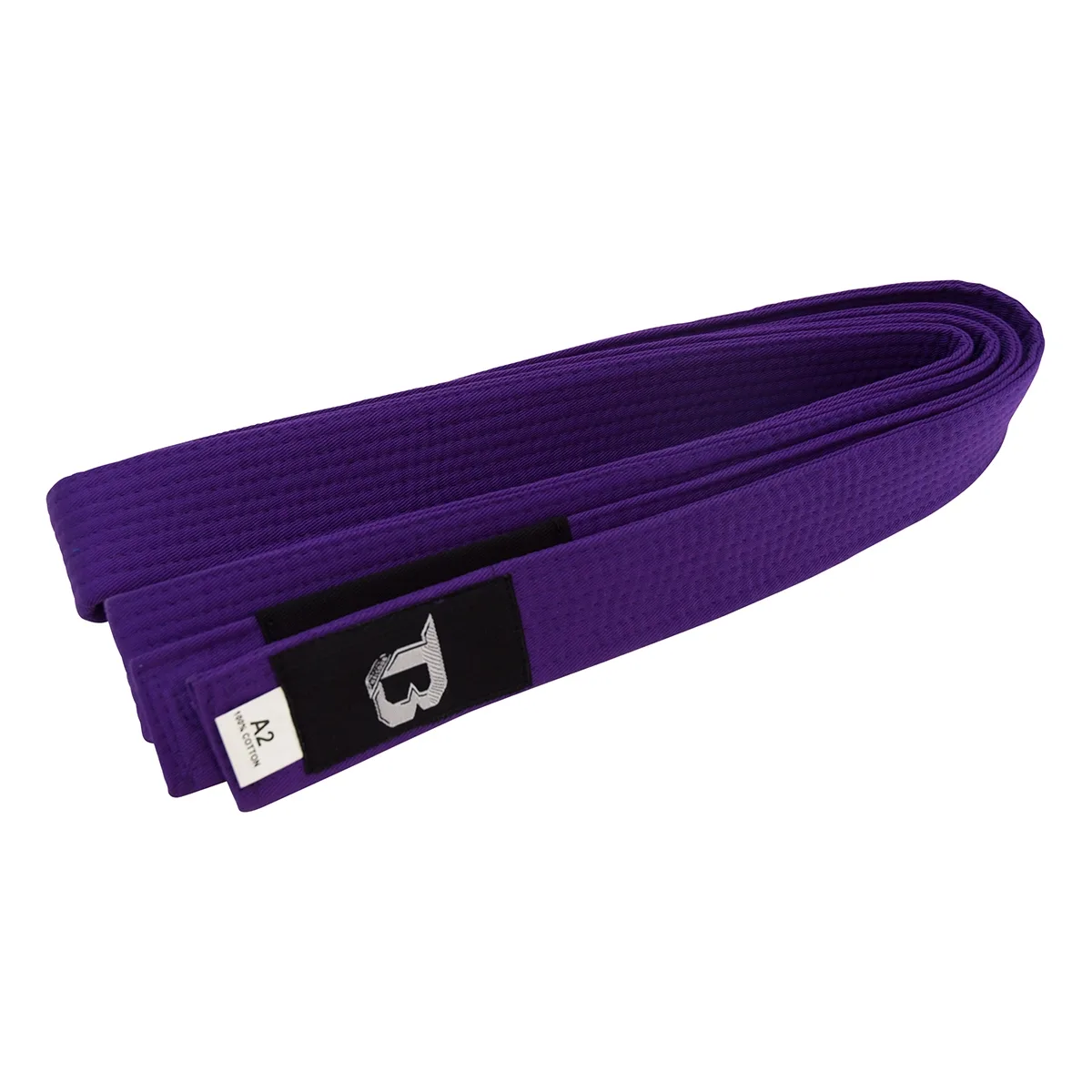 Booster BJJ BELT PURPLE – 16.37 €
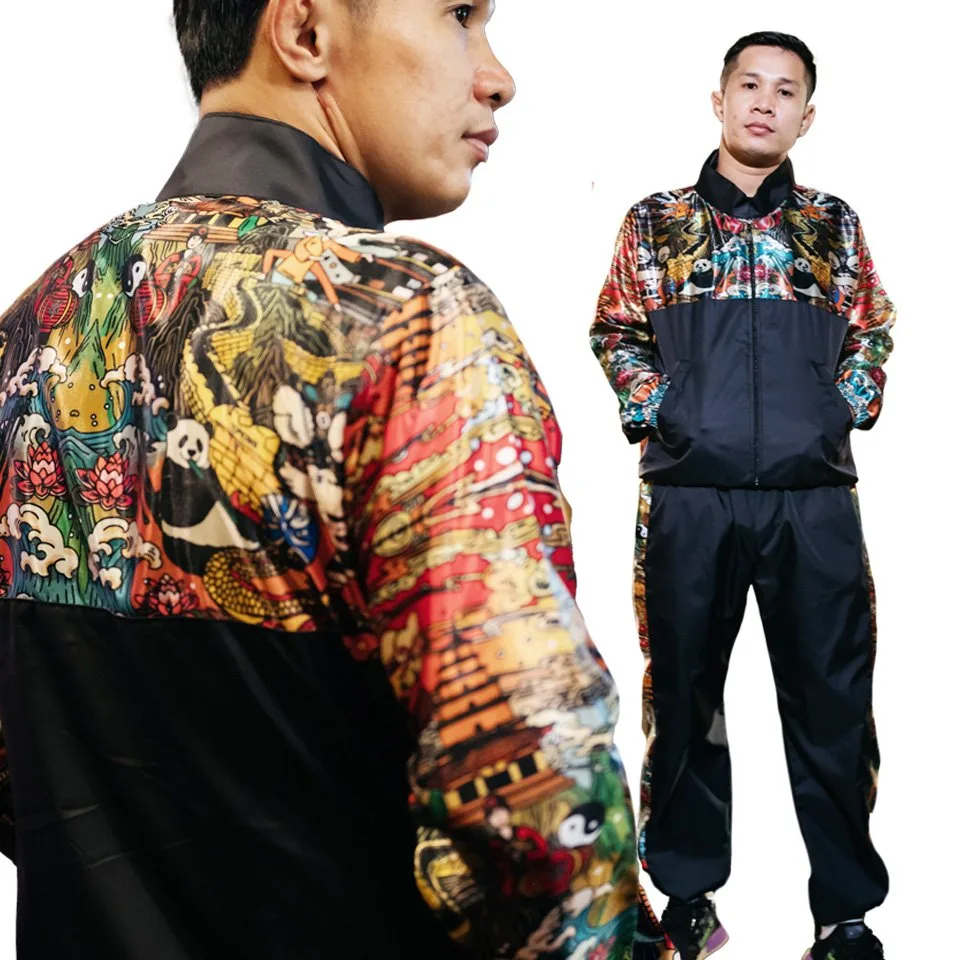 TOPKING CHINESS CULTURE TRACK SUITS
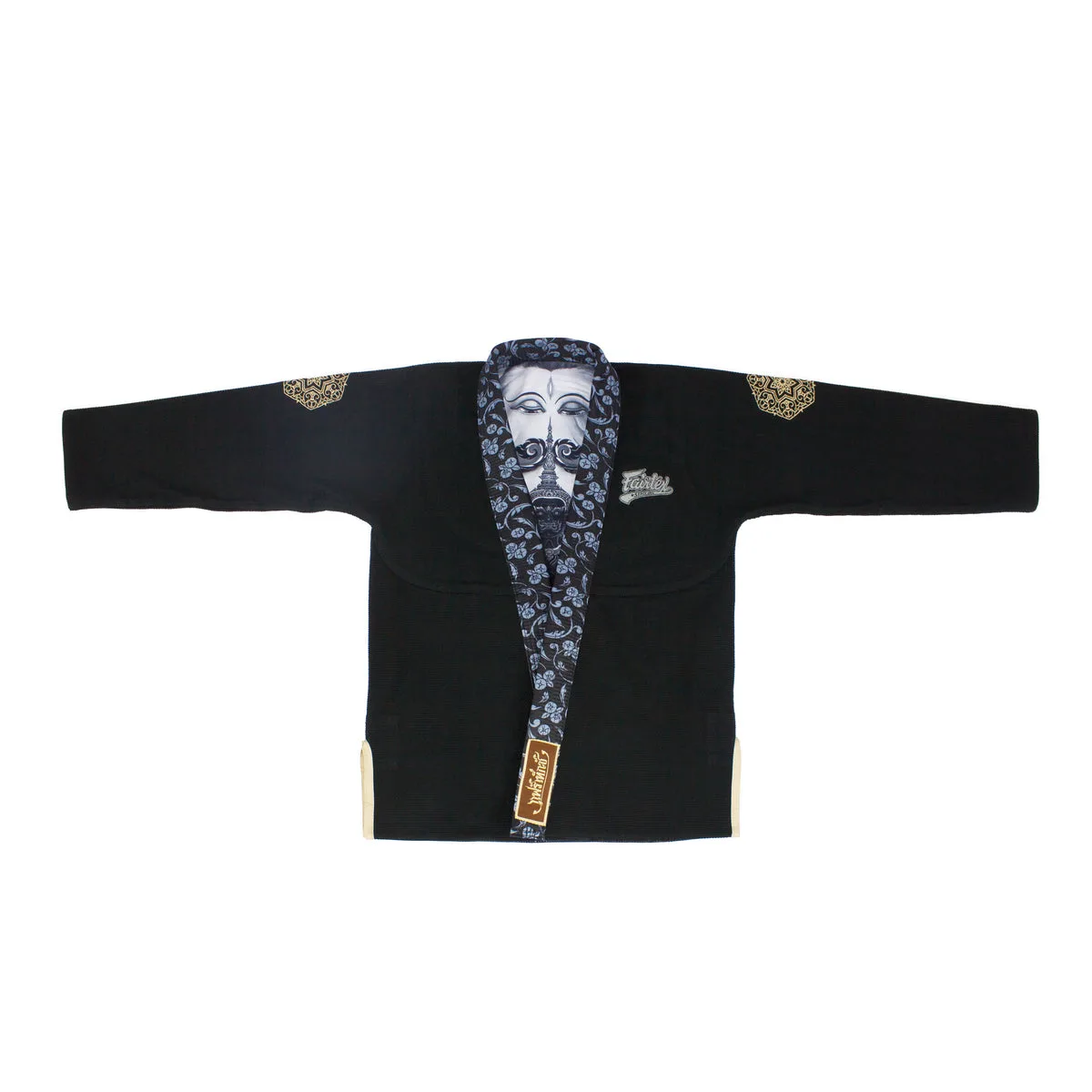 BJJ Gi "Treeburam" Limited Edition — Black – 121.80 €
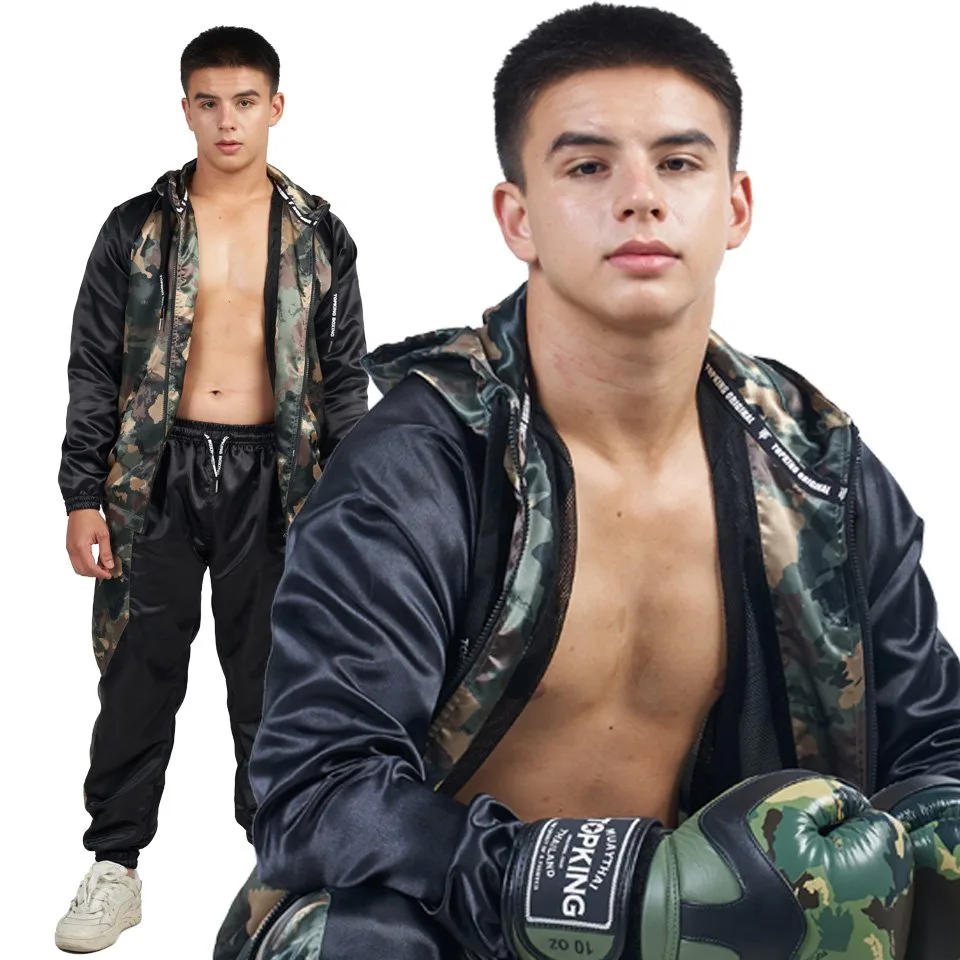 TOPKING TRACKSUIT GREEN CAMOUFLAGE
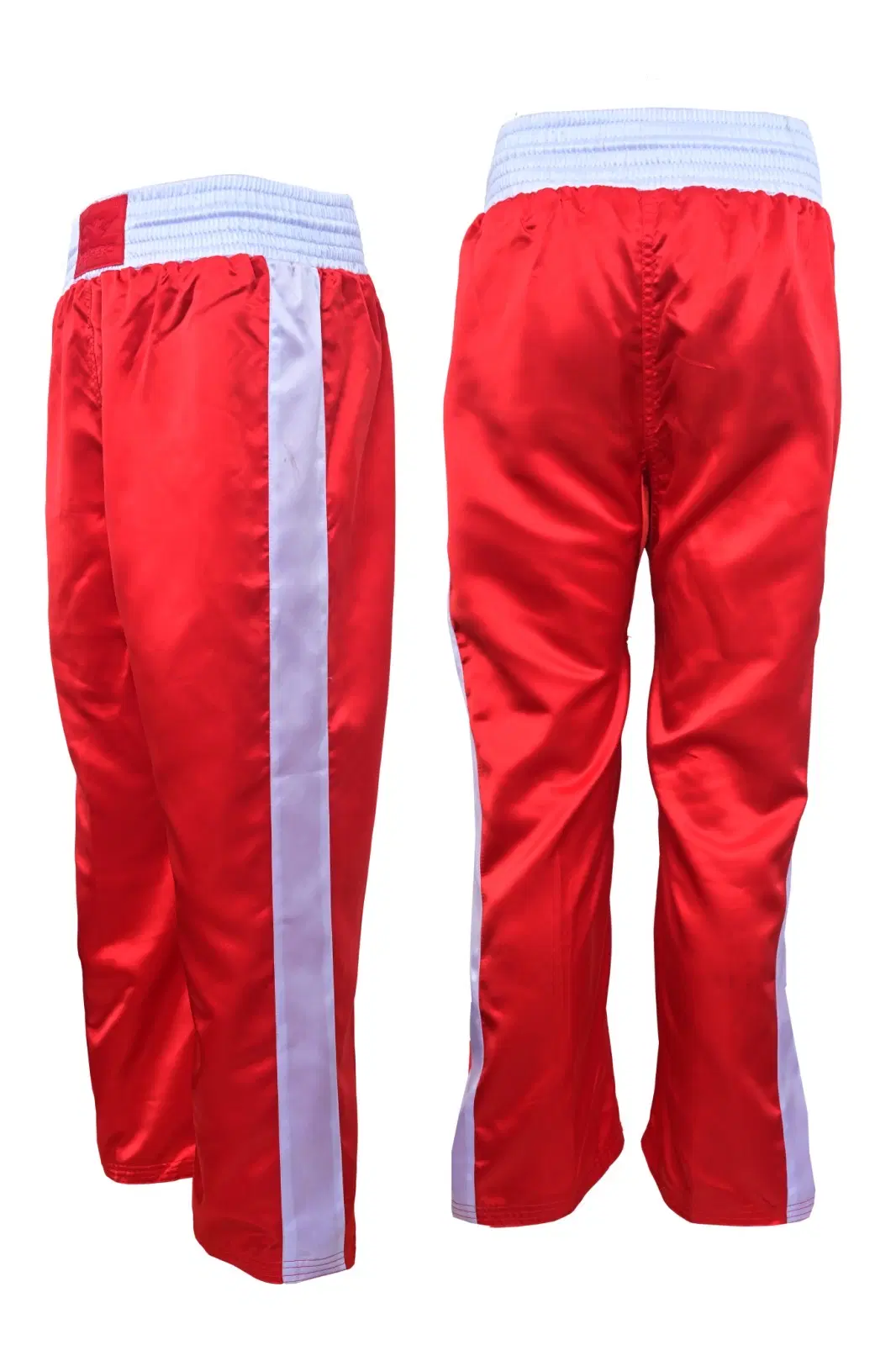 SZ Fighters – Панталони за карате и Кикбокс Classic – Red – 19.02 €
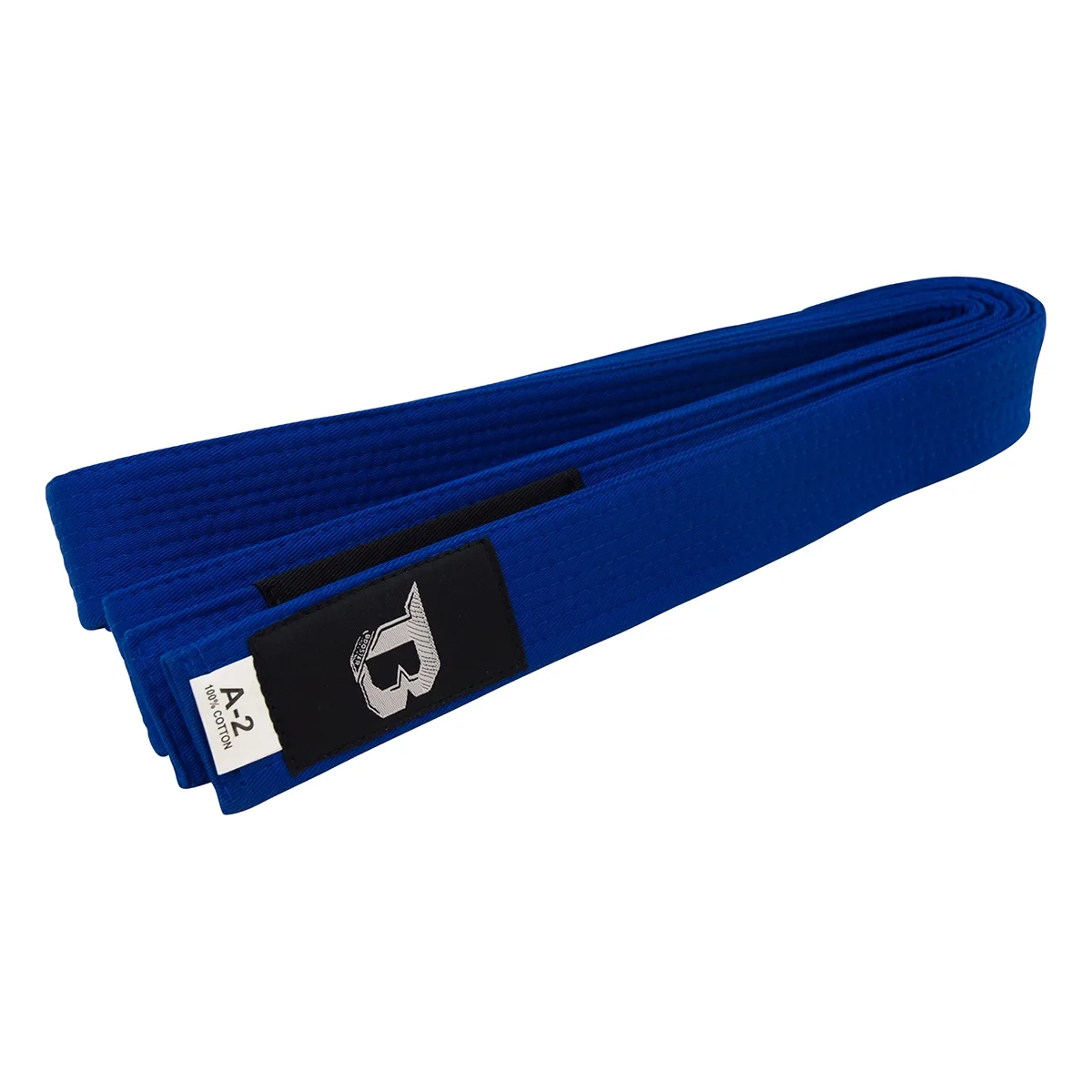 Booster BJJ BELT BLUE – 16.37 €
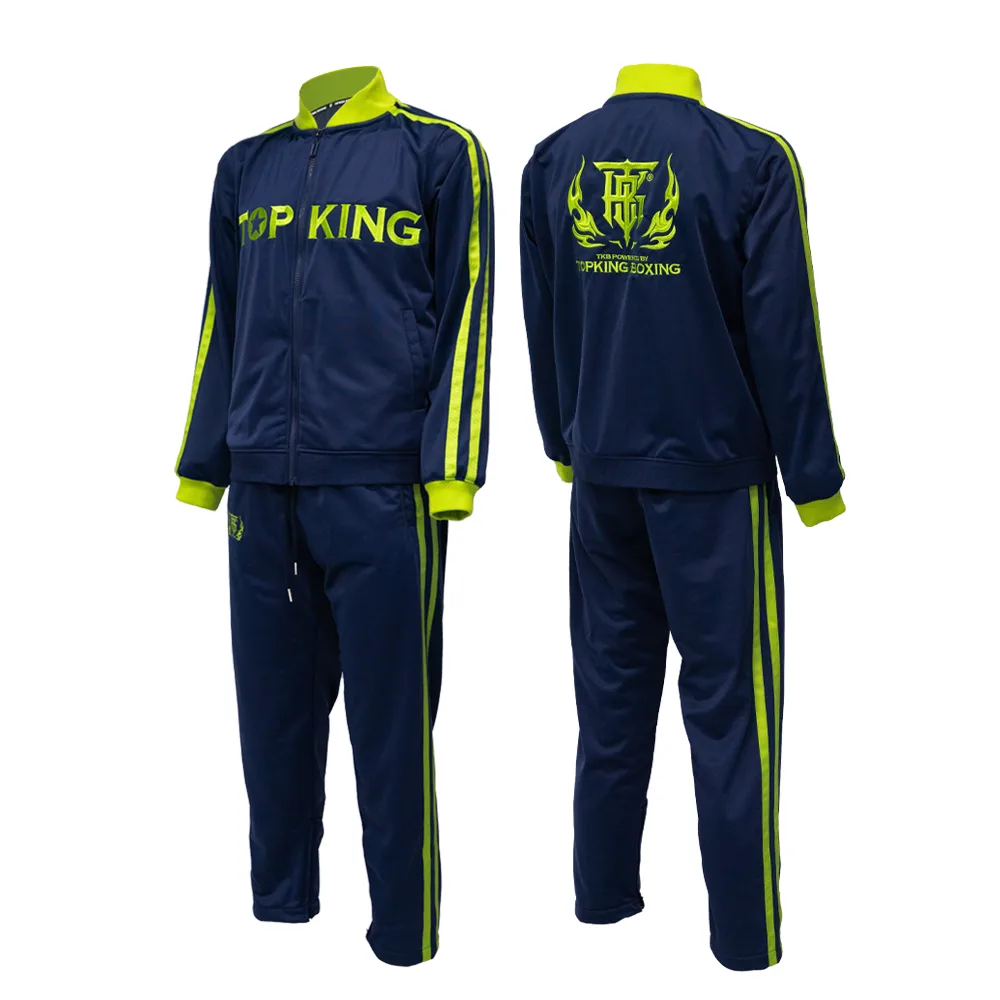 TOPKING TRACKSUIT GREEN 011
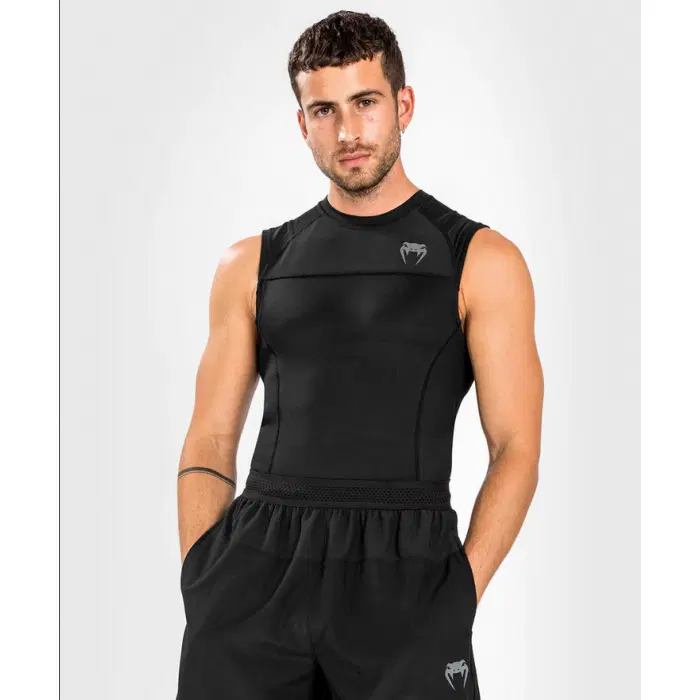 Рашгард - Venum G-Fit Air Rashguard Sleeveless - Black – 78.00 €
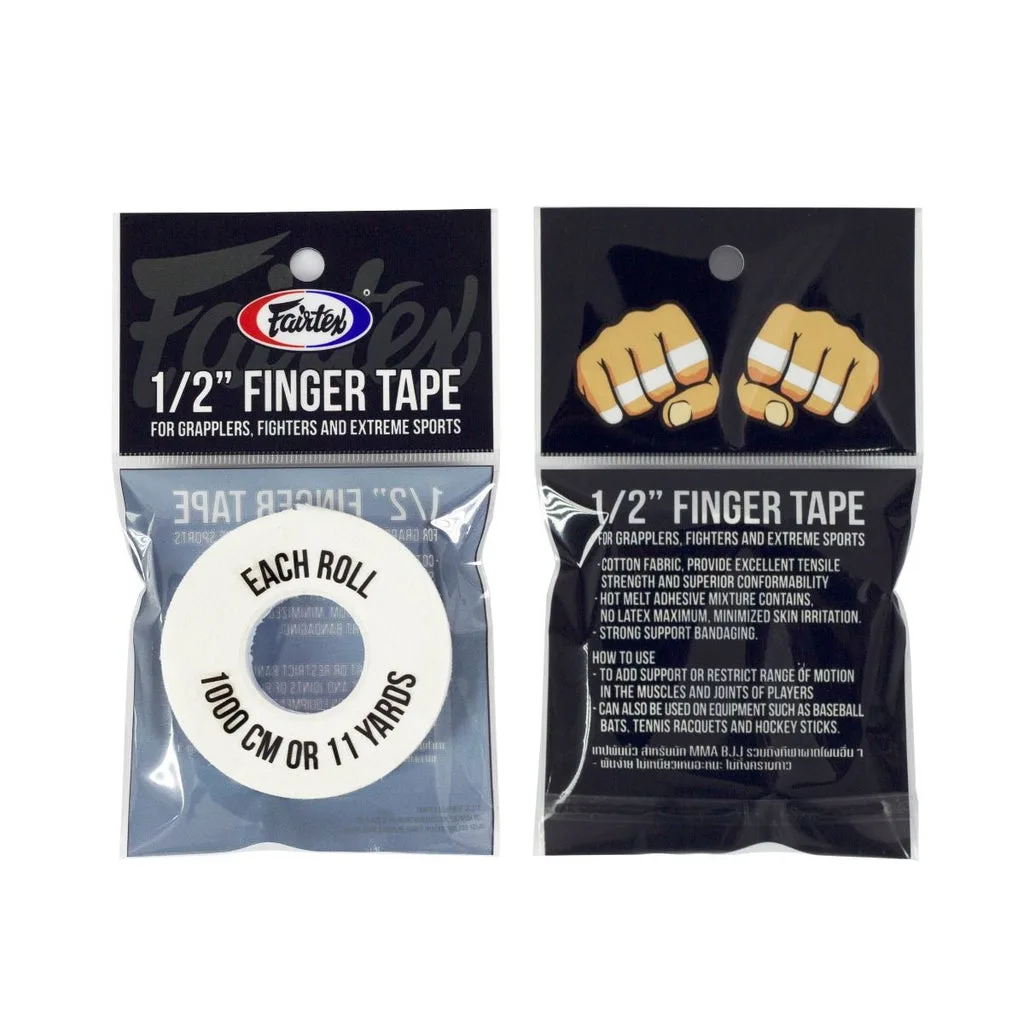 Fairtex Finger Tape for BJJ and MMA – 3.20 €
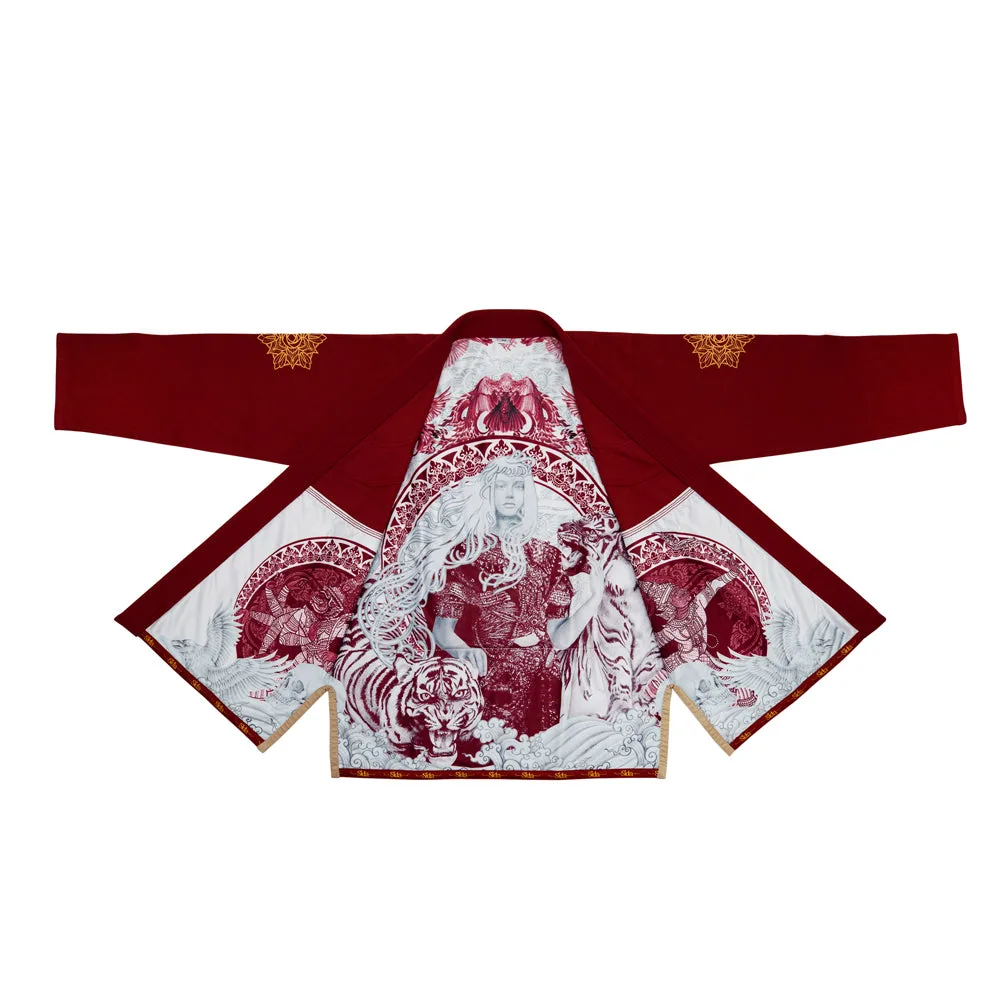 Fairtex BJJ Gi "Sida" — Burgundy – 121.80 €
Why do you need martial arts equipment?
You enter the gym, a sparring session awaits. You want to be sure that your equipment won't let you down. Whether it's judo, BJJ, karate, or MMA, the right attire is part of your preparation. It's not just a uniform, but a functional part of your performance.
How I choose
For judo and BJJ gis, I always look for fabric density. For judo, I prefer a double weave, around 950-1000 g/m2, often with reinforced knees. For BJJ – a pearl weave, around 450-550 g/m2, because it's lighter for movement. For karate gi – coconut or ripstop around 200-250 g/m2, so it doesn't hinder fast movements. MMA shorts should have tight seams, made of durable polyester or spandex, often with a side slit for more freedom. For rashguards – dense spandex, 250-300 g/m2, to fit snugly. I choose the size according to the chart, but I often take one size larger for gis because they shrink slightly after a few washes.
What we offer
In our store, we prioritize quality because I know what it's like to rely on your equipment. That's why we offer SZ Fighters – our own brand, which we have been developing since 2007. All products are tested by us and our athletes. We also work with SZ Sport, where we focus on everyday training equipment. We select products that withstand constant use and intensive loads. There is no compromise on quality.
A piece of advice from me
Don't skimp on equipment, invest in quality. A good gi or rashguard will serve you for years and give you confidence in every training session.
FAQ
What is the difference between a karate gi and a judo gi?
A karate gi is typically lighter and designed for striking, allowing for fast movements. A judo gi is heavier with reinforced stitching for grappling and throwing, built to withstand significant stress.
How do I choose the correct size for a martial arts uniform?
Refer to the specific uniform's sizing chart, which usually corresponds to height and sometimes weight. It's often recommended to go up a size if you are between measurements or prefer a looser fit, as uniforms can shrink slightly after washing.
What materials are martial arts uniforms made from?
Common materials include 100% cotton, which is breathable and traditional, and poly-cotton blends, which offer increased durability, wrinkle resistance, and quicker drying times. The material choice often depends on the specific martial art and personal preference.
How should I wash and care for my martial arts uniform?
Most uniforms should be washed in cold water and air-dried to prevent shrinking and preserve the fabric. Avoid using bleach, which can damage the material and fade colors. Check the care label for specific instructions.
Do uniforms come with belts?
Some starter or beginner uniforms often come with a white belt. However, many higher-quality or specialized uniforms are sold without a belt, as practitioners typically earn their belts through grading. Always check the product description to confirm.
Can I use the same uniform for different martial arts?
While some uniforms might appear similar, using a uniform designed for one martial art in another is generally not recommended. Each uniform is tailored to the specific movements and demands of its discipline, ensuring optimal performance and safety.